
That dry, sweet, almost-chestnut bite of kabocha is hard to replicate exactly. But the right swap gets you close enough that your soup, your roasted sheet pan, or your puree won't taste like a compromise.
Kabocha squash substitute choices split into two lanes: dry-fleshed for roasting, and creamier-wetter for blending. Pick the wrong lane and you get mushy cubes or a thin, watery sauce.
Kabocha's sweetness is mild-to-medium. If your swap runs sweeter, add a pinch more salt and a splash of acid at the end to pull things back.
The best kabocha squash alternative depends on your cooking method. For roasting, use butternut or acorn squash at a 1:1 ratio. For soups and purees, pie pumpkin or sweet potato blends smoothly. Delicata works well sautéed or roasted fast. Each swap needs a small seasoning tweak at the end.
5 Best Kabocha Squash Substitutes (Easy Swaps)
| # | Substitute | Best For | Ratio | Key Note |
|---|---|---|---|---|
| 1 | Butternut Squash | Roast / Soup | 1:1 | Sweeter, softer flesh |
| 2 | Delicata Squash | Roast / Sauté | 1:1 | Mild, tender skin |
| 3 | Acorn Squash | Roast / Bake | 1:1 | Slightly drier flesh |
| 4 | Pie Pumpkin | Soup / Purée | 1:1 | Steam first; wetter |
| 5 | Sweet Potato | Purée / Soup | 1:1 | Starchy, earthy-sweet |
Each H3 below includes a "Skip if" note to prevent the most common mismatches. The best kabocha squash replacement is the one that fits your cooking method first and your flavor target second.
1. Butternut Squash
Butternut is the easiest swap and the one most kitchens already have. Its flesh is smooth and tender after roasting, much like well-cooked kabocha, though it softens faster.
If you've ever wondered about the full butternut flavor profile, it runs notably sweeter than kabocha, so dial up your savory seasoning slightly.
- Roasting time: Butternut cooks 5-10 minutes faster than kabocha at the same temp. Check for fork tenderness early.
- Moisture: Its flesh holds more water than kabocha. Pat cubes dry before roasting to encourage browning.
- Sweetness fix: Add an extra pinch of smoked paprika or a squeeze of lemon after cooking to offset the extra sugar.
- Skin: Peel it. Butternut skin doesn't eat well roasted, unlike kabocha's thin edible rind.
Butternut Squash
Works for: roasted chunks, caramelized edges, soups, and any purée that needs body
Skip if: your recipe needs very dry, firm cubes that hold shape through a long bake
2. Delicata Squash
Delicata is less dense than kabocha, so it goes fork-soft fast. It has a mild sweetness that won't overpower a dish.
If you want to understand how it tastes before committing, the delicata flavor notes are worth a quick read before you decide.
- Skin-on roasting: Yes, delicata skin is edible and thin. Cut into rings or half-moons and roast directly.
- Cook time: It tenderizes in 20-25 minutes at 400°F. Pull it as soon as the edges caramelize.
- Moisture tip: Spread pieces in a single layer with space between them. Crowding steams the squash instead of roasting it.
- Sauté option: Works well in a hot cast iron for 8-10 minutes, flipping once, when you don't want to run the oven.
Skip if: your dish needs deep, nutty squash flavor. Delicata is mild and won't carry bold spiced preparations the way kabocha does.
3. Acorn Squash
Acorn squash is a close roasting partner for kabocha, but the flesh tends to be drier. That's actually an advantage when you want cubes with a little chew, but it means you need to protect moisture during the first half of cooking.
For more on how acorn squash roasts compared to other winter varieties, it's a useful reference.
- Foil tent method: First 20 minutes covered at 400°F, then remove foil and roast 15-20 more minutes.
- Cut size: Use cubes no smaller than 1 inch. Smaller pieces dry out too quickly before the interior cooks through.
- Flavor nudge: A light brush of olive oil with a pinch of cinnamon or nutmeg after roasting brings it closer to kabocha's warmth.
Skip if: you're using it raw. Acorn squash needs heat to reach a squash-like texture and sweetness.
4. Pie Pumpkin
Pie pumpkin has the right creamy body for soups and blended dishes, and it blends down silky-smooth. The catch is moisture.
It runs wetter than kabocha and less nutty, which can thin out a sauce or soup without warning. If you're working with canned or stored pumpkin purée, how long blended pumpkin keeps is worth checking before you open a container.
Steam or roast the pumpkin first, then blend. If the final texture is still loose, reduce the soup in the pot for 5-10 minutes with the lid off.
- Moisture fix: Roast pumpkin halves cut-side down at 375°F for 40 minutes before scooping. This drives off excess water.
- Flavor boost: Pumpkin is blander than kabocha. Add a tablespoon of brown butter or a half-teaspoon of white miso after blending.
- Ratio: Use 1:1 by weight, but expect to reduce the soup liquid by about 2 tablespoons per cup of pumpkin used.
Skip if: you need dry, caramelized cubes with golden edges. Pumpkin flesh doesn't roast to that texture.
5. Sweet Potato
Sweet potato brings starchy body to purées and thick soups, blending smoothly without any graininess. It's the best choice when you're after picking a starchy stand-in for a blended dish and you don't have any squash at all.
The flavor is earthier and sweeter than kabocha, so seasoning matters more here than with any other swap.
Sweet Potato
Works for: purées, blended soups, thick bisques, any dish where creaminess matters more than squash flavor
Skip if: you want mild nutty squash flavor - sweet potato reads earthy-sweet and won't replicate that note
- Sweetness balance: Add salt in two stages and finish with a small squeeze of lemon or a splash of apple cider vinegar.
- Texture: Blend sweet potato while still hot for the smoothest result. Cold sweet potato can turn gluey.
- Thinning: If the purée is too thick, add warm broth by the tablespoon rather than water.
Making Kabocha Squash Substitutes Work
The two factors that determine success are texture dryness and sweetness intensity. Dry-fleshed squashes like acorn and delicata need moisture protection during cooking.
Wetter swaps like pumpkin and sweet potato need moisture reduction before or after. If you're unsure how a specific squash behaves in the pan, comparing swapping acorn in recipes covers the same principles.
For butternut-specific adjustments, butternut swap options give more detail on managing its extra moisture and sweetness.
- Moisture management: Roast wetter substitutes (pumpkin, sweet potato) uncovered first to reduce surface moisture before adding to the dish. Pat dry-flesh substitutes dry before roasting.
- Doneness target: Every substitute should reach fork-tender without pooling water on the pan. If water pools, flip the pieces and roast 5 more minutes uncovered.
- Seasoning finish: Taste after cooking, not before. Salt, a pinch of umami (miso or soy), or a small acid hit brings a sweeter substitute back into balance.
Frequently Asked Questions
Butternut squash is the closest match for roasting at a 1:1 ratio. Pat cubes dry before they go in the oven and check for doneness 5-10 minutes earlier than kabocha would need.
Wetter substitutes like pumpkin release liquid during cooking. Roast them cut-side down first, then add to your dish, or reduce the final sauce with the lid off for 5-10 minutes.
Yes. Delicata skin is thin and edible, similar to kabocha. Roast or sauté it skin-on in rings or half-moons and it will soften fully without peeling.
Pie pumpkin and sweet potato both blend smoothly for soups. Steam or roast either one first, then blend hot and season with salt and a small acid addition at the end.
Season after cooking rather than before. A pinch of extra salt plus a small squeeze of lemon or a splash of vinegar pulls sweet substitutes like butternut or sweet potato back into balance.
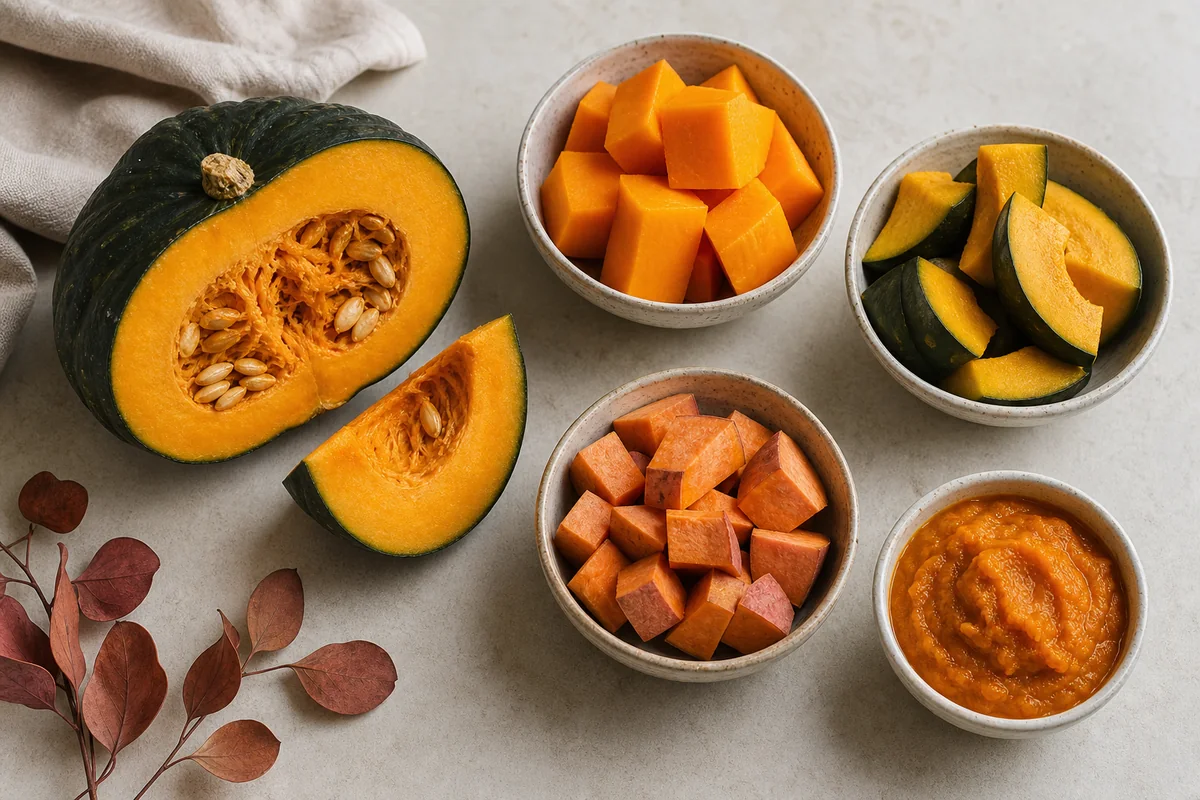
5 Best Kabocha Squash Substitutes (Easy Swaps)
Ingredients
Equipment
Method
- Decide your dish type: roasting/sautéing, soup, or purée—this determines whether you need drier or creamier flesh.
- Choose the closest substitute from the list, aiming for similar sweetness and how firm the raw flesh feels.
- Use the swap ratio for your recipe amount; for wetter substitutes (pumpkin), roast/steam first to reduce moisture.
- Adjust doneness: squash should turn fork-tender; keep sweet potato slightly firmer if you plan to roast.
- Season after cooking (especially salt/umami) so the substitute’s flavor doesn’t taste flat compared to kabocha.
Notes
- If your recipe depends on kabocha’s mildly nutty sweetness, prioritize butternut, acorn, or delicata.
- If your recipe is a purée or soup, starchy swaps (sweet potato, carrot+potato mash) can match body with blending.
Tried this recipe?
Let us know how it was!
Carrie is a food writer and editor with more than 15 years of experience. She has worked for some of the biggest names in the food industry, including Bon Appétit, Food & Wine, and Martha Stewart Living.
As the Editor in Chief of EpicureDelight, Carrie oversees all of the content on the site. She also manages the team of contributing writers and editors, who help to create delicious recipes, helpful tips, and informative articles that you’ll find on the site.
A native of the Chicago area, Carrie is passionate about all things food. She loves trying new restaurants and experimenting with new recipes in her kitchen. She’s also a graduate of the Culinary Institute of America, so she knows a thing or two about food!



