
That mild, berry-tinged heat pink peppercorns bring to a dish is easy to miss until it's gone. They aren't true peppercorns at all-they're dried berries from the Schinus plant, which gives them a gentler kick and a floral, almost fruity aroma that regular pepper doesn't replicate on its own.
Choosing the right pink peppercorn substitute depends on what job the peppercorn is doing. For sauces and savory dishes, you want something that brings both heat and aroma.
For baking, the aroma matters more than the bite.
Pink peppercorns add gentle heat and a berry-floral aroma to dishes. The closest swap is brined green peppercorns (1:1, drained). For pure heat, use black pepper at ¾:1. For fruity warmth, try allspice at ½:1. Match the substitute to whether your dish needs pepper heat, floral aroma, or both.
5 Best Pink Peppercorn Substitutes for Quick Swaps
Swap ratios below are starting points. Taste as you go, because heat intensity shifts with cooking time and dish acidity.
If you're curious about storing your peppercorns before they run out, that's worth knowing too. Whole peppercorn-style substitutes need crushing so the aroma distributes evenly rather than staying locked in a dense berry.
| # | Substitute | Best For | Ratio | Key Note |
|---|---|---|---|---|
| 1 | Green peppercorns (brined) | Both | 1:1 | Drain well, lightly crush |
| 2 | Black peppercorns (cracked) | Savory | ¾:1 | Start low, add slowly |
| 3 | Allspice berries (whole/ground) | Both | ½:1 | Bloom in fat first |
| 4 | White pepper (ground) | Both | 1:1 | Milder, less floral |
| 5 | Mixed peppercorn blend | Savory | 1:1 | Fine-crush for even spread |
1. Green Peppercorns (Brined)
Green peppercorns (brined) are the closest thing to pink peppercorns that most cooks can find. They share that mild, almost fruity pepperiness without the blunt heat of black pepper.
For anyone curious about briny peppercorn flavor notes, the brine itself adds a mild tang that works well in cream sauces and vinaigrettes.
- Best use: Cream sauces, steak pan sauces, marinades, and vinaigrettes
- Swap ratio: 1:1 by volume, drained
- Prep tip: Drain thoroughly, then lightly crush with the flat of a knife so aroma releases
- Heat adjustment: Add a small pinch of white pepper if you want more warmth
Skip if: your recipe needs a dry spice (the moisture from brining can thin a sauce or add unwanted liquid to a dry rub).
2. Black Peppercorns (Freshly Cracked)
Black pepper is the obvious pantry fallback, but it runs hotter and skips the fruity-floral side of pink peppercorn entirely. Start at a lower ratio and build from there.
- Swap ratio: Use ¾:1; add in small pinches until you hit the heat level you want
- When to add: Early in cooking for mellow, rounded heat; at the very end for sharper aroma
- Avoiding harshness: Crack fresh rather than using pre-ground; fresh-cracked pepper stays aromatic, not just hot
- Flavor boost: A small pinch of dried thyme or a squeeze of lemon can stand in for the missing floral note
If black pepper runs short too, picking a sharper fallback covers your next move.
Black Peppercorns (Freshly Cracked)
Works for: Savory dishes, grilled meats, roasted vegetables, bold pasta sauces
Skip if: Your dish depends on the berry-floral note-black pepper will read purely hot
3. Allspice Berries
Allspice sits closer to the fruity-warm side of pink peppercorn than the peppery-heat side. It doesn't bring any spicy bite on its own, but it carries that aromatic, almost berry-adjacent warmth that pink peppercorn fans enjoy.
- Swap ratio: Use ½:1 because allspice reads stronger and sweeter than you'd expect
- Whole vs. ground: Whole berries work best in slow braises or pickles; ground is easier for sauces and baked goods
- Preventing sweetness: Bloom ground allspice in a small amount of fat for 30-60 seconds before adding liquid; that rounds the flavor and cuts the sugary edge
| Use | Ratio | Notes |
|---|---|---|
| Cream sauce | ½:1 | Ground allspice, bloom in butter first |
| Baked goods | ½:1 | Ground; reduce sugar by 1 teaspoon if recipe is sweet |
| Slow braise | ½:1 | Whole berries; remove before serving |
Skip if: your dish is a delicate light cream sauce or thin glaze where extra sweetness will stick out.
4. White Pepper (Ground)
White pepper is a quiet, heat-forward option. It doesn't have pink peppercorn's floral aroma, but it delivers steady warmth without the sharpness of black pepper. We reach for it most often in béchamel, pale cream sauces, and light-colored baked goods where black specks would be noticeable.
Use a 1:1 swap for warmth, or cut back slightly if your pink peppercorn was mostly there for aroma rather than heat. White pepper can look speckly in light-colored batters or sauces, which isn't always welcome.
- Swap ratio: 1:1 for heat; reduce to ¾:1 if aroma was the main role
- Best for: White sauces, mashed potatoes, light pastry doughs, pale soups
- Appearance note: Visible specks in very pale dishes-stir well or pass the sauce
Skip if: the recipe calls for whole peppercorns as a visual garnish. Ground white pepper won't provide any texture.
5. Mixed Peppercorn Blend (Crushed)
A pre-mixed peppercorn blend is the best "use what's in the drawer" option. Most blends already include some pink peppercorns along with black, white, and green, so you're getting a partial flavor match by default.
Mixed Peppercorn Blend (Crushed)
Works for: Slow-simmered sauces, marinades, rubs, and any savory dish where a spectrum of pepper notes adds depth
Skip if: You need a consistent fruity-floral note-blends vary by brand and can skew hotter batch to batch
Crush the blend finer than you think you need to. Coarser pieces stay concentrated in one spot and taste harsh.
If your jar of choosing a numbing spice swap is already open, that's a separate path worth exploring for tingling-heat dishes.
- Swap ratio: 1:1, then taste before adding more
- Crushing tip: Use a mortar or the flat of a heavy pan; aim for a medium-fine grind, not powder
- Best dishes: Slow-simmered meat sauces, gravies, compound butters
- Batch-to-batch tip: Add in small increments and taste-each blend has a different ratio of hot to mild berries
Making Pink Peppercorn Substitutes Taste Right
The main adjustment lever is deciding whether your recipe needs heat or aroma first. If aroma is the priority (think a delicate butter sauce or a dessert), lean toward allspice or green peppercorns and go lighter on quantity.
If heat is the priority, black or white pepper will carry the dish without you needing to compensate much. Taste after the bloom stage, before you add salt, because pepper heat reads differently once sodium is in the mix.
For dishes where you want to understand the original before swapping, checking the floral berry character of the real thing helps calibrate your nose.
When you're swapping pepper varieties in a sauce, the timing of when you add the substitute changes the result significantly.
- Bloom in fat: Drop whole berries or ground spice into warm butter or oil for 30-60 seconds before adding liquid; this opens up aroma compounds that would otherwise stay muted.
- Add in stages: Put half the substitute in early for background warmth, then add the rest in the last 2 minutes for a brighter top note.
- Finish with acid: A small squeeze of lemon or a splash of white wine vinegar at the end brightens substitutes that taste flat, mimicking the fresh lift pink peppercorns naturally provide.
Frequently Asked Questions
Brined green peppercorns, drained and lightly crushed, are the best match. Use them at a 1:1 ratio and drain thoroughly so they don't water down your sauce.
Yes, but reduce to ¾:1 because black pepper is sharper and has no floral note. Allspice is often a better baking swap when the fruity aroma matters.
Aim for a medium-fine grind using a mortar or the flat of a heavy pan. Powder-fine grinds release too much heat at once and taste harsh.
They can, especially in dry rubs or thick coatings. Drain them well and pat dry before use to keep the moisture from thinning the dish.
Brined green peppercorns or a mixed peppercorn blend are your best options. Both hold their shape and provide the whole-berry look pink peppercorns give.
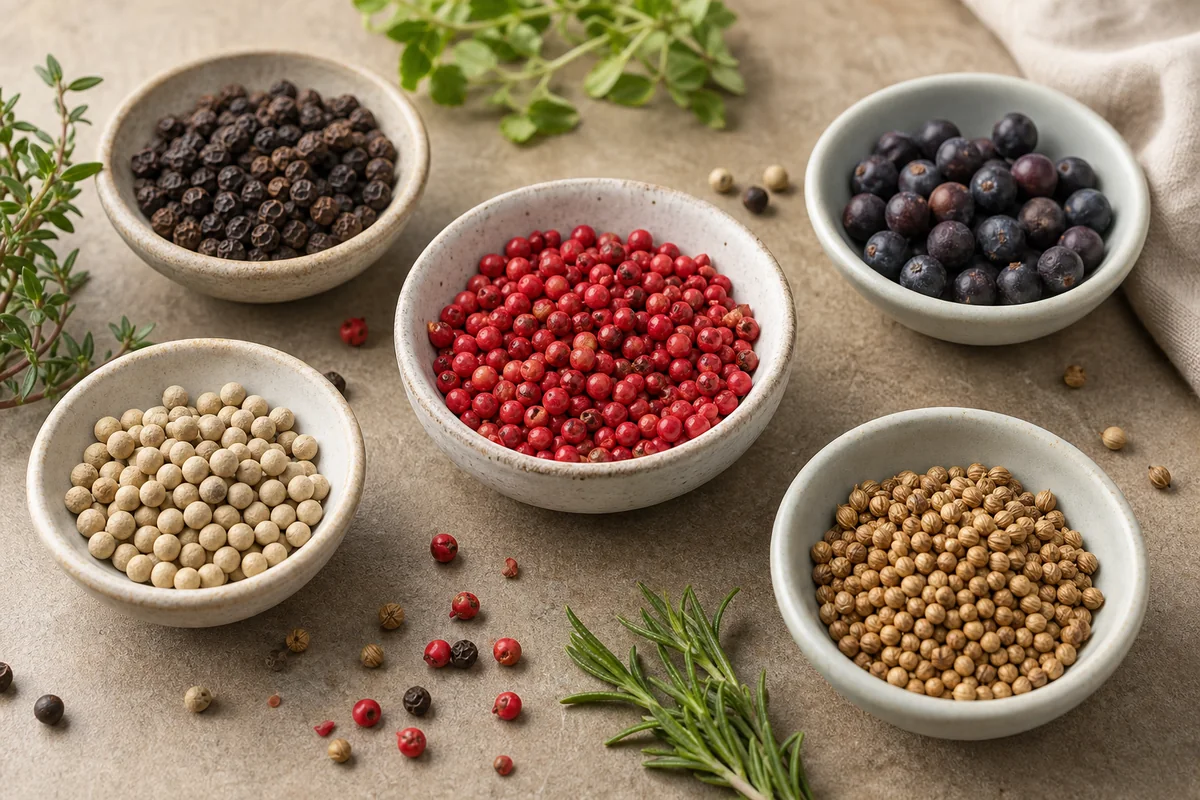
5 Best Pink Peppercorn Substitutes (Quick Swaps)
Ingredients
Equipment
Method
- Decide if your dish needs pink peppercorn for aroma (use green peppercorns or allspice) or for heat (use black or white pepper).
- Use the listed swap ratio for the substitute, then scale down slightly if you’re sensitive to pepper heat.
- Grind or crush whole berries/peppercorns so they distribute evenly; brined ingredients should be drained first.
- For sauces and marinades, simmer 1–3 minutes after adding ground/spice to bloom flavor (no need for long cooking).
- Taste at the end and adjust: add a pinch more substitute for aroma or a splash of acid (like lemon) to brighten.
Notes
- If the recipe uses whole pink peppercorns for texture, choose a substitute that can also be lightly crushed or stirred in.
- For baking, use less of hotter pepper substitutes and rely on small increments to prevent bitterness.
Tried this recipe?
Let us know how it was!
Carrie is a food writer and editor with more than 15 years of experience. She has worked for some of the biggest names in the food industry, including Bon Appétit, Food & Wine, and Martha Stewart Living.
As the Editor in Chief of EpicureDelight, Carrie oversees all of the content on the site. She also manages the team of contributing writers and editors, who help to create delicious recipes, helpful tips, and informative articles that you’ll find on the site.
A native of the Chicago area, Carrie is passionate about all things food. She loves trying new restaurants and experimenting with new recipes in her kitchen. She’s also a graduate of the Culinary Institute of America, so she knows a thing or two about food!



