
That sweet, syrupy hit of licorice sambuca brings to a drink or dessert is hard to fake with a random bottle from the back of the cabinet. The good news: a handful of anise-forward liqueurs and spirits can land you in exactly the same flavor zone.
A true sambuca substitute works because it matches that anise-licorice core, not because it's clear or sweet by itself.
The substitutes below are ranked by how closely they mimic sambuca's profile. Most are alcohol-based, so if your recipe calls for a non-alcohol swap, a different strategy applies entirely.
Anisette is the closest match to sambuca's sweet anise profile and works at a 1:1 ratio in drinks and baking. Ouzo and pastis are solid second choices. Absinthe works at a reduced ratio. For a pantry-only fix, mix anise syrup with a neutral spirit.
5 Best Sambuca Substitutes, Ranked
These five options are ranked by anise similarity, sweetness level, herbal bitterness, and overall strength. The closer a substitute sits to sambuca's liqueur-style sweetness, the higher it ranks.
Understanding sweetener ratio differences helps when you need to fine-tune any of these swaps, since sambuca is noticeably sweeter than most anise spirits. Skip this section if you're only looking for a neutral clear spirit replacement-sambuca's flavor depends entirely on anise compounds, not just alcohol.
| # | Substitute | Best For | Ratio | Key Note |
|---|---|---|---|---|
| 1 | Anisette | Both | 1:1 | Sweetest, closest match |
| 2 | Ouzo | Both | 1:1 | Add syrup if too dry |
| 3 | Pastis | Drinks | 1:1 | Herbal edge, reduce 10-15% |
| 4 | Absinthe | Both | ¾:1 | Bitter and strong, sweeten |
| 5 | DIY anise syrup + spirit | Both | 1:1 | Most adjustable option |
1. Anisette
Anisette is the most natural stand-in for sambuca. It shares the same sweet anise-forward profile and liqueur-style body, so it rarely throws a recipe off balance.
Start at 1:1 and taste before committing.
If anisette feels slightly sharper than expected, pull back by about 10-20% and stir in a small pinch of sugar or a few drops of simple syrup. The seed-vs-extract comparison is worth a read if you're curious why anise-based liqueurs vary so widely in intensity.
Anisette
Works for: cocktails, coffee drinks, baked goods, anise-glazed desserts
Skip if: your recipe needs a darker, more intense licorice depth-anisette runs lighter than sambuca
- Flavor match: Sweet anise, mild licorice, very close to sambuca's liqueur finish
- Best uses: Espresso cocktails, biscotti, anise-flavored syrups, and shooter-style drinks
- Adjustment tip: Reduce by 10-20% and add a touch of sugar if it tastes sharper than expected
2. Ouzo
Ouzo hits the anise note well, but it reads drier and more herbal than sambuca's syrupy sweetness. In drinks, that gap is noticeable.
A small addition of simple syrup usually closes it. The ouzo flavor profile explains why this spirit can catch people off guard.
- Flavor match: Strong anise, slightly herbal, less sweet than sambuca
- Starting ratio: 1:1, then add ½ teaspoon simple syrup per 1 oz if it tastes too dry
- Best uses: Cocktails, seafood dishes with anise notes, savory sauces
- Adjustment: For baking, dissolve a small amount of sugar into the ouzo before adding it to the batter
Skip if: strong herbal or anise-spirit notes are a problem in your recipe-ouzo is sharper than sambuca and that edge doesn't fully mellow in delicate dishes.
3. Pastis
Pastis brings a bold anise and licorice punch, but it carries an aperitif-herbal character that sambuca doesn't have. In cocktails, that herbal edge can be an asset.
In baking, it needs managing. Read up on this amber aperitif before using it in anything delicate.
- Flavor match: Bold licorice, anise, slightly herbal and less sweet than sambuca
- Best for cocktails: Works well in Mediterranean-style drinks and anise sours at a 1:1 ratio
- Baking limits: Reduce by 10-15% in baked goods and add sweetness to round out the herbal edge
- Quick balance trick: A small amount of honey or syrup softens pastis's sharper herbal notes fast
Skip if: your recipe is light or fruit-forward. Pastis's herbal signature can overpower delicate creams and fresh-fruit preparations.
4. Absinthe
Absinthe is anise-forward, but it leans bitter and botanical in a way sambuca doesn't. The alcohol strength is also higher in most bottles.
Reduce to ¾ of the sambuca amount as a starting point, then sweeten to taste. If you're exploring anise-herb swaps more broadly, there are softer options listed there.
Absinthe vs Sambuca
Works for: cocktails where bitterness is acceptable, flambéed desserts, savory anise sauces
Skip if: your recipe relies on sambuca's sweet liqueur finish-absinthe is too bitter and too strong to replace it cleanly at 1:1
- Starting ratio: Use ¾ of the called-for sambuca amount, then taste
- Sweetening: Add ½-1 teaspoon simple syrup per serving to offset bitterness
- Drinks: Best in spirit-forward cocktails where bitterness reads as complexity
- Baking: Use sparingly-absinthe's botanical edge intensifies under heat
5. DIY Anise Syrup + Neutral Spirit
This option is the most controllable of the five. You build the flavor yourself, which means you can dial sweetness and anise intensity to match your exact recipe.
The orange liqueur swap options page uses a similar DIY logic if you want to see the method applied elsewhere.
| Use | Ratio | Notes |
|---|---|---|
| Cocktails | 1:1 | 1 part anise syrup + 1 part vodka or gin; chill before using |
| Baking | 1:1 | Mix extract into syrup first, then stir into spirit; taste after 5 min |
| Sauces | ¾:1 | Reduce syrup slightly; anise extract intensifies when cooked |
- Base recipe: Combine ½ teaspoon anise extract with 2 tablespoon simple syrup and 1½ oz vodka for roughly 2 oz of sambuca-style liqueur
- Distribution tip: Always dissolve extract into the syrup before adding the spirit-this prevents uneven hot spots of extract flavor
- Correction: If it tastes too strong, add more syrup; if it tastes flat, add a drop or two more extract and wait 5 minutes before adjusting again
Skip if: you're avoiding alcohol entirely. The neutral spirit portion is essential for texture and dilution here; a fully non-alcoholic version needs a different approach.
Making Your Sambuca Substitute Taste Like the Real Thing
Sambuca behaves differently depending on how it's used. In a cold cocktail, its sweetness shows up immediately.
In a hot baked dish or sauce, the anise compounds concentrate and can turn sharp fast. Any substitute needs a different adjustment depending on which context you're working in.
- For drinks: Taste the substitute before shaking or stirring. If it's drier than sambuca, add ¼-½ teaspoon of simple syrup directly to the mix. Chill the glass first so the anise flavor reads more mellow once cold.
- For baking: Reduce the substitute by about 10% and add 1-2 teaspoon of sugar to the batter to compensate for lost sweetness. Anise intensity climbs in the oven, so less is usually safer. If you're working with an extract-based DIY swap, note that the extract versus seed choice affects how fast that intensity builds.
- For aftertaste correction: If the substitute tastes too herbal or bitter after tasting, add sweetness first before pulling back on volume. A small amount of honey or syrup often rounds out bitterness faster than simply using less of the substitute.
Frequently Asked Questions
Anisette is the closest match for cocktails. It has the same sweet anise character and works at a 1:1 ratio without needing much adjustment.
Yes, but reduce both by 10-15% and add extra sugar, since their herbal notes intensify under heat. Pastis is the trickier of the two in baked goods.
Start at ¾ of the sambuca amount called for, then sweeten with simple syrup to offset absinthe's bitter edge. Increase only after tasting.
Mix ½ teaspoon anise extract into 2 tablespoon simple syrup, then stir that into 1½ oz of vodka. Dissolving the extract into syrup first prevents uneven flavor distribution.
Add sweetness first: a small amount of simple syrup or honey usually corrects both dryness and herbal sharpness faster than reducing the substitute's volume.
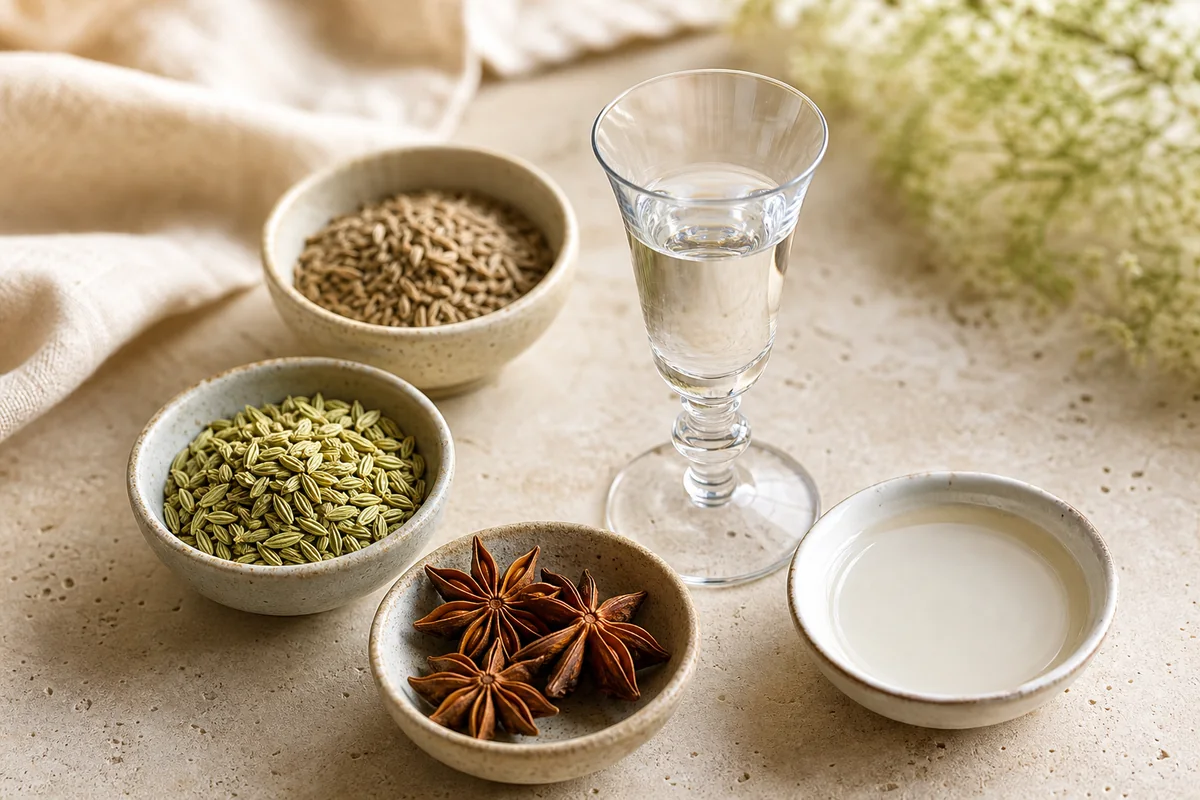
5 Best Sambuca Substitutes (Ranked)
Ingredients
Equipment
Method
- Identify your use: baking (flavor needs balance) vs drinks (flavor strength shows immediately).
- Choose the closest option from the list and apply the listed ratio (start at the lower end for stronger anise like absinthe).
- Adjust sweetness: if the substitute tastes sharp or herbal, add a small amount of sugar/syrup until it rounds out.
- Adjust anise intensity: if it’s overpowering, reduce by 10–25% or add a neutral base (more cream/syrup/water depending on the recipe).
- For DIY swaps, dissolve and chill first; if you used extract, stir thoroughly and taste after 5 minutes.
Notes
- For cocktails, dilution matters: sambuca often “opens up” with water/ice, so taste after dilution.
- For baking, anise flavor can intensify while baking—use the lower end if your substitute is very strong.
Tried this recipe?
Let us know how it was!
Carrie is a food writer and editor with more than 15 years of experience. She has worked for some of the biggest names in the food industry, including Bon Appétit, Food & Wine, and Martha Stewart Living.
As the Editor in Chief of EpicureDelight, Carrie oversees all of the content on the site. She also manages the team of contributing writers and editors, who help to create delicious recipes, helpful tips, and informative articles that you’ll find on the site.
A native of the Chicago area, Carrie is passionate about all things food. She loves trying new restaurants and experimenting with new recipes in her kitchen. She’s also a graduate of the Culinary Institute of America, so she knows a thing or two about food!



