
That deep, reddish smoke you get from smoked paprika is doing more than adding color. It anchors the whole flavor of a dish, and without it, even a well-seasoned plate can taste flat.
The right smoked paprika substitute depends on what role the spice plays. In a rub or a stew, smoke matters most.
In a vinaigrette or a cream sauce, heat and salt matter just as much. Getting that balance right is what separates a good swap from a messy one.
The best smoked paprika alternatives match its smoky, earthy pepper flavor first. Chipotle powder and regular paprika with liquid smoke are the closest overall swaps. Smoked salt, garam masala blends, and BBQ rub work when you can adjust for extra salt or heat. Start with the listed ratio, then taste and tweak.
Smoked Paprika Substitutes: Quick Reference Swaps
All five options below start from the same question: does your dish need pure smoke, mild pepper warmth, or salt-forward seasoning? Use the table to pick your ratio fast.
| # | Substitute | Best For | Ratio | Key Note |
|---|---|---|---|---|
| 1 | Chipotle Powder | Both | 1:1 | Adds noticeable heat |
| 2 | Paprika + Liquid Smoke | Both | 1:1 | Closest paprika flavor |
| 3 | Smoked Salt | Cooking | ½:1 | Reduce other salt first |
| 4 | Garam Masala + Paprika | Cooking | 1:1 | Warmer, less smoky |
| 5 | BBQ Rub (low-sugar) | Cooking | ¾:1 | Watch sweetness and salt |
5 Smoked Paprika Swaps Ranked by Smoky Depth
1. Chipotle Powder
Chipotle powder is the strongest one-for-one swap you can grab. It matches smoked paprika's earthy depth and actually deepens it, because chipotle is a smoked dried jalapeño at heart.
The trade-off is heat. Knowing that bold pepper profile helps you decide fast: if your recipe is mild or cream-based, chipotle powder will push it hotter than intended.
For chili, stews, spice rubs, and roasted vegetables, it works without any fuss.
Chipotle Powder vs. Smoked Paprika
Works for: chili, dry rubs, roasted meats, grain bowls, tomato-based sauces
Skip if: recipe is mild or cream-forward, or you're cooking for heat-sensitive eaters
- Ratio: Start at 1:1, then taste before adding more
- Heat check: Chipotle runs about 2,500-8,000 Scoville; smoked paprika sits near 0-500
- Blend it down: Mix ½ teaspoon chipotle with ½ teaspoon plain paprika to soften the heat while keeping smoke
- Color: Slightly darker and redder than smoked paprika, but not noticeably off in most dishes
For dishes where chipotle is still too bold, choosing a milder smoky option might serve you better than pushing through.
2. Regular Paprika + Liquid Smoke
This combo is the most faithful rebuild of smoked paprika's flavor. You keep the mild pepper base and just add the smoke note back in drops.
The key is restraint with the liquid smoke. Smoky concentrate flavor turns artificial fast if you overshoot by even a quarter teaspoon. Start with just ¼ teaspoon liquid smoke per tablespoon of paprika, stir it into the powder, and taste before it goes into the dish.
- Base ratio: 1 tablespoon regular paprika + ¼ teaspoon liquid smoke replaces 1 tablespoon smoked paprika
- Mix first: Stir together before adding to the pan so the smoke distributes evenly
- Adjust up: Add liquid smoke in ⅛ teaspoon increments only; stop when the raw smell matches smoked paprika
- Avoid hickory-heavy brands: Applewood or mesquite liquid smoke reads closer to smoked paprika's lighter smoke character
Skip if: you don't have liquid smoke on hand, or your recipe has very delicate flavors where artificial smoke would stand out.
3. Smoked Salt
Smoked salt is a solid swap when your recipe needs smoky seasoning more than it needs paprika's red-pepper character. It works especially well in soups, stews, and dry-rubbed proteins where the smoke blends into the overall seasoning.
- Ratio: Use ½ teaspoon smoked salt for every 1 teaspoon smoked paprika called for
- Remove other salt: Reduce or eliminate added salt in the recipe before you taste
- Color gap: Smoked salt adds no red color, so dishes like paella or shakshuka may look lighter
- Best uses: Soups, braises, grilled meats, roasted potatoes, and egg dishes
If you want to understand swapping out this salty smoky ingredient in other contexts, that's a different problem worth exploring separately.
Skip if: your recipe already has high-sodium components like soy sauce, bacon, or cured meat.
4. Garam Masala + Paprika
This blend works best in recipes that already carry a spice layer, like lentil stews, braised chickpeas, lamb dishes, or spiced rice. Garam masala brings toasted warmth from cumin, coriander, and cardamom.
Combined with regular paprika, it rebuilds something close to smoked paprika's depth, just in a warmer direction rather than a purely smoky one.
For dishes that call on picking the right warm spice blend, this pairing already fits naturally into that swap logic.
Garam Masala + Paprika Blend
Works for: dals, stews, spiced vegetable dishes, slow-cooked meats, rice pilafs
Skip if: you need a clean smoky single-note finish, like on a dry rub or deviled egg topping
- Blend ratio: ½ teaspoon garam masala + ½ teaspoon sweet paprika replaces 1 teaspoon smoked paprika
- Taste as you go: Garam masala can dominate quickly; add it in two stages and assess after each
- Brighten if needed: A pinch of cayenne adds a touch of heat that smoked paprika usually carries
5. BBQ Rub (Low-Sugar)
A smoke-forward BBQ rub is a seasoning replacement, not a pure spice. It already contains paprika, chili, garlic, and sometimes cumin, so you're getting multiple flavors at once rather than a clean smoked pepper note.
For dishes where broader pepper-based swaps make sense, a rub-style blend can slot in without much fuss.
- Ratio: Start at ¾ teaspoon rub per 1 teaspoon smoked paprika, then taste
- Choose smoke-forward rubs: Look for ones that list paprika and black pepper before sugar
- Salt check: Most rubs are heavily salted; reduce other salt in the recipe before adding the rub
- Best uses: Grilled or roasted meats, potatoes, grain dishes, chili with bold seasoning
Skip if: your recipe is delicate, light, or not compatible with BBQ-style seasoning profiles.
Making Smoked Paprika Substitutes Work Every Time
The biggest mistake with any smoked paprika replacement is adding it all at once and not tasting until the end. Most of these swaps interact differently with heat and fat, so the final flavor can shift from what you expect mid-cook.
When working with smoke-flavor alternatives in liquid form, timing matters even more: add them early for a blended background note, or late for a forward smoky punch. For dry spice swaps, pepper-based options bloom best when they hit hot oil briefly before other ingredients go in.
- Taste after blooming: Add your substitute to the hot pan for 30-60 seconds, then taste before the next ingredient goes in
- Adjust salt separately: If your swap added extra sodium (smoked salt or BBQ rub), reduce other salt by ¼ teaspoon at a time and re-taste
- Cool down the heat: If chipotle or chili-based swaps run too hot, stir in a tablespoon of plain yogurt, unsalted broth, or olive oil to soften without losing smoke
Frequently Asked Questions
Chipotle powder is the closest single-spice match for smoked paprika's smoky depth. If the heat is too much, mix regular paprika with a few drops of liquid smoke for a milder, more accurate rebuild.
Yes, but the dish will lose its smoky depth. Regular paprika keeps the color and mild pepper flavor, so it works in sauces and stews where smoke is background flavor rather than the main note.
No. Chipotle powder is significantly hotter than smoked paprika. Use a 1:1 ratio only if your recipe can handle extra heat, or blend it half-and-half with plain paprika to soften the result.
Use half the amount called for in smoked paprika, and cut any other added salt in the recipe before tasting. Adjust in small pinches at the end rather than all at once.
Add it early if you want smoke to blend into the background; add it in the final minute if you want a forward smoky note. Either way, use no more than ¼ teaspoon at a time.
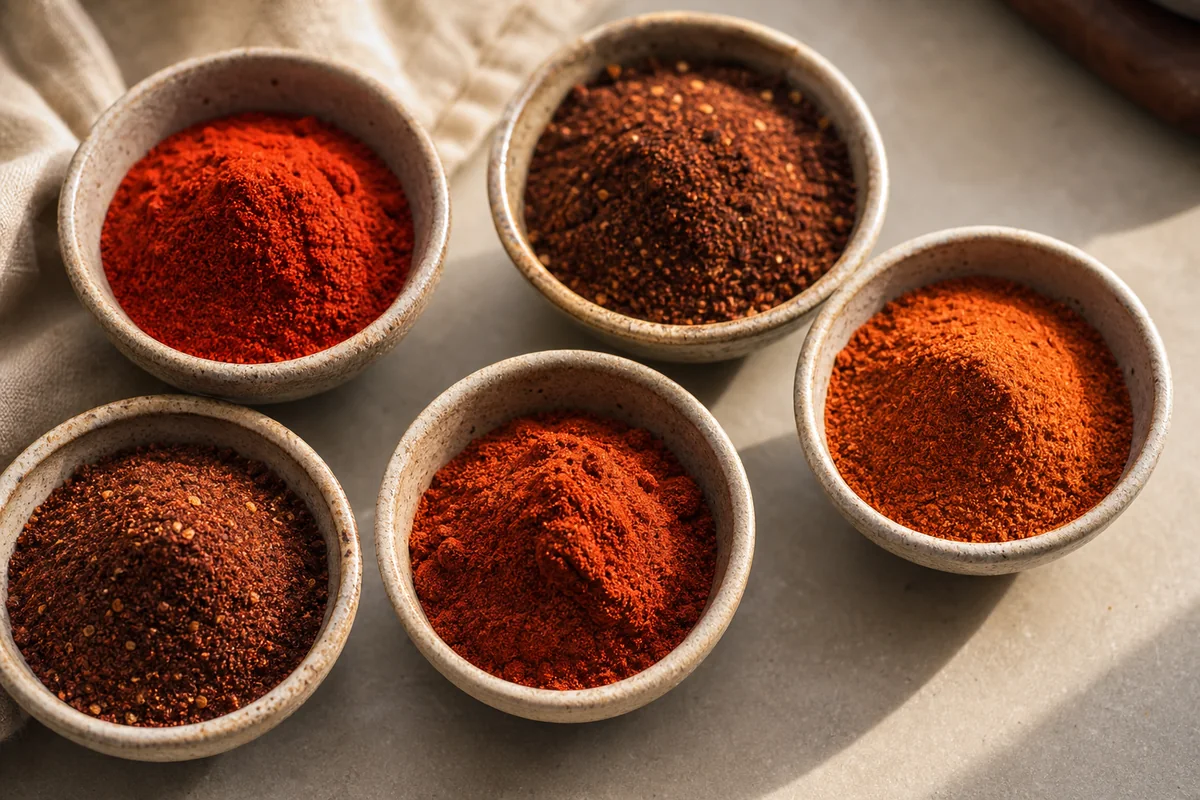
5 Best Smoked Paprika Substitutes You Can Trust
Ingredients
Equipment
Method
- Identify what smoked paprika is doing in your recipe: color + mild smoke (common), or spice layering (also common).
- Pick the substitute that matches your constraints: choose chipotle powder for smoke + punch, or paprika + liquid smoke for a closer “paprika-only” taste.
- Use the listed ratio as your starting point, then adjust after cooking if the substitute is too spicy or too salty.
- For salty options (like smoked salt), reduce added salt elsewhere so the final seasoning stays balanced.
- Taste at the end: add a tiny pinch more of the substitute for smoke, or thin the flavor with a neutral ingredient (like yogurt, broth, or oil) if it’s too intense.
Notes
- For the closest overall match, prioritize smoke over heat and start with the 1:1 swaps, then adjust.
- If your dish already contains salty or sweet elements, choose less-salty or less-sweet substitutes first.
Tried this recipe?
Let us know how it was!
Carrie is a food writer and editor with more than 15 years of experience. She has worked for some of the biggest names in the food industry, including Bon Appétit, Food & Wine, and Martha Stewart Living.
As the Editor in Chief of EpicureDelight, Carrie oversees all of the content on the site. She also manages the team of contributing writers and editors, who help to create delicious recipes, helpful tips, and informative articles that you’ll find on the site.
A native of the Chicago area, Carrie is passionate about all things food. She loves trying new restaurants and experimenting with new recipes in her kitchen. She’s also a graduate of the Culinary Institute of America, so she knows a thing or two about food!



