Eggs do a lot of quiet work inside a recipe. They bind, they trap air, they emulsify fat and water, and they help things set.
A vegan egg substitute that swaps in cleanly has to match the job, not just the quantity.
That's why one swap can't do everything. Aquafaba is great for lift and foam but weak as a binder.
Flax gel holds cookies together but won't give you a cloud-light crumb. Get the function right first, then pick the swap.
The best vegan egg substitute depends on what the egg does in your recipe. Use aquafaba for lift and emulsification, flax or chia gel for binding, silken tofu for custard-style texture, cornstarch slurry for thickening, and baking powder + vinegar for rise.
5 Best Vegan Egg Substitutes Ranked by Function
Each swap below is matched to a specific egg job. The table gives you the fast reference, and the sections below explain exactly how to use each one.
| # | Substitute | Best For | Ratio | Key Note |
|---|---|---|---|---|
| 1 | Aquafaba | Lift + Emulsify | 1:1 | Whip until foamy first |
| 2 | Flaxseed Gel | Binding | 1:1 | Rest 10 min before use |
| 3 | Chia Gel | Structure | 1:1 | Thicker than flax gel |
| 4 | Silken Tofu | Custards | 1:1 | Blend fully, no lumps |
| 5 | Cornstarch Slurry | Thickening | ¾:1 | Add mid-reduction only |
1. Aquafaba
Aquafaba is the liquid from a can of chickpeas, and it behaves surprisingly close to egg white. It has enough protein to hold air bubbles, which makes it the only vegan swap that genuinely foams.
For cakes, muffins, or anything needing a light crumb, whipping it first is what unlocks that function. If you want to know how dairy-free cream options pair with aquafaba in batter, that combination works especially well in vanilla layer cakes.
- How to use: Measure 3 tablespoons of aquafaba per egg; whip with a hand mixer until foamy and doubled in volume before folding into batter.
- Best in: Cakes, muffins, waffles, pancakes, and vegan meringue-style cookies.
- Resting tip: Chilled aquafaba whips better; refrigerate the can for 30 minutes before opening.
Skip if: your recipe needs a firm binder (brownies, dense cookies) without any airy or emulsifying component. Aquafaba alone won't hold a chewy crumb together.
2. Flaxseed Gel
Ground flaxseed mixed with water creates a gel that is earthy, slightly sticky, and genuinely good at holding batters together. It adds a mild nuttiness and a slightly denser chew, which most people find unnoticeable in chocolate or spiced bakes.
If you're already swapping seed-based binders for eggs, flax is the easier starting point since it's cheaper and more widely available.
- How to mix: Combine 1 tablespoon of ground flaxseed with 3 tablespoons of water; stir and rest for 10 minutes until gel-like and thick.
- Best in: Cookies, brownies, quick breads, veggie burgers, and energy bars.
- Flavor note: Dark flaxseed has a stronger taste; use golden flax in lighter or sweeter recipes.
Skip if: you're baking a very pale or delicate cake where small dark specks or a heavier crumb would be noticeable. In that case, chia or aquafaba is cleaner.
3. Chia Gel
Chia gel is thicker and more neutral in flavor than flax gel, which makes it useful when you need firm structure without adding much taste. It also retains moisture longer, which helps bakes stay tender for an extra day or two.
When this egg-free texture matters in something like a dense loaf or fruit-studded bar, chia holds up better than flax under wet ingredients.
Chia Gel vs Flax Gel
Works for: firm structure, moisture retention, neutral flavor, visible seeds acceptable
Skip if: batter must stay pourable, or seeds in the finished crumb are unwanted
- How to mix: Combine 1 tablespoon of whole chia seeds with 3 tablespoons of water; rest 15 minutes until pudding-thick.
- Best in: Dense muffins, banana bread, oat bars, veggie patties, and loaf cakes.
- Watch the thickness: If the gel sits too long, it over-sets; use it within 30 minutes of mixing.
Skip if: your recipe is pourable batter. Chia gel is heavy and will make thin batters (crêpes, waffles) gluey instead of light.
4. Silken Tofu, Blended Smooth
Silken tofu is the best substitute when egg is there to create a smooth, set texture: think cheesecakes, pumpkin pies, quiches, and cream-based desserts. It blends into a completely neutral base that holds its shape once baked.
Before adding it to any recipe, understanding smooth tofu's flavor profile helps you predict how it will behave in both sweet and savory contexts.
Blend it hard. Any graininess in the tofu will show up as a lumpy texture in the finished dish.
Use a blender rather than a food processor, and blend for at least 60 seconds until completely smooth.
- How to use: Blend ¼ cup of silken tofu per egg until completely smooth; add directly to batter or filling.
- Best in: Cheesecakes, custards, quiches, dense chocolate cakes, and cream pies.
- Storage tip: Check how long this soft block stays fresh once opened; opened tofu should be used within 3 days.
Skip if: your recipe requires a light, airy crumb. Tofu sets denser than aquafaba or leavening pairs and will weigh down delicate cakes.
5. Cornstarch Slurry
Cornstarch is a thickener, and that's the frame to use when reaching for it here. It replaces egg in sauces, lemon curds, pastry creams, and puddings where egg is present to set a liquid into a thick, spoonable texture.
It won't provide binding volume or any structural lift. For dishes where egg is doing double duty (both thickening and providing lift), picking a better leavening swap alongside the slurry gets better results.
- How to mix: Combine 1 tablespoon of cornstarch with 3 tablespoons of cold water; whisk until completely dissolved before adding to a warm liquid.
- When to add: Stir the slurry in during mid-reduction, not at the very end, so it has time to cook out the raw starch taste.
- Thickness control: Start with ¾ of the amount and add more in small increments. Over-adding creates a rubbery, gel-like texture.
- Best in: Lemon curd, pastry cream, puddings, and savory sauces that need to coat a spoon.
Skip if: your recipe relies on egg for binding volume or structure. Cornstarch thickens but won't hold a crumb or batter together.
6. Baking Powder + Vinegar
This pair replaces the lift that egg provides, nothing more. When baking powder meets an acid like apple cider vinegar, it releases CO2 bubbles, which push the crumb upward during baking.
It's the right choice when egg is in a recipe mainly to make things rise (think fluffy pancakes or light vanilla cake). For richer vegan protein swaps beyond baking, choosing a plant-based protein for savory dishes follows a similar function-first logic.
- How to use: Add 1 teaspoon of baking powder to dry ingredients and 1 teaspoon of apple cider vinegar to wet ingredients; combine just before baking.
- Avoiding vinegar flavor: White wine vinegar or lemon juice is milder; use those in pale batters where apple cider vinegar might add color or sharpness.
- Best in: Pancakes, light cakes, cupcakes, and quick breads where egg is mainly providing rise.
Skip if: your recipe also needs egg's binding function. You'll need to pair this combo with a flax or chia gel to get both lift and structure in the same bake.
Making Vegan Egg Substitutes Work
Most problems with vegan egg swaps come from misreading what the egg was doing. A runny batter usually means the gel didn't rest long enough, or you chose a light swap (aquafaba) where a thicker one (chia) was needed.
A dense crumb often means the leavening wasn't adjusted, because these shelf-stable egg alternatives don't always replicate the gas-producing chemistry of a whole egg. Use gels for structure and choose aquafaba or a leavening pair when airy lift is the main goal.
- Too runny: Add 1 teaspoon of extra chia or flax gel and let the batter rest 5 minutes before baking; the gel continues to thicken as it sits.
- Too dense: Check whether you used a binding swap where a leavening one was needed; add ½ teaspoon of baking powder to the next batch alongside your binder.
- Didn't set in the middle: Egg substitutes often set slower than whole eggs; lower the oven temperature by 10°F and extend bake time by 5-8 minutes, then cool fully before slicing.
Frequently Asked Questions
Yes, both work at a 1:1 ratio for binding. Mix 1 tablespoon of ground flax or whole chia seeds with 3 tablespoons of water, rest until gel-thick, and use in place of one egg.
Aquafaba or the baking powder and vinegar pair gives the best lift for light crumbs. Both create gas bubbles that push the batter upward during baking.
It will still add some moisture and emulsification, but you lose most of the lift. Whipping it to at least a foamy stage makes a measurable difference in rise and texture.
Use silken tofu for smooth, creamy results like custards or cheesecakes. Use flax gel when you need a chewier, drier binding structure in cookies or dense loaves.
Dense results usually mean you used a heavy binder where lift was also needed. Add a leavening element alongside your gel, and bake slightly lower and longer for a fully set crumb.
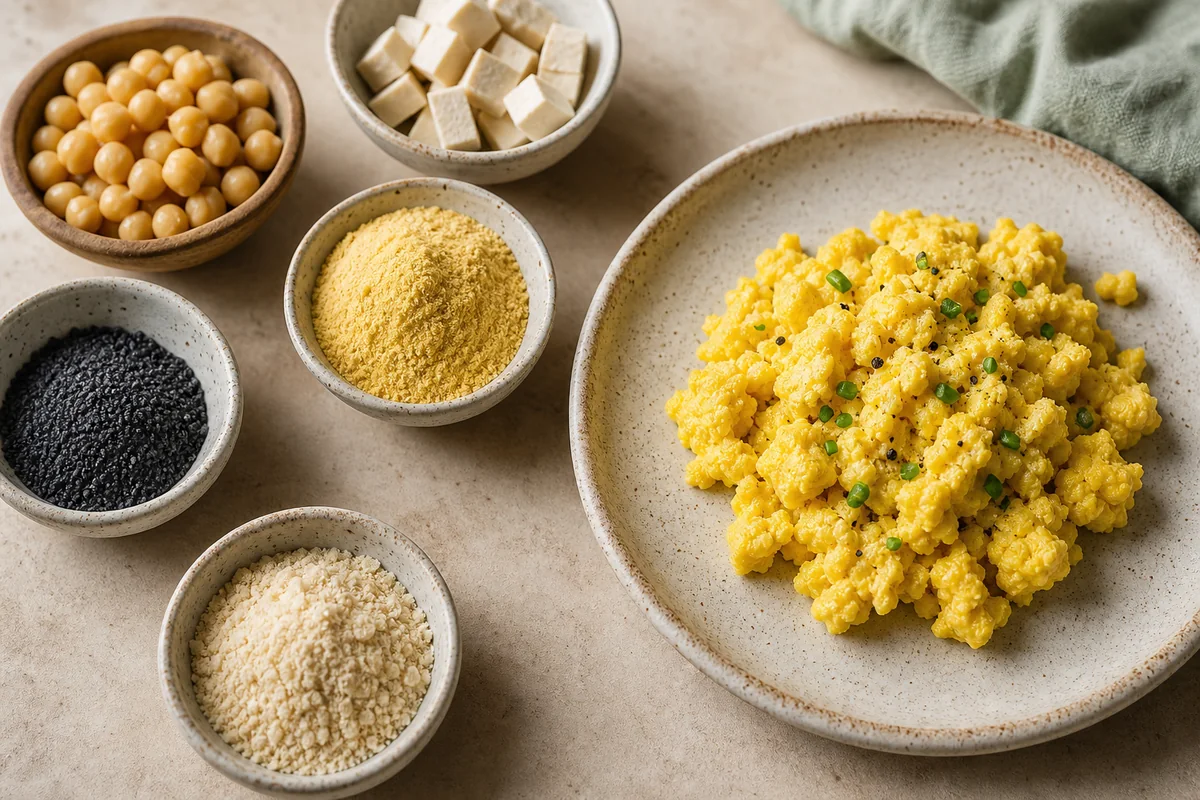
5 Best Vegan Egg Substitutes (Tested Swaps)
Ingredients
Equipment
Method
- Identify the egg’s job in your recipe: binding (gel/thickener), emulsifying (aquafaba), or lift (baking powder + vinegar).
- Choose the substitute with the closest texture goal: foamy for lift, gel-like for binding, or smooth for custards.
- Apply the swap using the ratio in the table above; for gels, mix and rest until thick before adding to batter.
- If the batter looks too thin, add a small amount of extra binder (more gel or a teaspoon of starch); if too thick, loosen with a splash of water/plant milk.
- Bake as directed and check doneness (egg substitutes can set slower in the middle); cool fully for best structure.
Notes
- For cookies and brownies, gels (flax/chia/tofu) usually perform best.
- For meringue-like lift, use aquafaba and whip thoroughly.
- For custards, blend tofu until completely smooth to avoid graininess.
Tried this recipe?
Let us know how it was!
Carrie is a food writer and editor with more than 15 years of experience. She has worked for some of the biggest names in the food industry, including Bon Appétit, Food & Wine, and Martha Stewart Living.
As the Editor in Chief of EpicureDelight, Carrie oversees all of the content on the site. She also manages the team of contributing writers and editors, who help to create delicious recipes, helpful tips, and informative articles that you’ll find on the site.
A native of the Chicago area, Carrie is passionate about all things food. She loves trying new restaurants and experimenting with new recipes in her kitchen. She’s also a graduate of the Culinary Institute of America, so she knows a thing or two about food!