
Barley flour has a particular personality: a mild nuttiness, a hint of earthiness, and just enough structure to give baked goods a slight chew without going heavy. It sits between all-purpose and whole wheat in behavior, which is exactly what makes it tricky to replace.
The wrong swap can flatten a loaf or leave a sauce tasting thin.
The good news is that most kitchens already stock something that can do the job. The key is matching the purpose first.
Thickening a stew calls for a different substitute than building a quick bread or a pancake batter.
A good barley flour substitute should match your recipe's goal: structure for baking, or thickening for sauces. Whole wheat flour is the closest 1:1 swap overall. Oat flour works well for tender batters. Buckwheat flour adds earthy depth. Use less of it to start.
5 Best Barley Flour Substitutes Ranked by Use
Use this table to find your swap fast, then read the H3 section below for the details that matter in your specific recipe.
| # | Substitute | Best For | Ratio | Key Note |
|---|---|---|---|---|
| 1 | Whole Wheat Flour | Both | 1:1 | Closest body and flavor |
| 2 | Buckwheat Flour | Baking | ¾:1 | Earthy, use less |
| 3 | Oat Flour | Both | 1:1 | Tender crumb, rest batter |
| 4 | Spelt Flour | Baking | 1:1 | Good rise, structured bakes |
| 5 | All-Purpose Flour | Both | 1:1 | Neutral flavor, easy swap |
1. Whole Wheat Flour
Whole wheat flour is the most reliable drop-in for barley flour. It shares a similar protein range and carries a mild nuttiness that gets close to barley's character, especially in quick breads and muffins.
If you want to understand how that earthy bite translates across recipes, it starts here.
- Ratio: Use 1:1 with no initial adjustment needed.
- Hydration: Reduce liquid by 1 teaspoon per cup if the dough feels tacky after mixing.
- Texture: Expect a slightly denser crumb than barley alone; this is normal and usually desirable in hearty bakes.
- Best uses: Quick breads, muffins, flatbreads, pancake batters, and cookie doughs.
Skip if: you need a light, open crumb, as whole wheat adds density. Also skip if you're making a grain-free or gluten-free recipe.
2. Buckwheat Flour
Buckwheat flour is the boldest option on this list. It brings a deep, earthy flavor that overlaps with barley's nuttiness but pushes further into almost roasted territory.
That can be a good thing in pancakes, waffles, or dense muffins, but it can easily overpower delicate cookies or mild-flavored bread.
- Ratio: Start at ¾ cup buckwheat for every 1 cup barley flour called for.
- Color: Buckwheat darkens batters noticeably; expect a gray-brown tone in lighter bakes.
- Liquid: Buckwheat absorbs moisture quickly; add liquid 1 teaspoon at a time if the batter tightens.
- Best uses: Pancakes, waffles, dense quick breads, and anything where a pronounced grain flavor fits.
Skip if: you need mild flavor or pale color. For thickening sauces, the darker color may not be welcome either.
3. Oat Flour
Oat flour is the tenderness option. It gives batters a soft, slightly moist crumb and handles thickening well in soups and gravies.
The catch is that it absorbs liquid fast. If you don't give it time, your batter can seem right in the bowl and turn out dry after baking.
Resting the mix for 5 to 10 minutes before baking is worth the wait.
Oat Flour vs Barley Flour
Works for: cookies, pancakes, muffins, light batters, and soup thickening
Skip if: you need a firm or chewy crumb, or if gluten cross-contact is a concern (check labeling)
You can make oat flour at home by blending rolled oats until fine. For recipes where choosing a heartier grain option matters, oat flour is a good middle ground between whole wheat and a true gluten-free flour.
- Ratio: 1:1 substitution works well as a starting point.
- Rest time: Always rest batter 5 to 10 minutes before baking so oat flour fully hydrates.
- Binding: In recipes with very low egg or fat content, add 1 tablespoon extra liquid to prevent a dry bake.
4. Spelt Flour
Spelt is the best choice when your recipe depends on structure. It has a mild, slightly sweet flavor that is closer to regular wheat than to barley, but it handles yeast doughs well and holds shape through baking better than most non-wheat options.
If you've been reading about this flour's gentle grain notes, the description holds up in practice.
- Ratio: 1:1, though some recipes need 1 to 2 teaspoons less water than barley calls for.
- Yeast recipes: Spelt rises better than barley flour alone, so it's the go-to for loaves and rolls.
- Handling: Don't overmix spelt dough; it can get gluey if worked too hard.
- Best uses: Bread, rolls, pizza dough, and structured muffins or scones.
Skip if: the recipe needs barley's specific fiber profile for a dense, malty crust. Also skip if mild sweetness feels wrong for your dish.
5. All-Purpose Flour
All-purpose flour is what you use when the goal is texture, not flavor. It swaps in at 1:1 and produces a lighter, softer result than barley.
The clean neutral character of this flour is actually useful in thickening applications where a barley-forward taste would compete with other flavors. In baking, though, you'll notice the nuttiness is gone.
To add some of that flavor back, try toasting 2 tablespoons of the all-purpose flour in a dry skillet before measuring. It won't replicate barley exactly, but it closes the gap.
A small pinch of wheat bran stirred into the batch can also restore some of the fiber texture barley provides.
Skip if: the recipe is specifically built around barley's nutty taste, such as a malted quick bread. Also skip if the recipe uses flour as the primary thickener and counts on barley's fiber to build body.
How to Make Barley Flour Substitutes Work
Swapping flours is straightforward when you treat the listed ratio as a starting point rather than a rule. Every kitchen variable, from humidity to how you measure, will affect the final consistency.
- Hydration first: Add liquid gradually after mixing. Start by reducing the original recipe's liquid by 2 teaspoons, then add back 1 teaspoon at a time until the texture looks right.
- Rest the batter: For oat flour, buckwheat, or any coarser swap, let the batter sit 5 to 10 minutes before baking. This prevents dry spots from underhydrated flour.
- Route by use: If you're thickening, rice flour or all-purpose are cleanest. If you're baking for structure, whole wheat or spelt. If flavor is the point, buckwheat. For everyday swapping in alternative grains, spelt is also one of the easiest to source.
If you want to understand what barley flour itself contributes before choosing a swap, that nutty grain quality is worth reading about. Knowing what you're replacing makes every ratio decision easier.
Frequently Asked Questions
Yes, for most baked goods. Whole wheat flour, oat flour, spelt flour, and all-purpose flour all work at a 1:1 ratio. Buckwheat is the exception; start at ¾ cup per cup of barley flour.
All-purpose flour or rice flour are the cleanest options. Both thicken at a 1:1 ratio without adding strong flavor to the sauce.
It won't go gummy if you rest the batter 5 to 10 minutes before baking. That rest time lets oat flour fully absorb moisture and prevents uneven texture.
Start by reducing the recipe's liquid by 2 teaspoons, then add back 1 teaspoon at a time. Buckwheat absorbs moisture fast and can tighten batter quickly.
Spelt flour is the strongest choice for yeast bread. It supports rise and holds structure well, making it more reliable than oat or buckwheat in doughs that need to proof.
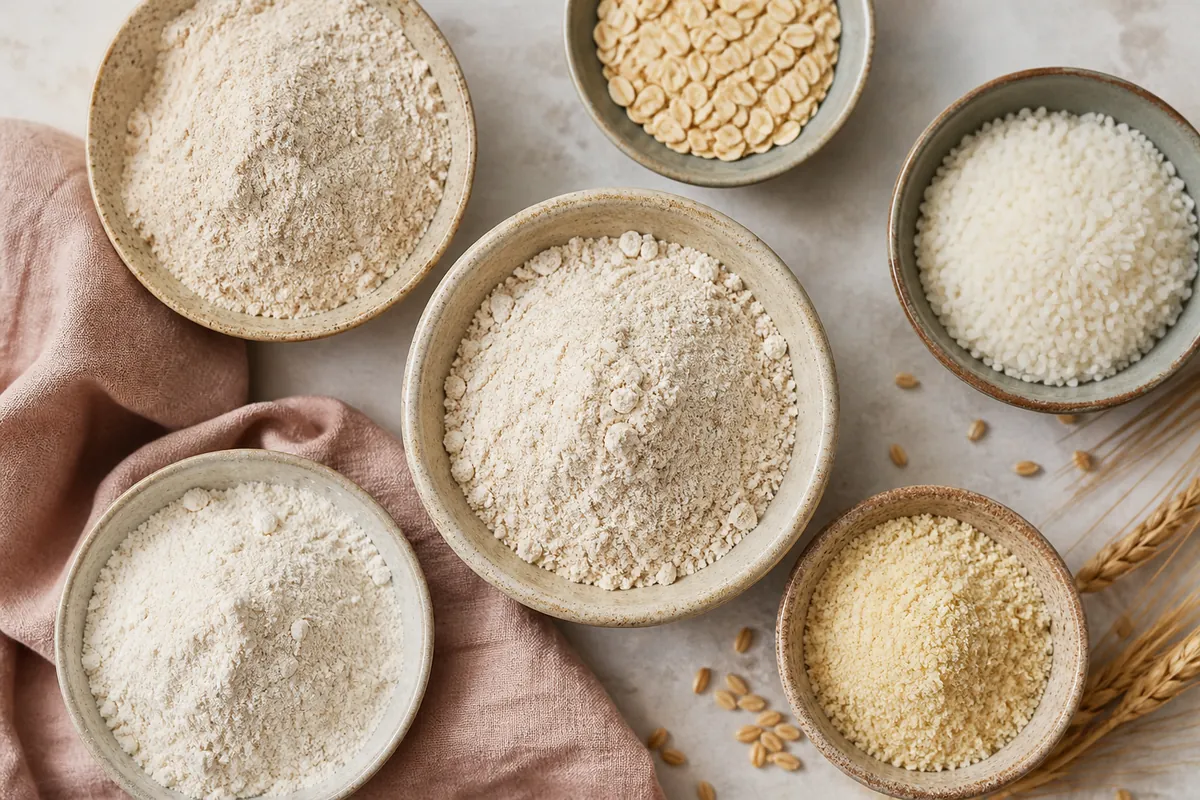
5 Best Barley Flour Substitutes (Tested Swaps)
Ingredients
Equipment
Method
- Identify your goal: baking structure vs thickening vs coating, then pick the closest item from the table.
- Measure using the listed ratio (treat it as a starting point, not a rule).
- Adjust for texture: if the batter/dough feels too stiff, add 1 teaspoon water at a time; if too loose, add 1 tablespoon flour.
- For strong earthy-flavor swaps (like buckwheat), consider reducing by the ratio shown and then tasting/adjusting.
- Let the mixture rest 5–10 minutes (especially for oat or buckwheat flour) so hydration catches up before you bake or thicken.
Notes
- Barley flour behaves differently by grind and brand; hydration and crumb may shift slightly.
- If your recipe is yeast-based, prioritize spelt or whole wheat for better structure.
Tried this recipe?
Let us know how it was!
Carrie is a food writer and editor with more than 15 years of experience. She has worked for some of the biggest names in the food industry, including Bon Appétit, Food & Wine, and Martha Stewart Living.
As the Editor in Chief of EpicureDelight, Carrie oversees all of the content on the site. She also manages the team of contributing writers and editors, who help to create delicious recipes, helpful tips, and informative articles that you’ll find on the site.
A native of the Chicago area, Carrie is passionate about all things food. She loves trying new restaurants and experimenting with new recipes in her kitchen. She’s also a graduate of the Culinary Institute of America, so she knows a thing or two about food!



