
Chapati dough has a specific feel in your hands: soft, slightly tacky, pliable enough to roll paper-thin without cracking. That feel comes mostly from the flour.
When chapati flour runs out, the wrong swap can leave you with dough that tears, sticks, or feels like clay. The right chapati flour substitute keeps that rollability intact.
The best choice depends on what you're after. Chew and wheat flavor point you toward whole-grain options.
Softness with less graininess points somewhere else. Emergency pantry swaps exist too, though they need a little more attention during kneading.
Whole wheat flour (atta-style) is the closest match for chapati flour, offering the same chew and rollability at a 1:1 ratio. Whole wheat pastry flour gives a softer result. Blended options like all-purpose plus bran, fine semolina, or a rice-wheat mix work well as backup swaps with minor hydration changes.
Best Chapati Flour Replacements (Quick Swap Table)
Every substitute below has a different protein level or absorption rate, so ratios matter. This table gives you the starting point before you knead a single gram.
| # | Substitute | Best For | Ratio | Key Note |
|---|---|---|---|---|
| 1 | Whole Wheat Flour (Atta-Style) | Both | 1:1 | Closest chew and flavor |
| 2 | Whole Wheat Pastry Flour | Both | 1:1 | Softer, lighter texture |
| 3 | All-Purpose + Wheat Bran Blend | Both | ¾:1 | Adds wheatiness, some bite |
| 4 | Fine Durum Semolina | Baking | ¾:1 | Grainier; needs more water |
| 5 | Rice Flour + Wheat Flour Blend | Both | 1:1 | Softer, less elastic dough |
5 Chapati Flour Swaps Ranked by Dough Feel
1. Whole Wheat Flour (Atta-Style)
Whole wheat flour milled to a fine texture is the most direct replacement. It has almost identical protein content and absorbs water at roughly the same rate as chapati flour, so your dough feel barely changes.
For anyone familiar with whole wheat flour flavor notes, atta-style is on the milder, less bitter end of that spectrum. The dough should feel smooth and slightly tacky after 8 minutes of kneading.
Whole Wheat Flour (Atta-Style)
Works for: everyday chapati, thin roti, dough that needs to roll without tearing
Skip if: you need a very soft chapati with minimal graininess or a finer crumb
- Ratio: Use 1:1 with no initial water change.
- Dough check: After kneading, press a finger in. It should spring back halfway, not feel stiff.
- Rest time: 15-20 minutes under a damp cloth improves pliability noticeably.
- Rolling tip: Dust lightly. Over-flouring makes edges crack on the tawa.
2. Whole Wheat Pastry Flour
Whole wheat pastry flour is milled from softer wheat, which means less protein and a gentler gluten structure. The dough is noticeably easier to roll and the finished chapati tears at the table rather than the rolling pin.
It is still wheat-forward, so the flavor stays familiar. If you are picking a softer wheat option, this one gives you tenderness without abandoning the wheat taste entirely.
- Ratio: 1:1, same as chapati flour.
- Water: Start with 2 teaspoon less water per cup of flour. The lower protein absorbs a bit less.
- Dough feel: Softer and slightly silkier than atta. It won't feel exactly the same, but it rolls cleanly.
- Rolling tip: Use a lighter hand. This dough is more forgiving but can stretch unevenly if you press too hard at the edges.
Skip if: you want the thin, slightly crispy edge that firmer atta gives. Pastry flour produces a softer, floppier result after the tawa.
3. All-Purpose Flour + Wheat Bran
Most bags of all-purpose flour are sitting in a pantry right now. The problem is that this neutral-tasting flour on its own makes chapati that feels almost too smooth.
Adding wheat bran fixes the wheatiness and puts some bite back in the dough.
- Ratio: Use ¾ of the blended mix for every 1 part chapati flour called for.
- Water: Add 1 teaspoon extra water at the start. Bran absorbs slightly more liquid than plain flour.
- Dough check: The mix feels slightly rougher than atta. That is normal. It smooths out after 5 minutes of kneading.
- Texture result: Slightly speckled chapati with a chewier bite than all-purpose alone.
Skip if: you don't have wheat bran on hand, or you want a fully smooth, pale dough with no speckle. For swapping bran itself, oat bran works in a pinch at the same ratio.
4. Fine Durum Semolina
Fine semolina is coarser than chapati flour, and that difference shows up immediately when you knead. The dough is grittier and takes more water to come together.
But once it does, it rolls without cracking and produces chapati with a slightly crisped edge.
- Ratio: Start at ¾ semolina for every 1 part chapati flour. Don't go 1:1 or the dough may feel too stiff.
- Water: Add 1-2 teaspoon more water than usual per cup. Semolina is thirsty.
- Rest time: Rest at least 20 minutes. Semolina hydrates slowly and the dough becomes more pliable after sitting.
- Dough feel check: After resting, it should feel smooth and not gritty when pinched. Still gritty means more rest or a splash of water.
For anyone who wants to go further with this grain, choosing a fine semolina alternative opens a few more options worth knowing. Skip if: you want a tender, smooth chapati. Semolina adds noticeable grain and crisp edges that not everyone wants.
5. Rice Flour + Wheat Flour Blend
Rice flour alone makes chapati dough brittle. It has no gluten to hold the stretch, so a rolled disc cracks at the edges before it ever reaches the pan.
The fix is keeping wheat flour as the majority share. That way, the rice brings softness and the wheat holds structure.
| Use | Ratio | Notes |
|---|---|---|
| Soft chapati | 1 part rice + 3 parts wheat | Tender crumb; rolls easily |
| Extra-soft chapati | 1 part rice + 2 parts wheat | Very pliable; watch for slight fragility at edges |
| Gluten-forward | 1 part rice + 4 parts wheat | Closest to atta feel; rice adds subtle softness only |
When swapping in rice flour for any flatbread dough, remember that it lightens color as well as texture. Your chapati may look slightly paler and cook a few seconds faster.
Understanding rice flour's mild flavor profile helps here too, since it won't compete with the wheat.
Skip if: you want gluten-free chapati. This blend still relies on wheat gluten for rollability. Without it, the dough won't hold together under a rolling pin.
Making Any Chapati Flour Substitute Work
The biggest variable with any swap is water. Different flours absorb at different rates, and a dough that feels right in the bowl can feel stiff and cracked on the board two minutes later.
Start with slightly less water than you think you need, then add teaspoon by teaspoon. If you've been reading about whole-grain flour options in general, you'll know this rule applies across the board.
- Hydration: Add water 1 teaspoon at a time until the dough stops cracking. Stop before it gets sticky enough to cling to the board.
- Rest time: Cover and rest for at least 15 minutes. Every substitute benefits from this, and semolina needs closer to 25 minutes.
- Test roll method: Pinch off a small ball, roll it to about 3mm thickness. If edges crack, add water. If it sticks and tears, dust lightly and rest another 5 minutes before rolling the batch.
Frequently Asked Questions
Fine-milled whole wheat flour (atta-style) is the closest match. It has similar protein content and absorbs water at nearly the same rate, so dough feel and rollability stay consistent.
You can, but the result is smoother and less wheaty than traditional chapati. Adding 2-3 tablespoon of wheat bran per cup of all-purpose flour brings the texture and flavor closer.
Cracking usually means the dough is too dry or hasn't rested long enough. Add water 1 teaspoon at a time and rest the dough for an extra 10 minutes before rolling again.
Rest the dough uncovered for 5 minutes, then dust lightly with flour before kneading again. Avoid adding large amounts of flour at once or the dough will tighten unevenly.
Semolina needs the longest rest, around 20-25 minutes, because it hydrates slowly. Whole wheat needs 15-20 minutes. Both improve significantly in pliability after resting.
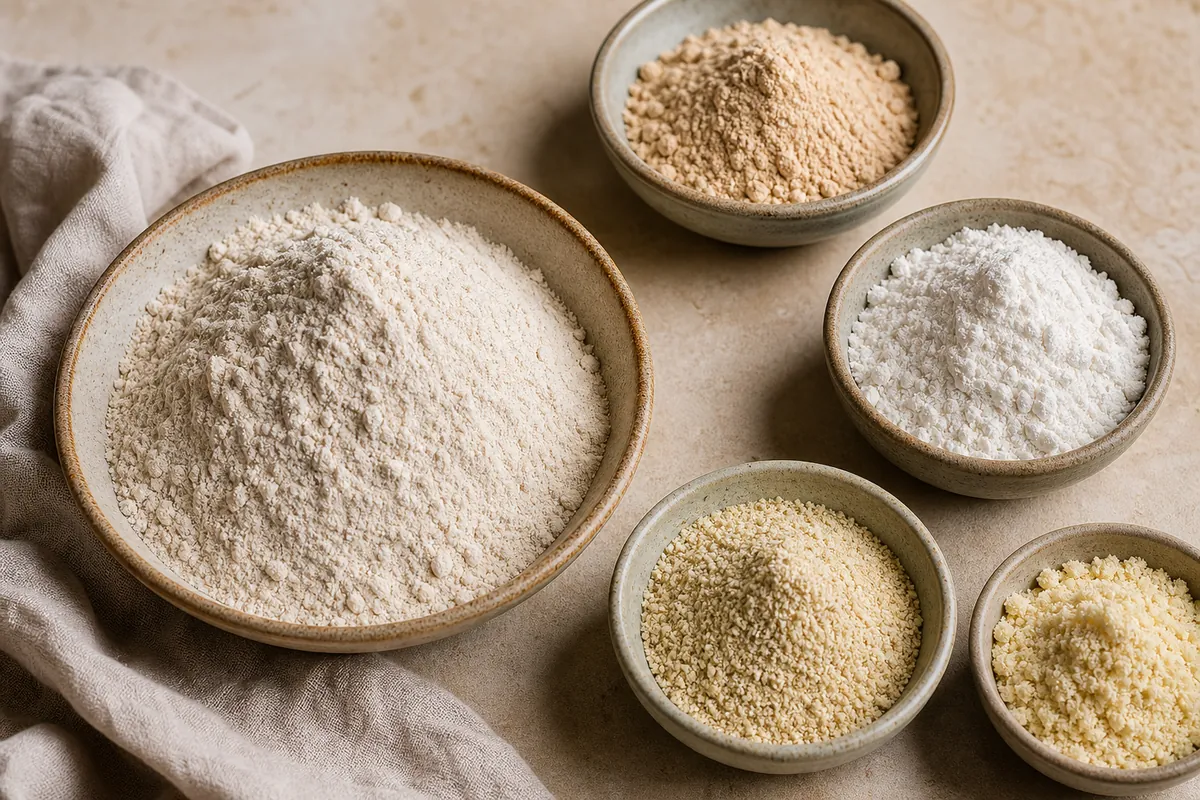
5 Best Chapati Flour Substitutes That Taste Right
Ingredients
Equipment
Method
- Pick a substitute based on the chapati texture you want: closest chew (whole wheat/atta-style) vs. softer roll (pastry/soft whole wheat) vs. quick emergency swaps (semolina or blended flours).
- Use the table ratio for your starting amount of chapati flour.
- Mix dough and check feel: if it cracks while rolling, add 1–2 teaspoon water per batch; if it feels sticky, rest 10 minutes and dust lightly with flour.
- Knead briefly until smooth, then do a small test roll; adjust with a spoon of water (too dry) or a spoon of flour (too wet) before cooking the rest.
Notes
- Hydration matters most for rollability: whole wheat absorbs differently than all-purpose or semolina.
- For best results, rest the dough 10–20 minutes before rolling.
Tried this recipe?
Let us know how it was!
Carrie is a food writer and editor with more than 15 years of experience. She has worked for some of the biggest names in the food industry, including Bon Appétit, Food & Wine, and Martha Stewart Living.
As the Editor in Chief of EpicureDelight, Carrie oversees all of the content on the site. She also manages the team of contributing writers and editors, who help to create delicious recipes, helpful tips, and informative articles that you’ll find on the site.
A native of the Chicago area, Carrie is passionate about all things food. She loves trying new restaurants and experimenting with new recipes in her kitchen. She’s also a graduate of the Culinary Institute of America, so she knows a thing or two about food!



