
Graham flour has a distinctive quality that most bakers only notice once it's gone: a coarse, slightly toasty whole-wheat character that sits somewhere between bread flour and cracker crumbs. Finding a solid graham flour substitute isn't complicated, but you do need to match the right texture for your recipe type.
Crusts need bite. Cookies and muffins want something more forgiving.
Graham flour brings a coarse whole-wheat texture and a mild, toasty sweetness to baked goods. The best swaps are coarse whole wheat flour (closest 1:1), whole wheat pastry flour (for tender results), and finely pulsed graham cracker crumbs (for crusts). Match texture first, flavor second.
Graham flour is a whole-wheat flour milled to keep more of the bran and germ intact, and its coarser grind is what sets it apart from fine whole-wheat. The list below is sorted by texture match, starting with the options closest to that coarse, hearty bite.
5 Best Graham Flour Substitutes Ranked by Texture Match
Texture is the deciding factor here, not just flavor. A fine flour might taste similar but will bake up completely differently in a crust or a chewy cookie.
Use this table for a fast reference, then read the per-option guidance below.
| # | Substitute | Best For | Ratio | Key Note |
|---|---|---|---|---|
| 1 | Whole Wheat Flour (coarse) | Both | 1:1 | Closest texture match |
| 2 | Whole Wheat Pastry Flour | Baking | 1:1 | Softer, more tender crumb |
| 3 | Graham Cracker Crumbs | Crusts | 1:1 | Adds mild sweetness |
| 4 | Sifted Whole Wheat Flour | Baking | 1:1 | Less gritty, still wheaty |
| 5 | AP Flour + Wheat Germ | Cookies/Muffins | ¾:1 | Emergency option only |
1. Whole Wheat Flour (Coarse Grind)
This is the default swap, and it earns that spot. Coarse whole wheat flour shares graham flour's bran-forward texture and toasty flavor almost exactly, especially when your bag hasn't been sitting open long enough to lose moisture.
The one thing to check: the grind. If your whole wheat feels powdery between your fingers, it's on the finer side and will produce a softer result than graham flour typically gives.
You can read more about whole-wheat flavor differences to calibrate your expectations before you bake.
- Best for: Graham-style pie crusts, whole-wheat cookies, hearty muffins
- Texture result: Slightly coarser crumb with a mild, nutty chew-very close to graham flour
- Adjustment tip: If your flour is finer than ideal, skip sifting and use as-is; it will still be closer than any other substitute
Skip if: your recipe needs a genuinely tender, low-chew crumb (pastry-style cakes or delicate cookies), because even standard whole wheat can feel too hearty there.
2. Whole Wheat Pastry Flour
Whole wheat pastry flour uses the same grain but is milled finer and from a softer wheat variety. The result is a more tender crumb that still carries the mild whole-wheat flavor.
It works especially well in cookies and muffins where you want a bit of wheat character but not the chew of a coarser grind.
- Best recipe roles: Soft cookies, banana bread, muffins, pancakes
- Crumb feel: Noticeably softer and less chewy than graham flour-closer to a fine whole-wheat result
- Want more graham bite? Blend 3 parts pastry flour with 1 part coarse bran or wheat germ to add some texture back
If you ever run short of this flour too, softer flour options are worth knowing. Skip if: you're making a graham-style crust or any recipe that relies on a noticeable coarse texture-pastry flour reads too smooth for that.
3. Graham Cracker Crumbs
Pulsed graham crackers are the sneaky obvious answer for crust recipes. They carry the same mild sweetness and toasty whole-wheat flavor as graham flour because they're made from it.
The key is pulse size: you want fine but not powder.
- Pulse target: Aim for crumbs about the size of coarse sand-not dust, not chunks
- Ratio in crusts: Use 1:1 by volume; crumbs bind with butter and sugar the same way graham flour-based crusts do
- Moisture tip: Crumbs absorb butter slightly faster than raw flour, so start with 1 tablespoon less melted butter and add more if the mixture looks dry
Wondering how cracker flavor compares to flour? The crumbs are a touch sweeter because of the added sugar in the crackers.
If you're already using a sweet filling, reduce any added sugar in your crust by about 1 tsp.
Skip if: you need a neutral flour base for a bread-like dough or thickened batter-crumbs add sweetness and bind differently from raw flour.
4. Finely Ground Whole Wheat Flour (Sifted)
One sift through a fine-mesh sieve removes the largest bran flakes and gives you a lighter, less gritty result that still tastes like whole wheat. This is the move when your recipe needs a cleaner crumb but you only have standard whole wheat on hand.
Coarse Whole Wheat (Unsifted)
Works for: Chewy cookies, hearty crusts, graham-style biscuits
Skip if: Recipe needs a smooth, tight crumb without visible bran specks
Sifted Whole Wheat (Once Through)
Works for: Tender muffins, layer cakes with whole-wheat notes, pancakes
Skip if: You actually want the coarse graham-like bite-sifting removes the grit that creates it
- When to choose it: Muffins, quick breads, and pancakes where a smoother crumb is the goal
- Quick texture test: Rub a pinch between two fingers-sifted flour should feel closer to all-purpose than to sand
- Sift level: One light pass is enough; a thorough double-sift removes too much bran and the flour starts behaving like AP flour
Skip if: the recipe depends on graham flour's coarse bite-this swap is deliberately smoother, so it won't deliver that chew.
5. All-Purpose Flour + Wheat Germ
This is the emergency option. When there's no whole wheat of any kind in the pantry, combining all-purpose flour with wheat germ gets you closer to graham flour's flavor and body than plain AP flour alone.
| Use | Ratio | Notes |
|---|---|---|
| Cookies / Muffins | ¾ cup AP + ¼ cup wheat germ per 1 cup graham flour | Wheat germ adds nuttiness and slight chew |
| Quick breads | ¾ cup AP + 2 tablespoon wheat germ per 1 cup graham flour | Use less germ to avoid a dense loaf |
If you're unsure about picking the right wheat germ option, toasted wheat germ is generally the better choice here-it adds more flavor than raw.
- Avoid blandness: Add a pinch of salt and a small amount of whole-wheat flour if even a small bag is available
- Best recipe roles: Soft cookies and muffins where texture is flexible
- Dry crumb fix: If the bake feels dry, reduce oven time by 2-3 minutes or add 1 tablespoon more fat next time
Skip if: you're making a graham-style crust that needs coarse texture and bite-this combination won't replicate that, and the crust may crumble unevenly.
Making Graham Flour Substitutes Work (Fast Texture Checks)
Getting the substitute right is mostly about one decision made before the batter comes together: coarse or fine. Once you settle that, a quick consistency check and a short bake test handle the rest.
If you want to understand what you're working toward, reading up on the toasty grain notes in graham flour helps you judge whether your swap is landing close. And if you've gone the whole-wheat route and want to explore further, choosing a whole-wheat alternative covers the wider picture.
- Step 1 - Pick your texture: Coarse whole wheat for crusts and chewy cookies; pastry flour or sifted whole wheat for tender muffins and quick breads
- Step 2 - Check consistency: After mixing, the dough or batter should feel like it normally would; if it's too stiff, add liquid 1 teaspoon at a time, or sift the substitute once to loosen it
- Step 3 - Bake and taste: Check bite and sweetness at the standard bake time; if the crumb is gritty, sift next time; if it's too sweet, reduce sugar by 1-2 teaspoon in subsequent batches
Frequently Asked Questions
Coarse whole wheat flour is the best option-use it 1:1. Finely pulsed graham cracker crumbs also work well for crusts and carry the mild sweetness you'd expect from graham flour.
Yes, at a 1:1 ratio. Expect a noticeably softer, more tender crumb-pastry flour is finer and lower in protein, so the result will be less chewy than graham flour produces.
Crumbs are sweeter and bind differently-they work well in crusts but won't replace graham flour in doughs or batters that need a neutral flour base.
Sifting removes large bran pieces, which reduces the coarse bite graham flour is known for. The flavor stays similar, but the crumb will be smoother and less textured.
Graham cracker crumbs are the usual culprit. Reduce added sugar in the recipe by 1-2 teaspoon and taste the batter before baking to adjust further.
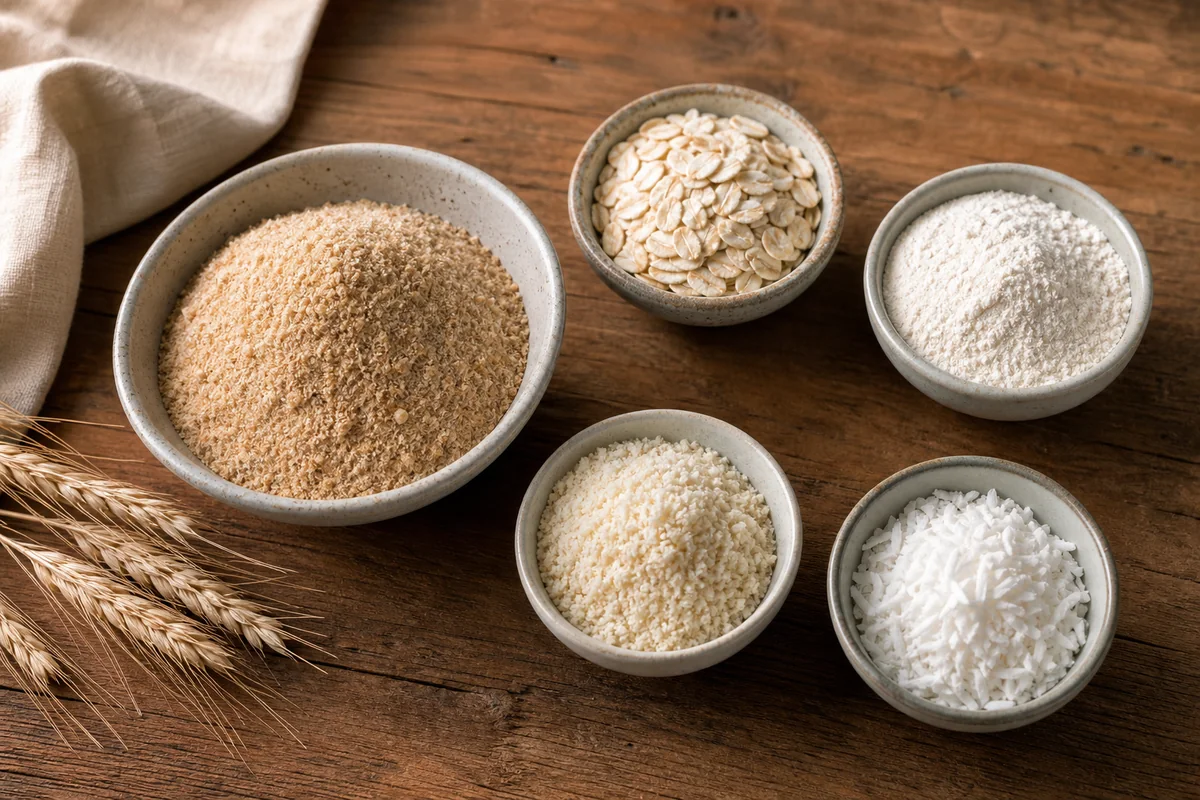
5 Best Graham Flour Substitutes (Honest Picks)
Ingredients
Equipment
Method
- Identify the recipe role for graham flour (crust/base, cookies, muffins, or thickener).
- Choose the closest texture: coarse whole wheat for graham-like bite; pastry flour for a softer crumb; cracker crumbs for crusts/toppings.
- Use the listed ratio (1:1 for wheat-based swaps; use the AP + wheat boost ratio only if needed).
- Adjust texture before mixing: sift fine swaps once, or pulse cracker crumbs briefly so they behave like flour.
- Bake and check: if the crumb feels gritty, use a finer/sifted whole wheat next time; if it’s too tender, switch back to coarser whole wheat.
Notes
- Graham flour is essentially whole wheat with a coarser grind and a slightly sweet, toasted-leaning flavor profile.
- Texture matters most: coarse crumbs mimic the mouthfeel; finer flour mimics tenderness.
Tried this recipe?
Let us know how it was!
Carrie is a food writer and editor with more than 15 years of experience. She has worked for some of the biggest names in the food industry, including Bon Appétit, Food & Wine, and Martha Stewart Living.
As the Editor in Chief of EpicureDelight, Carrie oversees all of the content on the site. She also manages the team of contributing writers and editors, who help to create delicious recipes, helpful tips, and informative articles that you’ll find on the site.
A native of the Chicago area, Carrie is passionate about all things food. She loves trying new restaurants and experimenting with new recipes in her kitchen. She’s also a graduate of the Culinary Institute of America, so she knows a thing or two about food!



