
Maida gives dough that distinct smooth, almost silky feel-it shapes without fighting back, fries without going gritty, and bakes into layers that stay tender. That texture comes down to two things: fine milling and low protein.
Pick the right maida flour substitute and you keep both qualities. Pick the wrong one and you get dough that feels leathery or coatings that turn oddly thick.
Protein is the main lever here. Maida sits at roughly 8-9% protein, lower than standard all-purpose flour.
Higher-protein flours can make dough feel chewier unless you adjust water and resting time.
The list below gives five practical swaps with exact ratios and hydration notes. If you only need a thickener and don't care about dough texture at all, skip flour entirely and use a cornstarch slurry instead.
Maida is a finely milled, lower-protein wheat flour. The closest swaps are all-purpose flour (1:1) and wheat pastry flour (1:1). For softer texture, use cake flour at ⅞ of the amount. A ¾ all-purpose + ¼ cornstarch blend mimics maida's tender feel. For gluten-free needs, try rice flour + tapioca starch at a 1:1 blend ratio.
5 Maida Flour Alternatives That Keep Dough Tender
Here is a quick map of all five swaps before you choose. Match your recipe type to the ratio column and check the key note before measuring.
| # | Substitute | Best For | Ratio | Key Note |
|---|---|---|---|---|
| 1 | All-purpose flour | Both | 1:1 | Add water if dough tightens |
| 2 | Wheat pastry flour | Baking | 1:1 | Lower protein, tender result |
| 3 | Cake flour | Baking | ⅞:1 | Don't overmix the dough |
| 4 | AP flour + cornstarch | Both | ¾ + ¼ | Crisp fry, soft bake |
| 5 | Rice flour + tapioca starch | Both | 1:1 blend | Rest dough before shaping |
1. All-Purpose Flour
All-purpose flour is the easiest swap and the one most cooks already have. It works at a 1:1 ratio and behaves predictably in both frying batters and shaped doughs.
The one catch is protein. AP flour typically runs 10-12%, which is a step above maida.
That difference can make dough feel slightly firmer. If you notice the dough resisting when you roll it, add water 1 teaspoon at a time, then rest the dough for 5 minutes before continuing.
That short rest lets gluten relax and the dough will smooth out. You can read about plain flour flavor differences if you want a closer look at how it compares in taste.
- For frying: Use 1:1 with a slightly looser batter than you'd normally mix; AP flour absorbs liquid faster than maida.
- For flatbreads: Rest dough covered for at least 10 minutes after kneading to soften gluten.
- For coatings: Works well as-is; coating crispness is similar to maida when fried hot.
Skip if: You need an extremely delicate, cake-like crumb and you have cake flour sitting in the pantry.
2. Wheat Pastry Flour
Wheat pastry flour sits closer to maida's protein range than standard all-purpose, usually around 8-9%. That makes it the best texture match for doughs where tenderness matters most.
It handles soft wheat-based doughs well and keeps flatbreads pliable without going sticky. Use it at 1:1 and you rarely need to adjust hydration.
The dough feels similar to maida dough right from the start.
- For parathas and rotis: Swap 1:1 with no changes; dough softness is nearly identical to maida.
- For pastry shells: Dust lightly if sticky; avoid adding extra liquid or the pastry will shrink.
- For tender baked goods: Works for cookies and soft cakes where a delicate crumb is the goal.
Skip if: Your recipe needs a blistery, crisp crust. A higher-protein flour gives better structure there.
3. Cake Flour
Cake flour is finer and softer than maida. Because it is so low in protein, using a full 1:1 swap can leave dough fragile and prone to tearing.
The fix is simple: use ⅞ of the amount the recipe calls for.
For example, if a recipe needs 1 cup of maida, measure out 7 tablespoons of cake flour instead of a full 8. That small reduction keeps the dough from becoming crumbly.
Avoid overmixing too. Cake flour builds structure quickly, and beating it too long can tighten the texture in a way that feels tough rather than tender.
If you are curious how it stacks up against other fine-milled options, the fine flour comparison is worth a look before choosing.
- For soft cakes and biscuits: The reduced ratio gives a crumb that stays light without falling apart.
- For fried doughs: Batter coatings work, but keep the batter cold so it doesn't spread before setting.
Skip if: You need dough that holds up to heavy rolling or deep shaping without tearing at the edges.
4. All-Purpose Flour + Cornstarch
When pastry flour or cake flour is not around, this blend is the next best option. Mix ¾ cup all-purpose flour with ¼ cup cornstarch to replace 1 cup of maida.
The cornstarch dilutes the protein content and softens the overall feel of the dough or batter.
Cornstarch adds no flavor. What it does is change how the coating or dough behaves under heat.
Fried batters made with this blend come out crisper and lighter than plain AP flour, which is closer to what this finely milled flour produces. If you're frying, keep the batter slightly loose and rest it 5 minutes before dipping.
Without Cornstarch (Plain AP Flour)
Works for: Quick swaps, bread doughs, flatbreads, most baked goods
Skip if: You want a lighter fried coating or a softer, more delicate crumb
With Cornstarch Blend (¾ AP + ¼ Starch)
Works for: Fried batters, soft dumplings, layered pastries, tender biscuits
Skip if: Your recipe is fully gluten-free (the AP flour still contains gluten)
- For fried coatings: The starch blend produces a crispier crust with less greasiness than plain AP flour.
- For flatbreads: Dough is slightly more delicate; handle gently and don't overwork it.
- For dumpling wrappers: Rest dough 8-10 minutes after mixing so the starch fully absorbs the water.
Skip if: Your recipe needs a fully gluten-free flour-use the rice and tapioca option below instead.
5. Rice Flour + Tapioca Starch
This blend is the go-to when gluten is off the table. Combine rice flour and tapioca starch at a 1:1 ratio to replace maida.
Rice flour provides body and a neutral flavor. Tapioca starch adds stretch and helps the dough hold together without gluten.
The dough behaves more delicately than maida dough. It can crack if worked too aggressively or shaped too fast.
Rest the dough for at least 10 minutes before rolling or shaping so the tapioca fully hydrates. If cracks appear at the edges, work in a teaspoon of water at a time and knead gently until the dough smooths out.
You can find broader wheat-free flour picks if this dough style is something you use often.
| Use | Ratio | Notes |
|---|---|---|
| Fried coating | 1:1 blend | Keep batter cold; fry in small batches for even crispness |
| Flatbread dough | 1:1 blend | Rest 10 min; roll gently between parchment to prevent sticking |
| Dumpling wrappers | 1:1 blend | Add warm water; don't overwork or wrappers will crack |
- For frying: Cold batter holds together better; don't let it sit at room temperature before frying.
- For shaping: Work with smaller portions of dough at a time to avoid cracking at the edges.
- For binding: If the dough still crumbles, add a teaspoon of psyllium husk to help it hold.
Skip if: You need a chewy, elastic dough. Gluten-free swaps don't replicate true gluten structure.
Making Any Maida Substitute Work in Real Recipes
The two variables that matter most are protein level and hydration. A lower-protein flour like pastry or cake flour needs less water than AP flour does.
A starch blend absorbs moisture differently than pure wheat flour. If you match the protein first and adjust water second, most substitutes land close to the original texture.
The plain vs all-purpose breakdown is useful if you are unsure which wheat option you are actually working with. When converting any flour, also keep an eye on how long you store your flour supply, since older flour absorbs water less predictably.
- Test small first: Fry or bake a single piece before committing the full batch; adjust flour or water by 1 tablespoon at a time.
- Weigh when possible: Volume measurements vary by flour type; grams keep your ratio accurate across swaps.
- For frying specifically: Keep batter slightly cooler than you think is right; cold batter clings better and produces an even crust with any flour blend.
Skip this section if: Your recipe uses a pre-made dry mix where the flour type is already fixed by the manufacturer.
Frequently Asked Questions
Yes, use it at a 1:1 ratio. Keep the batter slightly looser than usual and rest it 5 minutes before frying to reduce toughness from the higher protein.
Use ⅞ of the amount your recipe calls for. Cake flour is finer than maida, so a full 1:1 swap can make dough too soft and fragile.
Very closely. Wheat pastry flour has a similar protein level to maida, so dough texture and handling feel nearly identical at a 1:1 swap.
Combine ¾ cup all-purpose flour with ¼ cup cornstarch to replace 1 cup of maida. The starch lowers the effective protein and softens the final texture.
It is the best gluten-free option available. Blend them at 1:1 and rest dough for 10 minutes so the tapioca hydrates and the dough holds together without cracking.
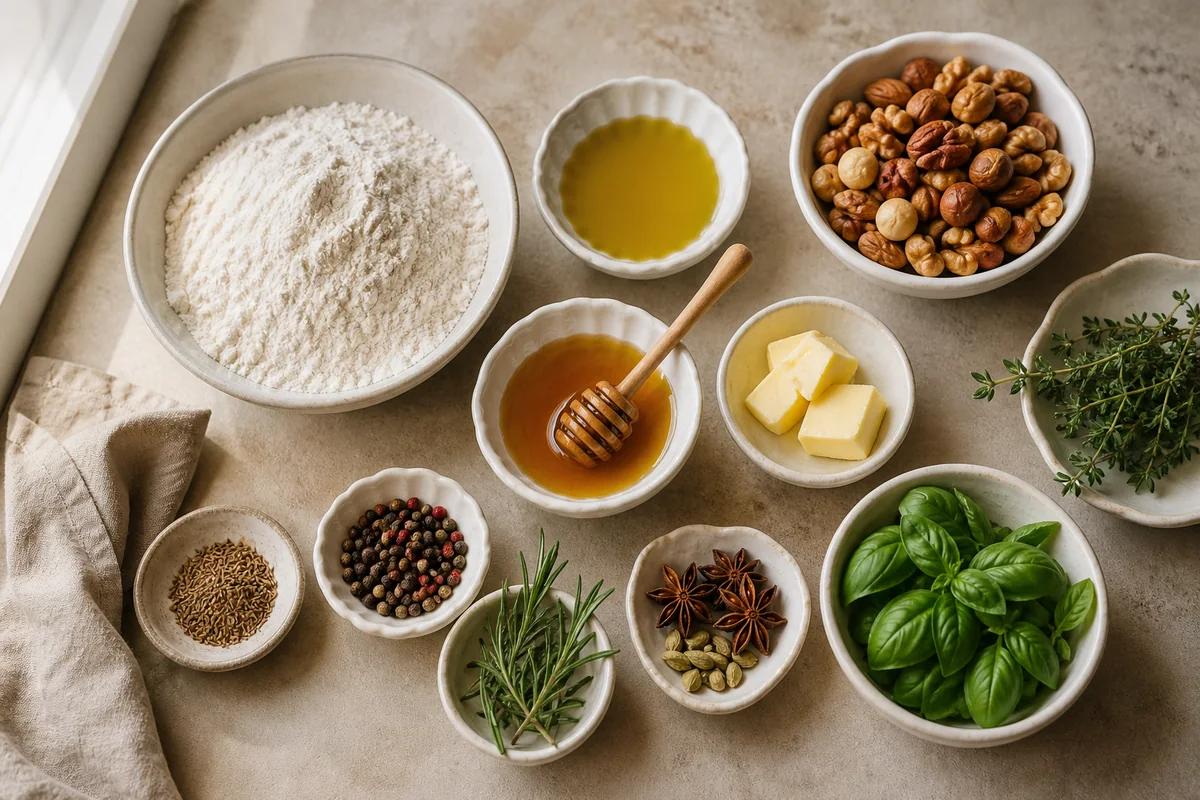
5 Best Maida Flour Substitutes Worth Trying
Ingredients
Equipment
Method
- Identify your recipe: fried (batter/dough), baked (cakes/pastries), or thick thickening (coating/roux).
- Choose the closest match from the list: use the 1:1 options first for the least change.
- Measure by weight when possible; for cake flour, use the listed reduced ratio to avoid crumbly dough.
- Adjust hydration gradually: if the dough feels tight, add a few teaspoons of water (or milk) and rest 5 minutes.
- Test texture before committing—make a 1-2 bite trial (fry or bake) and refine with 1-2 tablespoons flour or water.
Notes
- For frying dough/batters, prioritize substitutes that keep tenderness and don’t make the coating too tough.
- Protein level is the main driver of chew and toughness; adjust water/oil to correct the feel.
Tried this recipe?
Let us know how it was!
Carrie is a food writer and editor with more than 15 years of experience. She has worked for some of the biggest names in the food industry, including Bon Appétit, Food & Wine, and Martha Stewart Living.
As the Editor in Chief of EpicureDelight, Carrie oversees all of the content on the site. She also manages the team of contributing writers and editors, who help to create delicious recipes, helpful tips, and informative articles that you’ll find on the site.
A native of the Chicago area, Carrie is passionate about all things food. She loves trying new restaurants and experimenting with new recipes in her kitchen. She’s also a graduate of the Culinary Institute of America, so she knows a thing or two about food!



