
Napa cabbage has a way of showing up as a key ingredient right when your grocery store decides to run out of it. Its pale, crinkled leaves and mild, sweet flavor make it genuinely hard to replace in stir-fries, dumpling fillings, and kimchi.
Finding a good stand-in takes a little knowledge about texture and taste.
Also called Chinese cabbage or Peking cabbage, napa is softer and sweeter than most Western cabbages. That distinction matters when you are swapping it into a cooked dish versus a raw slaw.
The good news is that several leafy greens sit close enough in flavor and texture to do the job. Some are milder, some are more bitter, and a few are surprisingly close to the real thing.
If you are already thinking about other vegetable swaps, our collard greens alternatives guide covers another leafy green that comes up often in the same recipes.
Below are eight solid napa cabbage substitutes, with practical notes on how and when to use each one.
Bok choy is the closest match to napa cabbage for most cooked dishes, sharing a mild flavor and tender texture. Savoy cabbage works best in soups and braises, while kale holds up well in stir-fries. For raw applications like slaws, green cabbage or escarole are practical options.
What's Napa Cabbage?
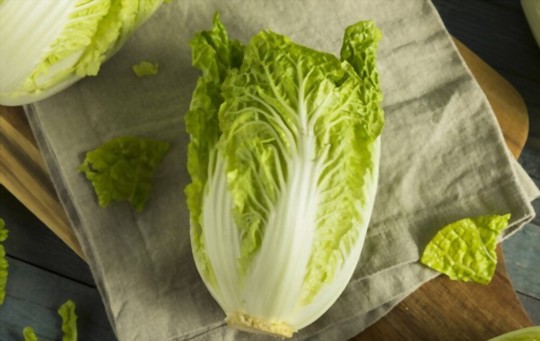
Napa cabbage is a variety of Brassica rapa that is widely used across East and Southeast Asian cooking. It goes by several names, including celery cabbage, Napa kale, and Peking cabbage.
The leaves are light green and crinkly, and the head is oval-shaped, typically weighing between 1 and 2 pounds at market.
Napa cabbage originated in China and has been cultivated there for over 4,000 years. It arrived in Japan during the 18th century and became a staple of Japanese cuisine shortly after.
The vegetable is popular in stir-fries, hot pots, dumplings, soups, and fermented dishes like kimchi. Its high water content means it cooks down quickly and softens in minutes.
To prep napa cabbage, remove the tough outer leaves first. Then cut the head into thin strips or shred it with a chef's knife.
Add it toward the end of cooking so the leaves stay tender rather than turning limp. Stored whole in a loose plastic bag, napa cabbage keeps in the refrigerator for up to a week.
Add napa cabbage in the final 2-3 minutes of cooking. Any longer and the leaves turn waterlogged and lose their pleasant snap.
8 Top Napa Cabbage Alternatives for Recipes
1. Kale
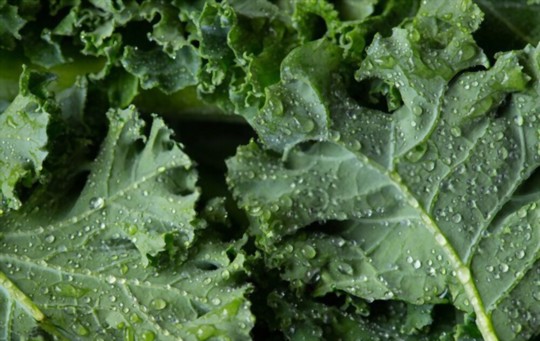
Kale is a sturdy, dark leafy green that holds up well under heat, making it one of the more reliable swaps in stir-fries and braises.
Its leaves are thicker and more fibrous than napa cabbage, so the texture will be noticeably different in a raw application.
The flavor is slightly bitter with an earthy edge, which is more pronounced than napa's mild sweetness. Massaging raw kale with a pinch of salt for about a minute softens the leaves and takes some of that bitterness down a notch.
Kale can be sautéed, stir-fried, or simmered in soups exactly as you would use napa cabbage. Because the leaves are tougher, add kale 2-3 minutes earlier in the cooking process to give it time to tenderize.
Curly kale and lacinato kale both work here, though lacinato has a milder flavor that sits closer to napa in a finished dish. Use a 1:1 ratio by weight when swapping.
2. Bok Choy
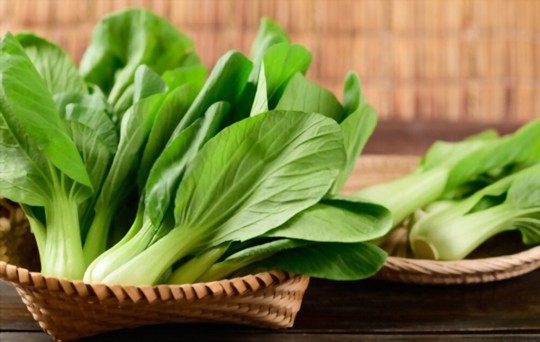
Bok choy is the closest relative to napa cabbage on this list, both botanically and in flavor. Both belong to the Brassica rapa family, and both have a mild, slightly sweet taste that works well in Asian-style cooking.
The key difference is structure. Bok choy has thick white stalks topped with dark green leaves, and those two parts cook at different rates.
Slice the stalks thicker and add them a minute or two before the leaves to keep everything evenly cooked.
Because bok choy has a higher water content than napa, the leaves will cook down significantly faster. You may need to use 20-25% more bok choy by volume to get a similar yield after cooking.
Bok choy works well in stir-fries, noodle soups, and dumpling fillings. If you are curious how it compares to other options, our savoy vs. green cabbage breakdown gives useful context on how leaf texture affects finished dishes.
3. Swiss Chard
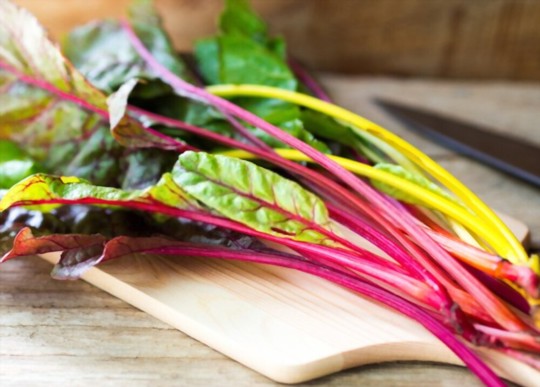
Swiss chard has broad, glossy leaves and colorful stalks that range from white to deep red. It is most often cooked, though the tender inner leaves work raw in salads when sliced thin.
The flavor is slightly bitter with an earthy, mineral note that is more pronounced than napa cabbage. That bitterness fades considerably when the chard is cooked, leaving a mild, slightly sweet flavor that is reasonably close to what you get from napa.
Chop the leaves into thin strips before adding them to soups or sautéed dishes. The stalks need an extra 2-3 minutes of cooking time compared to the leaves, so add them first.
Swiss chard is a practical swap in soups, stews, and quick sautés. Use it at a 1:1 ratio for napa cabbage in most cooked recipes.
4. Collard Greens
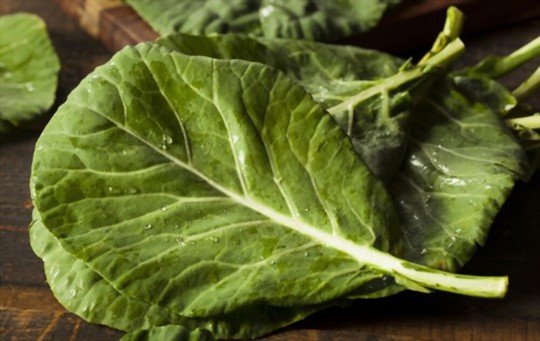
Collard greens are a Southern staple with thick, waxy, dark green leaves that take longer to cook than napa cabbage. They have a mildly bitter, earthy flavor that deepens when braised or slow-cooked.
Because the leaves are denser, use half as much collard greens as you would napa cabbage by volume. This ratio prevents the dish from becoming too heavy or bitter.
Collard greens work best in slow-cooked applications like braises and soups rather than quick stir-fries. Removing the tough central rib before slicing makes them much easier to eat and helps them cook more evenly.
For a full breakdown of how to work with this vegetable across recipes, the best collard greens substitutes article covers swaps that go in the other direction as well.
Collard greens can turn very tough and chewy if undercooked. Give them at least 10-12 minutes in soups or braises before tasting for doneness.
5. Escarole
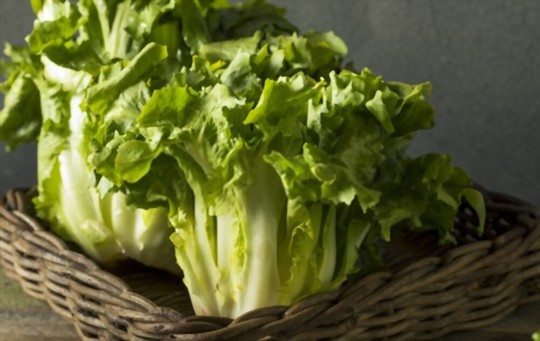
Escarole is a broad-leafed variety of endive with pale green, slightly curly leaves and a pleasant nutty bitterness. It is used widely in Italian cooking, particularly in white bean soups and braised dishes.
The outer leaves are more bitter, while the inner leaves are more tender and mild. For the closest match to napa cabbage in flavor, use the inner leaves and save the outer ones for soups where the bitterness will cook off.
When cooked, escarole turns soft and mild in a way that mirrors napa cabbage quite closely. Both vegetables become tender within a few minutes of hitting a hot pan or simmering broth.
Escarole also holds up raw in salads when sliced thin. It adds good crunch and a gentle bitterness that balances rich dressings.
Use it at a 1:1 ratio for napa cabbage in both raw and cooked applications.
6. Arugula
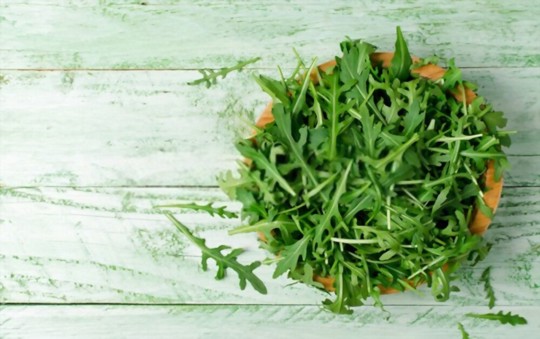
Arugula, also called rocket, is a peppery, tender leafy green most often found in salads and on flatbreads. Its flavor comes from glucosinolates, the same compounds that give mustard its bite.
That peppery punch is significantly stronger than napa cabbage's mild sweetness, so arugula works best as a substitute in dishes where you want a little more character.
It is a particularly good swap in raw slaws or sandwich fillings where napa cabbage is used for texture and bulk.
Arugula wilts within 60 seconds of hitting heat, so add it at the very end of cooking, off the heat if possible. It is not ideal for long-simmered soups or stews where napa would normally cook for several minutes.
Use arugula as a 1:1 replacement by weight in raw dishes. For cooked applications, stick to stir-fries and use it only as a finishing green.
7. Radicchio
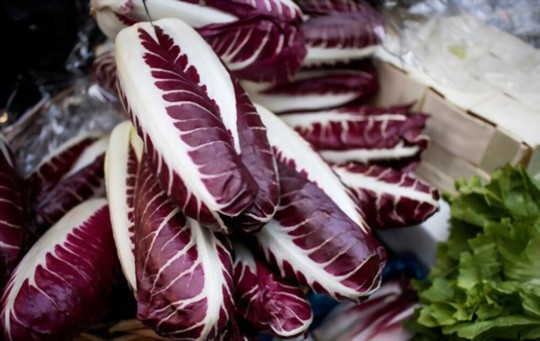
Radicchio is a burgundy-and-white variety of chicory with a firm texture and a pleasantly bitter taste. It is used in Italian cuisine in salads, risotto, and grilled vegetable dishes.
The bitterness is more forward than napa cabbage's sweetness, which makes radicchio a better fit for dishes with bold, savory flavors that can stand up to it.
Roasting or grilling radicchio at 400°F for 10-12 minutes softens the bitterness and draws out a mild natural sweetness.
To substitute for napa cabbage, slice radicchio into thin strips and use it in stir-fries, warm salads, or sautéed dishes. The color will fade from deep purple to a muted pink-brown during cooking, which is normal.
For a broader look at how different cabbage varieties compare, see savoy cabbage swap options for context on when one variety outperforms another.
8. Endive
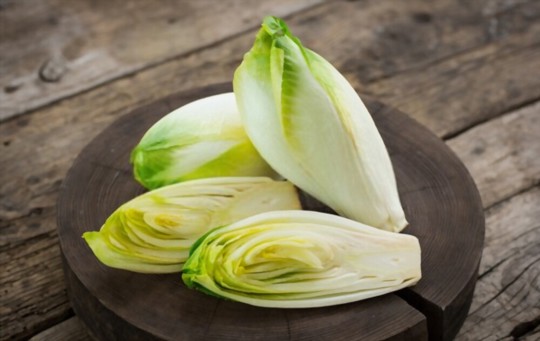
Endive belongs to the chicory family and has pale, tightly packed leaves with a crisp texture and a mildly bitter flavor.
Belgian endive is the most common variety in grocery stores, with a compact cylindrical head and creamy white leaves tipped in yellow or pale green.
The bitterness of endive is noticeable raw but mellows considerably when cooked. In stir-fries and soups, it softens and takes on a mild, slightly nutty flavor that is a reasonable stand-in for napa cabbage.
For raw applications, slice endive crosswise into thin rings and use it in slaws or salads where you want both crunch and a touch of bitterness.
Its firm leaves also hold up well as individual cups for filling, which is a handy technique when napa cabbage leaves are unavailable.
Use endive at a 1:1 ratio for napa cabbage in cooked dishes. In raw preparations, taste as you go since the bitterness varies between heads.
How to Pick Napa Cabbage Substitutes
The right substitute depends entirely on how the napa cabbage is being used in the recipe. For quick stir-fries and Asian-style noodle dishes, bok choy is the most direct replacement because it shares the same mild, slightly sweet profile and cooks at a similar speed.
For soups and braises, savoy cabbage or Swiss chard are better choices because they hold their structure during longer cooking. Both stay tender without turning waterlogged the way some thinner greens do.
If the napa cabbage is being used raw, escarole or thinly sliced green cabbage will give you the crunch and mild flavor you need. Arugula works in small amounts for peppery contrast, though it does not replicate the neutral sweetness of napa.
When the recipe includes a dressing or sauce with a sweetener, knowing how to swap sugar for stevia can help you fine-tune the overall balance, especially in slaws where the cabbage and the dressing work together.
Likewise, if a recipe pairs napa cabbage with a sesame-based sauce, see our guide on what replaces Chinese sesame paste for sauce adjustments.
For heartier meals that pair these greens with a protein, our flank steak alternative options and flour-free thickening agents are worth bookmarking for the same cooking session.
More From EpicureDelight
The Complete Ingredient Substitutes Guide - your complete resource for this topic.
Frequently Asked Questions
Can I use bok choy instead of Napa cabbage in kimchi?
Bok choy works in kimchi but produces a softer result. Its higher water content means the ferment will be wetter, so salt and drain the bok choy for at least 2 hours before mixing in the paste.
What is the closest substitute to Napa cabbage for cooking?
Bok choy is the closest match overall. Both are mild, slightly sweet members of the Brassica rapa family and cook down in roughly the same amount of time.
Is Savoy cabbage a good substitute in soups?
Yes. Savoy cabbage holds its structure in simmering broth better than napa and turns tender after about 8-10 minutes of cooking without becoming mushy.
Can I substitute Napa cabbage in raw slaws?
Green cabbage is the best raw swap for napa in slaws. It is firmer and less sweet, but thinly shredding it and letting it sit in dressing for 10 minutes softens the texture considerably.
Does Napa cabbage have a Napa cabbage substitute for dumplings?
Savoy cabbage shredded and salted for 15 minutes is the best dumpling filling substitute. It has a similarly tender texture once squeezed dry, with a slightly more pronounced flavor than napa.
Save This for Later
Pin this savory tweaks: 8 best napa cabbage substitutes guide so you always have it when you need it.

Carrie is a food writer and editor with more than 15 years of experience. She has worked for some of the biggest names in the food industry, including Bon Appétit, Food & Wine, and Martha Stewart Living.
As the Editor in Chief of EpicureDelight, Carrie oversees all of the content on the site. She also manages the team of contributing writers and editors, who help to create delicious recipes, helpful tips, and informative articles that you’ll find on the site.
A native of the Chicago area, Carrie is passionate about all things food. She loves trying new restaurants and experimenting with new recipes in her kitchen. She’s also a graduate of the Culinary Institute of America, so she knows a thing or two about food!



