
Collard greens are a sturdy, thick-leafed green with a mild, slightly bitter flavor that holds up beautifully in long braises, slow-cooked stews, and Southern-style dishes.

They have a hearty structure that does not collapse under heat the way delicate greens do, which makes them a go-to for recipes that need real body and presence.
The problem is that collard greens are not always easy to find, especially outside the American South or during certain seasons. A missing bunch of collards should not stop you from finishing a dish.
The five best substitutes are kale, mustard greens, Swiss chard, spinach, and bok choy. Each one has a different texture profile and flavor intensity, so the right pick depends on your cooking method and what the recipe demands from the greens.
Swapping greens is not just about filling volume. It is about matching leaf structure to cooking time, and flavor to the rest of the dish.
A braised dish needs a sturdy stand-in; a quick sauté can handle something more tender. Understanding cabbage-family leaf swaps makes the decision much clearer.
This guide covers each substitute with an exact ratio, honest texture and flavor tradeoffs, and notes on where each one performs best, whether you are braising ribs, building a soup, or working a green into a baked dish.
The best substitutes for collard greens are kale (1:1, top all-around), mustard greens (1:1, peppery kick), Swiss chard (1:1, mild and versatile), spinach (2:1, use twice the amount), and bok choy (1:1, great in soups and stir-fries). Match your substitute to cooking method and texture needs for the best result.
Substitutes at a Glance
Before going deeper into each option, this quick reference lays out the five substitutes side by side so you can make a fast call based on texture, flavor, and dish type.
| # | Substitute | Ratio | Best For | Taste Match |
|---|---|---|---|---|
| 1 | Kale | 1:1 | Braises, stews, sautés | Close |
| 2 | Mustard Greens | 1:1 | Braises, Southern-style dishes | Mild (peppery) |
| 3 | Swiss Chard | 1:1 | Braises, baked dishes, sautés | Milder |
| 4 | Spinach | 2:1 | Quick sautés, baking, soups | Different (mild) |
| 5 | Bok Choy | 1:1 | Soups, stir-fries, light braises | Mild (crisp) |
Save This for Later
Pin this savory tweaks: 5 best substitutes for collard greens guide so you always have it when you need it.
Collard Greens Substitutes in Detail
Each substitute below covers the ratio, the real texture and flavor impact, and the specific situations where it works best. These are not interchangeable one-size picks - the details matter when you are halfway through a recipe.
1. Kale
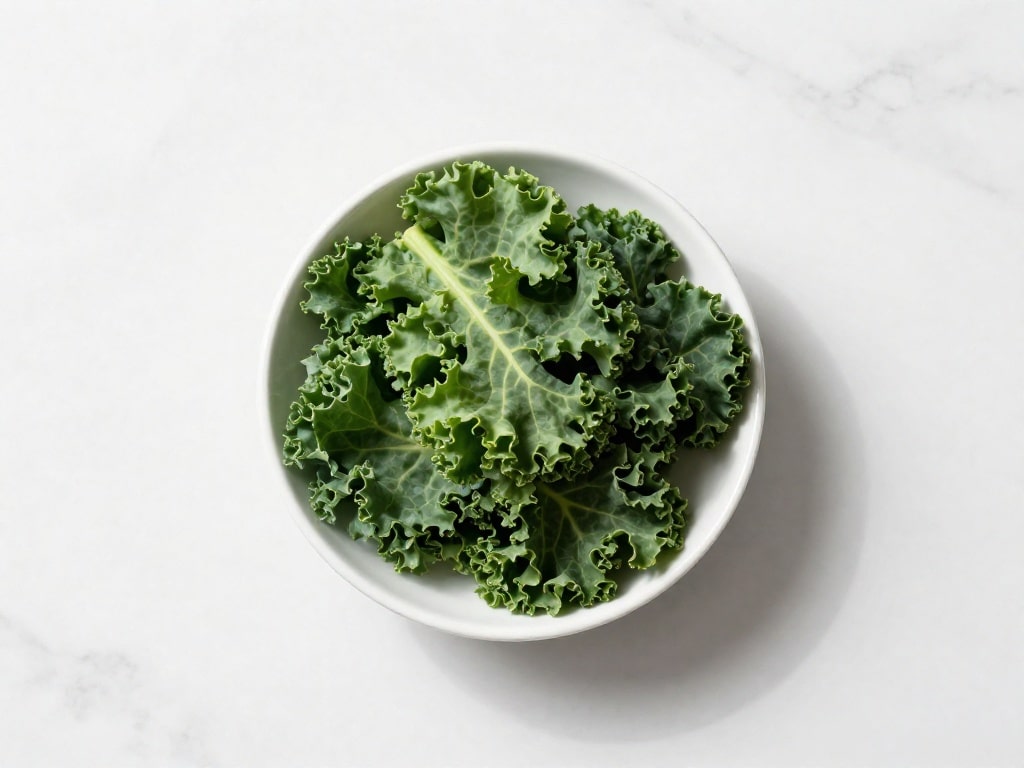
Kale is the closest match to collard greens in leaf structure and cooking behavior. Use a 1:1 ratio by weight or volume, and your braised or sautéed dish will come out with nearly identical texture and color.
Kale remains sturdy after cooking and holds up well in braises and stews, just as collards do. It does not turn mushy under prolonged heat, which makes it reliable in recipes that cook greens for 30 minutes or longer.
The main tradeoff is flavor. Kale carries a slightly stronger, earthier bite than collards, particularly raw curly kale.
Lacinato kale (also called Tuscan or dinosaur kale) is the better pick here because its flavor is milder and its flat, narrow leaf more closely mimics the texture of a collard leaf.
Strip the tough central rib before cooking. Collard ribs are thick and fibrous, and so are kale ribs - both need to be removed for a pleasant final texture in most applications.
Using kale preserves the green color and leaf bite similar to collards in most recipes. That visual match is useful when you are serving greens as a side dish where presentation matters.
Kale also performs well in quick sautés with garlic and olive oil, and it can handle an acid finish (apple cider vinegar, lemon juice) without falling apart. That is exactly the same finishing move used in classic collard green preparations.
According to USDA nutrition data, kale and collards share a very similar nutrient profile, both high in vitamins K and C, so the substitution carries essentially no nutritional downgrade.
Kale is the best overall substitute for braised or sautéed greens. Use lacinato kale at a 1:1 ratio for the closest texture and color match to collard greens.
2. Mustard Greens
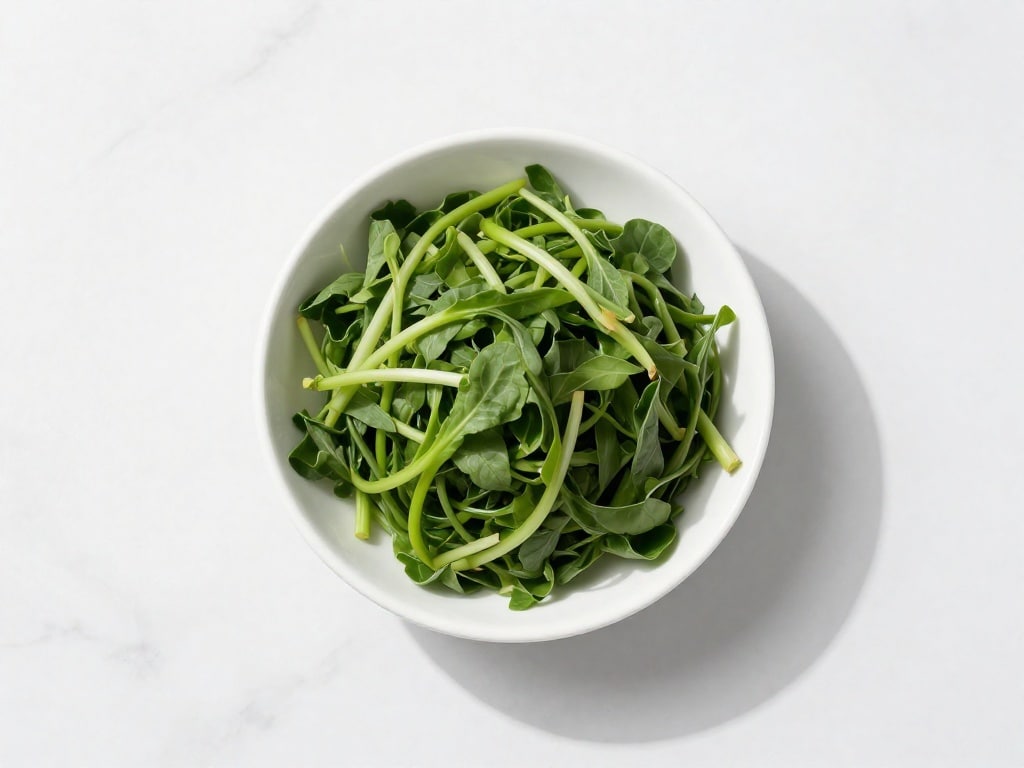
Mustard greens are the right call when you want a substitute that adds its own personality to a dish. Use a 1:1 ratio, and expect a greens swap that is bold rather than neutral.
Mustard greens bring a peppery flavor that can brighten braised dishes and stews.
That heat is natural - it comes from the same glucosinolates found in mustard seeds - and it mellows significantly during long cooking, making mustard greens a solid match for Southern-style braises with smoked meat or ham hocks.
The leaf structure is similar to collards: broad, slightly ruffled, and thick enough to hold up under heat.
They soften quickly but still offer a substantial leaf structure when braised. After about 20 to 30 minutes in a covered pot, mustard greens become tender without turning into mush.
One thing to know: the peppery bite is more pronounced in younger, smaller leaves. If your dish needs a milder background, look for larger, more mature mustard greens.
Blanching them briefly before adding to a braise can also dial back the intensity.
Mustard greens are particularly good alongside rich, fatty proteins. The slight sharpness cuts through pork belly, braised short ribs, or smoked turkey legs in a way that plain collards do not.
For a detailed comparison of these two greens side by side, the collard vs. mustard greens breakdown covers the full flavor and nutrition differences.
Avoid using mustard greens raw as a direct collard substitute - raw, the peppery bite is much sharper, and the texture is coarser. This is a cooked-greens swap only.
Mustard greens are excellent for traditional Southern-style braises where a peppery note complements rich meats. Use a 1:1 ratio and allow at least 20 minutes of cooking time to soften the bite.
3. Swiss Chard
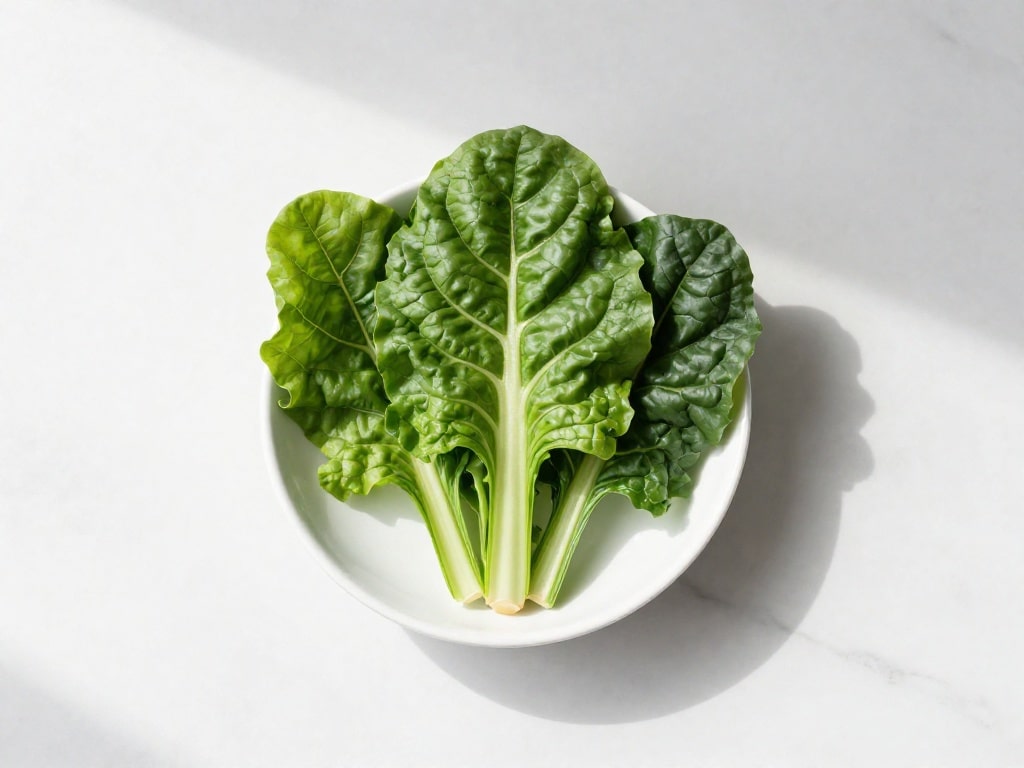
Swiss chard is the most versatile of the five substitutes. It works in braises, sautés, and baked dishes, and its mild flavor does not pull the recipe in a new direction the way mustard greens or even kale can.
Use a 1:1 ratio by volume.
Swiss chard has a tender leaf with pale green midribs that soften with braising. The leaves are thinner and more delicate than collards, so they cook faster - plan on roughly half the time you would give collard greens in a long braise.
The stems are where Swiss chard gets interesting. They are crisp and slightly sweet, and they take longer to cook than the leaves.
If you want to replicate the sturdy bite of a collard-heavy dish, chop the chard stems and add them to the pot a few minutes before the leaves. That two-stage approach gives you both tenderness and some structural texture.
Mild flavor makes Swiss chard versatile in both savory dishes and baked preparations. In a quiche or savory tart, Swiss chard works where collards would be too fibrous and assertive.
Just make sure to squeeze out excess moisture after blanching, since chard releases more water than collards during cooking.
Rainbow chard (the multi-colored variety) behaves identically to standard Swiss chard in the pot, so you can use whichever is available. The color bleeds a little during long cooking, so stick with standard green-stemmed chard if appearance matters.
Swiss chard is also one of the few greens that pairs naturally with both Italian and American flavor profiles. It fits right into dishes seasoned with garlic and lemon, or into Southern-style preparations with vinegar and red pepper flakes.
Recipes that use herb substitutions in Italian cooking often rely on chard as a background green for exactly this reason.
4. Spinach
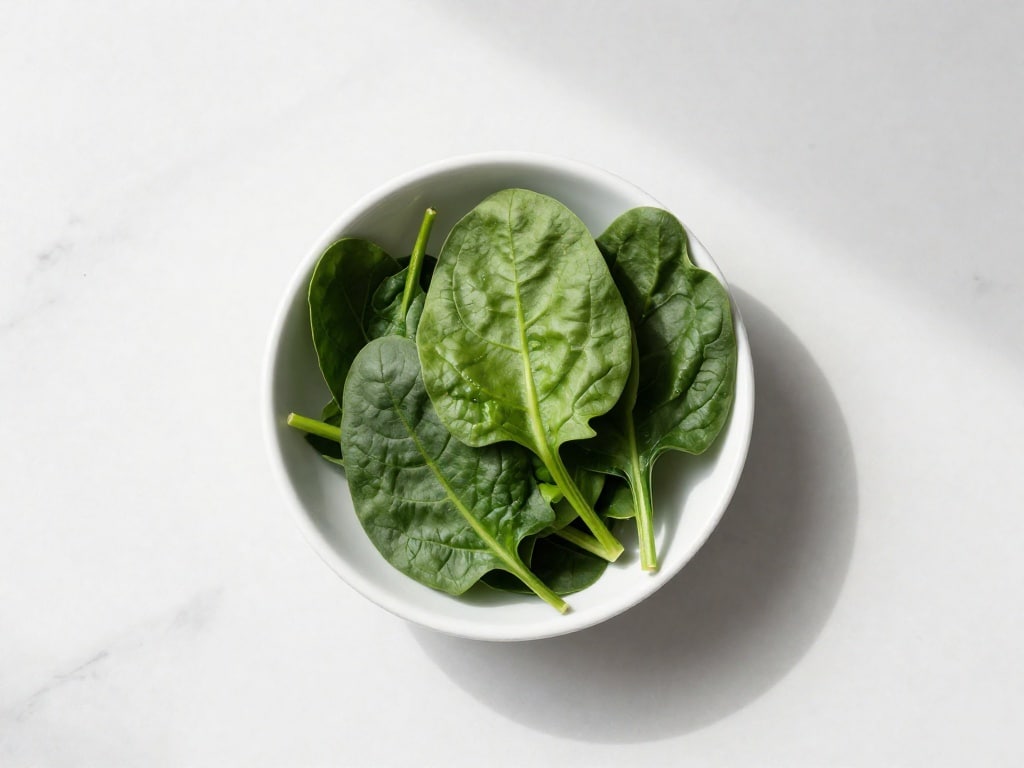
Spinach is a practical substitute when you need greens fast and do not want to spend time breaking down tough leaves.
The key ratio adjustment is the main thing to keep in mind: use 2 cups of fresh spinach for every 1 cup of collard greens the recipe calls for.
Spinach wilts dramatically - it loses roughly 75% of its volume when heated, which is far more than collards. That 1:2 ratio (one cup collards equals two cups fresh spinach) compensates for the shrinkage and gets you closer to the final volume the dish needs.
The texture gap is the biggest tradeoff. Spinach does not have the chewy, substantial bite of collards.
Once cooked, it becomes very soft and silky, which changes the mouthfeel of a braised dish significantly. In a long-cooked stew, spinach can disappear into the sauce rather than staying distinct as a textural element.
Where spinach excels is in quick-cook applications and baked dishes. Sautéed spinach with garlic takes under three minutes.
In baked preparations like quiches, savory pies, or stuffed pastas, spinach is actually easier to work with than collards because it integrates smoothly into fillings.
In baking or lighter dishes, spinach can replace greens but may influence moisture and texture. Always squeeze thawed frozen spinach or blanched fresh spinach thoroughly before adding it to a baked recipe.
The extra water can make pastry soggy or dilute a filling that needs to set.
Frozen spinach is a perfectly fine substitute here. One 10-ounce package of frozen spinach, thawed and squeezed dry, replaces about one cup of cooked collard greens.
FDA food safety guidelines recommend cooking leafy greens to at least 165°F in dishes where they are mixed with proteins, which applies equally to spinach-based swaps.
5. Bok Choy
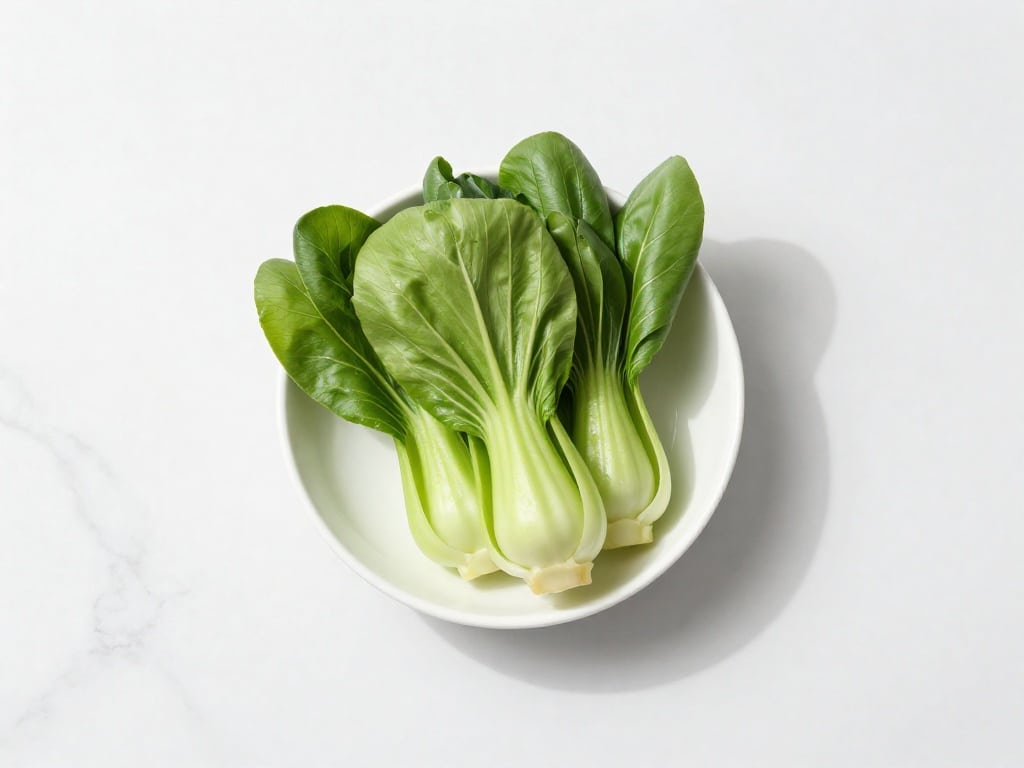
Bok choy is the most structurally distinct of the five substitutes, and that is actually its advantage in certain dishes. Use a 1:1 ratio, and expect a substitute that adds a mild flavor with some pleasant crunch rather than deep earthiness.
Bok choy provides mild flavor and crisp stalk texture that softens with cooking. The stalks hold their shape longer than collard leaves, while the leafy tops wilt relatively quickly.
That contrast in texture within a single ingredient gives soups and stir-fries a more complex mouthfeel than soft-cooked greens alone.
Baby bok choy is the more tender option - halved and added to a braise in the last 10 minutes, it turns silky without becoming mushy.
Standard bok choy, with its thicker stalks, needs a few more minutes and works better in longer-cooked soups where the extra time benefits the stalks.
Bok choy is great in soups and quick-cooked dishes where greens play a supporting role rather than being the star of the plate.
In a chicken soup, a bean stew, or a ginger-garlic sauté, bok choy fills the green role cleanly without asserting a strong flavor of its own.
The flavor profile is decidedly lighter than collards. There is no bitterness, no earthiness, and no peppery heat.
That makes bok choy an excellent pick when you want greens for color and texture without any flavor competition. Recipes with bold seasonings - soy sauce, miso, chili paste, or sesame - benefit from bok choy's neutrality.
Dishes that already use sesame-based sauce swaps often pair naturally with bok choy as the green component.
One adjustment: bok choy releases more water than collards during cooking, so if you are adding it to a thickened braise or stew, account for the extra liquid or reduce slightly before serving.
How to Choose the Right Substitute for Collard Greens?
Texture compatibility is the primary driver when choosing a collard green substitute. Sturdy greens like kale, mustard greens, and Swiss chard hold up in long braises and slow-cooked dishes; delicate greens like spinach work better in quick sautés, baking, or lighter soups.
Cooking method often dictates which substitute works. For a braise or stew going longer than 20 minutes, reach for kale or mustard greens first. For a baked quiche or a dish where greens will be mixed into a wet filling, Swiss chard or spinach are more practical.
Bok choy fills the middle ground for soups and stir-fries where a clean, mild green is more useful than a robust one. Flavor intensity is a secondary filter: if the dish already has bold seasoning from smoked meat, vinegar, or chili, any of the five substitutes will work.
If the greens carry the flavor themselves, kale or mustard greens are the stronger choices. For dishes that rely on a neutral backdrop, swap in Swiss chard, spinach, or bok choy.
The same logic that guides protein substitution by cooking method applies here - match the substitute to what the recipe actually demands from the ingredient.
Use sturdy greens (kale, mustard greens, Swiss chard) for braises and slow-cooked dishes. Use milder, softer greens (spinach, bok choy) for quick-cook applications or baking where moisture control matters.
Frequently Asked Questions
How do I decide between kale and mustard greens for a braised dish?
Choose kale for a neutral, earthy flavor that stays close to collards. Choose mustard greens when your dish includes rich, fatty proteins that benefit from a peppery counterpoint.
Can spinach really stand in for collards in a slow-cooked stew?
Spinach works but loses its texture in long braises, turning very soft. Add it in the final 5 minutes of cooking and use twice the volume to compensate for shrinkage.
Are there substitutes better for baking versus cooking on the stove?
Swiss chard and spinach are the best baking substitutes. Both integrate into fillings more smoothly than kale; always squeeze out excess moisture before adding either to a baked recipe.
Will substitutes alter the seasoning I should use?
Mustard greens may need less added pepper since they bring their own heat. Spinach and bok choy are both mild, so you may need a touch more salt or acid to compensate for the flavor difference.
Is bok choy a good substitute when texture matters more than flavor?
Yes. Bok choy maintains a pleasant crispness in soups and stir-fries and holds its shape at a 1:1 ratio, making it ideal when you need visual presence and texture without strong flavor.
Savory Tweaks: 5 BEST Substitutes for Collard Greens
Ingredients
Method
- Choose your substitute based on the dish type and desired flavor match. Use kale or mustard greens for long braises, Swiss chard or spinach for baked dishes, and bok choy for soups and stir-fries.
- Prepare the substitute as directed: strip tough ribs from kale and chard, blanch mustard greens briefly if a milder flavor is desired, and squeeze excess moisture from spinach before adding to baked dishes.
- Apply the substitution ratio carefully. Use a 1:1 ratio for kale, mustard greens, Swiss chard, and bok choy. Use 2 cups of fresh spinach for every 1 cup of collard greens called for in the recipe.
- Taste and adjust seasoning. Mustard greens add peppery heat so reduce added pepper if needed. Spinach and bok choy are mild, so a little extra salt or acid may be needed to match the depth of collard greens.
Notes
- Lacinato (Tuscan) kale is the closest match to collard greens in texture and flavor; prefer it over curly kale for the most seamless swap.
- Always squeeze excess water from cooked spinach or Swiss chard before using in baked recipes to prevent a watery or soggy result.
Tried this recipe?
Let us know how it was!
Carrie is a food writer and editor with more than 15 years of experience. She has worked for some of the biggest names in the food industry, including Bon Appétit, Food & Wine, and Martha Stewart Living.
As the Editor in Chief of EpicureDelight, Carrie oversees all of the content on the site. She also manages the team of contributing writers and editors, who help to create delicious recipes, helpful tips, and informative articles that you’ll find on the site.
A native of the Chicago area, Carrie is passionate about all things food. She loves trying new restaurants and experimenting with new recipes in her kitchen. She’s also a graduate of the Culinary Institute of America, so she knows a thing or two about food!



