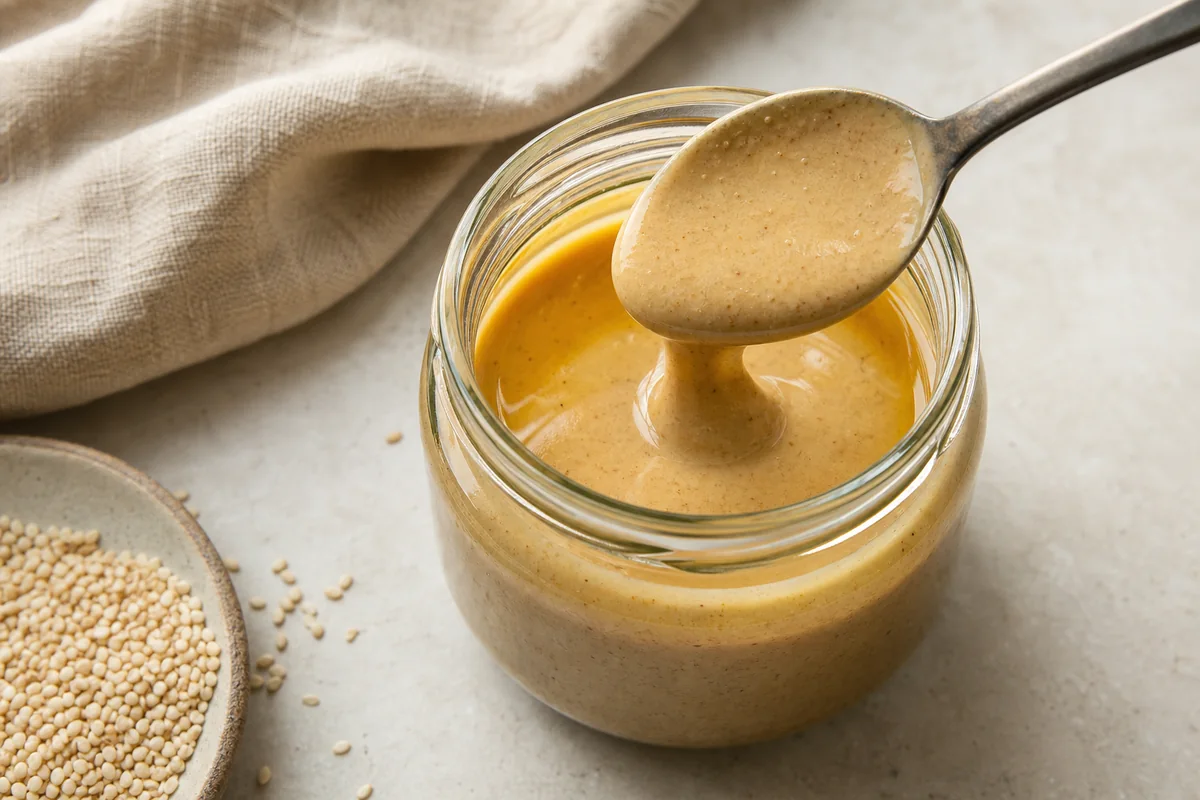
Sablefish tastes rich, mildly sweet, and buttery. Its soft white meat separates into large, moist flakes, while the flavor stays clean and less fishy than many oily species.
It is often sold as black cod, though it is not a true cod. The high oil content explains the silky texture, forgiving cooking window, and strong fit with smoke, miso, citrus, and bitter greens.

Expect a mild whitefish with the richness of a much fattier fish. Center fillets give even flakes, while belly and collar pieces feel denser and richer. Bright acid and crisp vegetables keep the plate balanced.
Richness Leads While Fishiness Stays Low
Sablefish carries much more oil than lean whitefish, yet fresh fillets do not have to taste harsh or greasy. NOAA describes the flesh as exceptionally flavorful, soft, and velvety, with large white flakes. The oil gives each bite weight and a long finish.
The base flavor is mild and slightly sweet. Compared with Pacific cod, sablefish feels softer, richer, and less springy. Compared with salmon, it tastes less assertive and lacks the same distinct salmon aroma.
Its common market name, black cod, can create the wrong expectation. Sablefish belongs to a different fish family. You can use it in some preparations that suit cod, but the extra fat changes the sauce and the way the meal feels.
Oxidation changes the story. Old oil can smell like varnish, cardboard, or stale nuts. That odor differs from the clean sea scent of fresh fish and should not be covered with a strong glaze.
The Cut Changes the Weight of Each Bite
A package labeled sablefish may contain a neat center fillet, a tapered tail, a collar, or a belly-rich portion. Each carries the same mild flavor, though the fat and connective tissue change the bite.
Center Fillet
Large flakes cook evenly and give the clearest balance of mild sweetness and buttery richness.
Belly and Collar
These portions feel denser and richer. Meat near the bone also carries more gelatin and a deeper roasted flavor.
Smoked Sablefish
The oil protects moisture and holds smoke well. Salt and smoke move ahead of the fish's natural sweetness.
Skin adds another contrast. A dry surface can turn crisp under a hot pan or broiler while the flesh beneath stays soft. Flabby skin makes the whole bite feel heavier, so remove it when the method will not brown it.
The thin tail cooks faster than the center. Fold it under or remove it early when a whole side goes into the oven. That small adjustment protects the mild sweetness from a dry, chalky finish.
Fresh and previously frozen fillets can both eat well because the natural oil protects the flesh. Thaw a frozen portion in the refrigerator, keep it wrapped while it softens, then blot the surface. A watery room-temperature thaw weakens browning and makes the outer flakes soften before cooking begins.
Heat Turns Dense Flesh Into Silky Flakes
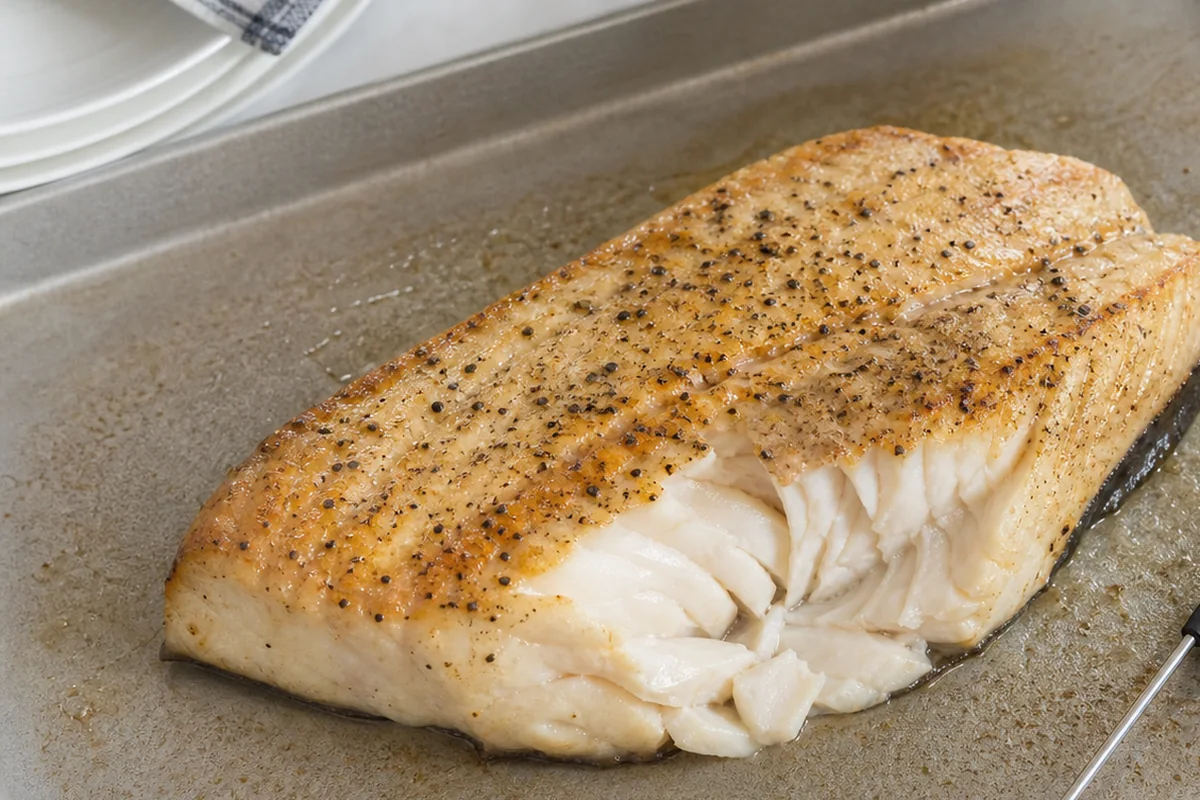
Raw sablefish feels dense and translucent. As heat sets the proteins, the flesh turns opaque and separates along broad natural seams. Melted fat keeps those seams moist.
- Dry the surface. Water blocks browning and makes skin steam.
- Cook the thick zone first. Point the center toward the hottest part of the pan or oven.
- Watch the flakes. They should separate with gentle pressure and remain glossy inside.
- Check temperature. Federal consumer guidance uses 145°F for finfish.
- Rest briefly. Residual heat finishes the center while the surface settles.
Sablefish is forgiving because fat slows the sensation of dryness. That does not make it impossible to overcook. A long high-heat treatment can squeeze out oil, toughen the edges, and leave a soft but oddly dry center.
Thickness matters more than a fixed clock. A thin tail may finish several minutes before a deep center cut. Use time to decide when to start checking, then let flakes and temperature make the final call.
Choose the Method by the Finish You Want
| Method | Result | Best seasoning | Common failure |
|---|---|---|---|
| Broil | Brown top, soft center | Miso, soy, or citrus glaze | Sweet glaze burns before the center cooks |
| Roast | Even flakes and gentle browning | Herbs, garlic, lemon | Thin tail dries first |
| Pan-sear | Crisp skin and rich surface | Salt, pepper, light acid | Wet skin stays rubbery |
| Poach | Very soft, clean flesh | Ginger, scallion, mild broth | Strong liquid hides sweetness |
| Smoke | Dense, savory, long finish | restrained salt and spice | Too much smoke turns bitter |
Miso is popular because salt and fermentation stand up to the fat. Use a thin coating rather than a heavy paste. Too much sugar can burn, and too much miso can make every bite taste like glaze.
Poaching keeps the surface pale and delicate. It suits diners who want softness without crisp skin, though the liquid needs enough salt and aroma to avoid a washed-out result.
Sablefish can replace cod in a recipe when extra richness helps. It is a poor one-for-one choice for a light preparation that depends on lean, springy flakes. Review other cod substitutes when the sauce cannot absorb that extra fat.
Give the Fat Something Bright to Meet
The best plate does not pile richness on richness. It gives the coating mouthfeel a clean interruption.
- Citrus and bitter greens. Lemon, grapefruit, chicory, or mustard greens reset the palate.
- Miso and crisp cucumber. Fermented depth suits the fish, while cucumber restores crunch and water.
- Smoked fish and pickles. Acid and salt sharpen a dense smoked portion.
- Roasted fish and plain rice. A mild starch carries juices without adding more fat.
Sweet glazes work when acid and salt stay present. Honey without vinegar, citrus, or fermented seasoning can make the fish feel cloying by the third bite.
Fresh sablefish should smell mild and marine. Discard fish with a sour, ammonia-like, or rancid oil odor. A sticky surface, dull gray flesh, or damaged packaging adds more evidence that the quality has failed.
When buying a skin-on cut, look for flesh that sits firmly against the skin and springs back after light pressure. Gaping seams can come from handling or thawing, so use that clue with smell, color, package condition, and the seller's storage temperature.
Sources
- NOAA Fisheries sablefish taste and texture profile
- NOAA Alaska sablefish flavor and fishery information
- FDA seafood handling and cooking guidance
Black cod is a market name for sablefish. The fish is not a true cod, though stores and menus commonly use both names for the same species.
Fresh sablefish tastes mild, sweet, and rich. A strong rancid or paint-like odor points to oxidized fat rather than the normal flavor.
Sablefish naturally stores substantial fat in its flesh. That oil creates the velvety texture and helps the fish remain moist during broiling, roasting, and smoking.
Yes. The skin is edible and works best when dried well and cooked until crisp. Remove it for poached preparations where it may stay soft.
Chilean sea bass offers a similarly rich, soft bite. Cod is milder and leaner, while salmon is oily but has a stronger flavor and firmer flakes.

Carrie is a food writer and editor with more than 15 years of experience. She has worked for some of the biggest names in the food industry, including Bon Appétit, Food & Wine, and Martha Stewart Living.
As the Editor in Chief of EpicureDelight, Carrie oversees all of the content on the site. She also manages the team of contributing writers and editors, who help to create delicious recipes, helpful tips, and informative articles that you’ll find on the site.
A native of the Chicago area, Carrie is passionate about all things food. She loves trying new restaurants and experimenting with new recipes in her kitchen. She’s also a graduate of the Culinary Institute of America, so she knows a thing or two about food!