
Grouper is a firm, mildly sweet white fish that holds up beautifully under high heat, absorbs seasonings without going mushy, and stays moist whether you bake, grill, or pan-sear it. That combination makes it a favorite for fish tacos, roasted fillets, and classic Southern-style preparations.

The problem is that grouper is not always easy to find, and when you do find it, the price can be steep.
A good substitute needs to match grouper's firm, flaky texture more than its exact flavor. According to fish substitution principles, swapping by texture and fat content produces the most consistent results across cooking methods.
All five substitutes here work at a 1:1 ratio by weight, so you do not need to rethink your recipe. You are choosing based on cooking method and how closely you want to mirror grouper's flavor profile.
The same fish sauce you already use can go right into your marinade, and if you ever need a swap there too, these fish sauce alternatives pair well with any of these white fish options.
The five substitutes are halibut, cod, sea bass, haddock, and red snapper. Each one handles specific cooking methods better than the others, and each has a slightly different flavor tradeoff to consider before you commit.
The best substitutes for grouper are halibut, cod, sea bass, haddock, and red snapper. All swap in at a 1:1 ratio by weight and suit high-heat methods like grilling, baking, and pan-searing without major recipe changes.
Substitutes at a Glance
Before getting into the details of each fish, this table gives you a fast reference for ratio, best use, and how closely each substitute mirrors grouper's flavor. USDA seafood guidance consistently points to white-fleshed fish as the most interchangeable category, and all five picks here fit that profile.
Texture and fat content are the two factors that matter most when choosing from this list.
Grouper sits in a moderate fat range, which is why both leaner and slightly fattier fish can work depending on the preparation.
A lean substitute like cod needs a bit more oil or butter to compensate, while a slightly richer option like sea bass holds up on its own over direct flame.
| # | Substitute | Ratio | Best For | Taste Match |
|---|---|---|---|---|
| 1 | Halibut | 1:1 | Baking or grilling; closest texture to grouper | Close |
| 2 | Cod | 1:1 | Pan-searing and baking; reliable white-fish bite | Close |
| 3 | Sea Bass | 1:1 | Grilling or broiling; delicate flavor, firm flesh | Mild |
| 4 | Haddock | 1:1 | Pan-searing and baking; lean, flaky but sturdy | Close |
| 5 | Red Snapper | 1:1 | Grilling or roasting; mild, versatile flavor | Mild |
Save This for Later
Pin this savory tweaks: 5 best substitutes for grouper guide so you always have it when you need it.
Pin This GuideGrouper Substitutes in Detail
1. Halibut
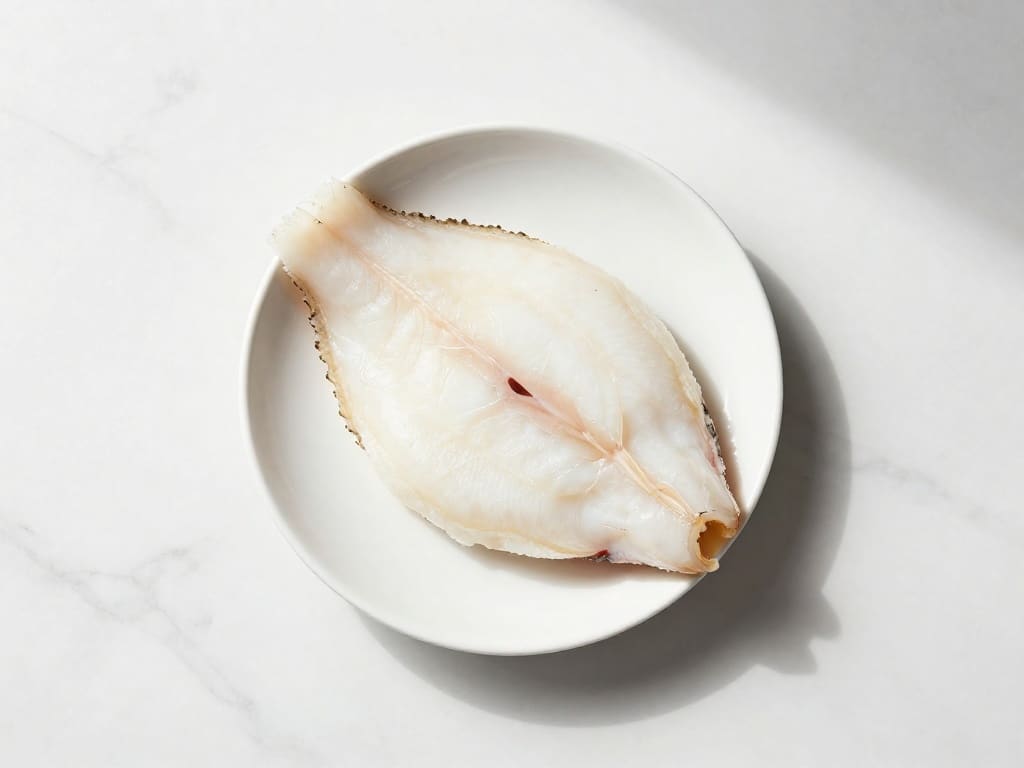
Halibut is the closest structural match to grouper on this list. It has a dense, firm flesh that holds its shape during high-heat cooking and resists falling apart when you flip it on the grill or slide it out of a baking dish.
The fat content is moderate, which keeps the fillet moist without becoming greasy.
Use halibut at a 1:1 ratio by weight. It works best for baking at 375°F to 400°F for 15 to 20 minutes, or grilling over medium-high heat for about 4 to 5 minutes per side depending on thickness.
Pan-searing also works well when you start with a hot, oiled pan and finish in the oven.
The main tradeoff is flavor intensity. Halibut has a slightly more pronounced ocean flavor than grouper, which some tasters describe as cleaner but more assertive.
That distinction mostly disappears when you are working with bold marinades, citrus-based sauces, or herb crusts. Fresh herb alternatives like tarragon or chervil work particularly well alongside halibut's natural savoriness.
Halibut fillets tend to run thick, so portion carefully to keep cooking times consistent with what your recipe calls for. If a fillet is more than an inch thick, add 3 to 5 minutes to baking time and check for doneness with a fork - the flesh should flake cleanly and appear opaque all the way through.
The FDA recommends cooking fish to an internal temperature of 145°F for safe consumption.
Halibut is the closest all-purpose substitute for grouper. Its firm texture and moderate fat content make it reliable for baking, grilling, and pan-searing without significant recipe adjustments.
2. Cod
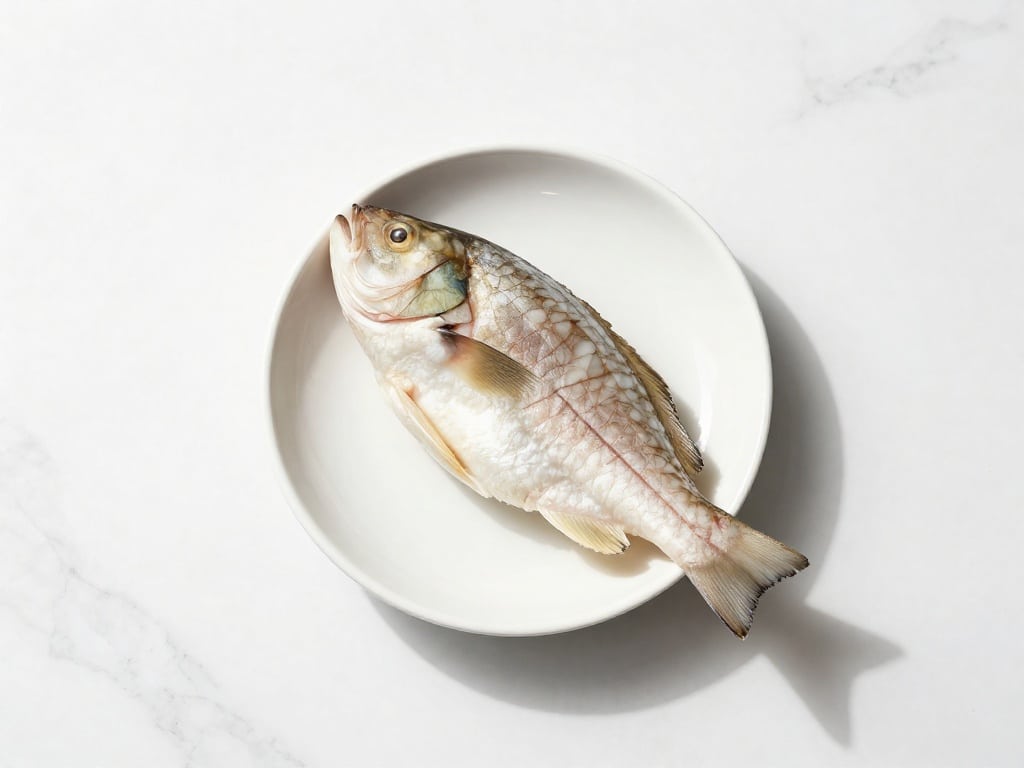
Cod is one of the most available white fish on the market, and it holds up well across the same high-heat methods that suit grouper. It has a lean, firm texture with large, clean flakes that mimic grouper's structure closely in baked and pan-seared dishes.
The flavor is mild and slightly briny without being overpowering.
Swap cod in at a 1:1 ratio. Pan-searing works especially well: heat oil in a heavy skillet over medium-high heat, add the fillet skin-side down, and cook for 3 to 4 minutes before flipping.
Baking at 400°F for 12 to 15 minutes also produces reliable results. Broiling is another strong option when you want a golden top.
The key tradeoff with cod is that its lean flesh dries out faster than grouper if you push past doneness. Pull cod from heat at 140°F and let carryover cooking finish the job.
A light brush of butter or olive oil before cooking helps retain moisture, especially in the oven.
Cod is also a staple seafood protein with wide availability year-round, which makes it the most practical everyday substitute when grouper is out of stock or out of budget. It pairs well with lemon butter, garlic sauces, and herb-forward preparations.
If your recipe uses a thickened pan sauce, you can use flour alternatives to build the same texture without affecting the fish itself.
3. Sea Bass
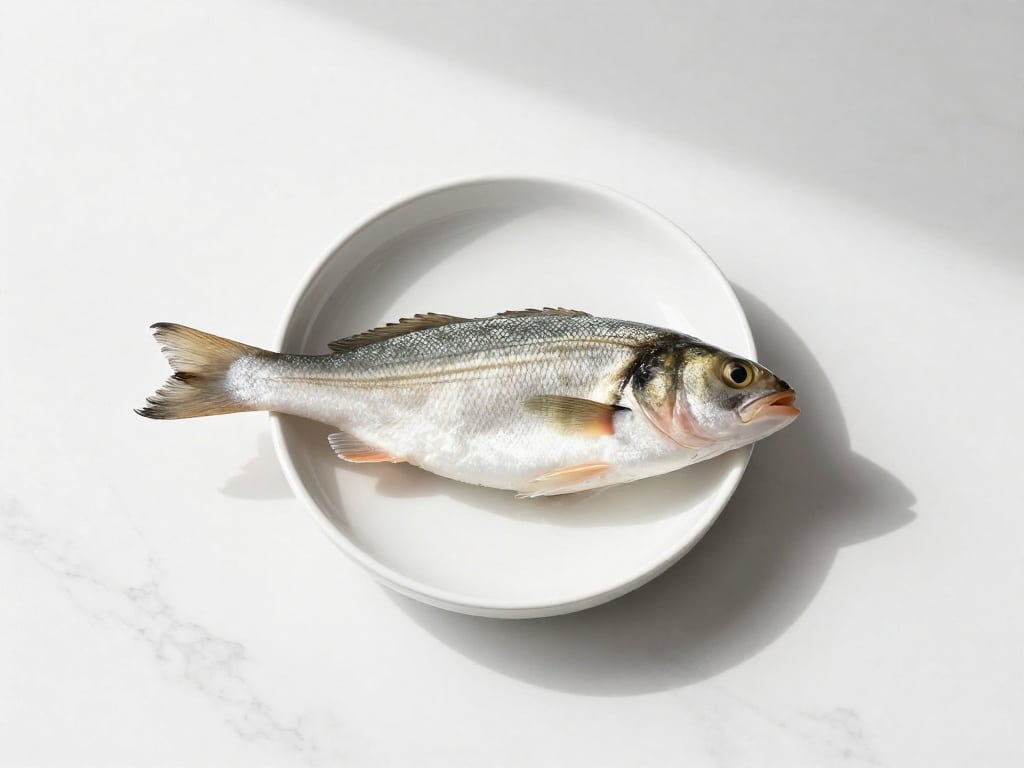
Sea bass brings a mildly sweet, delicate flavor that is slightly different from grouper's neutral savoriness, but the firm, moist flesh makes it an excellent structural substitute.
It has a higher fat content than cod or haddock, which gives it a silkier mouthfeel and more forgiveness over direct heat.
Use sea bass at a 1:1 ratio. It performs best on the grill or under the broiler, where the exterior can develop a golden char while the inside stays tender.
Grill over medium-high heat for 4 to 5 minutes per side, or broil about 6 inches from the element for 6 to 8 minutes total. Pan-searing works well too, especially when you finish with a squeeze of lemon and a knob of butter.
The main flavor tradeoff is sweetness. Sea bass has a subtly sweeter profile than grouper, which can complement citrus-forward recipes but may shift the balance in heavily savory preparations.
BBC Good Food recommends keeping seasonings simple with sea bass to let its natural flavor come through, and that applies equally when using it as a grouper substitute.
Watch fillet thickness carefully. Sea bass fillets vary widely depending on the cut, and a thicker piece will need extra time on each side compared to a standard grouper portion.
Start checking doneness at the 4-minute mark and adjust from there. Thinner fillets from a smaller fish can cook through in as little as 3 minutes per side over direct heat.
4. Haddock
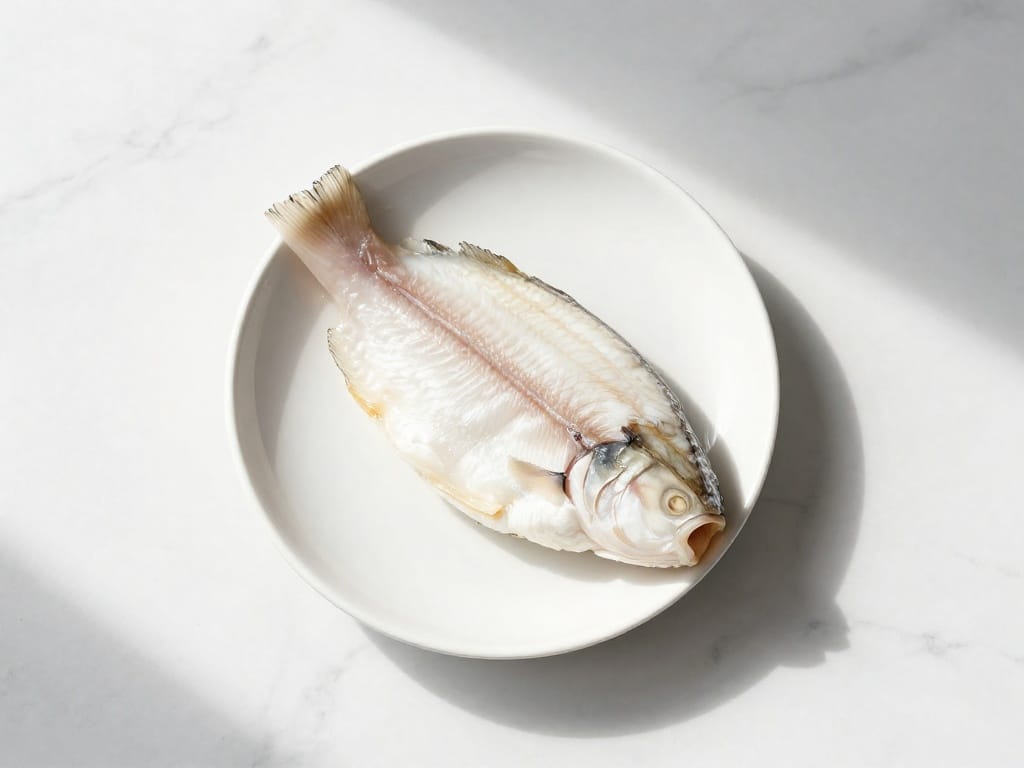
Haddock is closely related to cod and shares many of its cooking properties, but it has a slightly sweeter, more delicate finish that sets it apart. The fillets are sturdy enough to hold together during pan-searing and baking, and the flake size is similar to grouper's medium-to-large structure.
It is a practical, widely available substitute that works across most grouper recipes without major adjustments.
Swap in haddock at a 1:1 ratio. Pan-searing over medium-high heat for 3 to 4 minutes per side gives the exterior a golden crust while keeping the inside moist.
Baking at 375°F for 15 to 18 minutes also works well, especially with a light breadcrumb topping or a simple herb butter. Avoid very high broil settings, which can dry the lean flesh quickly.
The flavor balance with classic grouper pairings is good. Haddock's mild sweetness works with lemon, capers, white wine sauces, and garlic-herb preparations.
Serious Eats notes that haddock is one of the most versatile white-fish options for substitution, specifically because its texture stays consistent across baking and stovetop cooking.
The main moisture concern is the same as with cod: haddock is lean, and overcooking by even 2 to 3 minutes can produce a dry, chalky result. Baste with butter or olive oil halfway through baking to keep the surface from tightening up.
If you are making a dish with a sauce or broth component, haddock actually benefits from the added moisture more than grouper would. Pair with a tangy acid element to balance its sweetness in richer preparations.
5. Red Snapper
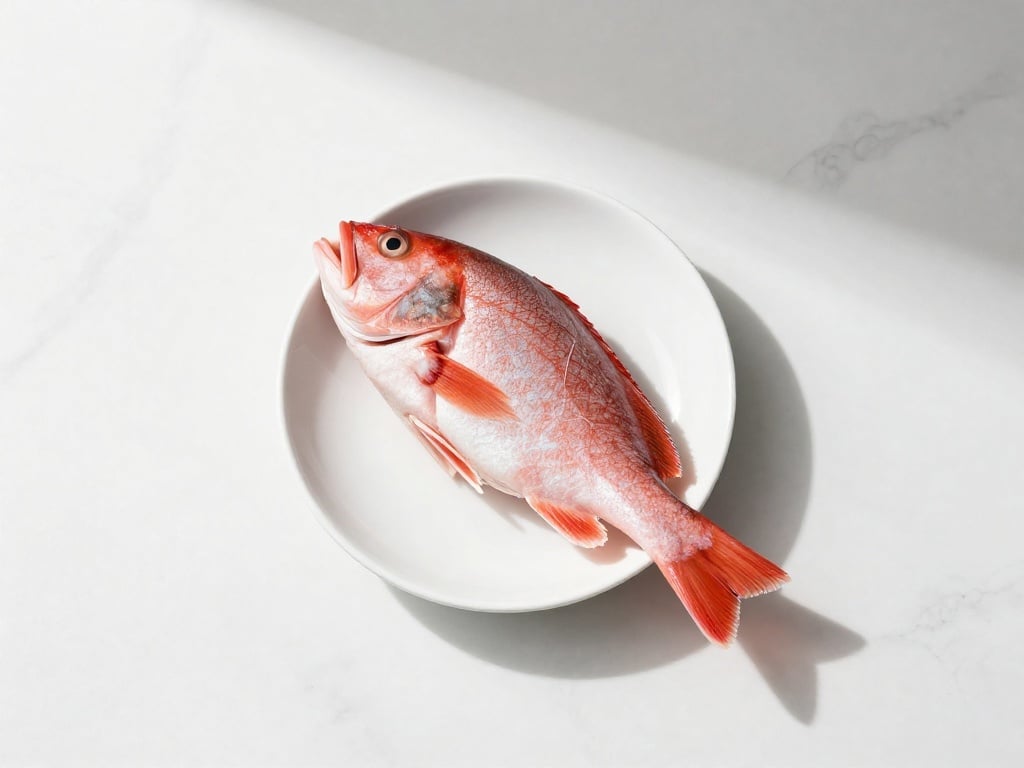
Red snapper has a mild, slightly nutty flavor that is different from grouper's straightforward savoriness, but the firm, lean flesh behaves similarly in the oven and on the grill.
It is a popular choice in coastal markets and holds up well to bold seasonings, herb crusts, and tomato-based sauces.
Use red snapper at a 1:1 ratio. Grilling works best: brush the fillet with oil, season generously, and cook over medium-high heat for 4 to 5 minutes per side.
Roasting whole or in fillets at 400°F for 15 to 20 minutes also produces excellent results. The skin crisps nicely when pan-seared, which makes it a good choice when presentation matters.
The flavor tradeoff is subtle but real. Red snapper is slightly nuttier than grouper, which most people find pleasant but which can shift the profile of very mild, clean-flavored dishes.
In preparations with bold spice rubs, citrus marinades, or robust sauces, that difference is essentially undetectable. FAO snapper profiles confirm that red snapper's cooking versatility is comparable across most warm-water fish preparations.
Red snapper is also well priced relative to grouper in most markets, making it a practical everyday swap for home cooks. Availability can be regional, but frozen fillets are widely stocked.
The skin is edible and adds a slightly richer flavor when cooked correctly. If your grouper recipe calls for whole fish rather than fillets, red snapper is the best candidate on this list for a direct size-matched replacement.
A simple swap in your pantry substitution approach works well here too - same method, same timing, different fish.
Red snapper is a strong value substitute that handles bold seasonings and sauces with ease. It is the best option for whole-fish preparations and grilled dishes where presentation and skin texture matter.
How to Choose the Right Substitute for Grouper?
The fastest way to pick a grouper substitute is to start with your cooking method, then filter by flavor preference. This simple framework covers the most common situations.
Referencing practical substitution logic reinforces that texture match is the primary variable, not flavor alone.
- Grilling or broiling: Halibut or sea bass. Both hold together over direct heat and develop a good sear without falling apart at the edges.
- Baking in a dish or with sauce: Cod or haddock. Their lean flesh absorbs surrounding flavors well and stays tender inside a covered or sauced preparation.
- Pan-searing with crispy skin: Red snapper or sea bass. Both have skin that crisps cleanly in a hot pan with a small amount of oil.
- Closest overall to grouper: Halibut. It matches texture, fat content, and cooking behavior more closely than any other substitute on this list.
- Best budget pick: Cod or haddock. Both are widely available, affordable, and forgiving enough for everyday cooking. Simple ingredient swaps like these rarely require recipe overhauls.
Match texture first, flavor second. Pick by method: halibut or snapper for the grill, cod or haddock for the oven, sea bass when you want something a little richer and more elegant on the plate.
Frequently Asked Questions
What is the best substitute for grouper if I'm grilling?
Halibut and sea bass are the top grilling substitutes. Both have firm flesh that holds up over direct flame and cook in 4 to 5 minutes per side at medium-high heat.
Can I substitute tilapia for grouper in recipes?
Tilapia works in a pinch but has thinner fillets and a softer texture that can fall apart in grilled or roasted preparations. It is better suited to baked dishes with a sauce.
Are substitutions for grouper suitable for baking dishes?
Yes. Cod, haddock, and halibut all bake well at 375°F to 400°F. Cod and haddock are the best picks for sauced or covered baking dishes.
How do I adjust cooking times when substituting grouper with a firmer fish?
Add 2 to 4 minutes for thicker halibut fillets over 1 inch. Always check internal temperature rather than relying only on time; 145°F is the safe mark for all fish.
Is halibut a good substitute for grouper in seafood stews?
Halibut works well in stews because its firm texture holds together during simmering. Add it in the final 5 to 7 minutes to prevent overcooking in the hot liquid.
Savory Tweaks: 5 BEST Substitutes for Grouper
Ingredients
Method
- Choose your substitute based on the dish type and desired flavor match.
- Prepare the substitute as directed: adjust ratios and prep as noted for each option.
- Apply the substitution ratio carefully. Start with the stated amount and adjust to taste.
- Taste and adjust seasoning. Some substitutes shift flavor or texture slightly.
Notes
- Leaner substitutes like cod and haddock dry out faster than grouper - pull from heat at 140°F and let carryover cooking finish the job.
- For grilling, halibut and sea bass hold together best over direct flame. For baking or sauced dishes, cod or haddock are the most reliable picks.
Tried this recipe?
Let us know how it was!
Carrie is a food writer and editor with more than 15 years of experience. She has worked for some of the biggest names in the food industry, including Bon Appétit, Food & Wine, and Martha Stewart Living.
As the Editor in Chief of EpicureDelight, Carrie oversees all of the content on the site. She also manages the team of contributing writers and editors, who help to create delicious recipes, helpful tips, and informative articles that you’ll find on the site.
A native of the Chicago area, Carrie is passionate about all things food. She loves trying new restaurants and experimenting with new recipes in her kitchen. She’s also a graduate of the Culinary Institute of America, so she knows a thing or two about food!



