Truffle oil usually keeps its best aroma for several months after opening, but the bottle label should set the exact clock. The carrier oil, added flavor, package, and presence of real truffle pieces all change how you should store and judge it.
The truffle smell can fade while the oil still tastes clean. Rancid carrier oil is a separate failure, so inspect both the aroma and the base oil before you drizzle an old bottle over dinner.

Follow the label after opening and protect the bottle from light, heat, and air. Weak truffle aroma means use the oil soon, while a stale-nut, crayon, putty, or paint-like oil smell means discard it.
Read the Ingredients Before You Trust a Date
Truffle oil is a product style rather than one fixed formula. One bottle may combine olive oil with truffle flavor, while another uses a neutral oil, natural aroma compounds, or visible pieces of truffle.
That difference matters because the carrier oil supplies most of the volume and can become rancid. Fresh solids also introduce a storage issue that a flavor-only commercial oil may not have.
| What the label shows | Which rule leads | What to check |
|---|---|---|
| Olive oil plus truffle flavor | Label and olive-oil quality | Rancidity, light exposure, and fading aroma |
| Neutral oil plus truffle flavor | Label and carrier-oil date | Stale oil odor and loss of truffle character |
| Visible truffle pieces | Producer's after-opening direction | Refrigeration order, solids, gas, and growth |
| Homemade fresh-truffle oil | Tested recipe and cold-storage rule | Time, temperature, sanitation, and ingredient safety |
Do not apply a commercial shelf-life estimate to homemade fresh-truffle oil. Fresh garlic, mushrooms, herbs, or truffle stored in oil can create food-safety concerns that flavored shelf-stable oil does not share.
A best-by date usually describes unopened quality. Once you break the seal, note the month and use the maker's after-opening direction when one appears.
Small bottles often make more sense because truffle oil works as a finishing accent. You may use only a teaspoon at a time, so a large bottle can spend months collecting headspace before it runs out.
The Truffle Aroma and the Oil Can Fail at Different Times
Truffle aroma depends heavily on volatile sulfur compounds. Research has identified 2,4-dithiapentane as a major odorant in many commercial truffle-flavored oils, though real truffles contain a broader mixture of aroma compounds.
Those volatile notes can weaken each time air enters the bottle. A fading bottle may smell less earthy, garlicky, or truffle-like even when the oil underneath still tastes mild and clean.
Oil rancidity follows another path. Oxygen reacts with fats, and heat, light, age, and headspace can speed the development of stale flavors and odors.
Smell the oil itself after the first truffle note. Stale nuts, crayons, putty, old paint, or a greasy cardboard finish point to an oxidized carrier.
Flat aroma means use soon. Rancid oil means discard. A weak truffle smell may still add gentle flavor to potatoes or eggs, but rancid oil will damage every dish it touches.
Cold olive-based oil may turn cloudy or form pale crystals. Let a small amount return to room temperature before judging it, since reversible chilling haze does not prove rancidity.
Give the Bottle Less Light, Heat, and Air
UC Davis notes that dark or opaque packaging reduces the light exposure that hastens oil oxidation. The same storage choice also protects the aroma compounds that make truffle oil useful.
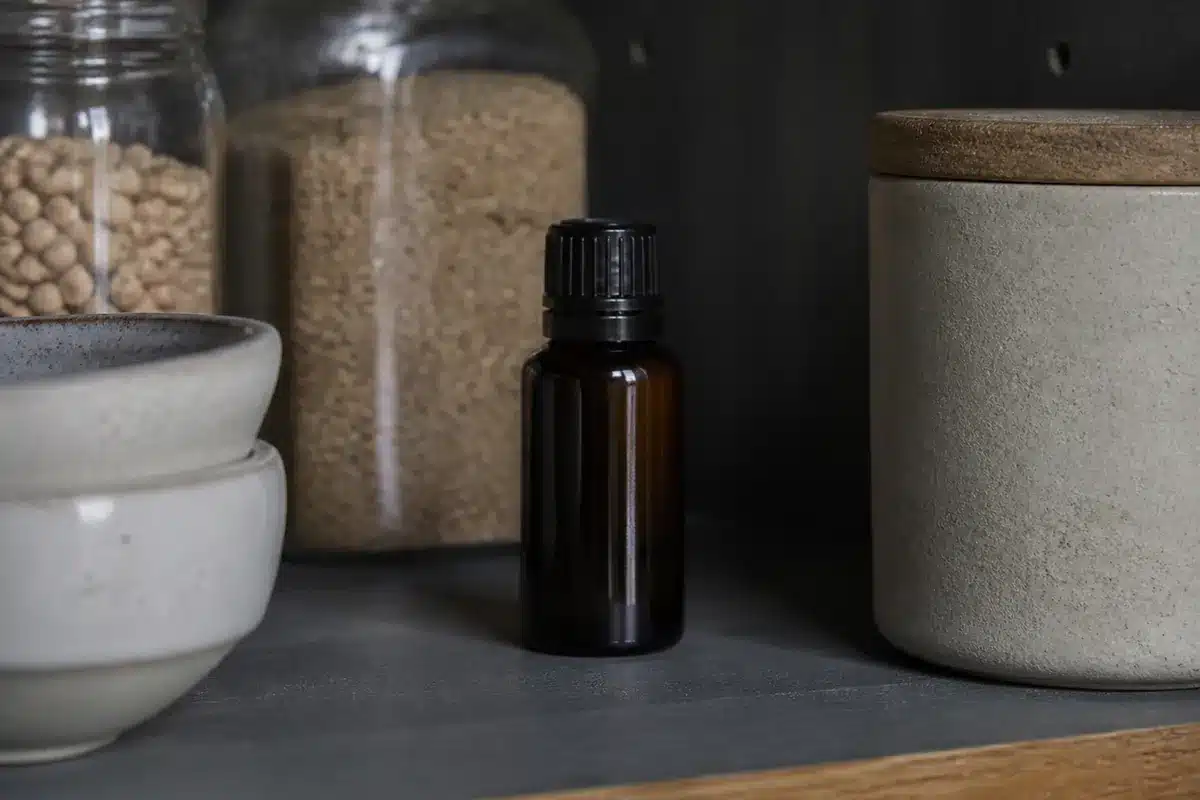
Keep the bottle in an interior cabinet instead of on a counter beside the range. A warm shelf may look convenient, but every cooking session can raise the oil's temperature.
Close the cap as soon as you finish pouring. A narrow pour spout is useful only when it also seals well between uses.
Wipe the neck with a clean paper towel before replacing the cap. Old oil on the threads can smell stale before the liquid inside changes.
A half-empty large bottle contains more oxygen than a nearly full small one. Buy the size you can finish, or transfer clean oil to a smaller food-safe dark bottle when the original container no longer protects it well.
Use a clean spoon or pour directly without letting the bottle touch food. Crumbs, steam, or sauce on the opening can create changes that no printed date predicts.
Run a Two-Part Smell and Taste Check
Test truffle oil at room temperature and away from a hot pan. Heat releases a fast cloud of aroma that can hide the quieter smell of the carrier oil.
- Inspect the package. Stop when the cap leaks, the bottle is cracked, or a safety seal failed before purchase.
- Look at a white spoonful. Check for unexpected growth, gas, stringy material, or particles that the label does not explain.
- Smell the truffle note. Decide whether it is strong, fading, or absent without judging the base oil yet.
- Smell the carrier. Look for stale nuts, wax, crayons, putty, paint, or greasy cardboard.
- Taste on plain bread. Do this only when the package, appearance, and smell pass the earlier checks.
Clean oil with a quiet truffle aroma can still finish eggs, mashed potatoes, or a mild soup. Use it soon and add it after cooking, since prolonged heat drives off the remaining aroma.
Discard oil with a harsh stale finish, even when its truffle fragrance remains strong. Do not blend it into fresh oil because the oxidized flavor will spread through the new bottle.
A hot frying test wastes the aroma and gives you less control. Truffle oil usually works best by the drop or teaspoon on cooked food.
Refrigeration Is a Label Choice, Not a Rescue
Some commercial brands direct you to store truffle oil at room temperature, while products with solids may call for refrigeration. Follow the bottle because its maker knows the formulation and packaging.
When the Label Allows Room Temperature
Use a cool dark cabinet and keep the cap tight. Ordinary refrigeration can thicken olive oil and mute its aroma, which makes a quick quality check harder.
If the bottle becomes cloudy in the refrigerator, pour what you need and let it warm naturally. Do not heat the whole bottle to clear it.
When the Label Requires Refrigeration
Keep the bottle at 40°F or below and return it promptly after use. Use clean tools and obey any short after-opening period printed beside the storage direction.
Visible truffle pieces do not prove the oil needs cold storage, but they make the producer's direction especially important. Treat a broken seal, gas, mold, or leaking package as a discard signal.
Freezing does not reverse oxidation or recover lost aroma. It can create haze, crystals, and expansion pressure while giving you no useful quality advantage.
Buy less, cap it quickly, and finish it while the aroma is vivid. Those choices protect truffle oil better than moving an aging bottle between pantry, refrigerator, and freezer.
Sources
- UC Davis guidance on olive oil packaging, light, and oxygen
- Food Control study on commercial and homemade truffle-flavored oils
- Scientific review of truffle aroma compounds
- Manufacturer room-temperature storage example
Use the bottle's best-by date as the main quality guide. Store it sealed in a cool dark place and inspect any bottle exposed to heat or a damaged closure.
Olive-oil fats can crystallize in cold storage and make the oil cloudy. Let a small portion warm to room temperature before checking it again.
Use a fading but clean oil soon as a finish. Discard rancid oil, since cooking cannot remove its stale flavor.
No. Fresh solids can shorten the storage rule and make label directions more important, even when they add visual appeal.
Many truffle aromas include sulfur notes that people describe as garlicky or earthy. A new solvent, paint, or stale-fat smell from an older bottle deserves a separate carrier-oil check.

Carrie is a food writer and editor with more than 15 years of experience. She has worked for some of the biggest names in the food industry, including Bon Appétit, Food & Wine, and Martha Stewart Living.
As the Editor in Chief of EpicureDelight, Carrie oversees all of the content on the site. She also manages the team of contributing writers and editors, who help to create delicious recipes, helpful tips, and informative articles that you’ll find on the site.
A native of the Chicago area, Carrie is passionate about all things food. She loves trying new restaurants and experimenting with new recipes in her kitchen. She’s also a graduate of the Culinary Institute of America, so she knows a thing or two about food!