If you're a fan of cultured foods, especially those with tons of probiotics, then you have certainly heard of kefir.
It is packed full of beneficial bacteria that promote your gut health, but also has a pleasant flavor and creamy texture.
This could explain why kefir has grown in popularity over the years - despite its difficult pronunciation!
But one question continues to perplex many kefir fans: How long does this fermented milk drink last?
Let's start off by understanding what makes up Kefir and dive deeper into exploring its shelf life.
What is Kefir?
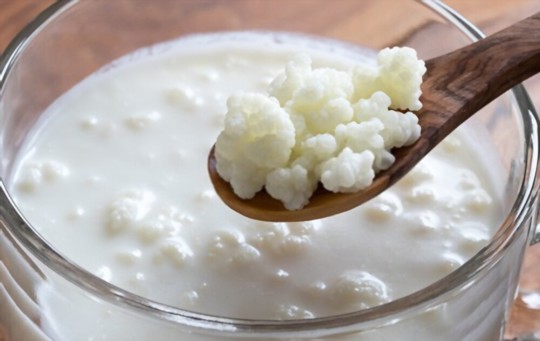
Kefir is a fermented milk drink that originated in the Caucasus Mountains.
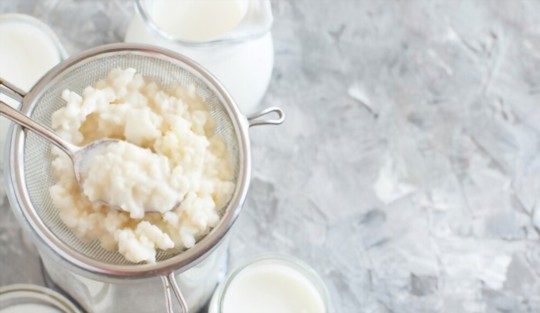
It is made by adding kefir grains to milk, which then ferment and turn the milk into a slightly sour, effervescent beverage.
Kefir has a slightly tangy taste and is often compared to yogurt.
However, unlike yogurt, kefir contains live bacteria and yeast, which gives it a range of health benefits.
It is an excellent source of probiotics, which are live bacteria that are beneficial for gut health.
Probiotics help to restore the balance of good and bad bacteria in the gut, and have been linked to a range of health benefits including improved digestion, reduced inflammation, and enhanced immunity.
Kefir is also a good source of calcium, phosphorus, and vitamin B12.
While kefir can be made with any type of milk, dairy-free options are also available.
Coconut milk kefir is a popular dairy-free alternative that still contains all the same probiotic benefits as traditional kefir.
How Long Does Kefir Last?
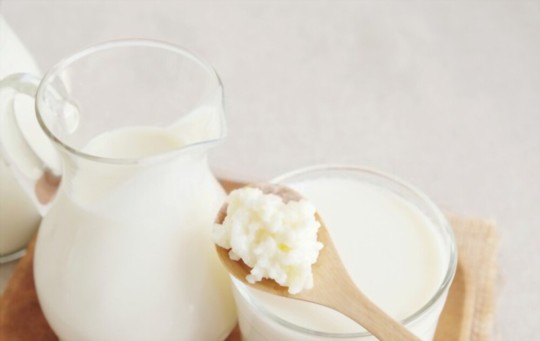
Kefir is a fermented milk drink that originated in the Caucasus Mountains.
It is made by adding kefir grains to milk, which then ferment and produce lactic acid.
This gives kefir its characteristic sour taste.
Kefir can be made from any type of milk, including cow's milk, goat's milk, or sheep's milk.
It has a long shelf life and does not need to be refrigerated.
It will last for months, or even years, if stored in a cool, dark place.
The fermentation process that takes place in kefir also makes it resistant to spoiling.
However, once opened, kefir should be consumed within a few days.
Kefir is a healthy probiotic food that is rich in vitamins and minerals.
It has many health benefits, including aiding digestion, boosting immunity, and improving bone health.
Kefir is also a low-calorie food and is suitable for those on a weight-loss diet.
How to Store Kefir?
Kefir is a fermented milk drink that has many health benefits.
It is rich in probiotics and calcium, and has been shown to boost immunity and improve digestion.
Kefir can be made at home or purchased at most grocery stores.
If you've ever made homemade kefir, you know that it's a bit of a process.
First, you need to make or purchase kefir grains.
These are live bacteria cultures that are used to ferment the milk.
Next, you need to add the kefir grains to milk and let it sit for 24-48 hours to allow the fermentation process to occur.
After that, you strain out the kefir grains and enjoy your delicious, probiotic-rich drink.
But what do you do with the leftover kefir grains? Can they be stored for later use?
The answer is yes.
There are a few different ways to store kefir grains so that you can enjoy fresh kefir anytime you want.
One way to store kefir grains is in a jar of milk in the fridge.
The milk will keep the grains alive and healthy for up to two weeks.
Just make sure to check on the milk every few days and give it a stir so that the grains don't settle at the bottom of the jar.
Another way to store kefir grains is by freezing them.
This is a great option if you want to take a break from making kefir for awhile or if you're going on vacation and won't be able to make it for a few weeks.
To freeze kefir grains, simply place them in a plastic baggie or container and pop them in the freezer.
They'll last for several months this way.
When you're ready to start making kefir again, simply thaw out the frozen grains and add them to milk as usual.
You may need to give them a little extra time to ferment (up to 48 hours), but other than that, they'll work just as well as fresh ones.
Can You Freeze Kefir?
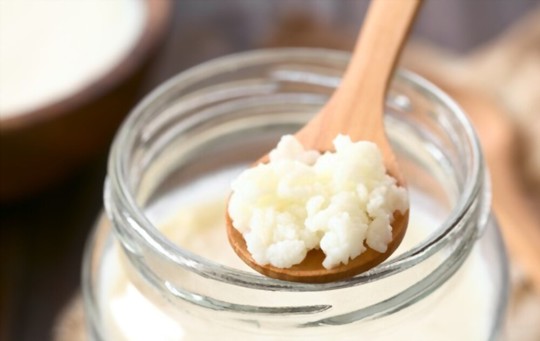
You can freeze kefir, but it's not recommended.
Freezing kefir will change its texture and make it less enjoyable to drink.
If you do choose to freeze kefir, it's best to use it within a few months.
After that, the quality will start to decline.
Kefir is a fermented milk drink that is made with kefir grains.
These grains are a combination of bacteria and yeast that ferment the lactose in milk to create lactic acid.
Kefir has a tart, slightly acidic taste and a creamy texture.
It's similar to yogurt, but thinner in consistency.
Kefir is rich in vitamins, minerals, and probiotics, making it a nutritious drink for both adults and children.
While you can freeze kefir, it's not recommended.
This is because freezing kefir will change its texture and make it less enjoyable to drink.
The fermentation process will also continue while kefir is frozen, which could lead to an unpleasant taste.
If you do choose to freeze kefir, it's best to use it within a few months.
After that, the quality will start to decline.
What are the Signs of Bad Kefir?
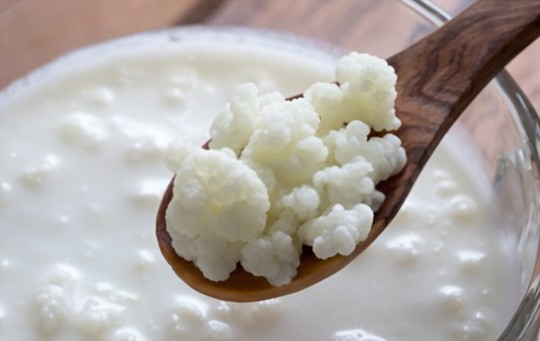
Kefir is a fermented milk drink that has many health benefits.
However, like all dairy products, it can go bad.
There are several signs that your Kefir has gone bad and you should no longer drink it.
The first sign is the smell. If your Kefir smells sour or unpleasant, it is no longer good to drink.
The second sign is the texture. If the Kefir is lumpy or thick, it has gone bad.
The third sign is the taste. If the Kefir tastes sour or off, it is no longer good to drink.
If you see any of these signs, it is best to throw out the Kefir and get a new batch.
Kefir that has gone bad can cause stomach upset and other digestive problems.
So it's best to be safe and discard any Kefir that you think might be bad.
Kefir Storage Tips and Duration
Kefir is a probiotic dairy product that is made by fermenting milk.
It is a thick and creamy drink that is rich in vitamins and minerals.
Kefir has a shelf life of about 2-3 weeks, but it can last even longer if it is properly stored.
To store kefir, simply keep it in the fridge in an airtight container.
You can also freeze kefir, which will extend its shelf life for up to 6 months.
When kefir goes bad, it will usually have a sour or sour milk smell.
If you see any signs of Mold growth, it is time to discard the kefir.
Ingredients
Method
- Store your product in an labelled container in a cool, dark place like the pantry or fridge.
- If your food is frozen, allow it to thaw in the fridge before cooking.
- Make sure to look for signs that your food has gone bad before eating it.
Tried this recipe?
Let us know how it was!More From EpicureDelight
The Complete Food Storage Guide - your complete resource for this topic.
See all food storage guides →Kefir stays fresh for [timeframe] under proper conditions. How it's packaged, where it's stored, and whether it's been opened all affect how long it lasts.
Yes - Kefir should be refrigerated after opening or once it's been prepared. Leaving it at room temperature for more than two hours increases the risk of bacterial growth.
Cool leftovers within two hours, transfer to an airtight container, and refrigerate. Most leftovers are best consumed within 3-4 days for both safety and quality.
High humidity causes faster mold growth on produce and baked goods; low humidity dries things out. Store moisture-sensitive items in controlled environments - produce drawers help regulate this.

Carrie is a food writer and editor with more than 15 years of experience. She has worked for some of the biggest names in the food industry, including Bon Appétit, Food & Wine, and Martha Stewart Living.
As the Editor in Chief of EpicureDelight, Carrie oversees all of the content on the site. She also manages the team of contributing writers and editors, who help to create delicious recipes, helpful tips, and informative articles that you’ll find on the site.
A native of the Chicago area, Carrie is passionate about all things food. She loves trying new restaurants and experimenting with new recipes in her kitchen. She’s also a graduate of the Culinary Institute of America, so she knows a thing or two about food!