Have you ever been uncertain about how long your jar of white wine vinegar will keep fresh?
We all have looked in our pantries countless times to find a forgotten container stored away for months, or even years.
If you're unsure of the expiration date and want to make sure that the product is still safe to use, this blog post is here to help!
I'll be going into detail on everything related to white wine vinegar and it's shelf life- from proper storage tips to tell tale signs that it has gone bad.
Whether you just got some new bottles of white wine vinegar or are digging around in your cupboard looking at old jars, read on and uncover everything you need to know about its lifespan!
What's White Wine Vinegar?
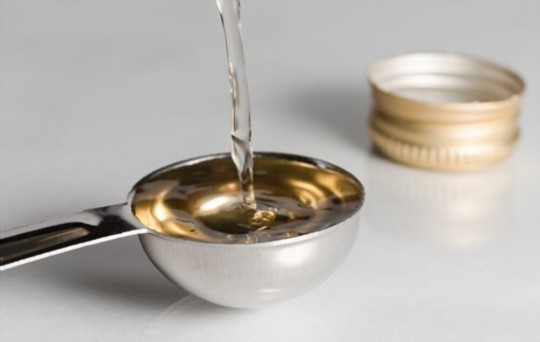
White wine vinegar is made from white wine that has been allowed to turn sour.
The exact process depends on the type of vinegar, but the general idea is that the wine is exposed to oxygen, which turns the ethanol into acetic acid.
This acetic acid is what gives vinegar its sour taste.
White wine vinegar has a variety of uses, both in the kitchen and around the house.
It can be used for cleaning, as a natural fabric softener, or even as a weed killer.
White wine vinegar is also a popular ingredient in many recipes, including salad dressings, marinades, and sauces.
Despite its many uses, white wine vinegar does have a shelf life and will eventually go bad.
The is that it takes quite a long time for white wine vinegar to go bad - up to two years if stored properly.
After that, the vinegar will start to lose its potency and flavor.
So if you've had a bottle of white wine vinegar sitting in your pantry for a while, it's still probably safe to use.
Just be sure to give it a sniff before using it to make sure it hasn't gone bad.
How to Store White Wine Vinegar?
White wine vinegar is a flexible ingredient that can be used in a variety of dishes.
It has a slightly sour taste that can add depth of flavor to many recipes.
While white wine vinegar is relatively shelf-stable, there are still some best practices for storing it.
Here are a few tips for how to store white wine vinegar:
- Store white wine vinegar in a cool, dark place. This will help to preserve its flavor and prevent it from going bad too quickly.
- Keep the vinegar in an airtight container. This will help to prevent oxidation and keep the flavor fresh.
- If you're not using all of the vinegar at once, you can store it in the refrigerator. This will help to prolong its shelf life.
By following these storage tips, you can enjoy the flavor of white wine vinegar for months to come.
White Wine Vinegar Shelf Life Explained
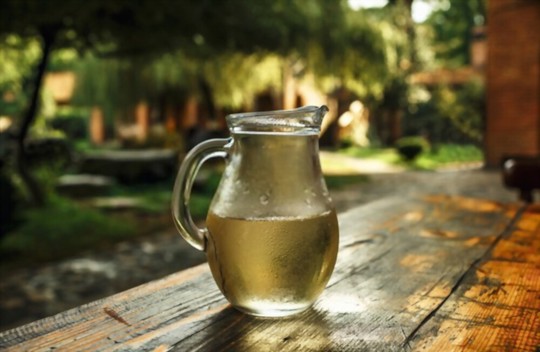
White wine vinegar is a type of vinegar made from white wine.
It has a light, acidic flavor and is commonly used in salad dressings, marinades, and as a flavoring agent.
White wine vinegar can last for up to 2 years if it is stored properly.
Vinegar is a sour liquid that is produced when alcohol is exposed to air and bacteria.
The bacteria convert the alcohol into acetic acid, which gives vinegar its sour taste.
White wine vinegar is made by allowing white wine to turn into vinegar.
To store white wine vinegar, keep it in a cool, dark place like a pantry or cupboard.
You can also store it in the fridge, but it may become cloudy.
If this happens, simply let it sit at room temperature until the cloudiness disappears.
Discard white wine vinegar if it changes color or develops an off odor.
These are signs that the vinegar has gone bad and could make you sick if consumed.
Can You Freeze White Wine Vinegar?
White wine vinegar is a type of vinegar that is made from white wine.
It has a slightly sweeter taste than other types of vinegar, and it is often used in salad dressings and marinades.
You can freeze white wine vinegar, but it may change the texture and taste of the vinegar.
If you are going to freeze white wine vinegar, it is best to do so in an ice cube tray.
This will allow you to use only the amount of vinegar that you need, and it will also prevent the vinegar from freezing in one big block.
Once the vinegar is frozen, you can transfer it to a freezer bag or container.
When you are ready to use the frozen white wine vinegar, thaw it in the refrigerator overnight.
The next day, give the vinegar a good shake before using it.
You may notice that the texture of the vinegar is different after freezing, but this should not affect the taste.
How to Tell If White Wine Vinegar Is Bad?
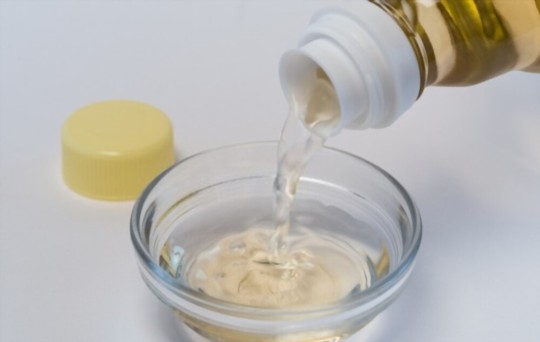
White wine vinegar is a type of vinegar that is made from white wine.
It has a milder flavor than other types of vinegar, making it a good choice for salads and other dishes.
White wine vinegar can last for years if it is stored properly, but it will eventually go bad.
There are a few signs to look for that will tell you if your white wine vinegar has gone bad.
The first sign that your white wine vinegar has gone bad is the color.
If the vinegar is no longer clear, but instead has turned brown or yellow, then it has gone bad and should be discarded.
Another sign to look for is the smell. If the vinegar smells sour or rancid, then it has also gone bad and should be thrown out.
Finally, if the taste of the vinegar is off, then it has also gone bad and you should not use it.
If you notice any of these signs, then your white wine vinegar has gone bad and you should throw it out.
You should also make sure to check the expiration date on the bottle before using it, as even unopened bottles of white wine vinegar can go bad over time.
Signs White Wine Vinegar Has Spoiled
As vinegar is a food product, it will eventually go bad.
However, how long white wine vinegar lasts depends on how it is stored.
If stored properly, white wine vinegar can last for years.
However, if it is stored improperly, it may only last for a few months.
There are a few tell-tale signs that white wine vinegar has gone bad, such as if it has changed color or if it has a vinegary smell.
If you are unsure whether white wine vinegar has gone bad, it is best to throw it out.

Ingredients
Method
- Store your product in an labelled container in a cool, dark place like the pantry or fridge.
- If your food is frozen, allow it to thaw in the fridge before cooking.
- Make sure to look for signs that your food has gone bad before eating it.
Tried this recipe?
Let us know how it was!More From EpicureDelight
The Complete Food Storage Guide - your complete resource for this topic.
See all food storage guides →Stored correctly, White Wine Vinegar remains safe to eat for [timeframe] in the fridge. Freezing extends this considerably, though texture may change slightly after thawing.
Use-by dates are a guideline, not an absolute - White Wine Vinegar may still be safe shortly after, but quality degrades. Always check for spoilage signs before eating anything past its date.
Freezing preserves safety but may affect texture. Watery items like produce can turn soft after thawing. For cooked dishes, texture usually holds well once reheated from frozen.
Expiration dates indicate peak quality, not necessarily safety. Many foods remain safe beyond the printed date if stored correctly and show no signs of spoilage.

Carrie is a food writer and editor with more than 15 years of experience. She has worked for some of the biggest names in the food industry, including Bon Appétit, Food & Wine, and Martha Stewart Living.
As the Editor in Chief of EpicureDelight, Carrie oversees all of the content on the site. She also manages the team of contributing writers and editors, who help to create delicious recipes, helpful tips, and informative articles that you’ll find on the site.
A native of the Chicago area, Carrie is passionate about all things food. She loves trying new restaurants and experimenting with new recipes in her kitchen. She’s also a graduate of the Culinary Institute of America, so she knows a thing or two about food!