Have you ever opened a container of cocoa powder only to discover it has expired?
You're probably feeling pretty frustrated as all those sweets and treats that had been planned with cocoa can no longer come to fruition.
If this sounds like something you've experienced, then don't worry!
We understand how disappointing an "expired" package of cocoa can be - but don't throw the whole thing away just yet.
With our expert insights below, let us guide you on your journey to understanding more about cocoa expiration and spoilage, so that next time (or maybe even now!) your baking project comes out perfectly.
What's Cocoa Powder?
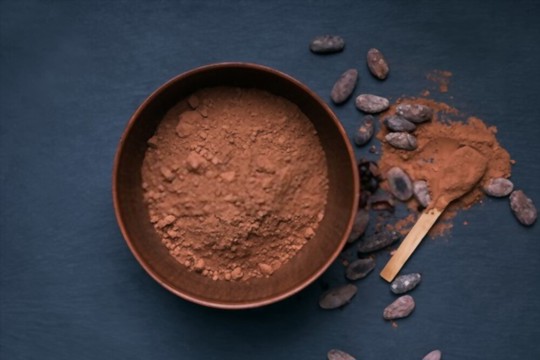
Cocoa powder is made from the beans of the cacao tree.
These beans are roasted, then ground into a fine powder.
Cocoa powder has a rich, chocolatey flavor and is used in many desserts and baking recipes.
The powder is an excellent source of antioxidants and flavonoids.
It also contains magnesium, iron, copper, and zinc.
Cocoa powder has been shown to improve heart health, lower blood pressure, and reduce inflammation.
If you're looking for a healthy way to add some chocolate flavor to your recipes, cocoa powder is a great option.
Just be sure to purchase unsweetened cocoa powder so that you don't end up with something too sweet.
How to Store Cocoa Powder?
It's important to store cocoa powder in an airtight, dark container.
Because it's a hygroscopic ingredient, meaning it absorbs moisture from the air, cocoa powder can quickly become lumpy and dry out if it's not properly stored.
An opened can of cocoa powder will last for about 18 months stored in a cool, dark cupboard.
Once you open a package of cocoa powder, transfer it to an airtight jar or container.
Be sure to discard any cocoa that has been contaminated with moisture.
Cocoa Powder Shelf Life Details
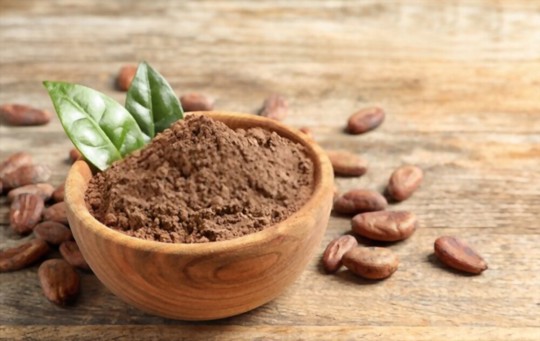
Cocoa powder is a popular ingredient in many desserts and baking recipes.
But how long does it last? Does cocoa powder go bad?
The powder can last for 2-3 years if stored properly.
The key to storing cocoa powder is to keep it in a cool, dry place.
Heat and moisture will cause the cocoa powder to clump together and lose its flavor.
Once opened, it's best to transfer the cocoa powder to an airtight container.
If you're not sure if your cocoa powder is still good, give it a sniff test.
If it smells rancid or off, it's best to discard it.
You can also try mixing a small amount with water to see if it dissolves properly.
If it doesn't dissolve or clumps together, it's time to say goodbye to your cocoa powder.
Can You Freeze Cocoa Powder?
You can freeze cocoa powder, but it's not necessarily the best way to store it.
Cocoa powder is hygroscopic, meaning it absorbs moisture from the air.
When cocoa powder is exposed to moist air, it can clump together and become hard to use.
Freezing cocoa powder can help prevent this from happening, but it's not a perfect solution.
If you do decide to freeze cocoa powder, make sure to put it in an airtight container.
You can also put the container of cocoa powder in a zip-top bag to further prevent moisture from getting in.
When you're ready to use the cocoa powder, thaw it out in the fridge overnight.
Then, give it a good stir before using.
How to Tell If Cocoa Powder Is Bad?
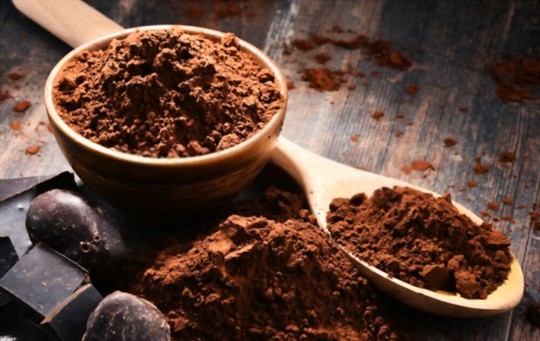
Cocoa powder is made from the beans of the cacao tree and is used to flavor many different desserts and baking recipes.
However, over time, cocoa powder can go bad and develop an off-flavor.
Here are a few signs that your cocoa powder has gone bad:
The first sign that your cocoa powder has gone bad is if it has changed colors.
If your cocoa powder has turned from a rich brown color to a grayish or black color, it is no longer good to use.
Another sign that your cocoa powder has gone bad is if it has developed lumps or clumps.
If your cocoa powder is no longer a fine, smooth powder, it has most likely gone bad and should not be used.
If you notice either of these signs, it is best to discard the cocoa powder and get a new container.
It is also important to store cocoa powder in an airtight container in a cool, dark place so that it does not go bad as quickly.
Storing Cocoa Powder Properly
With proper storage, it can last for years.
But like all food products, it will eventually go bad.
Be sure to keep an eye on your cocoa powder and give it a sniff before using it to make sure it's still good.
And if you're ever in doubt, err on the side of caution and toss it out.
Cocoa powder is relatively inexpensive, so it's not worth taking the risk of eating spoiled powder.

Ingredients
Method
- Store your product in an labelled container in a cool, dark place like the pantry or fridge.
- If your food is frozen, allow it to thaw in the fridge before cooking.
- Make sure to look for signs that your food has gone bad before eating it.
Tried this recipe?
Let us know how it was!More From EpicureDelight
The Complete Food Storage Guide - your complete resource for this topic.
See all food storage guides →Cocoa Powder typically lasts [timeframe] when stored properly. Refrigeration extends its life significantly compared to room temperature, and freezing can preserve it for months.
Signs that Cocoa Powder has gone bad include off smells, visible mold, discoloration, or a slimy texture. When in doubt, it's safest to discard it.
Airtight containers make a noticeable difference - they reduce moisture loss and limit exposure to air and odors from other foods in the fridge. Always transfer from original packaging when possible.
For most refrigerated items, 35-38°F (1.5-3°C) is optimal. Keeping your fridge at this range - not too cold, not too warm - maximizes freshness across all foods.

Carrie is a food writer and editor with more than 15 years of experience. She has worked for some of the biggest names in the food industry, including Bon Appétit, Food & Wine, and Martha Stewart Living.
As the Editor in Chief of EpicureDelight, Carrie oversees all of the content on the site. She also manages the team of contributing writers and editors, who help to create delicious recipes, helpful tips, and informative articles that you’ll find on the site.
A native of the Chicago area, Carrie is passionate about all things food. She loves trying new restaurants and experimenting with new recipes in her kitchen. She’s also a graduate of the Culinary Institute of America, so she knows a thing or two about food!