Are you confused about the shelf life of peanut oil?
You're not alone-many people are perplexed by questions like, does peanut oil go bad?
How long can it be stored for? Will it last longer if kept in particular conditions?
In this detailed blog post, we'll explore everything from what kind of container is best used to store peanuts oils and how temperatures and other factors affect its shelf-life, as well as offering tips on when and how you should use stored peanut oil.
So get ready to learn all the facts about whether or not vegetable oils such as peanut oil will last!
What's Peanut Oil?
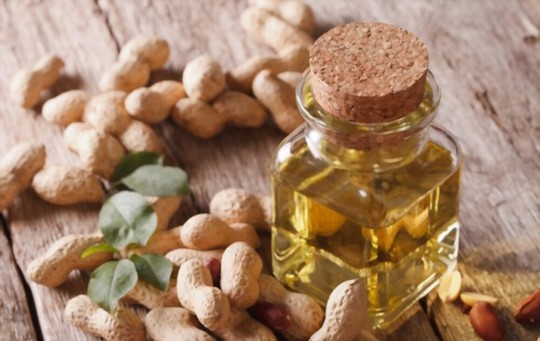
Peanut oil is a type of edible cooking oil commonly used in Chinese, South Asian, and Southeast Asian cuisine.
It's made by pressing groundnuts - or peanuts - that have been shelled and cleaned of their skins.
Peanut oil is known for its distinct flavor, which adds a nutty note to the dishes it is used in.
Peanut oil is highly valued for its high smoke point, which makes it useful for frying foods at high temperatures.
The robustness and neutral flavor of peanut oil make it a great choice for marinades and dressings as well as for stir frying vegetables.
When using it as an ingredient in other recipes, one should be sure to look for versions labeled "cold-pressed" to get the most out of the flavor and health benefits of the oil.
How to Store Peanut Oil?
There are a few things you need to keep in mind.
Peanut oil is sensitive to light and heat, so it's important to store it in a cool, dark place.
You also want to make sure the container is airtight so that the oil doesn't oxidize and go bad.
The best way to do this is to store the peanut oil in a dark glass bottle with a tight-fitting lid.
If you're planning on using the peanut oil within a few months, you can store it in the pantry.
But if you want it to last longer, it's best to store it in the fridge or freezer.
Just make sure to bring the oil back to room temperature before using it, as cold oil will solidify and be difficult to work with.
How Long Does Peanut Oil Last?
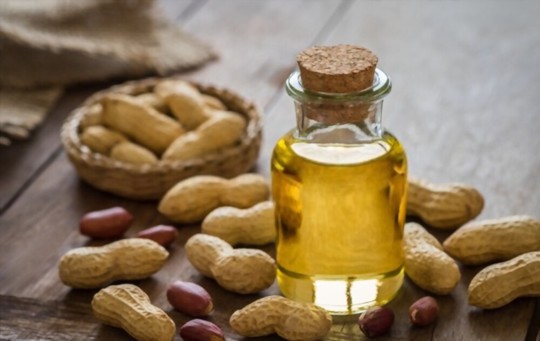
Peanut oil is a type of vegetable oil that is derived from peanuts.
Peanut oil is popular in many parts of the world and is often used for cooking.
Peanut oil has a nutty flavor and can be used to fry foods or as a salad dressing.
Peanut oil is also sometimes used in cosmetics and massage oils.
So how long does peanut oil last? When stored properly, peanut oil can last for up to two years.
Peanut oil should be stored in a cool, dark place.
If you are using peanut oil that has been stored for more than six months, it is best to smell it before using it to make sure it has not gone bad.
Peanut oil that has gone bad will have a rancid odor.
If you are unsure whether your peanut oil has gone bad, it is best to err on the side of caution and throw it out.
It is better to be safe than sorry when it comes to food safety.
Can You Freeze Peanut Oil?
Yes, you can freeze peanut oil. Peanut oil is a type of vegetable oil that is made from peanuts.
It is a popular ingredient in many Asian and African dishes.
Peanut oil has a high smoke point, which makes it ideal for frying food.
It also has a neutral flavor, so it does not alter the taste of food.
Peanut oil is also relatively inexpensive. It can be frozen for up to 12 months.
To freeze peanut oil, pour it into a freezer-safe container.
Make sure to leave some headspace at the top of the container, as the oil will expand as it freezes.
Label the container with the date and contents.
Place the container in the coldest part of your freezer.
When you are ready to use the frozen peanut oil, thaw it in the refrigerator overnight.
You can then use it as you would any other type of vegetable oil.
How to Tell If Peanut Oil is Bad?
If you're not sure whether or not your peanut oil has gone bad, there are a few things you can do to check.
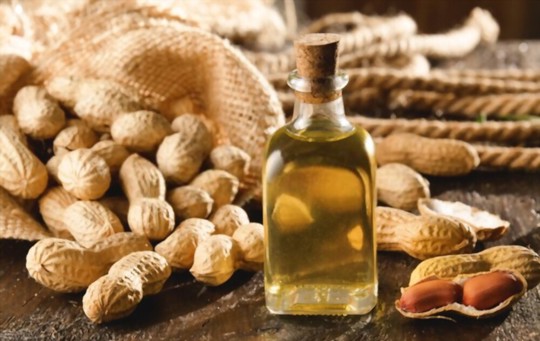
First, take a look at the color of the oil. If it's darker than it was when you first bought it, that's a sign that it's starting to go bad.
Peanut oil should be a light golden color.
Next, give the oil a sniff. If it smells rancid or off, that's another sign that it's time to toss it.
Peanut oil should have a mild, nutty aroma.
Finally, try cooking with the oil. If it smokes or smells burnt when you cook with it, that means it's definitely time to get rid of it.
Peanut oil has a high smoke point, so if it's starting to smoke when you cook with it, that means the quality of the oil has deteriorated and it's no longer good for cooking.
Peanut Oil Shelf Life Summary
Properly stored, peanut oil will last for 18-24 months.
Peanut oil should be stored in a cool, dry place and in a dark colored container.
If stored correctly, you can tell if peanut oil is bad by its smell and appearance.

Ingredients
Method
- Store your product in an labelled container in a cool, dark place like the pantry or fridge.
- If your food is frozen, allow it to thaw in the fridge before cooking.
- Make sure to look for signs that your food has gone bad before eating it.
Tried this recipe?
Let us know how it was!More From EpicureDelight
The Complete Food Storage Guide - your complete resource for this topic.
See all food storage guides →Peanut Oil has a shelf life of roughly [timeframe] when refrigerated and stored in an airtight container. Frozen, it can last significantly longer - up to several months.
Yes - freezing is an effective way to extend the life of Peanut Oil. Wrap it tightly or store in a freezer-safe container. Thaw in the fridge overnight for best results.
Glass or BPA-free plastic containers with tight-fitting lids are ideal. For produce, paper-lined containers help absorb excess moisture and extend freshness.
Wrapping tightly, keeping the fridge at the right temperature, using the right container, and storing away from ethylene-producing fruits (like apples and bananas) all meaningfully extend shelf life.

Carrie is a food writer and editor with more than 15 years of experience. She has worked for some of the biggest names in the food industry, including Bon Appétit, Food & Wine, and Martha Stewart Living.
As the Editor in Chief of EpicureDelight, Carrie oversees all of the content on the site. She also manages the team of contributing writers and editors, who help to create delicious recipes, helpful tips, and informative articles that you’ll find on the site.
A native of the Chicago area, Carrie is passionate about all things food. She loves trying new restaurants and experimenting with new recipes in her kitchen. She’s also a graduate of the Culinary Institute of America, so she knows a thing or two about food!