
Bechamel is one of those sauces that quietly holds dozens of dishes together. It layers into lasagna, coats a vegetable gratin, and forms the base of every creamy pasta bake worth making.

The problem is that it calls for both dairy and wheat flour, which immediately rules it out for anyone cooking dairy-free, gluten-free, or lower-fat.
A classic bechamel starts with a roux, equal parts butter and flour by weight, then pulls in warm milk at roughly a 1:1 roux-to-milk ratio for standard pouring consistency. That ratio is what gives it body and creaminess.
Any good substitute needs to replicate that same structure, otherwise your gratin goes watery or your lasagna layers slide apart.
The five substitutes here cover the main dietary scenarios: dairy-free, gluten-free, nut-free, and standard cooking. Each comes with an exact ratio tied to one cup of bechamel, so you do not have to guess at amounts mid-cook.
Alfredo sauce substitutes follow similar logic, since both sauces share a creamy, flour-thickened base that reacts the same way under heat.
The common goal across all five swaps is to maintain creaminess, body, and mild flavor without losing the sauce's ability to hold up in a baked dish. Some substitutes nail texture but shift flavor slightly.
Others stay completely neutral. The right choice depends on your dish, your diet, and how much richness you want in the final result.
The five best bechamel substitutes are creamy almond bechamel, cashew cream, white wine-stock sauce, gluten-free roux, and silken tofu blend. Each uses a defined ratio to match bechamel's creaminess and body, with options for dairy-free, gluten-free, and nut-free diets across pasta, gratins, and baked dishes.
Bechamel Sauce Substitutes in Detail
Creamy dairy-based options can mimic bechamel's mouthfeel at a straight 1:1 ratio in most hot sauces and gratins.
Non-dairy options, particularly those built on plant milks, often need a slightly higher starch or fat content to compensate for what milk fat naturally contributes to body and gloss.
The table below is your fast reference. Match your dietary need to the substitute, confirm the ratio, and move to the detail section for prep notes.
| # | Substitute | Ratio | Best For | Taste Match |
|---|---|---|---|---|
| 1 | Creamy Almond Bechamel | 1:1 | Vegetable dishes, pasta bakes, white gratins | Close, mild nuttiness |
| 2 | Cashew Cream Bechamel | 1:1.25 | Cheese sauces, rich gratins, creamy pasta | Close, very neutral |
| 3 | White Wine-Stock Sauce | 1:1 with stock | Seafood, chicken bakes, vegetable casseroles | Mild, slightly savory |
| 4 | Gluten-Free Roux Sub | 1:0.9 | GF diets, classic white sauces, lasagna | Close, nearly identical |
| 5 | Silken Tofu Bechamel | 1:1 | Vegetarian pasta, light protein-forward sauces | Mild, slightly different |
Save This for Later
Pin this savory tweaks: 5 best bechamel sauce substitutes guide so you always have it when you need it.
Pin This GuideEach substitute below gets its own prep notes, ratio breakdown, and tradeoff summary. Read the one that matches your dietary need and dish type before you start cooking.
1. Creamy Almond Bechamel
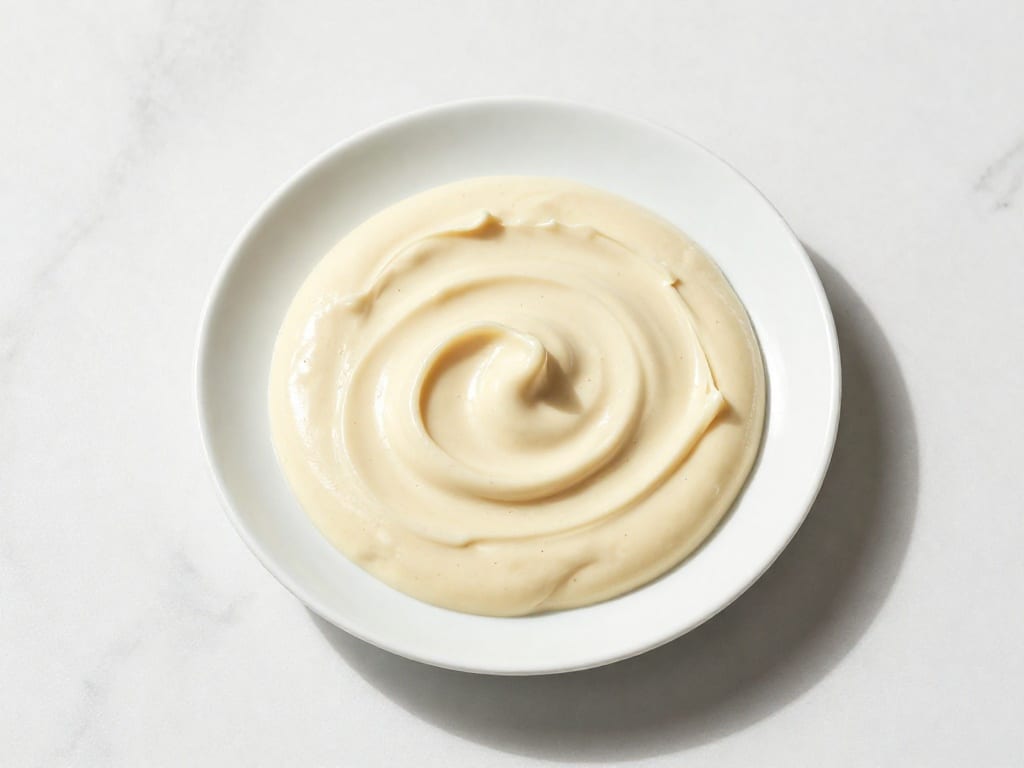
This is the go-to swap when you need a dairy-free white sauce that still behaves like bechamel in a hot pan. Use 1 cup unsweetened almond milk plus 2 tablespoons all-purpose flour (or a certified gluten-free flour blend) to match the thickness of 1 cup standard bechamel at a 1:1 ratio.
Whisk the flour into a small amount of melted neutral oil first, then slowly stream in the almond milk over medium heat, stirring constantly until the sauce thickens.
The flavor is mild with a faint nuttiness that most people do not notice once the sauce is seasoned with salt, white pepper, and a pinch of nutmeg. It works well under a breadcrumb gratin topping, folded into rice-based casseroles, or tossed through pasta as a light white sauce.
Avoid using sweetened almond milk, since even a small amount of added sugar will push the flavor in the wrong direction for savory dishes.
- Ratio: 1 cup almond milk + 2 tablespoons flour = 1 cup bechamel equivalent at 1:1.
- Best for: Vegetable gratins, white pasta sauces, dairy-free lasagna layers.
- Tradeoff: Slightly thinner than full-fat milk bechamel; add an extra teaspoon of flour if you need a stiffer set for baked dishes.
- Flavor note: The nuttiness is subtle, not dominant. Season assertively to keep the sauce tasting savory.
Almond bechamel is the most accessible dairy-free option. It sets cleanly in baked dishes and stays smooth without breaking when reheated.
2. Cashew Cream Bechamel
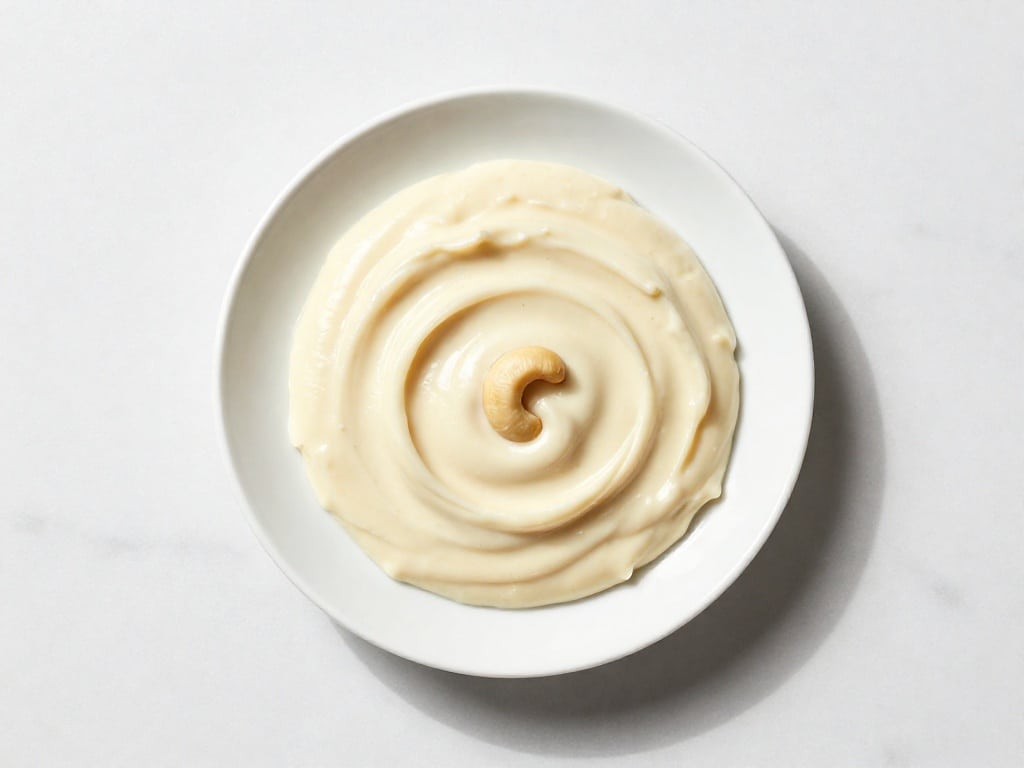
Cashew cream delivers the richest, most neutral flavor of all the plant-based substitutes here. Soak 1 cup raw cashews in cold water for at least 2 hours (or in boiling water for 30 minutes if short on time), then blend with enough water to reach a consistency similar to heavy cream, roughly half a cup of water per cup of soaked cashews.
Use this cashew cream at a 1:1 ratio for standard bechamel thickness, or scale up to 1:1.25 if you want a sauce that holds its shape more firmly in a layered gratin.
No flour roux is required if your blended cashew cream is thick enough, which makes it a naturally gluten-free option. It blends well in rich layered pasta dishes and holds up under heat without breaking the way some nut milks do.
Unsalted cashew butter thinned with water works as a shortcut, though the texture is slightly denser and may need extra whisking to smooth out.
- Ratio: 1 cup cashew cream to 1 cup milk-equivalent; use 1:1.25 for richer, thicker sauces.
- Best for: Cheese-style sauces, baked gratins, creamy vegetarian pasta.
- Tradeoff: Requires soaking time; not suitable for nut allergies.
- Flavor note: Very neutral and creamy; takes on added flavors like garlic, nutritional yeast, or white pepper extremely well.
If your blended cashew cream is thick enough to coat a spoon, you do not need a starch thickener. Skip the roux step entirely and save five minutes.
3. White Wine-Stock Sauce
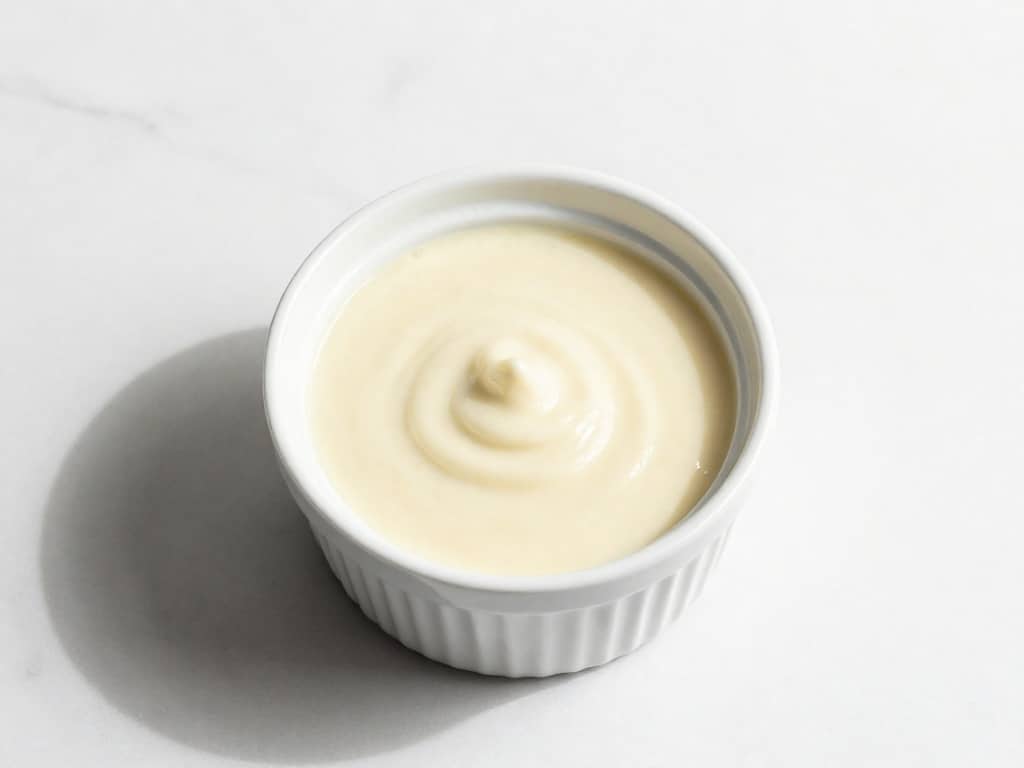
This substitute skips dairy and leans on the natural body of a light stock thickened with a small flour slurry. Combine 1 cup plant milk (or regular milk) with 1 tablespoon flour and 1 cup unsalted light stock for a total yield that matches standard bechamel thickness at a 1:1 ratio per cup used.
Whisk the flour into the cold liquid before heating to prevent lumps, then cook over medium heat until the sauce thickens and the raw flour taste cooks off, about 4 to 5 minutes.
The flavor is savory and aromatic rather than purely neutral, which makes it a strong match for seafood sauces, chicken bakes, and vegetable casseroles where a mild background note adds depth. White wine alternatives in savory sauces follow a similar principle: the liquid base carries flavor even when the primary ingredient changes.
Use chicken stock for poultry dishes and vegetable stock for fully plant-based cooking.
- Ratio: 1 cup milk + 1 tablespoon flour + 1 cup stock = 1:1 bechamel equivalent per serving.
- Best for: Seafood gratins, chicken pot-style bakes, vegetable casseroles.
- Tradeoff: Savory stock flavor adds depth but is not fully neutral; may not suit very delicate white sauces.
- Flavor note: Aromatic and savory; pairs well with fresh thyme, bay leaf, or a splash of dry white wine.
Always use unsalted stock here. The sauce reduces slightly as it thickens, and salted stock can make the final dish overly salty before you have a chance to season to taste.
4. Gluten-Free Roux Sub
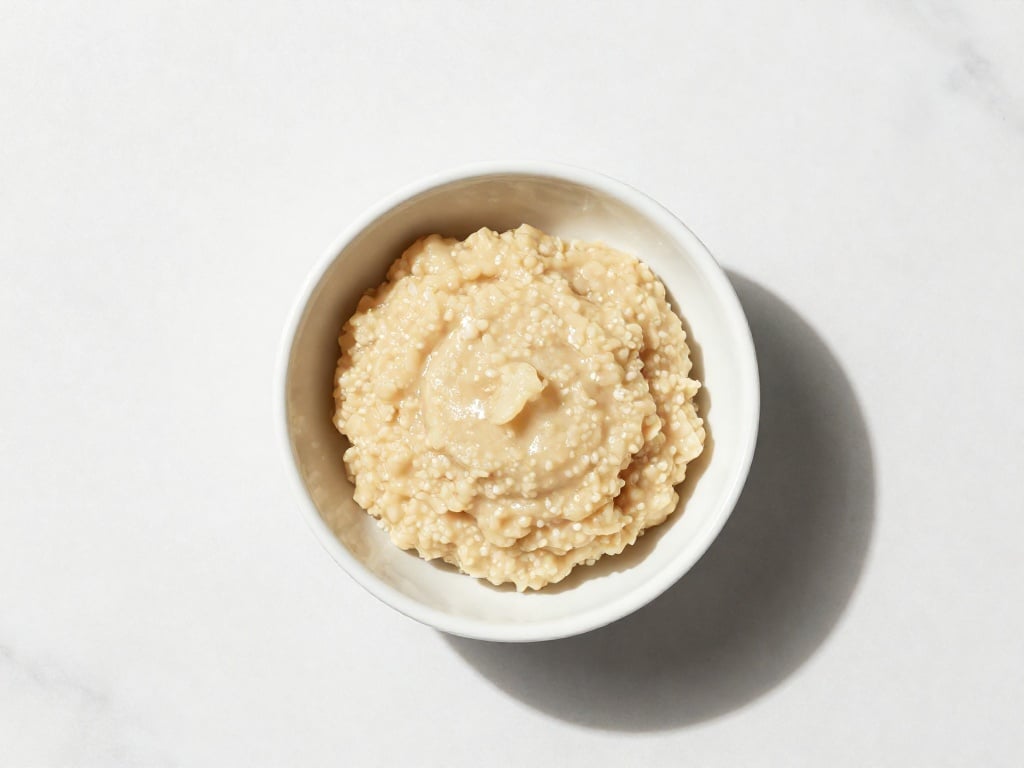
A gluten-free flour blend replaces all-purpose flour in the roux at a near-identical ratio, making this the closest substitute in structure to classic bechamel. Use 2 tablespoons of a certified gluten-free flour blend per 1 cup of dairy milk, and expect the ratio to settle at roughly 1:0.9 relative to standard bechamel thickness when using a starch-heavy GF blend.
Melt butter (or a dairy-free butter alternative) in a saucepan, whisk in the GF flour, and cook for 1 to 2 minutes before adding warm milk gradually.
Rice flour blends and chickpea flour blends both work, though rice flour produces a smoother, more neutral result. Neutral-flavored thickening agents follow the same logic: the goal is to add structure without adding a competing flavor.
Some GF blends contain xanthan gum, which helps prevent the clumping that plain starch can cause if heat is applied unevenly.
- Ratio: 2 tablespoons GF flour + 1 cup dairy or plant milk = 1 cup bechamel at 1:0.9 ratio.
- Best for: Gluten-free diets, classic white sauces, baked lasagna layers.
- Tradeoff: Some GF blends have a faint aftertaste; rice flour blends are the most neutral.
- Flavor note: Mild and nearly identical to standard bechamel when well-seasoned.
Some gluten-free flour blends clump badly if added to hot liquid too quickly. Whisk vigorously and add the milk in a slow, steady stream rather than all at once.
5. Silken Tofu Bechamel
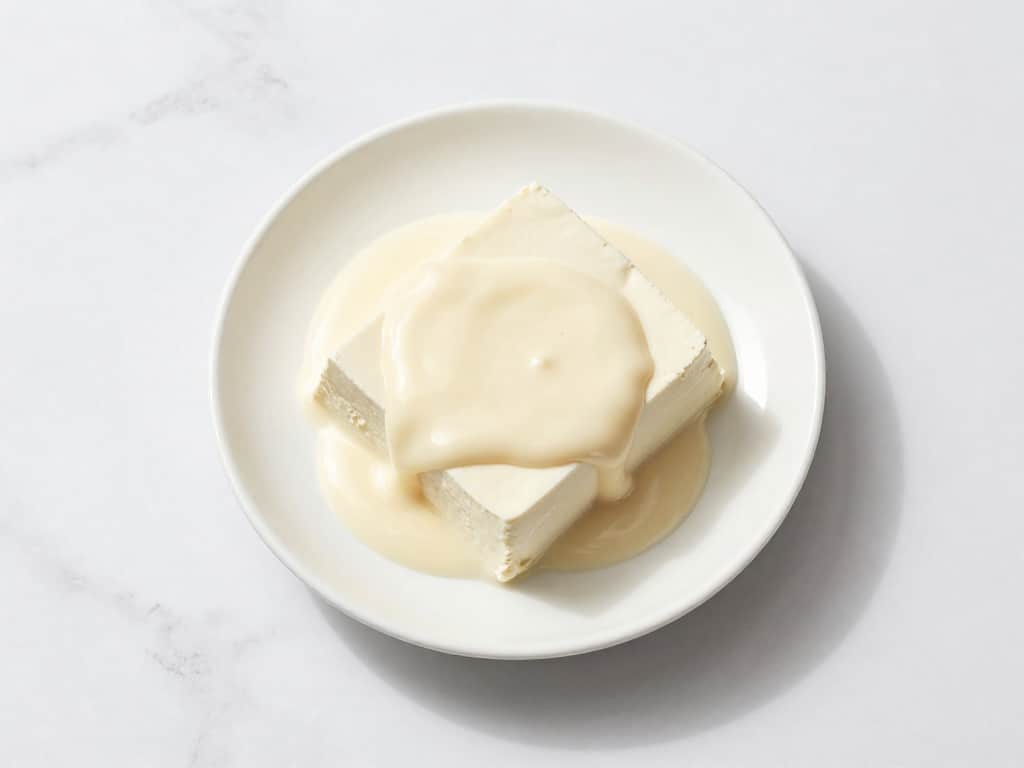
Silken tofu blended smooth creates a creamy, protein-rich base that works as a bechamel stand-in for vegetarian and vegan cooking. Blend 1 cup silken tofu with 1 cup unsalted vegetable broth or plant milk until completely smooth, then heat gently over medium-low, stirring often.
This yields a sauce that matches standard bechamel at a 1:1 ratio by volume and holds its texture in pasta dishes without breaking or curdling under moderate heat.
The flavor is neutral with a very faint soy undertone that disappears once the sauce is seasoned with garlic, white pepper, and nutritional yeast. It does not form a tight skin when baked, so it works better under a loose topping than as a crisp gratin crust.
For a thinner pouring sauce, add an extra quarter cup of stock. Plant-based sauce swaps often rely on silken tofu for the same reason: it thickens smoothly without starch and adds protein without heaviness.
- Ratio: 1 cup silken tofu + 1 cup milk or stock = 1 cup bechamel equivalent at 1:1.
- Best for: Vegetarian pasta sauces, light cream-style sauces, protein-forward dishes.
- Tradeoff: Does not brown or set firmly; not ideal for gratins with crisp tops.
- Flavor note: Very neutral; season generously and add a small amount of lemon juice to brighten.
Silken tofu bechamel is the best choice for light, protein-rich sauces in vegetarian pasta dishes. Skip it for gratins where you need a firm, set top layer.
Flex Substitution Guide
Use this section as a 60-second decision path. Match your constraint to the substitute, then go straight to that section for the ratio and prep notes.
If you are working with a sauce that needs to compete with bold toppings, like a spiced crust or smoky seasoning blend, a neutral base like cashew cream or GF roux will hold up better than a stock-based sauce.
- Dairy-free, no nuts: Use almond bechamel with GF flour or a cornstarch slurry (1 tablespoon cornstarch per 1 cup liquid).
- Dairy-free with nuts allowed: Cashew cream at 1:1.25 for rich dishes, 1:1 for lighter sauces.
- Gluten-free but dairy is fine: GF roux substitute at 1:0.9 ratio with whole milk.
- Dairy-free and gluten-free: Cashew cream with vegetable stock, no flour required.
- Vegetarian, light sauce: Silken tofu blend at 1:1 with vegetable broth.
- Savory bake with stock flavor: White wine-stock sauce at 1:1, using unsalted chicken or vegetable stock.
Run through this flex guide in order: dietary need first, richness second, dish type third. Most people land on their substitute after the first two questions.
How to Choose the Right Substitute?
Picking a substitute is faster when you follow a short sequence of decisions rather than weighing all five options at once. Sauce substitution choices consistently come down to four practical factors: dietary constraints, desired richness, dish structure, and thickness control.
Work through these four steps before you start cooking.
Step 1: Check dietary needs. Identify your hard constraints first. Dairy-free, gluten-free, and nut-free are the three most common.
If all three apply, the GF roux with dairy-free butter and plant milk is your only clean option from this list.
Step 2: Consider desired richness and flavor. Cashew cream is the richest and most neutral. Almond bechamel is lighter with a faint nuttiness.
Stock-based sauce adds savory depth. Silken tofu stays very light.
GF roux mirrors classic bechamel most closely.
Step 3: Match to your dish type. Layered baked dishes like lasagna need a sauce that sets under heat without watering out. Use cashew cream or GF roux for those.
Pasta sauces and casseroles are more forgiving and work well with almond bechamel or silken tofu.
Step 4: Adjust thickness last. If the sauce is too thin after reaching the target temperature, add a cornstarch slurry (1 teaspoon cornstarch mixed with 1 tablespoon cold water) and stir over heat for 1 to 2 minutes.
Umami-forward additions like white miso can also add flavor complexity at this stage without disrupting sauce structure.
For most home cooks juggling a baked dish under time pressure, the GF roux substitute is the safest call. It behaves the most like standard bechamel and needs the least adjustment.
Frequently Asked Questions
Can I use bechamel substitutes in a cheese sauce without altering flavor?
Cashew cream and GF roux both blend well with melted cheese and hold flavor neutrally. Silken tofu or stock-based sauces may dilute the cheese flavor slightly and need stronger seasoning.
Are substitutes suitable for freezing after preparation?
Cashew cream and GF roux freeze reasonably well. Silken tofu and almond bechamel tend to separate on thawing; whisk them back together over low heat to restore texture.
Which substitute preserves color best in vegetable sauces?
Almond bechamel and GF roux stay the whitest. Silken tofu has a faint ivory tone, and stock-based sauces can turn slightly golden depending on the stock used.
Will substitutions work for bechamel-based lasagna layers?
Yes, cashew cream at 1:1.25 and GF roux both hold structure between pasta sheets. Avoid silken tofu for lasagna, as it does not set firmly enough to support stacked layers.
What thickening methods complement each substitute best?
Use cornstarch slurry for almond and tofu-based sauces. GF roux is self-thickening. Cashew cream rarely needs extra thickener if blended to the right consistency before cooking.
Savory Tweaks: 5 BEST Bechamel Sauce Substitutes
Ingredients
Equipment
Method
- Choose your substitute based on the dish type and desired flavor match.
- Prepare the substitute as directed: adjust ratios and prep as noted for each option.
- Apply the substitution ratio carefully. Start with the stated amount and adjust to taste.
- Taste and adjust seasoning. Some substitutes shift flavor or texture slightly.
Notes
- Always use unsalted stock when making the white wine-stock sauce to prevent oversalting as the sauce reduces.
- For gluten-free roux substitutes, add milk slowly and whisk vigorously to prevent clumping from starch-heavy GF flour blends.
Tried this recipe?
Let us know how it was!
Carrie is a food writer and editor with more than 15 years of experience. She has worked for some of the biggest names in the food industry, including Bon Appétit, Food & Wine, and Martha Stewart Living.
As the Editor in Chief of EpicureDelight, Carrie oversees all of the content on the site. She also manages the team of contributing writers and editors, who help to create delicious recipes, helpful tips, and informative articles that you’ll find on the site.
A native of the Chicago area, Carrie is passionate about all things food. She loves trying new restaurants and experimenting with new recipes in her kitchen. She’s also a graduate of the Culinary Institute of America, so she knows a thing or two about food!



