
Red chili peppers are one of the most versatile heat sources in any pantry, and losing them mid-recipe is genuinely frustrating. Red chili peppers range from roughly 500 to 2.5 million Scoville heat units depending on variety, which means no single swap works in every dish.

The right substitute depends on what job the pepper is doing: adding heat, building body, contributing color, or layering smoky depth.
The good news is that five practical alternatives cover almost every cooking scenario. Each one brings a different profile, and ratio guidance typically runs 1:1 to 2:1 (substitute to original) depending on the heat level you need and the volume of the dish.
For dishes like chili con carne, where smokiness matters as much as heat, chipotle in adobo is hard to beat. For fast weeknight sauces, dried red pepper flakes get the job done in seconds.
For a chili sauce substitute that preserves both color and body, the bell pepper and cayenne combination gives you real control over the final result.
All five substitutes covered here work in cooked dishes. Fresh options like bell pepper may need chopping, while some dried substitutes perform better with a quick rehydration step.
This guide maps each substitute with exact ratios, flavor notes, and the specific dish types where each one earns its place.
The five best red chili pepper substitutes are chipotle in adobo, dried red pepper flakes, fresh red bell pepper with cayenne, mild green chilies, and hot sauce with chili powder. Each swap has a specific ratio and best-use context. Match your substitute to the flavor direction of the dish: smoky, bright, or vegetal.
Red Chili Peppers Substitutes in Detail
Use this table as your quick-reference map before deciding which substitute fits your recipe. Heat levels are approximate and will vary by brand and batch, so always taste as you go.
| # | Substitute | Ratio | Best For | Taste Match |
|---|---|---|---|---|
| 1 | Chipotle in Adobo | 1:1 or 2:1 | Stews, chili, braised meats | Close (smoky, moderate heat) |
| 2 | Dried Red Pepper Flakes | 1:2 or 1:3 | Sauces, pasta, marinades | Close (bright, consistent heat) |
| 3 | Red Bell Pepper + Cayenne | 4:1 (bell to cayenne) | Soups, roasted dishes, salsas | Mild (sweet with adjustable heat) |
| 4 | Mild Green Chilies (Poblano, Anaheim) | 1:1 + optional pinch hot pepper | Enchiladas, casseroles, stews | Different (vegetal, earthy) |
| 5 | Hot Sauce + Chili Powder | 1:1 hot sauce + 1:2-1:3 chili powder | Marinades, wet sauces, soups | Mild (bright, tangy, layered) |
Save This for Later
Pin this savory tweaks: 5 best red chili peppers substitutes guide so you always have it when you need it.
Pin This GuideRed Chili Pepper Substitutes in Detail
Each substitute below gets its own ratio breakdown, flavor profile, and practical guidance so you can make a confident swap without guessing.
1. Chipotle in Adobo
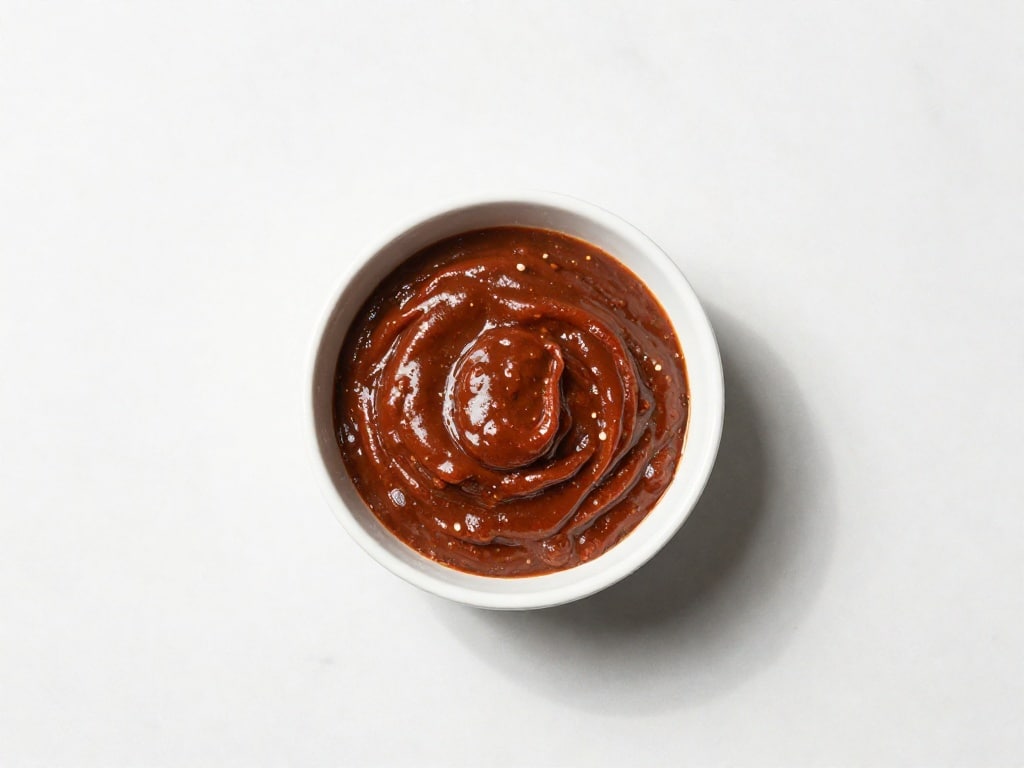
Chipotle in adobo is a smoked, dried jalapeño packed in a tangy tomato-vinegar sauce. It brings smoky, tangy notes with moderate heat, landing around 2,500-8,000 SHU, well below a raw red chili's peak but enough to warm any dish.
Use a 1:1 ratio when you want heat parity with the original pepper and a pronounced smoky character. Use a 2:1 ratio (two parts chipotle per one part original pepper) when the recipe needs less intense heat or more sauce volume, such as in a large-batch braise.
Mince the chipotle finely and include a teaspoon of the adobo sauce for extra depth. If you are working with adobo sauce substitutes elsewhere in the same dish, keep the overall acid level in mind to avoid over-brightening the final flavor.
The main tradeoff is smoke. Chipotle adds a distinct campfire quality that raw red chilies do not have, so avoid it in dishes where a clean, fresh pepper flavor is the goal.
It is ideal for slow-cooked chili, black bean soup, and braised pork shoulder.
- Smoky factor: High. Chipotle adds wood-smoke depth that transforms the base flavor of a dish.
- Heat level: Moderate. Expect less punch than a fresh red cayenne or serrano but more than a mild ancho.
- Best dish types: Stews, chili, enchilada sauces, BBQ glazes, and slow braises.
- Tradeoff: The adobo sauce adds acidity and sweetness, so reduce other acidic components slightly.
Smoky, tangy flavor with moderate heat makes chipotle in adobo the top pick for stews, chili, and sauces where smoke enhances depth. Start at 1:1, then scale up cautiously.
2. Dried Red Pepper Flakes
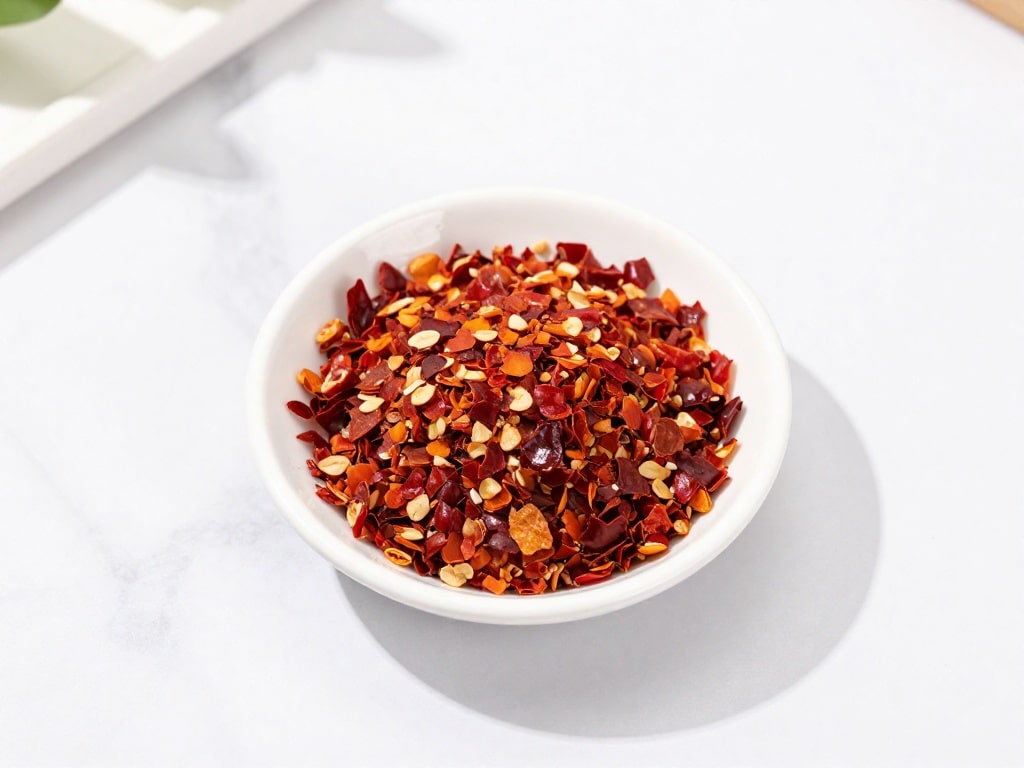
Dried red pepper flakes are a pantry staple made from crushed dried cayenne-type peppers. They provide consistent heat and bright pepper flavor without adding liquid, which makes them especially useful in dry rubs, pasta sauces, and stir-fries.
Use a 1:2 ratio (one part flakes per two parts original pepper by volume) as your starting point. For a hotter dish, step up to a 1:3 ratio.
Because flakes are dehydrated, they are more concentrated than fresh peppers, so less goes further. Rehydration is not strictly necessary in most recipes, but soaking flakes in warm water for 5 minutes before adding them to a sauce improves blending and avoids sharp textural pockets of heat.
For anyone also swapping out cayenne pepper substitutes in the same recipe, dried flakes are often the most direct bridge between the two.
The main tradeoff is texture. Flakes do not add body or volume the way a whole pepper does, so they work best in dishes where the pepper's structural contribution is less important.
They are a poor fit for stuffed pepper recipes or any dish where the pepper itself is a vessel.
- Heat consistency: High. Commercial flakes are standardized in heat, unlike fresh peppers that vary by growing conditions.
- Texture contribution: Low. Flakes dissolve into sauces but do not add bulk.
- Best dish types: Pasta arrabbiata, pizza, stir-fries, dry rubs, and vinaigrettes.
- Tradeoff: Flakes lack the fruity, fresh sweetness of a whole red chili; flavor is sharper and drier.
Fast and accessible, dried flakes are the easiest swap when you need heat fast. Adjust by taste as heat intensity varies by brand and age of the jar.
3. Fresh Red Bell Pepper + Cayenne
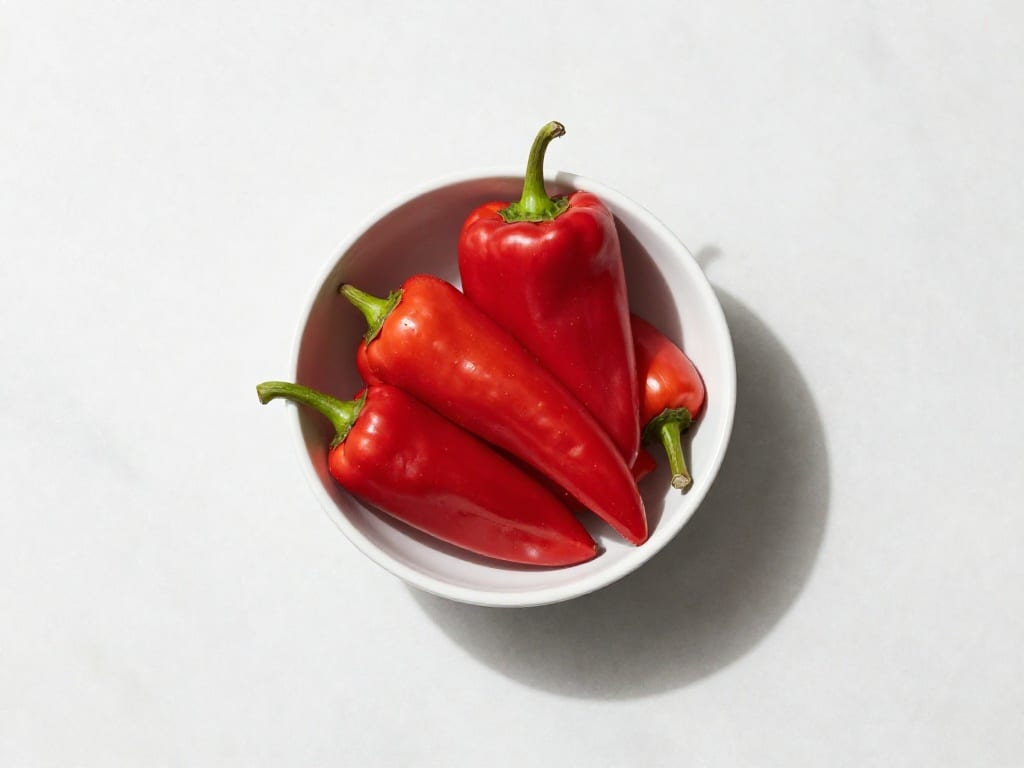
This two-ingredient combination is the most flexible substitute on the list. Red bell pepper adds sweetness and bulk without heat, while cayenne delivers controlled, clean warmth.
Together, they replicate the volume, color, and heat of a fresh red chili at a ratio you control.
The base ratio is 4 parts red bell pepper to 1 part cayenne. For a milder result, shift to 6:1.
For more heat, drop to 3:1. Dice the bell pepper to match the size of the original chili pieces, and add cayenne directly to the pan or sauce as a dry spice.
This combination also works well in roasted dishes: toss the bell pepper with oil, roast at 400°F for 20 minutes until charred at the edges, then stir in cayenne after cooking. The guajillo pepper substitutes section offers related guidance if you need a deeper earthy red pepper flavor alongside this swap.
The main tradeoff is freshness. Bell peppers are milder and sweeter than any hot chili, so the dish will read brighter and less complex without additional spices to compensate.
Add a pinch of smoked paprika to narrow the gap.
- Color retention: Excellent. Red bell pepper preserves a vivid red color in sauces and soups.
- Heat control: Precise. Cayenne is consistent and easy to measure in small increments.
- Best dish types: Salsas, roasted vegetable dishes, soups, grain bowls, and stuffed preparations.
- Tradeoff: Sweetness from the bell pepper shifts the overall flavor profile; balance with cumin or paprika.
Use red bell pepper and cayenne when you need volume and color with fully adjustable heat. It is the most dialed-in substitute for dishes where the pepper plays a structural role.
4. Mild Green Chilies (Poblano, Anaheim) + Optional Hot Pepper
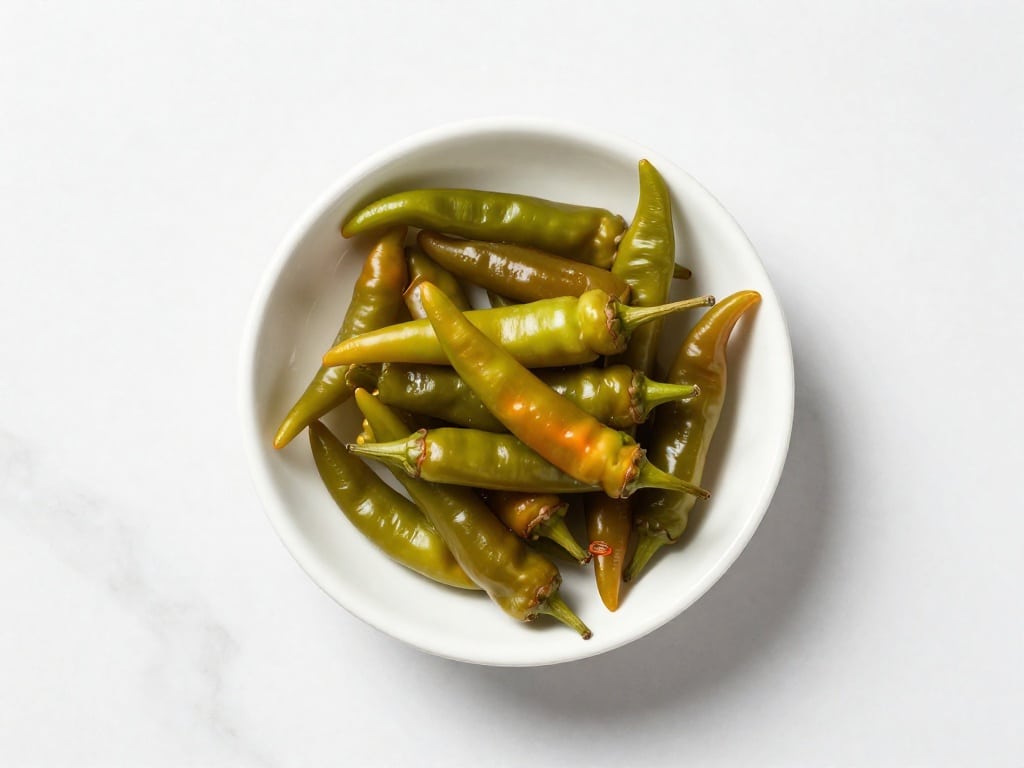
Poblano and Anaheim chilies sit between 500 and 2,500 SHU, far below most red chili varieties. They provide vegetal flavor and variable heat depending on variety, with poblanos tending slightly hotter and Anaheims running milder and more grassy.
Use a 1:1 ratio by weight or volume as a direct swap. If the dish needs more heat, add a small pinch of cayenne or a half-teaspoon of your preferred hot sauce to bring the warmth up without losing the green chili character.
Roasting the poblano or Anaheim at 450°F for 10 minutes before peeling and chopping adds a subtle smoky note. This makes them a reasonable middle-ground option when you want milder heat and a fresher, greener flavor direction.
Those who regularly work with ancho chili powder substitutes will recognize the dried version of the poblano as ancho, giving this substitute a familiar dried-pepper counterpart for pantry flexibility.
The main tradeoff is color. Green chilies shift the dish visually, which matters in red sauces, enchilada sauces, and tomato-based chili.
In braises and casseroles where color is less critical, the swap is nearly seamless.
- Flavor profile: Vegetal, earthy, slightly grassy with a mild-to-moderate warmth.
- Heat level: Low to moderate. Poblanos can spike, so taste before adding extra hot pepper.
- Best dish types: Enchiladas, green chili stew, casseroles, egg dishes, and roasted meat accompaniments.
- Tradeoff: Color shifts green, which can be jarring in traditionally red sauces.
Use mild green chilies when you want lower heat and a fresh, green flavor. Poblano is the better choice for smokiness; Anaheim works when you want a cleaner, grassy note.
5. Hot Sauce (Vinegar-Based) + Ground Chili Powder
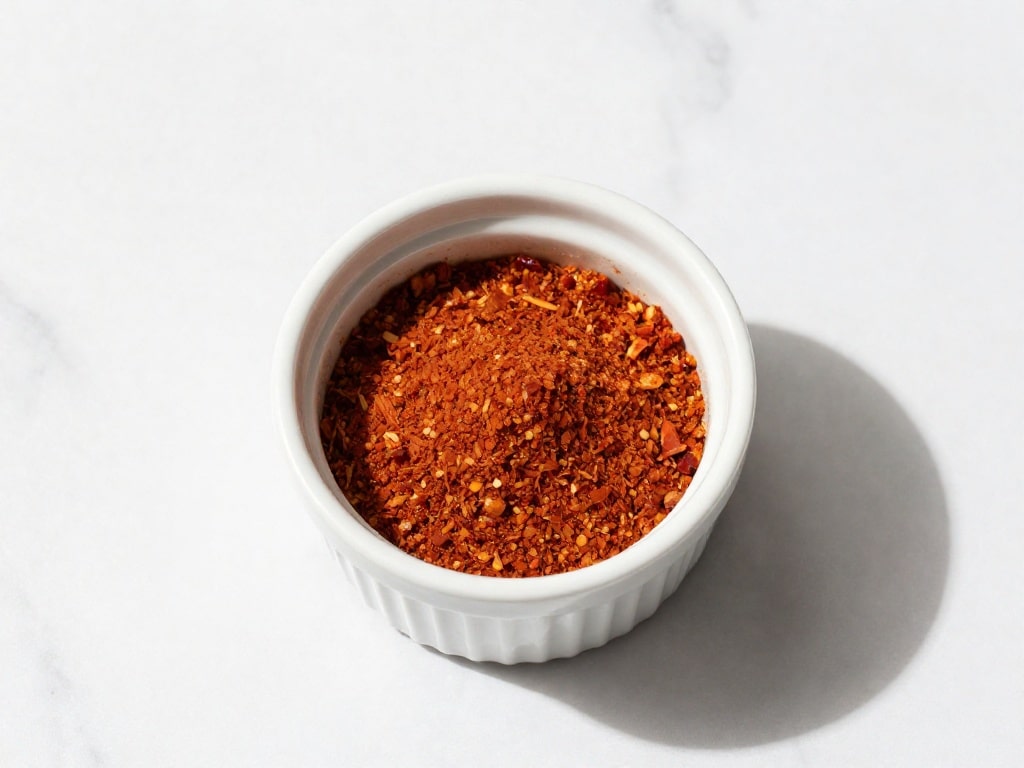
This combination uses a 1:1 base swap for the hot sauce (by liquid volume relative to any wet red chili paste or puree you are replacing), then blends in chili powder at a 1:2 to 1:3 ratio to add body and depth.
Hot sauce alone is too thin and acidic to stand in for a whole chili, but chili powder thickens and broadens the flavor.
Frank's RedHot or Cholula are good starting points because both use cayenne as their base, which keeps the flavor in the red chili family. Hot sauce adds acidity and brightness; chili powder thickens and adds depth. Combine one tablespoon of hot sauce with two tablespoons of chili powder per medium red chili called for in the recipe.
Stir the mixture into the dish at the same point you would add the original pepper. When building complex sauces, this swap pairs naturally alongside other tangy additions; for reference on balancing acidic components, the notes on red wine substitutes cover similar acidity management principles.
For sauces that use Yoshida sauce substitutes for umami balance, adding this hot sauce and chili powder blend keeps the overall flavor layered without going one-dimensional.
The main tradeoff is texture. The chili powder can make sauces slightly grainy if not stirred thoroughly or simmered long enough.
Give the dish at least 10 additional minutes of cooking time to let the powder hydrate fully.
- Acidity impact: High. Hot sauce raises the perceived brightness of the dish noticeably.
- Body contribution: Moderate. Chili powder adds thickness but not the same as a fresh whole pepper.
- Best dish types: Marinades, wet sauces, soups, braising liquids, and vinaigrette-style dressings.
- Tradeoff: Acidity from vinegar-based hot sauce can alter cooking times and soften vegetables faster.
Acidity from the hot sauce can alter cooking times and soften vegetables or proteins faster than expected. Reduce other acidic liquids in the recipe and add extra simmer time to let the chili powder fully hydrate.
Choosing the Right Substitute in a Pinch
The fastest way to pick the right swap is to identify what job the red chili pepper is doing in the dish. If it is carrying heat, dried flakes or cayenne are the most direct path.
If it is adding body and color, bell pepper is your anchor. If smoke is the goal, chipotle is the only option that delivers it authentically.
Here is a quick decision map by flavor goal and dish type.
- Smoky depth in chili or stew: Chipotle in adobo at 1:1. No other substitute gets close to this flavor profile.
- Bright heat in pasta or pizza sauce: Dried red pepper flakes at 1:2. Fast, consistent, no prep needed.
- Volume and color in soup or salsa: Red bell pepper and cayenne at 4:1. Adds bulk and vivid color with scalable heat.
- Milder, green-forward flavor in casseroles: Poblano or Anaheim at 1:1, with optional cayenne pinch for heat.
- Tangy, layered heat in marinades: Hot sauce and chili powder at 1:1 base with a 1:2 powder ratio. Works in wet applications only.
For smoky depth in chili, reach for chipotle in adobo first. For bright heat in sauces and pastas, dried chili flakes are the faster, more accessible choice every time.
Decision Guide
If you are still deciding, this final comparison ranks each substitute by the most common cooking scenario. Match your situation to the column and use the corresponding substitute with confidence.
For dishes where the sauce base is already creamy or dairy-forward, lean toward dried flakes or the bell pepper and cayenne combination to avoid clashing with the richness of the sauce.




