
Chinese sesame paste is a thick, roasted paste made from ground sesame seeds, and it gives dishes like dan dan noodles, cold sesame noodles, and hot pot dipping sauces their deep, nutty backbone. It is not the same as light tahini, though tahini is sometimes sold under the same label in Western markets.

The two are close relatives with real differences in roast level and bitterness.
Running out of sesame paste mid-recipe is a real problem, especially if you live somewhere that stocks it only in specialty Asian grocery stores.
The good news is that five reliable substitutes can step in without gutting the flavor of your dish. Each one brings a slightly different character, so knowing which swap fits which dish saves you from a bland result.
These swaps work across chili paste-based sauces and cold dressings alike, where body and nuttiness matter most.
The key rule: a good substitute mimics the body and roasted, nutty character of sesame paste, not just its texture. Sweetness, saltiness, and acidity all need adjusting after you swap.
Chinese sesame paste is hard to find outside Asian grocery stores, but tahini, peanut butter, almond or cashew butter, white miso blend, and sunflower seed butter all work as substitutes. Each needs a ratio tweak and a seasoning adjustment to hold up in sauces, dressings, and baking.
Chinese Sesame Paste Substitutes in Detail
Before picking your swap, it helps to see all five options side by side. Tahini is the closest direct substitute, and most cooks already have peanut butter on hand.
Note that some substitutes alter sweetness or saltiness depending on whether you use them in baking versus savory sauces, so keep seasoning adjustments ready.
The table below covers ratio, flavor impact, and the best-fit cooking scenarios for each option.
| # | Substitute | Ratio | Best For | Taste Match |
|---|---|---|---|---|
| 1 | Tahini | 1:1 | Sauces, dressings, fillings | Close |
| 2 | Natural Peanut Butter | 1:1 | Stir-fry sauces, cold noodle dressings | Mild |
| 3 | Almond or Cashew Butter | 1.25:1 | Creamy sauces, baking | Mild |
| 4 | White Miso Blend | 1:1 diluted | Savory sauces, soups, dressings | Different |
| 5 | Sunflower Seed Butter | 1:1 | Neutral sauces, allergy-friendly baking | Mild |
Save This for Later
Pin this savory tweaks: 5 best chinese sesame paste substitutes guide so you always have it when you need it.
Pin This GuideEach substitute below gets a full breakdown with exact ratios, flavor notes, and the adjustments you will actually need to make. Start with the substitute that matches your dish type, not just what is sitting in your pantry.
1. Tahini (Sesame Paste) - 1:1
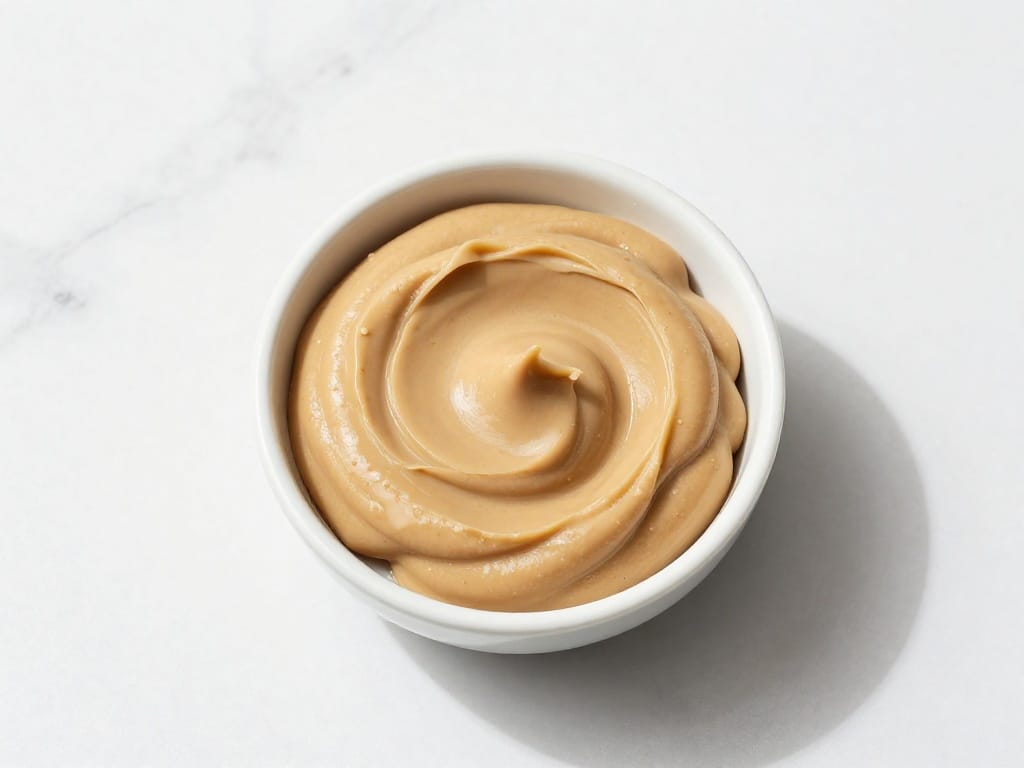
Tahini is made from sesame seeds, often with a slightly bitter note that comes through more clearly than in Chinese sesame paste, which is roasted longer and deeper.
That roasted depth is the main gap, and you can partly close it by toasting a small amount of sesame seeds and stirring them in, or by adding a few drops of toasted sesame oil.
Use tahini at a straight 1:1 ratio in sauces, dressings, and fillings. If the bitterness shows up, balance it with a pinch of salt or a small squeeze of lemon.
The sesame paste versus tahini comparison breaks down exactly where the roast levels and oil ratios diverge, which is worth reading before you commit to a full batch swap. Whisk tahini with a tablespoon of warm water to loosen it if your sauce needs a pourable consistency.
Use tahini at 1:1 in sauces, dressings, and fillings. Watch for bitterness and balance it with a pinch of salt or a few drops of lemon juice. Whisk smoothly with warm water or a neutral oil to reach the right consistency.
2. Peanut Butter (Natural, Unsweetened) - 1:1
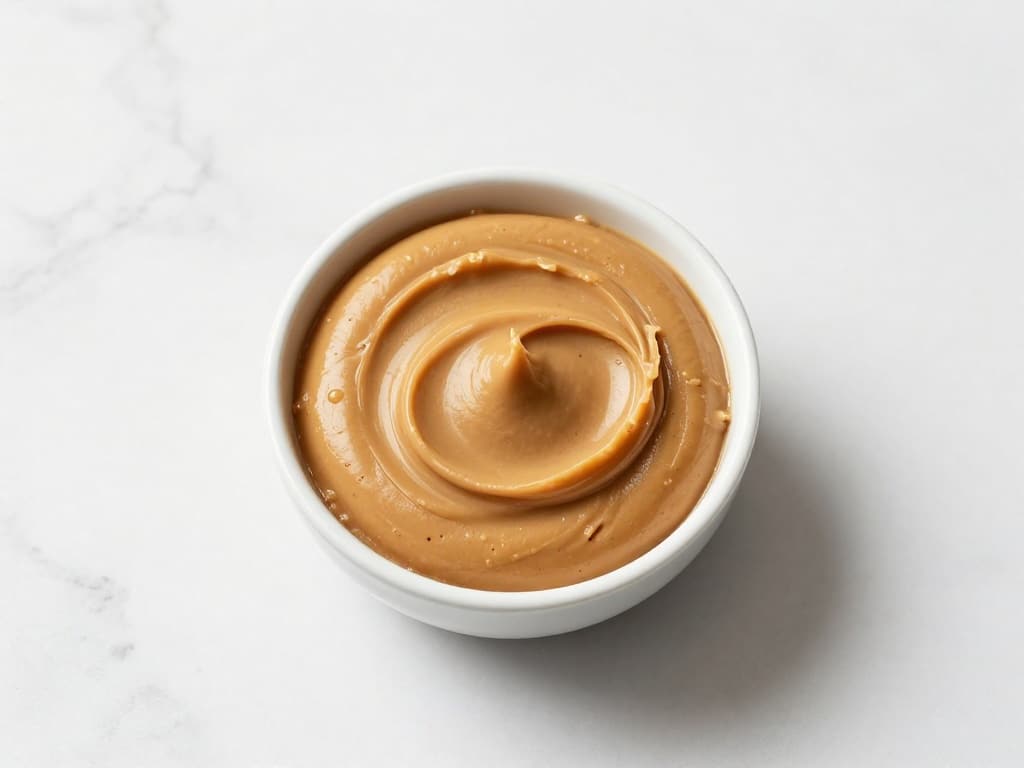
Natural peanut butter adds sweetness and nuttiness that reads differently from sesame paste but still delivers the body your sauce needs.
Choose unsweetened peanut butter to control flavor, since sweetened varieties can tip a savory sauce into a candy-like direction that is hard to walk back.
Use it at a 1:1 ratio in stir-fry sauces and cold noodle dressings. Add a small splash of rice vinegar or a squeeze of lime to cut the sweetness, and a pinch of salt to round it out.
Peanut butter is thicker than sesame paste at room temperature, so loosen it with a tablespoon of warm water before mixing. If you are already working with massaman curry paste substitutes in a dish, peanut butter layers in naturally since both profiles share roasted, sweet-savory notes.
Use natural unsweetened peanut butter at 1:1 for stir-fry sauces and cold dressings. Adjust salt and add a small acid element to balance the sweetness before serving.
3. Almond Butter or Cashew Butter - 1.25:1
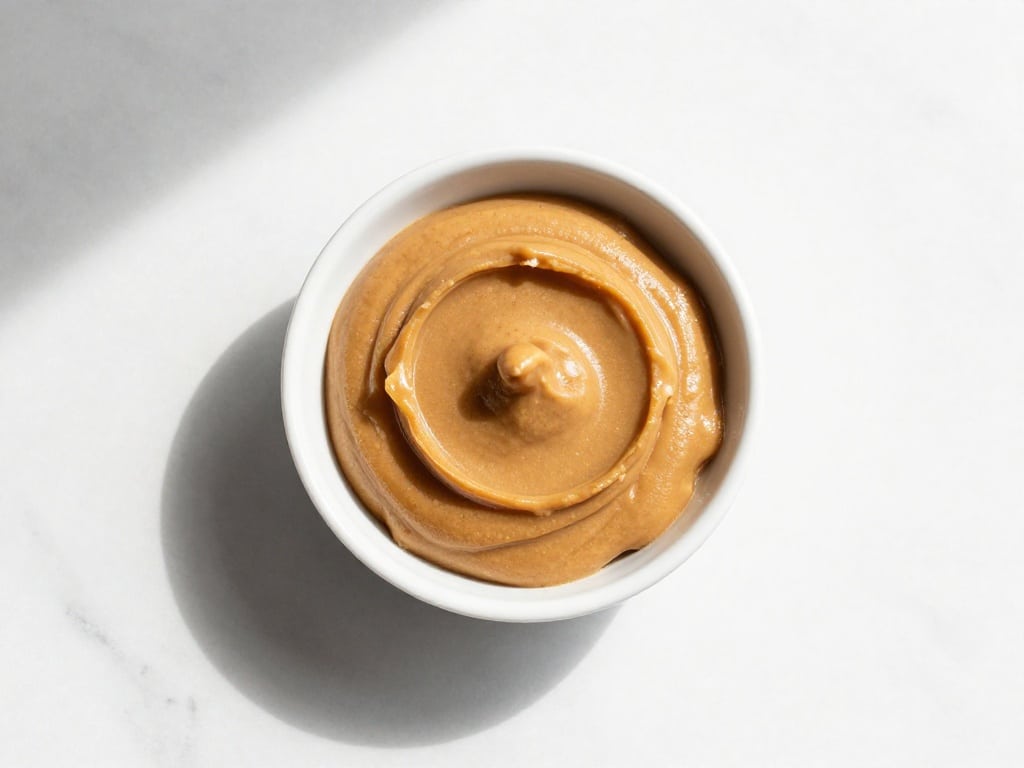
Almond butter and cashew butter are both milder than peanut butter and bring a creamy, subtly sweet nuttiness that pairs well with baking applications where you want structure without a dominant peanut flavor.
Cashew butter is slightly sweeter and more neutral; almond butter has a faint earthiness that works nicely in savory contexts.
Nut butters vary in oil content, and cold-pressed versions may be thicker than standard grocery varieties. Use a 1.25:1 ratio to account for the lower density of these butters compared to sesame paste.
Thin with warm water or a splash of vegetable broth to reach a pourable, sauce-ready consistency. If cashew butter is your starting point, the guide on cashew butter substitutes covers how its oil content compares to other nut pastes.
Best for creamy sauces and baking where a subtle nut note is desired. Use at a 1.25:1 ratio and thin with warm water or broth until paste-like in consistency.
4. White Miso Blend - 1:1 with Water or Stock
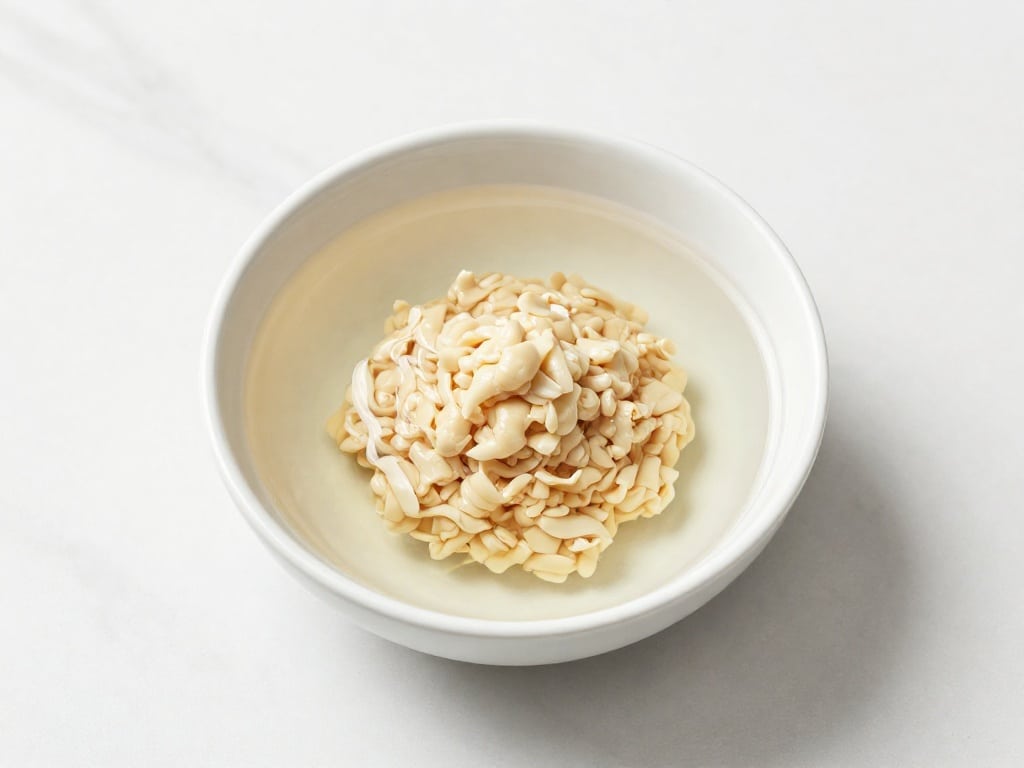
White miso is an umami-rich fermented paste that shares sesame paste's thick, spreadable texture.
It does not taste like sesame, so this swap works best in dishes where the sauce already has multiple flavor layers and the sesame paste is providing body more than a distinct sesame note.
White miso provides umami, so use it diluted to avoid overpowering the other sesame-like notes in your dish. Mix one part white miso with one part warm water or light stock to reach a paste consistency, then use the blend at 1:1.
This works well in soups, savory dressings, and green curry-style sauces where a deep savory base is more important than sesame aroma. Skip this swap in baking, where fermented flavor reads as off.
Use a white miso and water blend at 1:1 in savory sauces, soups, and dressings where umami depth is welcome. Dilute with warm water or stock to reach paste-like thickness before adding to the dish.
5. Sunflower Seed Butter - 1:1
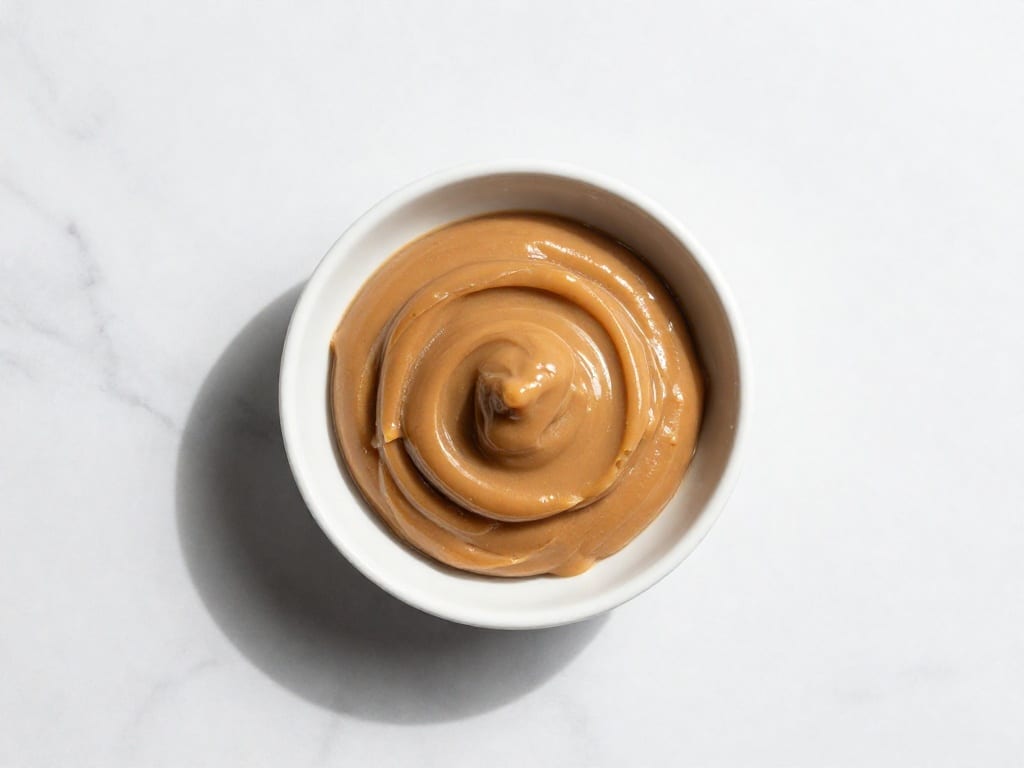
Sunflower seed butter is a neutral, allergen-friendly option that mimics the body of sesame paste without contributing a dominant nut flavor. It is particularly useful when cooking for guests with tree nut or peanut allergies, and it holds together well in emulsified sauces.
Sunflower butter is pale and may affect color and flavor subtly, giving sauces a lighter appearance than sesame paste would produce. If you want to reintroduce sesame aroma without the paste itself, add a few drops of toasted sesame oil after mixing.
Use it at a 1:1 ratio. For allergy-conscious baking scenarios, the options covered in sunflower seed butter substitutes provide additional guidance on how this paste behaves in different dough and batter contexts.
Great for neutral sauces and allergy-friendly baking at a 1:1 ratio. Add a few drops of toasted sesame oil to reintroduce sesame aroma if the dish calls for it.
Using Substitutes: Practical Tips
The substitution ratio gets you in the right ballpark, but the final texture and flavor depend on how you handle the paste after swapping.
Adjust viscosity with small amounts of water or broth and whisk vigorously to emulsify, especially when building cold dressings or hot sauces.
For salad dressings, start with the substitute at room temperature so it loosens more easily. In hot sauces or stir-fry finishes, add the substitute off the heat and stir quickly to prevent seizing.
For baking, treat nut butters as direct fat replacements and reduce any added oil by about a tablespoon per quarter cup of substitute. When working with other paste-style substitutes in the same dish, build the sauce in layers and taste at each stage.
- Salt balance: Peanut butter and miso both add sodium, so reduce added salt by half and taste before adjusting.
- Acid correction: Sweetness from nut butters needs rice vinegar, lime juice, or a small amount of apple cider vinegar to stay savory.
- Separation fix: If the sauce breaks, whisk in a teaspoon of warm water at a time until it comes back together.
- Baking note: In baked goods, prefer light nut butters like almond or cashew to maintain structure without introducing a heavy peanut flavor.
Whisk your substitute with a splash of warm water or neutral oil before adding it to the dish. Taste and adjust seasoning in small steps rather than all at once.
Quick Substitution Decision Guide
Choosing the right substitute becomes straightforward when you ask two questions first: does the dish need sesame aroma, and is it served hot or cold? Hot sauces tolerate bolder swaps; cold dressings need something that emulsifies smoothly at room temperature.
In baking, prefer light nut butters to maintain structure, since tahini can add unwanted bitterness in sweet batters.
- Need sesame aroma? Choose tahini first, or add a few drops of toasted sesame oil to any other substitute.
- Need savory umami depth? White miso blend is your best tool, especially in soups and warm sauces.
- Need a neutral body? Sunflower seed butter holds structure without flavor interference.
- Cooking for nut allergies? Sunflower seed butter is the only safe option among all five substitutes.
- Using in baking? Almond or cashew butter gives the cleanest structure and the most neutral flavor.
For dishes built around other specialty pastes, the approach used with anchovy paste substitutes applies here too: layer flavors in stages rather than relying on a single swap to do all the work. When sweetness control matters, the principles in the guide on stevia and sugar substitutes are a useful reference for balancing nut butter sweetness in baked recipes.
For fat-based substitutions in baked goods, unsalted butter substitutes cover how different fat sources affect crumb and moisture.
If sesame aroma matters most, choose tahini or a miso blend with a drop of sesame oil. If you need a neutral body without any distinct flavor, sunflower seed butter is the cleanest option.
Frequently Asked Questions
Can I substitute sesame paste in baking with these options?
Yes. Almond butter and cashew butter work best in baking at a 1.25:1 ratio. Avoid miso-based blends in sweet baked goods since the fermented flavor reads as off.
Do substitutes alter texture in emulsions?
They can. Sunflower seed butter and natural peanut butter emulsify cleanly; tahini may separate in cold dressings and needs vigorous whisking with warm water to stay smooth.
Is a miso-based substitute safe for vegan diets?
Yes. White miso is fully plant-based and vegan. Check the label for any added dashi or fish-derived ingredients, which some brands include in flavored varieties.
Are there gluten-free concerns with any substitutes?
White miso is often made with barley or wheat and is not always gluten-free. Choose certified gluten-free miso or switch to a nut butter substitute if gluten is a concern.
Which substitute best mimics sesame aroma?
Tahini is the closest in aroma since it is also sesame-based. Adding a few drops of toasted sesame oil to any other substitute brings the sesame scent back effectively.
Savory Tweaks: 5 BEST Chinese Sesame Paste Substitutes
Ingredients
Method
- Choose your substitute based on the dish type and desired flavor match. Use tahini for the closest sesame flavor, peanut butter for savory sauces, nut butters for baking, miso blend for umami depth, and sunflower butter for a neutral body.
- Prepare the substitute as directed: adjust ratios and prep as noted for each option. Thin with warm water or broth as needed to reach paste-like consistency.
- Apply the substitution ratio carefully. Start with the stated amount and adjust to taste. Use 1:1 for tahini, peanut butter, and sunflower seed butter; use 1.25:1 for almond or cashew butter; dilute miso 1:1 with water before measuring.
- Taste and adjust seasoning. Some substitutes shift flavor or texture slightly. Balance sweetness with a small acid element and salt to taste before finishing the dish.
Notes
- Whisk any substitute with warm water before adding to a sauce to prevent clumping and aid emulsification.
- In baking, reduce any added oil by about one tablespoon per quarter cup of nut butter substitute to keep the final texture balanced.
Tried this recipe?
Let us know how it was!
Carrie is a food writer and editor with more than 15 years of experience. She has worked for some of the biggest names in the food industry, including Bon Appétit, Food & Wine, and Martha Stewart Living.
As the Editor in Chief of EpicureDelight, Carrie oversees all of the content on the site. She also manages the team of contributing writers and editors, who help to create delicious recipes, helpful tips, and informative articles that you’ll find on the site.
A native of the Chicago area, Carrie is passionate about all things food. She loves trying new restaurants and experimenting with new recipes in her kitchen. She’s also a graduate of the Culinary Institute of America, so she knows a thing or two about food!



