
Allspice smells like three spices at once - cinnamon's sweetness, cloves' dark bite, and a ghost of nutmeg underneath. When you're mid-recipe and the jar is empty, the right allspice substitute gets you most of the way there without derailing the whole dish.
The key is knowing which direction you want to lean. A dessert needs sweetness and lift; a braise wants depth and a bit of dark aromatic punch.
Pick your substitute based on that, not just what's closest to hand.
Allspice has a warm-sweet, clove-forward character that blends cinnamon, cloves, and nutmeg. For baking, pumpkin pie spice at 1:1 is the fastest swap. For savory dishes, try Chinese five-spice at ¾ the amount to avoid overpowering the pan.
5 Allspice Substitutes by Flavor Direction
Every substitute below tilts the flavor in a slightly different direction - some lean sweet, some dark, some bright. The table maps each one so you can choose by what your dish actually needs, not just by what's on the shelf.
If you regularly cook with warm-spice blends, knowing about chinese five spice powder stand-ins and replacements for garam masala will help you build a more flexible pantry.
| # | Substitute | Best For | Ratio | Key Note |
|---|---|---|---|---|
| 1 | Pumpkin pie spice | Sweet | 1:1 | Easiest blend swap |
| 2 | Cinnamon + cloves | Both | 1:1 | 2 parts cinnamon, 1 clove |
| 3 | Cloves + nutmeg | Both | ¾:1 | Darker, more aromatic |
| 4 | Chinese five-spice | Savory | ¾:1 | Anise note present |
| 5 | Garam masala | Savory | ¾:1 | Use a light hand |
1. Pumpkin Pie Spice
Pumpkin pie spice is the most convenient swap because it already contains cinnamon, cloves, nutmeg, and often ginger - nearly the same notes allspice delivers on its own. Understanding the taste of pumpkin pie spice helps you see exactly how close it sits to allspice's profile.
Start at 1:1, then pull back by about 25% if your recipe already has cinnamon as a separate ingredient. It's easy to tip sweet.
- Flavor direction: Sweet, warm, slightly spiced - leans cinnamon-forward
- Best uses: Cookies, cakes, muffins, pumpkin bread, sweet potato dishes
- Starting ratio: 1:1; reduce to ¾ if the recipe reads too dessert-like
- Skip if: Your recipe is savory with already-heavy cinnamon - it will go syrupy and sweet
2. Cinnamon + Ground Cloves
This two-spice mix gives you the most control over allspice's sweet-dark balance, because you're building it yourself. If you ever need to work in the opposite direction, having solid ground cloves stand-ins in mind keeps you covered.
- Flavor direction: Warm and clove-forward, with cinnamon sweetness on top
- For lighter results: Increase cinnamon to 3 parts and reduce cloves to 1 part
- For deeper results: Hold the 2:1 ratio but add a small pinch of nutmeg
- Skip if: You're missing ground cloves - cinnamon alone won't replicate allspice's depth
3. Ground Cloves + Nutmeg
When a recipe is savory and you want warmth without any cinnamon sweetness, this pairing is the right call. Cloves supply the dark aromatic backbone; nutmeg rounds the edges and keeps it from going harsh.
Start at ¾ of whatever amount allspice calls for, especially if your cloves are fresh and pungent. For a more precise sense of how cloves behave on their own, ground cloves's flavor and uses covers that clearly.
Skip if: your dish is light and vanilla-forward - cloves dominate quickly and won't play well with delicate flavors.
4. Chinese Five-Spice Powder
Five-spice is a confident swap for savory allspice applications - braises, glazed meats, baked beans, and spiced marinades all respond well to it. Knowing what makes chinese five spice powder distinct matters here, because it carries a mild anise note that allspice doesn't.
- Starting ratio: Use ¾ of the called-for allspice amount; five-spice is bolder
- Flavor direction: Dark, warm, slightly sweet, with a faint licorice finish
- Best savory uses: Slow-cooked pork, beef braises, glazed ribs, baked beans
Chinese Five-Spice
Works for: savory braises, glazes, roasted meats, stews where depth matters
Skip if: you dislike anise/licorice notes, or the dish is a sweet baked good
5. Garam Masala
Garam masala is a warm, peppery-spiced blend that works surprisingly well in savory allspice applications - think lentil stews, lamb dishes, or spiced rice. It won't go sweet on you, which is exactly what you want when the recipe calls for savory depth.
For a full picture of its character, see what makes garam masala distinct before deciding.
- Starting ratio: ¾:1; only increase after tasting mid-cook
- Flavor direction: Warm, spiced, slightly peppery - not sweet
- Best uses: Lentils, meat stews, roasted vegetables, spiced sauces
- To avoid "peppery" results: Add it early so heat mellows the sharpness, not at the end
- Skip if: Your recipe is dessert-forward - garam masala reads savory and will clash
Making an Allspice Substitute Taste Right
Swapping allspice isn't just about the ratio - it's about when you add the spice and how the heat changes it. Blooming your substitute briefly in a little fat (butter, oil) before adding liquids makes a real difference in savory dishes; it softens raw spice edges and integrates the warmth into the sauce.
For baked goods, mix the substitute thoroughly into your dry ingredients so it distributes evenly rather than clumping. Also keep in mind that swapping out pumpkin pie spice follows a similar balancing logic if your original blend ever runs short.
- Dose control: Start at ¾ of the listed ratio for strong blends (five-spice, garam masala); bring it up in small pinches after tasting
- Blooming tip: For stews and braises, cook the substitute in fat for 30-45 seconds before adding any liquid - it rounds out sharp edges
- Sweetness vs. savory balance: If the dish tastes too sweet, add a small pinch of extra cloves; if it tastes flat, add a pinch of cinnamon for lift
Frequently Asked Questions
Pumpkin pie spice is the closest ready-made option for baking. Use it at a 1:1 ratio, then reduce by 25% if your recipe already contains cinnamon.
Yes. Mix 2 parts ground cinnamon to 1 part ground cloves, then use the blend at a 1:1 replacement. It covers allspice's warm-sweet and dark aromatic notes well.
Start at ¾ of the amount the recipe calls for. Five-spice is bolder and carries an anise note allspice doesn't have.
It works well in stews, braises, and spiced meat dishes. Use ¾ of the allspice amount and add it early so cooking mellows its peppery edge.
Add more of the base ingredient - broth, sugar, fat - to dilute the spice. You can also balance strong clove notes by stirring in a small extra pinch of cinnamon.
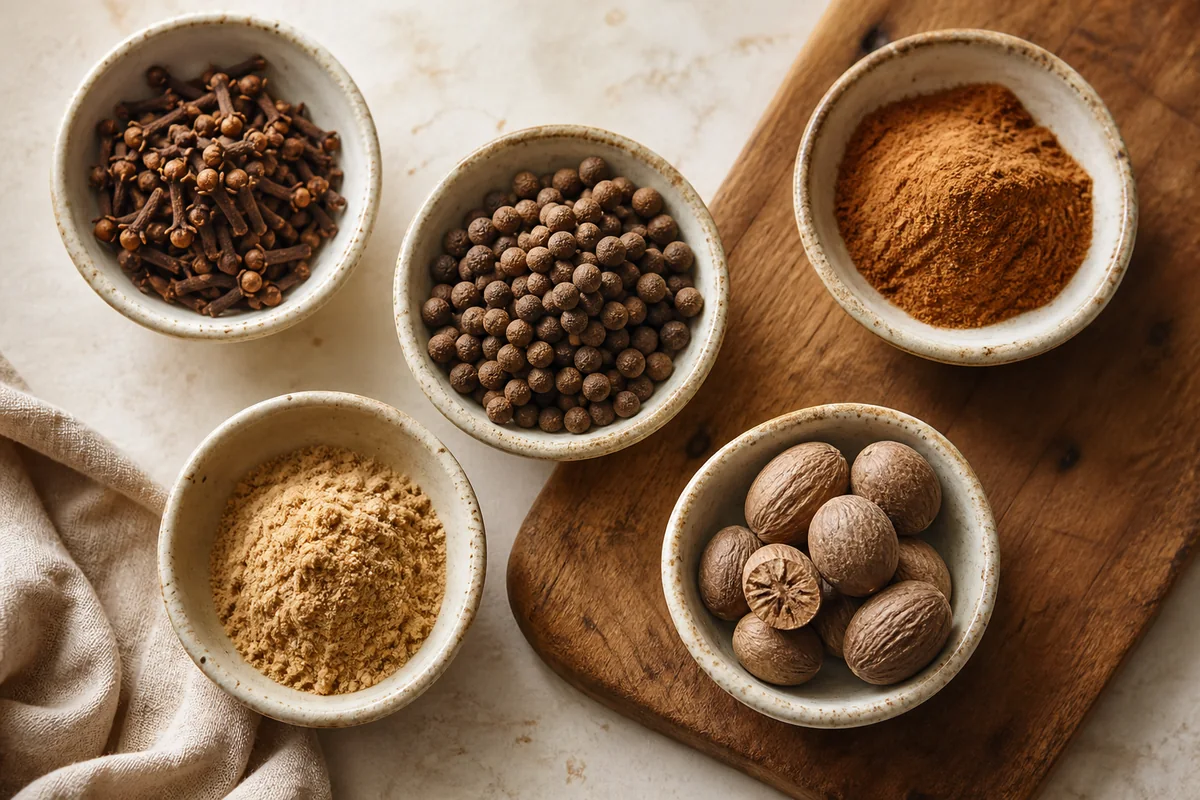
5 Best Allspice Substitutes for Better Results
Ingredients
Equipment
Method
- Identify whether your recipe is sweet (baking/desserts) or savory (stews/meats), because that changes whether to lead with cinnamon or clove.
- Start with the ratio listed in the table (use 1:1 for blends like pumpkin pie spice; use reduced ratios like ¾:1 for stronger spice mixes).
- If the substitute is darker or more pungent (five-spice/garam masala), reduce by 25% first and save the rest for later adjustments.
- Taste the sauce/batter if possible; add a small pinch more cinnamon for lift or a small pinch more clove for deeper warmth.
Notes
- Allspice is a warm spice with cinnamon/clove/nutmeg-like notes—aim for the closest blend rather than a single-note spice.
- For best results, bloom ground spices in a spoon of fat (oil/butter) for 20–30 seconds before adding liquids in savory recipes.
Tried this recipe?
Let us know how it was!
Carrie is a food writer and editor with more than 15 years of experience. She has worked for some of the biggest names in the food industry, including Bon Appétit, Food & Wine, and Martha Stewart Living.
As the Editor in Chief of EpicureDelight, Carrie oversees all of the content on the site. She also manages the team of contributing writers and editors, who help to create delicious recipes, helpful tips, and informative articles that you’ll find on the site.
A native of the Chicago area, Carrie is passionate about all things food. She loves trying new restaurants and experimenting with new recipes in her kitchen. She’s also a graduate of the Culinary Institute of America, so she knows a thing or two about food!



