
Amaro Meletti has a particular pull: that saffron-tinged sweetness layered over dried herbs and a clean licorice note that lingers just long enough. When you're out of it, no single bottle replaces it exactly - but several come close depending on which part of Meletti's character your recipe actually needs.
This guide focuses on the best amaro Meletti substitute for each flavor job, with honest "skip if" notes so you don't waste a pour.
The key split is anise versus bitterness. If your drink or dessert needs that forward licorice lift, lean toward Montenegro or Nonino.
If it needs herbal backbone and depth, Cynar or Averna will carry more weight. You may also want to check out fernet branca swaps if you're working in the bitter-intense end of the spectrum.
The closest all-around swap for amaro Meletti is Amaro Montenegro at 1:1 - it shares a herbal-anise profile without going too dark or too bitter. For a smoother, fruitier backup, Amaro Nonino also works at 1:1. Pick by flavor job: anise lift or bitter herbal depth.
5 Best Amaro Meletti Swaps: Pick by Flavor Job
Each substitute below matches a different part of Meletti's character. Use this table to scan ratios and flavor shifts before reading the detailed guidance below.
| # | Substitute | Best For | Ratio | Key Note |
|---|---|---|---|---|
| 1 | Amaro Montenegro | Both | 1:1 | Closest herbal-anise match |
| 2 | Amaro Nonino | Both | 1:1 | Fruitier, reduce sweetener |
| 3 | Jägermeister | Both | 1:1 | Sweeter, darker finish |
| 4 | Averna | Both | ¾:1 | Rounder, less anise |
| 5 | Ramazzotti | Cocktails | ¾:1 | Warm cola-herb notes |
When in doubt, taste before you commit. Ratios are starting points, not final answers.
1. Amaro Montenegro
Montenegro is the most natural stand-in for Meletti. Both share a base of dried botanicals and a clean sweetness, with Montenegro offering a slightly more floral note alongside its herbal bitterness.
- Taste shift: Slightly more floral and less saffron-forward than Meletti; the anise stays present but softens
- Ratio: 1:1 across cocktails and desserts
- Too bitter? Add ¼ teaspoon simple syrup or a small citrus squeeze to round it out
- Too sweet? A few drops of orange bitters will bring the balance back toward Meletti's drier finish
If you're curious about the full flavor picture, the amaro Montenegro taste profile goes into the botanical details. You can also explore alternatives to amaro montenegro if you find yourself short on that bottle too.
Skip if: Your recipe is extremely delicate - Montenegro's herbal assertiveness can overpower a light dessert sauce or a low-ABV spritz where Meletti's subtlety matters.
2. Amaro Nonino
Nonino is grappa-based, which gives it a lighter body and a distinct orange-citrus warmth. It's bittersweet in the right way, but the anise note is quieter than Meletti's, and the fruit steps forward more.
If you're tasting amaro nonino for the first time, that citrus lift is the first thing you'll notice.
- Ratio: 1:1; works in both cocktails and dessert applications
- Flavor shift: More orange peel and grappa brightness, less licorice presence
- Best uses: Citrus-forward cocktails, cream-based desserts, anything with honey or stone fruit
- Adjustment: Reduce any additional citrus in the recipe by about half a squeeze to avoid tipping into sour
For a broader view on working with Nonino, the replacing amaro nonino guide covers the reverse swap if you ever need it. Skip Nonino if your recipe specifically depends on a prominent licorice or saffron finish - the orange finish will clash rather than complement.
3. Jägermeister
Jägermeister is a practical choice when you want anise-adjacent presence and don't mind a heavier sweetness. It has 56 botanicals, shares some herbal overlap with Meletti, and the licorice note is real - though it comes wrapped in more sugar and a darker spice backdrop.
Jägermeister as a Meletti Swap
Works for: Stirred cocktails, desserts where sweetness is already controlled, recipes with chocolate or coffee flavors
Skip if: Your recipe is already sweet - Jägermeister will push it toward cloying, and the darkness can muddy delicate herb notes
Some people wonder whether does absinthe taste like jagermeister - it doesn't, but that comparison shows how differently anise can read across spirits.
- Ratio: 1:1 to start
- Aroma shift: More vanilla-spice and less clean anise; the licorice is present but muted by sweetness
- Too sweet? Add a small citrus squeeze or a pinch of salt to the final mix
- Not bitter enough? A few drops of Angostura bitters will add depth without changing the sweetness level
4. Averna
Averna is rounder and more caramel-botanical than Meletti. It reads warmer and less anise-forward - think dried fruit and gentian root rather than saffron and licorice.
Understanding what amaro averna tastes like before you swap helps set the right expectations.
| Use | Ratio | Notes |
|---|---|---|
| Cocktail base | ¾:1 | Add citrus garnish to brighten what Averna rounds off |
| Dessert drizzle | ¾:1 | Reduce any added sugar by 1 teaspoon - Averna reads sweeter than Meletti |
| Sipping-style | ¾:1 | Serve over a large ice cube; the dilution helps match Meletti's lighter weight |
- Flavor shift: More caramel and dried herbs; the anise fades significantly
- Ratio rule: Start at ¾ of the Meletti amount - Averna's body is denser
- Quick fix: A small squeeze of lemon or a strip of orange peel restores some of the brightness Averna lacks
Skip if: The recipe specifically calls for a licorice or saffron forward finish. Averna won't get you there - it's a different amaro personality.
5. Ramazzotti
Ramazzotti has a warm, cola-adjacent herbal body that works well when Meletti is being used for structure rather than aroma. It's more widely available than some Italian amari and pulls some of the same bittersweet weight.
If you're mixing a spirit-forward cocktail or finishing a chocolate dessert, Ramazzotti fits without much tinkering. For replacing cynar in a similar context, that guide covers the more bitter end of the spectrum.
- Ratio: ¾:1 - start there and taste before adding more
- Flavor shift: Warmer spice and a caramel-cola undertone; less herbal lift than Meletti
- Best targets: Spirit-forward stirred drinks, chocolate or coffee desserts, anything where body matters more than aroma
- Correction: If it reads too caramel-heavy, reduce by another tablespoon and add citrus
Skip if: Your recipe depends on bright herbal lift. Ramazzotti is a heavier, warmer presence - it fills space differently than Meletti does.
Making an Amaro Meletti Substitute Taste Right
Getting the swap right is about identifying two things before you mix: what aroma the recipe actually needs (anise or artichoke or warm spice) and where the sweetness is coming from. Meletti sits in the middle of the amaro sweetness scale, so both sweeter and drier substitutes need a small correction.
- Start with the ratio: Use the listed ratio, combine with the other recipe ingredients, and taste immediately before any garnish or final additions
- Adjust in small moves: If the substitute is too sweet, add a small citrus squeeze or a pinch of salt; if it's too bitter, add ¼ teaspoon of simple syrup and stir again
- Let it meld: Give cocktails 3-5 minutes on ice, or chill dessert bases briefly - flavors from botanical liqueurs need a moment to settle before the final flavor reads clearly
The same logic applies whether you're working with a bitter-forward swap or a fruit-forward one. The goal is always to land near Meletti's middle ground: herbal, slightly sweet, and clean on the finish.
Frequently Asked Questions
Amaro Montenegro is the closest match at 1:1. It shares Meletti's herbal-anise character and balanced sweetness without pushing too dark or too bitter.
Yes, but use ¾ of the Meletti amount and add a citrus squeeze. Averna is rounder and less anise-forward, so it reads heavier without that brightness adjustment.
Choose Cynar when the recipe needs bitter herbal backbone and body. Use Jägermeister when you specifically want anise presence alongside a richer, sweeter finish.
Use half the Meletti amount - so ½:1. Fernet is intense enough that even at half measure it adds significant minty bitterness to the drink.
Usually yes, especially in cream or chocolate desserts where citrus is welcome. Reduce any other citrus in the recipe by half so the orange doesn't dominate.
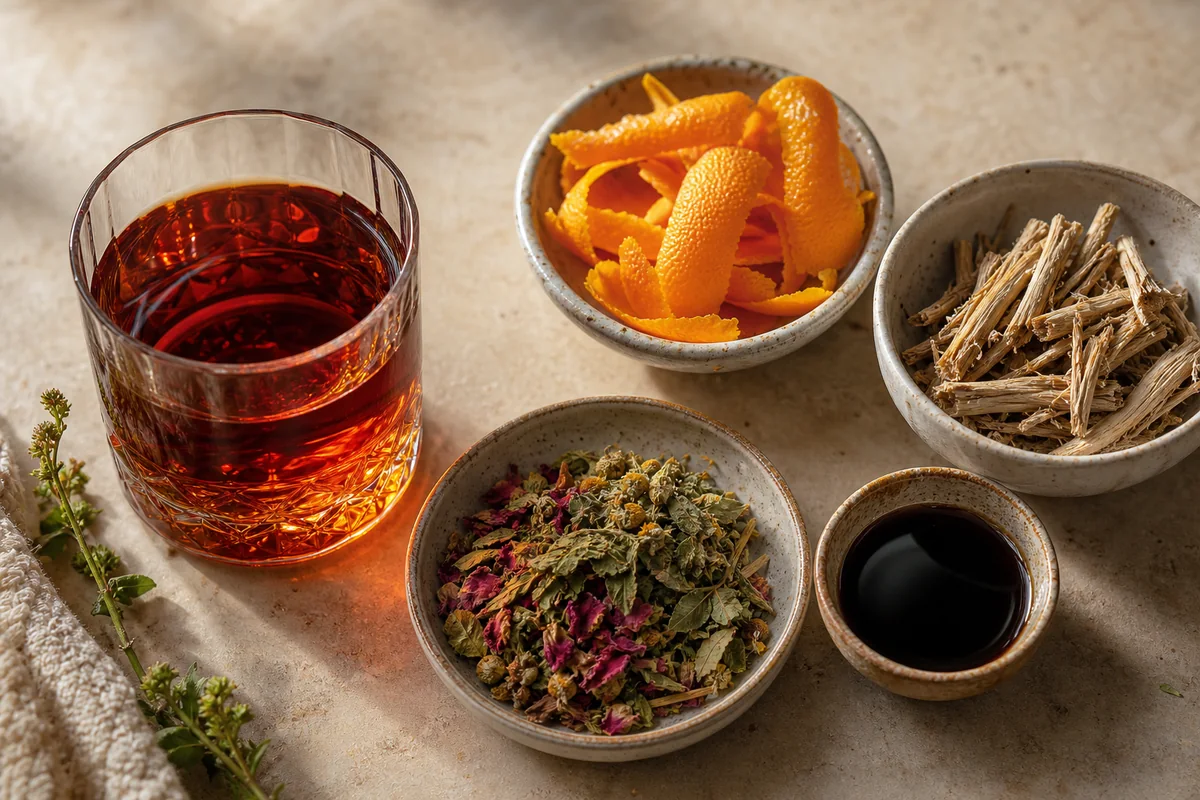
5 Best Amaro Meletti Substitutes for Home Cooks
Ingredients
Method
- Identify the flavor job: anise/licorice lift (liqueur-like) vs. bitter herbal backbone; choose the substitute that matches your goal first.
- Swap using the listed ratio (aim for the closest match), then taste once your drink/dessert base is combined.
- If the substitute is sweeter, add a splash of citrus or a tiny pinch of salt; if it’s too bitter, increase sweetness slightly.
- For very intense bitters (like Fernet), start lower and scale up gradually so you don’t overpower the recipe.
- Keep the finish consistent: let the mixture sit 5 minutes (or chill briefly for cocktails) so flavors meld before final adjustment.
Notes
- Use 1:1 for most closest matches; scale down substitutes that run sweeter (Jägermeister) or rounder/heavier (Averna, Ramazzotti).
- Scale down intensely bitter choices (Fernet-Branca) and dilute with the recipe’s existing liquid.
Tried this recipe?
Let us know how it was!
Carrie is a food writer and editor with more than 15 years of experience. She has worked for some of the biggest names in the food industry, including Bon Appétit, Food & Wine, and Martha Stewart Living.
As the Editor in Chief of EpicureDelight, Carrie oversees all of the content on the site. She also manages the team of contributing writers and editors, who help to create delicious recipes, helpful tips, and informative articles that you’ll find on the site.
A native of the Chicago area, Carrie is passionate about all things food. She loves trying new restaurants and experimenting with new recipes in her kitchen. She’s also a graduate of the Culinary Institute of America, so she knows a thing or two about food!



