Are you someone who finds themselves reaching for a slice of bologna when they're in search of an easy snack?
Do you always have some bologna tucked away in the fridge, but never know how long it can remain safely stored away? If so, then this is the blog post for you.
Here we'll discuss exactly how long Bologna will last by analyzing its shelf life and expiration date guidelines - all while helping demystify best practices along the way.
Even if you don't eat Bologna often, understanding these parameters can give valuable insight into what makes this food item "safe to consume."
Get comfy and get ready to dive into your newfound knowledge about Bologna!
What's Bologna?
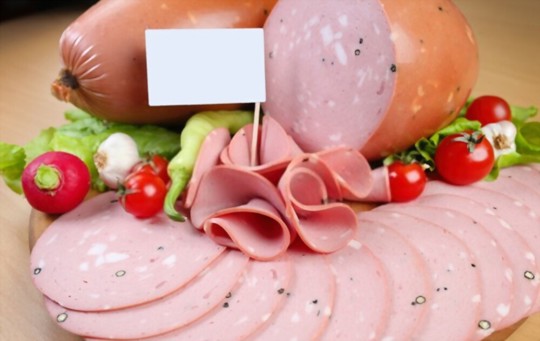
Bologna is a type of sausage made from ground pork, beef, or both.
It is typically seasoned with garlic, salt, and pepper.
Bologna can be eaten raw, grilled, or cooked.
It is often used as a sandwich meat or as an ingredient in pasta dishes.
Refrigerator Storage Duration for Bologna
Bologna, like most lunch meats, will last for about three to five days in the refrigerator.
If you want it to last longer, you can freeze it and it will be good for two to three months.
Bologna is a type of sausage made from beef, pork or veal.
It is usually flavored with garlic, salt and pepper.
Bologna is a versatile lunch meat that can be used in sandwiches, salads or as an appetizer.
When storing bologna in the fridge, make sure to wrap it tightly in plastic wrap or aluminum foil.
This will help to keep it fresh and prevent it from drying out.
Bologna can also be frozen if you want it to last longer.
When freezing bologna, again, make sure to wrap it tightly so that it doesn't dry out.
Frozen bologna will be good for two to three months.
So, how long does bologna last? In the fridge, three to five days; in the freezer, two to three months.
Freezer Storage Duration for Bologna
Bologna will last for 1-2 months in the freezer.
This is because bologna is a processed meat and therefore has a longer shelf life than unprocessed meats.
However, frozen bologna may be safe to eat after its expiration date, but it may not be as fresh or taste as good.
Therefore, it is best to consume frozen bologna within 1-2 months of its expiration date.
Does Bologna Go Bad?
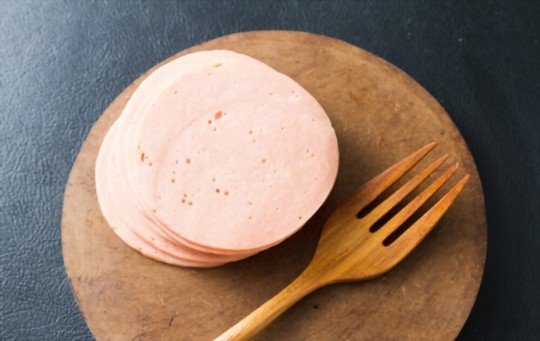
Bologna, or baloney, is a type of processed lunch meat that is typically made from beef, pork, or a combination of the two.
It is smoked and then cooked until it is safe to eat.
Bologna can last for up to two weeks after it has been opened, but it will begin to dry out and lose its flavor after a few days.
Bologna is a versatile lunch meat that can be used in a variety of dishes.
It can be sliced thin and used as a sandwich meat or diced and added to pasta salads or casseroles.
Bologna can also be eaten on its own as a snack.
While bologna is safe to eat after it has been opened, it will begin to dry out and lose its flavor after a few days.
If you are not planning on eating all of the bologna within a week, it is best to freeze it To extend its shelf life.
What Are The Signs Of Spoiled Bologna?
It's always better to err on the side of caution.
If you're not sure whether or not something is still good to eat, it's always better to throw it out.
With that said, here are a few signs that your bologna may have gone bad:
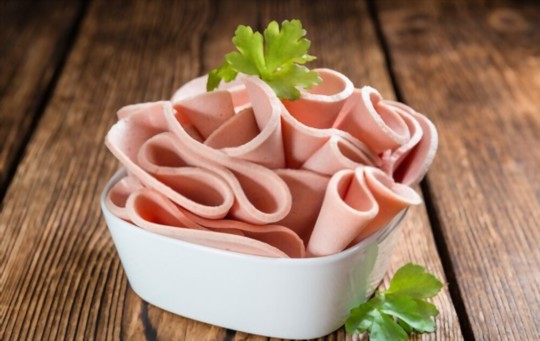
- The color has changed. Bologna should be a pinkish color. If it's starting to turn gray or brown, that's a sign that it's going bad.
- There is mold growing on it. This is probably the most obvious sign that your bologna has gone bad and needs to be thrown out.
- It has an off smell. If the bologna smells sour or otherwise unpleasant, it's best to get rid of it.
- It's been more than a week since you opened it. Even if the bologna looks and smells fine, it's best to play it safe and discard it after a week.
If you see any of these signs, it's best to throw out the bologna and buy a new package.
Better safe than sorry.
How Can You Extend The Shelf Life Of Bologna?
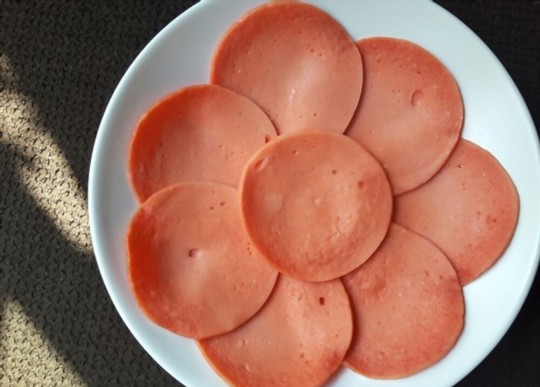
Most people don't realize that bologna actually has a pretty long shelf life.
If stored properly, bologna can last for up to two weeks after it has been opened.
The key to extending the shelf life of bologna is to keep it tightly sealed in its original packaging.
You can also store bologna in a resealable plastic bag.
If you want to extend the shelf life of bologna even further, you can freeze it.
Bologna will stay fresh in the freezer for up to three months.
When you're ready to eat it, simply thaw the bologna in the refrigerator overnight.
So there you have it.
With proper storage, you can enjoy bologna for weeks after opening the package.
Just be sure to keep it sealed tight and away from prying pets or curious children.
Best Practices for Storing Bologna
Bologna is a type of cured sausage that can last for weeks or even months after it has been opened, as long as it is stored properly.
There are several ways to extend the shelf life of bologna, such as keeping it in the fridge, freezer, or even vacuum-sealing it.
However, there are also several signs of spoiled bologna, such as a bad smell, mold, or a change in color.
If you're not sure whether your bologna is still good, it's always better to err on the side of caution and throw it out.

Ingredients
Method
- Store your product in an labelled container in a cool, dark place like the pantry or fridge.
- If your food is frozen, allow it to thaw in the fridge before cooking.
- Make sure to look for signs that your food has gone bad before eating it.
Tried this recipe?
Let us know how it was!More From EpicureDelight
The Complete Food Storage Guide - your complete resource for this topic.
See all food storage guides →Bologna stays fresh for [timeframe] under proper conditions. How it's packaged, where it's stored, and whether it's been opened all affect how long it lasts.
Yes - Bologna should be refrigerated after opening or once it's been prepared. Leaving it at room temperature for more than two hours increases the risk of bacterial growth.
Cool leftovers within two hours, transfer to an airtight container, and refrigerate. Most leftovers are best consumed within 3-4 days for both safety and quality.
High humidity causes faster mold growth on produce and baked goods; low humidity dries things out. Store moisture-sensitive items in controlled environments - produce drawers help regulate this.

Carrie is a food writer and editor with more than 15 years of experience. She has worked for some of the biggest names in the food industry, including Bon Appétit, Food & Wine, and Martha Stewart Living.
As the Editor in Chief of EpicureDelight, Carrie oversees all of the content on the site. She also manages the team of contributing writers and editors, who help to create delicious recipes, helpful tips, and informative articles that you’ll find on the site.
A native of the Chicago area, Carrie is passionate about all things food. She loves trying new restaurants and experimenting with new recipes in her kitchen. She’s also a graduate of the Culinary Institute of America, so she knows a thing or two about food!