
Broccoli does a lot of work. It holds its shape under heat, adds a mild bitter note that balances rich sauces, and gives dishes that familiar deep green color.
When you're out of it, the right broccoli substitute depends on one thing: what you need the vegetable to *do* in the dish.
Floret structure, quick-cook crispness, or background green bulk, each goal calls for a different swap. The five options below are matched to those goals, so you pick by texture first, not just by what's in the fridge.
The best broccoli substitute for roasting or gratins is cauliflower, which holds its floret shape and caramelizes well. Broccolini is the closest in flavor. Green beans keep crisp-tender bite. Use frozen peas in blended soups and casseroles, and asparagus for quick sautés.
5 Best Broccoli Substitutes Ranked by Texture Goal
| # | Substitute | Best For | Ratio | Key Note |
|---|---|---|---|---|
| 1 | Broccolini | Both | 1:1 | Closest flavor match |
| 2 | Cauliflower | Both | 1:1 | Pat dry if frozen |
| 3 | Green Beans | Cooking | 1:1 | Cut into 2-3 inch pieces |
| 4 | Frozen Peas | Cooking | ¾:1 | Add last 2-4 minutes |
| 5 | Asparagus | Both | ¾:1 | Chop into 1-2 inch pieces |
1. Broccolini
Broccolini is the swap you reach for when flavor matters as much as structure. It has the same mild bitterness as broccoli, thinner stems, and smaller florets that cook a minute or two faster.
Use it 1:1 by volume. If you're swapping broccolini out later in another recipe, the same logic applies in reverse.
Cut the stems shorter than you would broccoli so they finish at the same time as the floret ends.
- Ratio: 1:1 trimmed volume, no adjustment needed
- Cook time: Reduce by 1-2 minutes; stems soften faster than broccoli
- Best uses: Stir-fry, roasting, steaming, pasta
- Flavor: Nearly identical mild bitterness and green veg sweetness
Skip if: Your recipe needs large uniform florets for presentation, because broccolini's smaller heads won't fill the same visual space.
2. Cauliflower
Cauliflower holds its floret shape at high heat, caramelizes at the edges, and absorbs sauces without turning mushy. That makes it the most reliable option for gratins, roasted sheet-pan dishes, and cheesy casseroles.
When storing cauliflower before a big bake, keep it unwrapped in the fridge so it stays firm rather than sweating in a bag. Swap it 1:1 by floret volume.
- Ratio: 1:1 florets; cut to same bite size as you would broccoli
- Heat: Roast at 425°F for caramelized edges, 20-22 minutes
- Flavor: Milder and nuttier than broccoli, less bitter
- Texture: Firm when fresh, can get watery if frozen and not dried
Cauliflower
Works for: Roasting, gratins, cheese-topped casseroles, any dish needing floret structure
Skip if: Using frozen cauliflower without patting dry first, or when you need a green color in the dish
Skip if: Your dish depends on the green color broccoli provides, because cauliflower will read as a white vegetable no matter how you season it.
3. Green Beans
Green beans are the easiest quick-cook swap when you need something with a fresh, crisp-tender bite. Their flavor is mild and grassy, close enough to broccoli in a stir-fry or steamed side that most people won't notice the difference.
If you want to know more about their flavor profile before committing, green bean flavor notes break down how they compare to other vegetables in the same family. Trim the beans and cut them into 2-3 inch segments so the pieces match broccoli floret size.
- Ratio: 1:1 after trimming and cutting to size
- Cook time: 3-4 minutes blanched; 5-6 minutes sautéed over medium-high heat
- Best uses: Stir-fry, steamed sides, pasta toss, grain bowls
- Texture: Crisp-tender; holds bite well without going limp quickly
- Skip if: You need true florets for a cheese topping-chop beans smaller for even coverage, but they won't cradle sauce the same way
4. Frozen Peas
Peas are a background green, not a structural one. They work best when the dish blends textures together, like a creamy casserole, a chunky soup, or a pasta bake where no single vegetable needs to stand out on its own.
Add them in the last 2-4 minutes of cooking. Earlier than that and they turn grey and mealy.
When choosing a firmer green matters for your dish, green beans or asparagus will hold structure far better than peas. Use ¾ cup of peas for every 1 cup of broccoli the recipe calls for.
Skip if: The recipe depends on each vegetable holding a distinct shape when served, because peas soften quickly and disappear into sauces.
5. Asparagus
Asparagus works well when you want a green vegetable with some earthy bite and you're cooking fast. Chop spears into 1-2 inch pieces so they cook at the same rate and sit in the dish the way broccoli florets would.
When weighing your options, picking the right green veg comes down to how long the dish spends in the oven or on the stove.
Asparagus
Works for: Quick sauté, low-to-medium roast, pasta, risotto, grain bowls
Skip if: High-heat uncovered baking over 20 minutes, where spears dry out and go stringy
- Ratio: ¾:1; asparagus is more concentrated in flavor, so slightly less is enough
- Prep tip: Blanch 1 minute before adding to a bake to protect texture
- Flavor: Earthy and slightly grassy, similar bitterness to broccoli but more pronounced
- Best uses: Stir-fry, pasta bakes, sautéed sides, frittatas
Skip if: You're roasting uncovered at 450°F or higher; thin spears will dry out before the rest of the dish finishes.
Making Broccoli Substitutes Work (No Surprises)
Choosing the right swap is half the job. The other half is sizing and timing.
When any of these vegetables are cut too large or added too early, they cook unevenly and throw off the dish's texture. For dishes where leafy green picks are also on the table, the same sizing rules apply.
Match the piece size of your substitute to what broccoli florets would have been, and adjust your cooking window by 1-3 minutes depending on the vegetable.
- Size everything the same: Cut substitutes to match broccoli floret size so they finish cooking at the same time as the other ingredients
- Add softer swaps late: Peas and thin asparagus go in 2-4 minutes before the dish is done; earlier and they overcook
- Drain wet vegetables first: Salt-sweat zucchini 10 minutes and pat dry; pat frozen cauliflower thoroughly so the bake doesn't steam instead of roast
Frequently Asked Questions
Cauliflower is the best match for roasting. Use it at a 1:1 ratio, cut to the same floret size, and roast at 425°F for 20-22 minutes to get caramelized edges.
Yes, but use ¾ cup per cup of broccoli and stir them in during the last 3-4 minutes. Peas baked too long turn grey and lose texture.
Pat it completely dry before roasting, especially if it was frozen. Spread florets in a single layer with space between them so heat circulates evenly.
Yes. Cut them into 2-3 inch pieces and stir-fry over high heat for 4-5 minutes. They stay crisp-tender and don't need blanching for most quick-cook methods.
Cauliflower or broccolini. Both keep their structure under heat. Avoid peas or zucchini if the recipe needs each vegetable piece to hold its form when served.
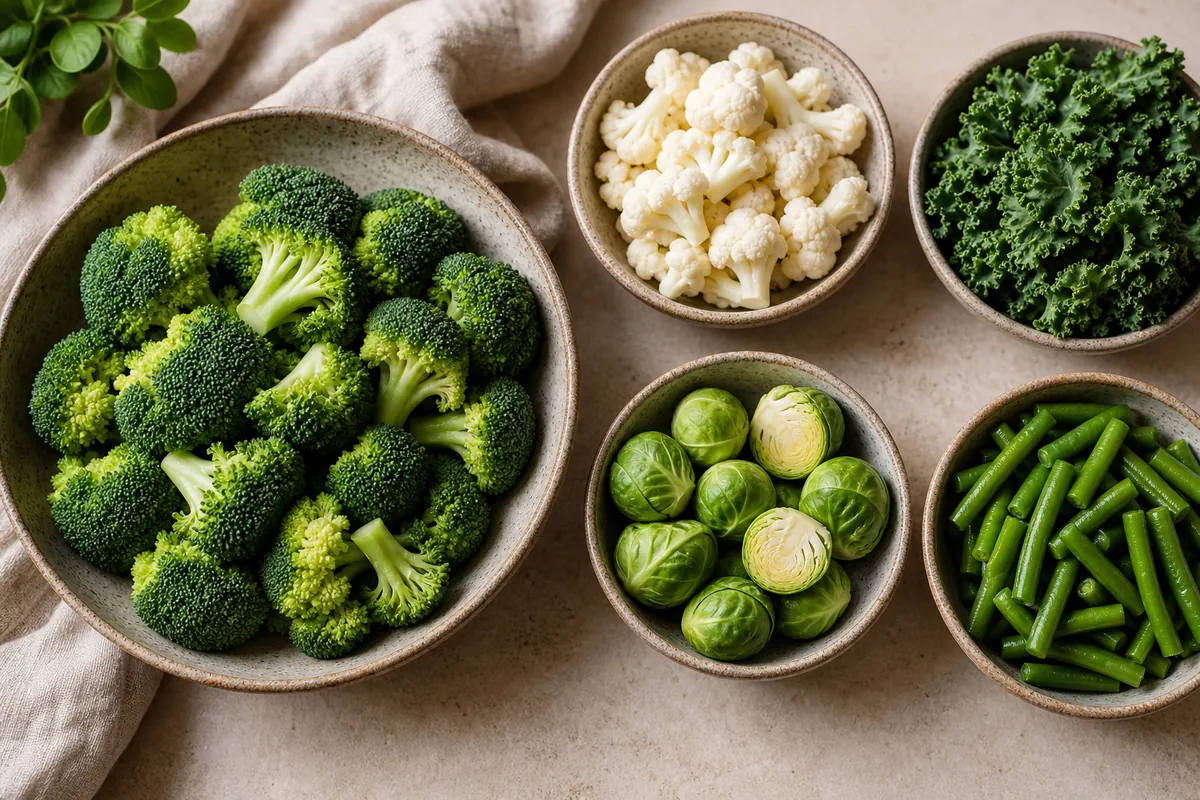
5 Best Broccoli Substitutes You Can Trust
Ingredients
Equipment
Method
- Decide the texture you need: crisp-tender (roast/sauté), tender florets (gratin/bake), or blended green (pureed soups).
- Choose the substitute from the list so the bite matches your recipe (florets-to-florets, or greens-to-greens).
- Use the listed ratio and prep to the same size: cut florets to bite-size or chop spears into similar lengths.
- Adjust cooking time: cook crisp substitutes 1–3 minutes less than broccoli, and add softer ones 2–6 minutes before finishing.
- Taste after cooking and fix balance: a pinch of salt/acid (lemon or vinegar) helps if the swap tastes flatter than broccoli.
Notes
- If your recipe relies on broccoli florets holding shape, avoid watery swaps unless you drain them first.
- Frozen veg needs extra drying or short cooking windows to prevent mush.
Tried this recipe?
Let us know how it was!
Carrie is a food writer and editor with more than 15 years of experience. She has worked for some of the biggest names in the food industry, including Bon Appétit, Food & Wine, and Martha Stewart Living.
As the Editor in Chief of EpicureDelight, Carrie oversees all of the content on the site. She also manages the team of contributing writers and editors, who help to create delicious recipes, helpful tips, and informative articles that you’ll find on the site.
A native of the Chicago area, Carrie is passionate about all things food. She loves trying new restaurants and experimenting with new recipes in her kitchen. She’s also a graduate of the Culinary Institute of America, so she knows a thing or two about food!



