
That smoky, peppery heat you get from a good shake of cajun seasoning substitute is harder to fake than it looks. The blend works because several flavors hit at once: smoky paprika sets the color and aroma, cayenne or chili brings the heat, and garlic plus onion powder add the savory base that makes everything taste seasoned rather than just spicy.
Salt is also part of the equation. Most store-bought cajun blends include salt, so your swap needs to account for that or you'll end up under-seasoning a dish that should punch hard.
The list below covers five tested swaps for cooking and baking, with clear guidance on when each one fits and when to skip it.
Cajun seasoning blends smoky paprika, cayenne, black pepper, garlic and onion powder, and salt into one dry mix. The closest swaps are Creole seasoning (1:1) and a DIY smoked paprika blend you can mix in five minutes. Taco seasoning and blackened seasoning also work with small adjustments.
5 Best Cajun Seasoning Substitutes Ranked by Fit
Matching cajun seasoning means getting four things right at once: smoke, heat, savory depth, and salt. Scan the table below first to pick your swap, then read the item section for ratio and adjustment details.
| # | Substitute | Best For | Ratio | Key Note |
|---|---|---|---|---|
| 1 | Creole Seasoning | Both | 1:1 | Reduce cayenne if too hot |
| 2 | DIY Smoked Paprika Blend | Both | 1:1 | Full heat and salt control |
| 3 | Taco Seasoning | Cooking | ¾:1 | Earthier, cumin-forward |
| 4 | Italian Seasoning + Cayenne | Cooking | 1:1 | Herb-forward, less smoky |
| 5 | Blackened Seasoning | Both | 1:1 | Pepper-heavy; reduce for fish |
1. Creole Seasoning
Creole seasoning is the fastest pour-and-go swap because it shares the same backbone: smoky paprika, black pepper, garlic and onion powder, and cayenne. Most brands land within a few grams of cajun blends in terms of heat and salt.
The flavors that differ slightly are the herbs. Creole blends often include dried thyme, oregano, or bay-leaf dust, which makes the overall profile a little greener and more complex.
If you're making a dish where the peppery smoke base matters most, like a shrimp boil or a dry rub for chicken thighs, Creole seasoning slots in perfectly. Reduce cayenne by about ¼ teaspoon per tablespoon if your blend already runs hot.
- Dry rubs: Use 1:1 with no other changes; the herb notes blend into the crust
- Sautéed dishes: Start with the same amount and taste after 2 minutes of cooking
- Hot brands: If your Creole seasoning stings on its own, reduce by ¼ and add plain smoked paprika to fill the gap
Skip if: Your recipe calls for a pure smoky paprika profile without herb notes, or if your Creole blend contains added sugar.
2. DIY Smoked Paprika Blend
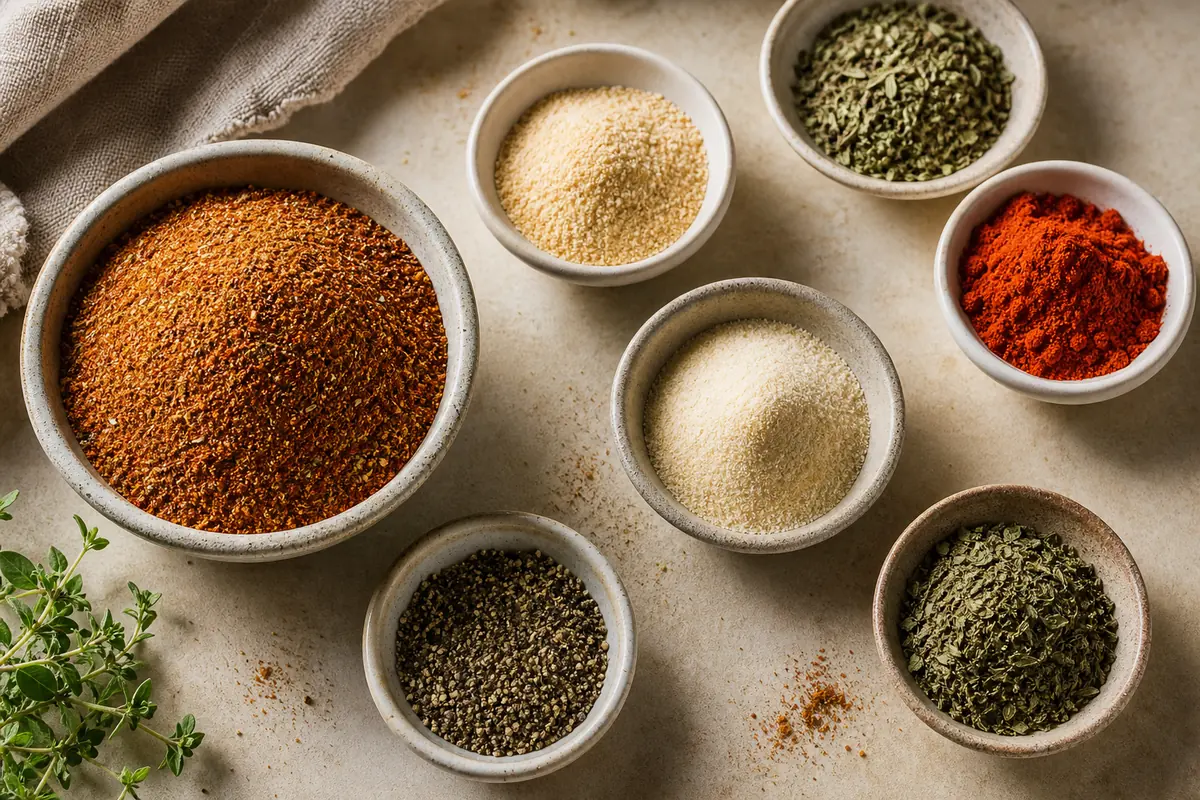
When you want full control over heat and salt, this five-minute mix beats any store-bought swap. Smoked paprika handles the color and the char-edged aroma that makes cajun cooking recognizable.
Black pepper adds bite, while savory garlic alternatives and onion powder round out the depth you'd normally get from a premixed blend.
For baking, this DIY option is worth the extra measuring. You can pull back the cayenne before it goes into the oven, since heat and salt read louder at higher temperatures.
- Smoked paprika: 1 tablespoon - the smoke base; do not use sweet paprika if you can avoid it
- Cayenne pepper: ½ teaspoon for medium heat; drop to ¼ teaspoon for baking or mild dishes
- Garlic powder: 1 teaspoon - savory depth that mimics most store-bought cajun blends
- Onion powder: 1 teaspoon - softens the sharp chili edge so it tastes complete
- Black pepper: ½ teaspoon - peppery backbone; add a pinch more if your dish needs bite
- Salt: Add separately, ¼ teaspoon at a time, and taste before adding more
Skip if: You only have sweet paprika. It works in a pinch, but the smoky character drops significantly.
3. Taco Seasoning
Taco seasoning is the most common pantry stand-in, and it mostly works because both blends lean on chili-forward heat with garlic and onion depth. The gap is cumin.
Taco seasoning uses cumin heavily, which gives dishes a warmer, earthier tone that reads distinctly different from cajun's straight peppery smoke. That's not always a problem, but it's something to know before you commit.
Taco Seasoning vs. Cajun Seasoning
Works for: Quick weeknight proteins, rice dishes, bean soups where earthy-spicy heat is fine
Skip if: The smoky paprika character is essential, or your taco blend contains added sugar
Start at ¾ of the amount your recipe calls for, taste, and add from there. If you find the taco seasoning lacks punch, a small pinch of smoked paprika bridges the flavor gap fast.
For anyone choosing the right taco blend, it's worth knowing that cumin content varies a lot between brands.
- Start ratio: Use ¾ teaspoon per 1 teaspoon cajun seasoning called for
- Cumin correction: If the dish tastes too earthy, add ¼ teaspoon smoked paprika to sharpen it
- Salt check: Some taco blends are saltier than cajun; taste before adding any recipe salt
Skip if: Your taco seasoning lists sugar or brown sugar in the top three ingredients.
4. Italian Seasoning + Cayenne
Italian seasoning brings a dried-herb edge that can stand in for the herbal notes many cajun blends carry, especially in dishes with pork, chicken, or beef. It lacks smoke entirely, so you need to add cayenne to get any heat at all.
This swap works best when the dish is already rich enough to carry herb-forward flavors, like a pasta with andouille-style sausage or a baked chicken thigh.
We prefer this swap for non-seafood proteins where you want a seasoned crust rather than a smoky one. For shrimp or fish, the herb-forward profile tends to overpower the delicate protein.
If you're picking your heat source, add cayenne in ¼ teaspoon increments so you don't overshoot.
- Italian seasoning: 1 teaspoon per 1 teaspoon cajun called for - this is your herb and savory base
- Cayenne: Start at ¼ teaspoon and build up; taste after each addition
- Gap filler: Add a pinch of garlic powder and onion powder if your Italian seasoning doesn't already include them
Skip if: You need the classic smoky cajun flavor, or you're seasoning seafood where herbs dominate.
5. Blackened Seasoning
Blackened seasoning overlaps with cajun blends more than most people expect. Both lean on pepper, paprika, and heat.
The difference is emphasis: blackened blends tend to be more black-pepper-forward and sometimes run stronger on dried thyme or oregano. That intensity is great for a seared protein crust, but it can overpower delicate fish or a light sauce.
Use it at 1:1 for dry rubs. For anything cooked in liquid, start at ¾ and taste.
If you're looking at swapping out the pepper component in your blend, remember that blackened seasoning already runs high in black pepper, so layering more can bite.
- Dry rubs on chicken or steak: 1:1 swap; the pepper crust works perfectly
- Sauces and braises: Start at ¾, taste after 5 minutes of simmering
- Delicate fish (tilapia, sole): Reduce to ½ the cajun amount and add plain smoked paprika for color
Skip if: Your recipe already has a heavy pepper component, or you're working with mild white fish.
Making Your Cajun Seasoning Substitute Taste Right
Getting a substitute to taste right is about knowing where the flavors tend to drift. Heat and salt both intensify as food cooks, so start with slightly less than the recipe calls for and correct at the end.
Smoke is the hardest flavor to fake, but a small addition of smoked paprika fixes most gaps. The smoky aroma profile of paprika is your best tool here because it works in every format, dry rub, sauté, or bake.
If you're unsure whether your blend has the right savory depth, a pinch of your best onion powder option almost always rounds out the flavor.
- Match the smoke first: If your substitute lacks smoked paprika, add ½ teaspoon per tablespoon of blend before anything else
- Start lighter on heat: Use ¾ of the cayenne amount, then build up after tasting mid-cook or mid-bake
- Salt last: Taste the finished dish before adding any extra salt - most premade swaps already contain sodium
Frequently Asked Questions
Yes, use it 1:1 in most savory dishes. Creole seasoning is the closest match and only differs in its extra dried herbs, which are barely noticeable in most recipes.
Start with ¾ of the cajun amount. Taco seasoning runs earthier and sometimes saltier, so it's safer to taste before adding more.
Not usually, but it depends on the dish. For dry rubs, it's a clean 1:1. For sauces or delicate fish, reduce it by about a quarter.
Yes. Use the salt-free blend at 1:1 for spice, then add salt separately to taste. This approach gives you more control than any pre-salted substitute.
Yes, it can. Dry oven heat concentrates spice faster than a wet sauté. Reduce cayenne by about ¼ teaspoon when baking and taste before serving.
5 Best Cajun Seasoning Substitutes for Any Recipe
Ingredients
Equipment
Method
- Combine smoked paprika, cayenne, garlic powder, and onion powder in a small bowl (dry mix).
- Add black pepper and dried oregano, then stir until evenly speckled.
- Taste a tiny pinch and adjust heat (more/less cayenne) and salt (add salt gradually).
- Swap into your recipe at a 1:1 measure for most cooking uses (sprinkle evenly and toss/coat).
- If baking or dry-rubbing, reduce cayenne slightly and add salt only after your first taste-test—baking can intensify spice.
Notes
- This blend is best for savory dishes (grilled chicken, shrimp, potatoes).
- If your original cajun seasoning is salt-forward, your substitute should be salt-matched or you may over/under-season.
Tried this recipe?
Let us know how it was!
Carrie is a food writer and editor with more than 15 years of experience. She has worked for some of the biggest names in the food industry, including Bon Appétit, Food & Wine, and Martha Stewart Living.
As the Editor in Chief of EpicureDelight, Carrie oversees all of the content on the site. She also manages the team of contributing writers and editors, who help to create delicious recipes, helpful tips, and informative articles that you’ll find on the site.
A native of the Chicago area, Carrie is passionate about all things food. She loves trying new restaurants and experimenting with new recipes in her kitchen. She’s also a graduate of the Culinary Institute of America, so she knows a thing or two about food!



