
Taco night has a way of revealing every gap in the spice cabinet. You reach for the packet, it's gone, and the meat is already browning.
A good taco seasoning substitute keeps the same flavor logic intact: chili heat, cumin earthiness, and savory aromatics working together.
The main reason swaps can go sideways is salt. Store-bought taco seasoning packs a lot of it.
Most homemade blends and spice-rack alternatives don't, so you'll need to season at the end rather than at the start.
Heat level is the other variable. Chili powder ranges from mild to sharp depending on the brand, and blends like fajita seasoning can run pungent.
Start at a 1:1 ratio with whatever you're using, then taste and correct.
The five best taco seasoning substitutes are fajita seasoning, a DIY chili-cumin blend, chili powder + cumin, a lime-brightened fajita rub, and smoked paprika + cumin + oregano. All work at a 1:1 starting ratio. Adjust salt at the end because most blends lack the sodium of a seasoning packet.
5 Best Taco Seasoning Substitutes You Can Trust
Here's a quick reference table for all five swaps before the full breakdown. Use it to grab a ratio fast, then read the section for how to dial in flavor.
| # | Substitute | Best For | Ratio | Key Note |
|---|---|---|---|---|
| 1 | Fajita Seasoning | Both | 1:1 | More pungent; adjust salt |
| 2 | DIY Chili-Cumin Blend | Both | 1:1 | Bloom spices before liquid |
| 3 | Chili Powder + Cumin | Savory | 1:1 | Add paprika for color |
| 4 | Fajita Spice + Lime Zest | Baking | 1:1 + zest | Keeps baked dishes bright |
| 5 | Smoked Paprika + Cumin + Oregano | Both | 1:1 | Best for chicken and veg |
1. Fajita Seasoning
Fajita seasoning is the easiest grab-and-go swap. It shares the same core spices as taco seasoning, just with a slightly stronger garlic-and-onion forward profile.
We like it for beef and chicken tacos where that pungency reads as depth. The swap is straightforward, and most people can't tell the difference once the meat is cooked down.
- Ratio: Use 1:1 by volume, then taste before adding any salt
- Heat: Check the label; some fajita blends run hotter than mild taco packets
- Texture: Works in skillet cooking, slow cooker batches, and dry rubs equally well
- Pungency fix: Add a pinch of smoked paprika if the onion/garlic note is too sharp
If you're curious about pungent powder alternatives, that's worth a look when building blends from scratch. The fajita route saves time, but knowing your aromatics lets you fine-tune any packaged blend.
Skip if: you're avoiding heavy onion or garlic-forward spice blends, especially for dishes where taco seasoning plays a subtler background role.
2. DIY Taco Spice Blend
Making your own blend takes under five minutes, and it's the most controllable swap on this list. Start with chili powder and cumin as the base, then add garlic powder, onion powder, and a pinch of dried oregano.
The key move is blooming the spices. Add them dry to a hot pan for 20 to 30 seconds before adding meat or liquid.
That short heat contact eliminates any raw, dusty note. If you want to understand how picking a cumin alternative changes the whole blend's character, that page covers it well.
| Use | Ratio | Notes |
|---|---|---|
| 1 lb meat (tacos) | 2 tablespoon blend | Bloom 20-30 sec before liquid |
| Sheet-pan bake | 1.5 tablespoon blend + 1 teaspoon oil | Mix into oil first to prevent clumping |
| Chili (6 servings) | 3 tablespoon blend | Add with tomatoes; adjust salt at end |
- Too hot: Reduce chili powder by 1 teaspoon and replace with a half-tsp of sweet paprika
- Too flat: Add a quarter-tsp more garlic powder and a pinch more cumin
- Too salty: Skip the salt entirely during cooking; season on the plate
Skip if: you're missing both cumin and chili powder. At that point, a packaged alternative like fajita seasoning is the better call.
3. Chili Powder + Ground Cumin
This two-ingredient combo nails the backbone of taco flavor. Chili powder brings heat and a mild fruitiness; cumin brings the earthy, slightly smoky note that makes food taste like tacos specifically.
It doesn't have the full aromatic complexity of a seasoning packet, but for a quick stovetop fix it gets you 80% of the way there. The heat-forward spice swaps page is useful if your chili powder is already very pungent and you want to back off.
- Ratio: Use equal parts chili powder and cumin, then use that mix 1:1 for taco seasoning
- Color boost: Add a half-tsp of smoked paprika per tablespoon of blend for visual depth
- Missing aromatics: If you have garlic powder, add a quarter-tsp per tablespoon; it makes a noticeable difference
- Heat check: If your chili powder is very sharp, start with 75% of the called-for amount
Chili Powder + Cumin
Works for: fast stovetop tacos, chili, bean dishes where you want a clean spice hit without many layers
Skip if: you need the full aromatic profile (paprika, oregano, onion depth) - add those separately or choose the DIY blend instead
4. Fajita Spice + Lime Zest
This one is specifically for baked taco dishes, stuffed peppers, and sheet-pan meals where the dry heat can flatten flavor. Fajita seasoning is the spice base, and lime zest adds brightness without the liquid that lime juice brings.
The zest keeps the rub dry, which matters for even browning in the oven. It also mimics the slight tang that some taco seasoning packets get from citric acid.
- Ratio: 1:1 fajita seasoning for taco seasoning, plus half a teaspoon of lime zest per tablespoon of spice
- When to add zest: Mix it into the dry rub before applying, not after cooking
- Lime juice alternative: If baking a saucy dish, add 1 teaspoon lime juice per pound of protein to the wet ingredients only
- Layering tip: A pinch of smoked paprika alongside the aged smoky spice adds extra color without extra heat
Skip if: the dish has delicate dairy like sour cream baked in. Acid can cause it to separate, so add lime only as a finish.
5. Smoked Paprika + Cumin + Oregano
This blend leans into the smoky, savory register that some taco seasoning brands emphasize. Smoked paprika gives you color and a wood-fire aroma; cumin anchors it in familiar taco territory; dried oregano rounds off the edges with an herbal note.
It works especially well with chicken, cauliflower, and black bean fillings. For beef, it's good but add a pinch of garlic powder if you have it.
If you want to understand what that deep red spice actually contributes before committing, that breakdown is helpful.
- Ratio: 2 parts smoked paprika, 2 parts cumin, 1 part dried oregano - use this mix 1:1 for taco seasoning
- Heat note: This blend has almost no heat on its own; add a quarter-tsp of cayenne if you want it
- Best uses: Chicken tacos, vegetarian fillings, roasted veg, taco salad bowls
- Sweet paprika warning: Don't substitute sweet paprika directly - use less and lean harder on cumin to compensate
Skip if: you only have sweet paprika and no smoked version. The flavor profile shifts too far from the original.
Making Taco Seasoning Substitutes Taste Right
The 1:1 then adjust rule applies to almost every swap here. Measure the same volume your recipe calls for, cook with it, then taste before you add any extra salt.
Most taco seasoning packets include a gram or two of sodium per serving, and homemade blends don't, so the finish salt matters more than you'd expect.
Knowing what heat levels chili powder brings before you measure means fewer over-spiced batches. When you're using ground cumin, the ground vs. whole seed tradeoff changes how much you need per tablespoon.
Ground is more potent by volume, so if you're using seeds that you've roughly crushed, add a little extra.
- Bloom first: Toast dry spices in the pan 20-30 seconds before adding meat or liquid to build flavor and prevent a chalky finish
- Salt last: Add salt only after tasting, since your substitute may already have sodium or your other ingredients (salsa, cheese) add it too
- Baking fix: Mix dry substitute blends with 1 teaspoon of oil before applying to protein - this prevents clumping and helps the spices stick evenly
Frequently Asked Questions
Yes. Fajita seasoning uses the same core spices and swaps 1:1 by volume. It runs slightly more pungent, so taste before adding extra salt or garlic.
Use equal parts chili powder and cumin, then measure that combined blend 1:1 for taco seasoning. Add garlic powder if you have it.
Mix your substitute blend with 1 teaspoon of oil before applying. This disperses the spices evenly and prevents dry pockets in the finished dish.
Cut the chili powder by 1 teaspoon and replace with sweet or smoked paprika. Taste after simmering 2 minutes before adjusting further.
No, simmer time stays the same. Blooming dry spices for 20-30 seconds before adding liquid helps any substitute develop full flavor faster.
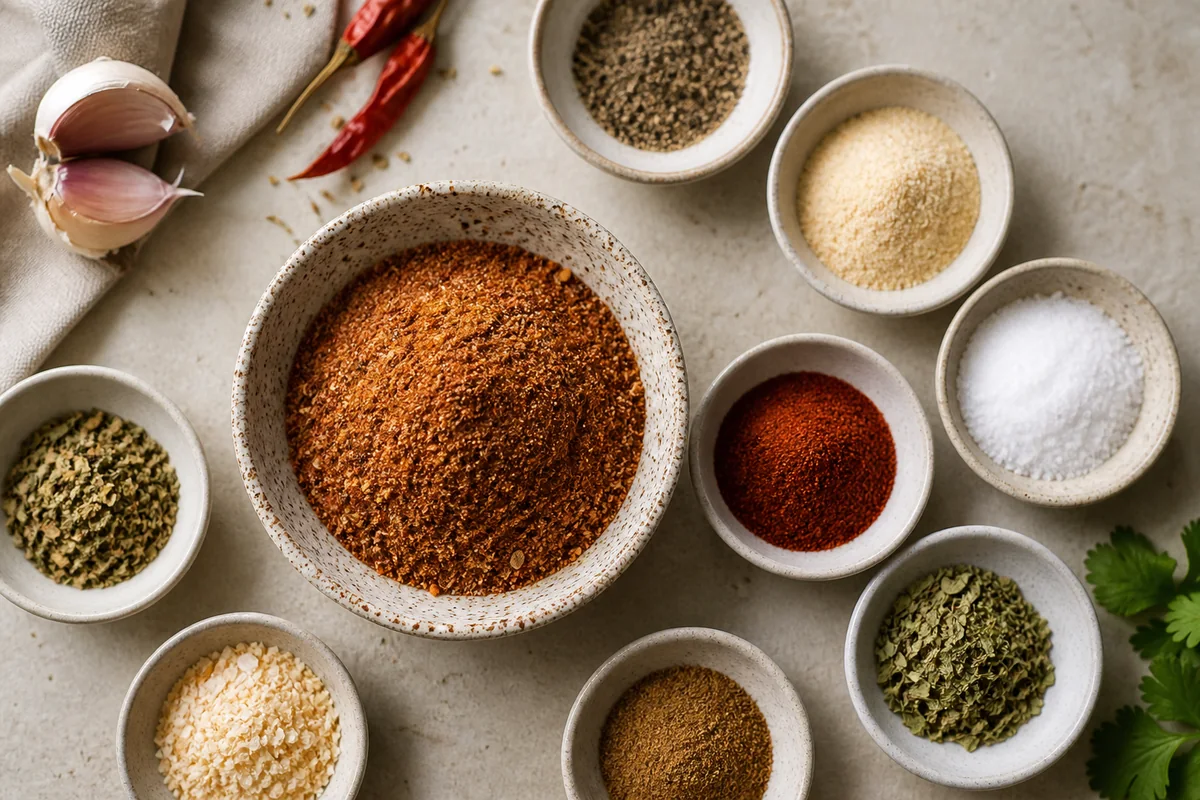
5 Best Taco Seasoning Substitutes You Can Trust
Ingredients
Equipment
Method
- Use a 1:1 ratio: replace taco seasoning with your spice blend measure (same amount by volume/weight).
- Taste the dry blend: if it’s flat, add another pinch of garlic powder + onion powder; if it’s too hot, cut chili powder slightly.
- If cooking the swap into meat, bloom the spices in the pan for 20–30 seconds before adding liquid (prevents a “raw spice” taste).
- If baking (tacos on a sheet pan, stuffed peppers, etc.), mix the blend into your wet seasonings or rub so it disperses evenly.
- For extra “store-bought” punch, finish with 1 pinch salt per serving, then adjust at the end of cooking.
Notes
- This quick blend is designed to mimic the most common taco seasoning profile (chili + cumin + savory aromatics).
- Start with 1:1, then adjust heat and salt at the end—taco seasoning brands vary widely.
Tried this recipe?
Let us know how it was!
Carrie is a food writer and editor with more than 15 years of experience. She has worked for some of the biggest names in the food industry, including Bon Appétit, Food & Wine, and Martha Stewart Living.
As the Editor in Chief of EpicureDelight, Carrie oversees all of the content on the site. She also manages the team of contributing writers and editors, who help to create delicious recipes, helpful tips, and informative articles that you’ll find on the site.
A native of the Chicago area, Carrie is passionate about all things food. She loves trying new restaurants and experimenting with new recipes in her kitchen. She’s also a graduate of the Culinary Institute of America, so she knows a thing or two about food!



