
Ham hock is one of those ingredients that quietly does a lot of work. It gives soups and braises that deep, smoky pork flavor, and the collagen in the bone adds a silky body you just cannot get from plain stock alone.

The problem is, ham hock is not always easy to find. Some grocery stores carry it seasonally, others not at all - and if you follow a vegetarian diet, it is off the table entirely.
Budget is another factor. A good ham hock from a butcher runs higher than many weeknight cooks want to spend, especially when the dish needs two or three of them for a large pot.
This guide covers five direct substitutes, each with an exact weight ratio, a note on salt adjustment, and a clear best-use case. Knowing that ham hock recipes rely on both flavor and body helps you pick a swap that does not flatten the dish.
We cover everything from simple pork shoulder to a fully vegetarian option built around smoked mushrooms.
Every substitute here is matched to the type of dish you are making, whether that is a long braise, a rustic split pea soup, or a baked dish that needs smoky depth.
You will also find our pork hock vs ham hock comparison useful if you are unsure which original cut your recipe calls for.
The best ham hock substitutes are pork shoulder, bacon or pancetta, salt pork, a ham bone with stock, and smoked mushrooms with liquid smoke for a vegetarian option. Each swap works at a 1:1 weight ratio or a defined volume ratio, and all require salt adjustments to avoid over-seasoning.
Substitutes at a Glance
Before diving into each option in detail, this table gives you a fast reference for ratios and best-use contexts. Ham hock weight typically falls between 0.75 lb and 1.5 lb per hock, so all ratios below are scaled to that range.
Following USDA food safety guidelines on pork handling applies to all these cuts, especially during long, slow cooks.
| # | Substitute | Ratio | Best For | Taste Match |
|---|---|---|---|---|
| 1 | Pork Shoulder (Boston Butt) | 1:1 by weight | Braises and long-simmered stews | Close |
| 2 | Bacon or Pancetta | 4-6 slices ≈ 0.25-0.5 lb per hock | Smoky braises and quick-flavor stews | Mild (smokier) |
| 3 | Salt Pork | 1 lb per hock | Slow-cooked stews; fat-based dishes | Mild (saltier) |
| 4 | Ham Bone + Stock | 1 ham bone + 2 cups stock per hock | Soups and stock-based dishes | Close (less meat) |
| 5 | Smoked Mushrooms + Liquid Smoke | 2 cups mushrooms + 1 teaspoon liquid smoke | Vegetarian braises and soups | Different (umami-forward) |
Save This for Later
Pin this savory tweaks: 5 best ham hock substitutes guide so you always have it when you need it.
Ham Hock Substitutes in Detail
Each substitute below covers the ratio, what changes in flavor and texture, and when to reach for it. Read the section that matches your dish type for the most accurate guidance.
1. Pork Shoulder (Boston Butt)
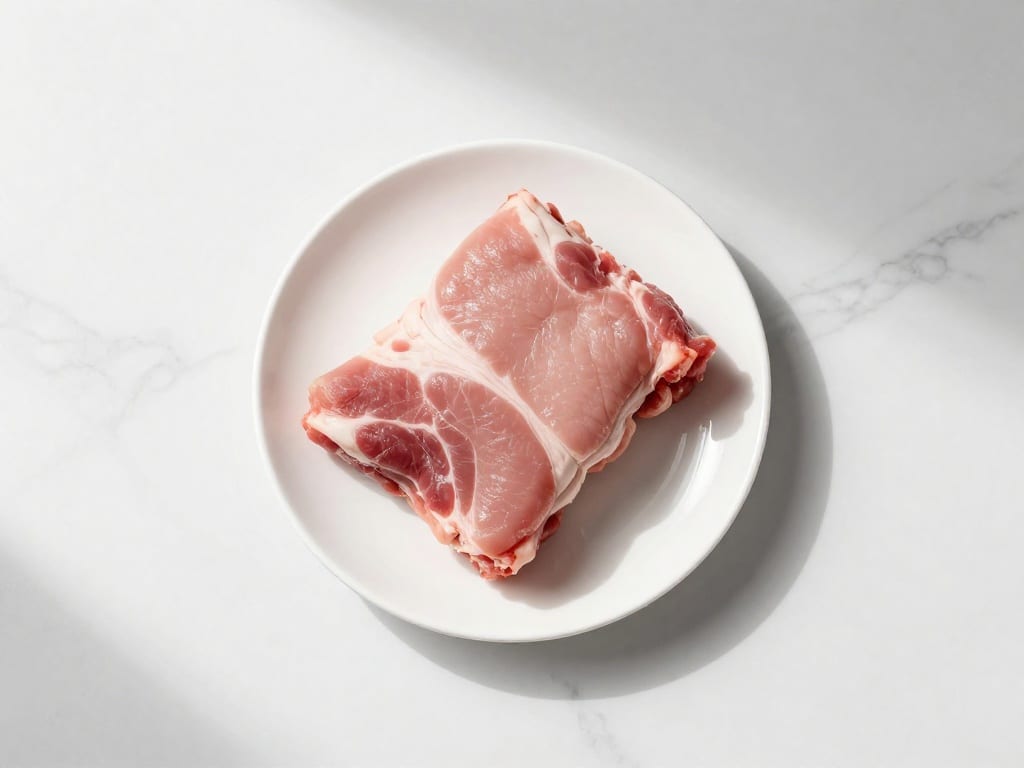
Pork shoulder is the most straightforward 1:1 swap for ham hock. If your recipe calls for a 1 lb ham hock, use 1 lb of pork shoulder, cut into large chunks or left as a single piece for a braise.
The flavor is pork-forward and rich, which is exactly what you want. The key difference is gelatin content: ham hock has more collagen from the bone, which gives dishes a silky, almost sticky body.
Pork shoulder has less. To compensate, add a small splash of extra liquid mid-cook and let the dish reduce by about 10% more at the end to tighten the texture.
According to braising technique guides, pork cuts with good fat coverage maintain moisture over long cooks, which makes pork shoulder reliable here.
This substitute works for any recipe that braises low and slow, like collard greens, split pea soup, or bean stews.
It will not give you the smoky profile a cured ham hock delivers, so if smoke is central to the dish, add half a teaspoon of smoked paprika or a few drops of liquid smoke to bridge the gap.
Pork shoulder is also widely available, budget-friendly, and easy to find at any grocery store. You can use bone-in or boneless; bone-in adds a little more body to the liquid as it cooks.
Pork shoulder at a 1:1 weight ratio is the best all-around substitute for braises and slow-cooked dishes. It delivers similar mouthfeel with minimal adjustments.
2. Bacon or Pancetta
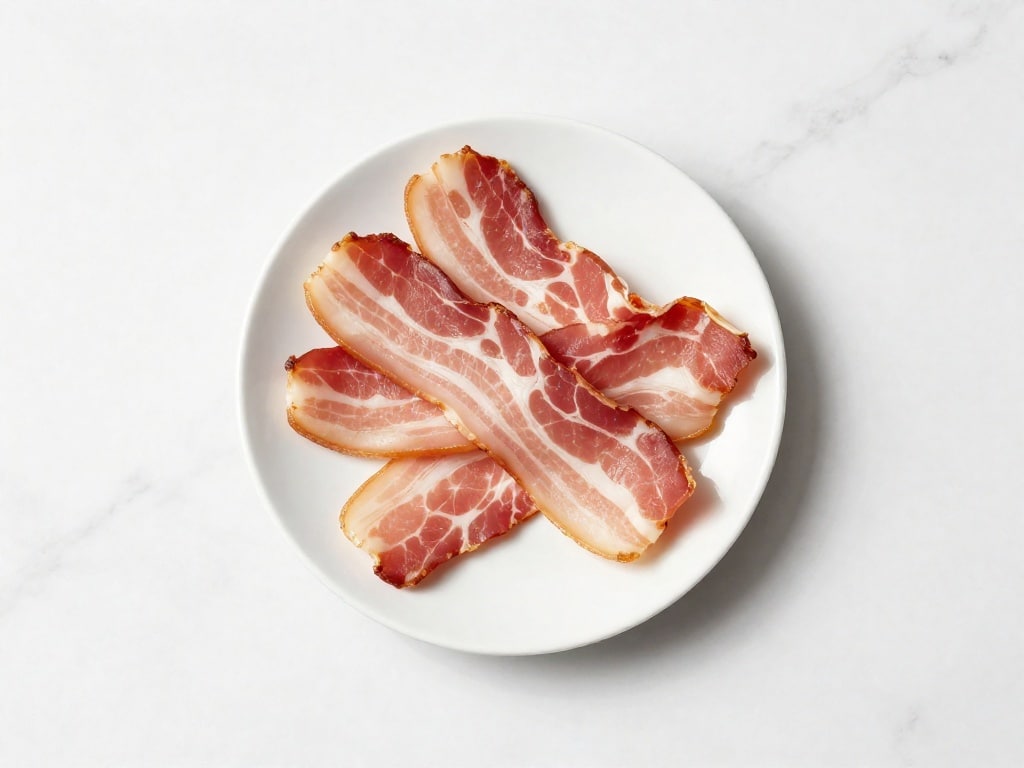
Bacon and pancetta both bring smoky, fatty pork flavor in a concentrated form. The ratio here is different from a straight weight swap: use 4 to 6 slices of bacon (roughly 0.25 to 0.5 lb) to approximate the flavor contribution of one ham hock.
You will not get the same volume of meat, so this substitute works better when the hock is primarily a flavor tool rather than a main protein source.
Cut the bacon or pancetta into lardons and render them in the pot first, then build the rest of the dish on that fat base. This technique pushes the smoky flavor into every layer of the dish.
Pancetta is a good alternative to bacon when you want a milder smoke and a cleaner fat; our guide to pancetta substitutes covers that comparison in detail.
Salt is the main management task here. Bacon is significantly saltier than a raw ham hock, and bacon preparation notes consistently flag the need to reduce added salt when using it as a flavor base.
Hold off on any extra salt until the dish is nearly done, then taste and adjust.
This substitute shines in braises, bean dishes, and soups where a smoky background is the goal. It does not work as well if the recipe expects shredded pork on the plate at the end.
Salt management is the priority when using bacon or pancetta. Reduce all added salt and check seasoning at the end of cooking rather than at the start.
3. Salt Pork
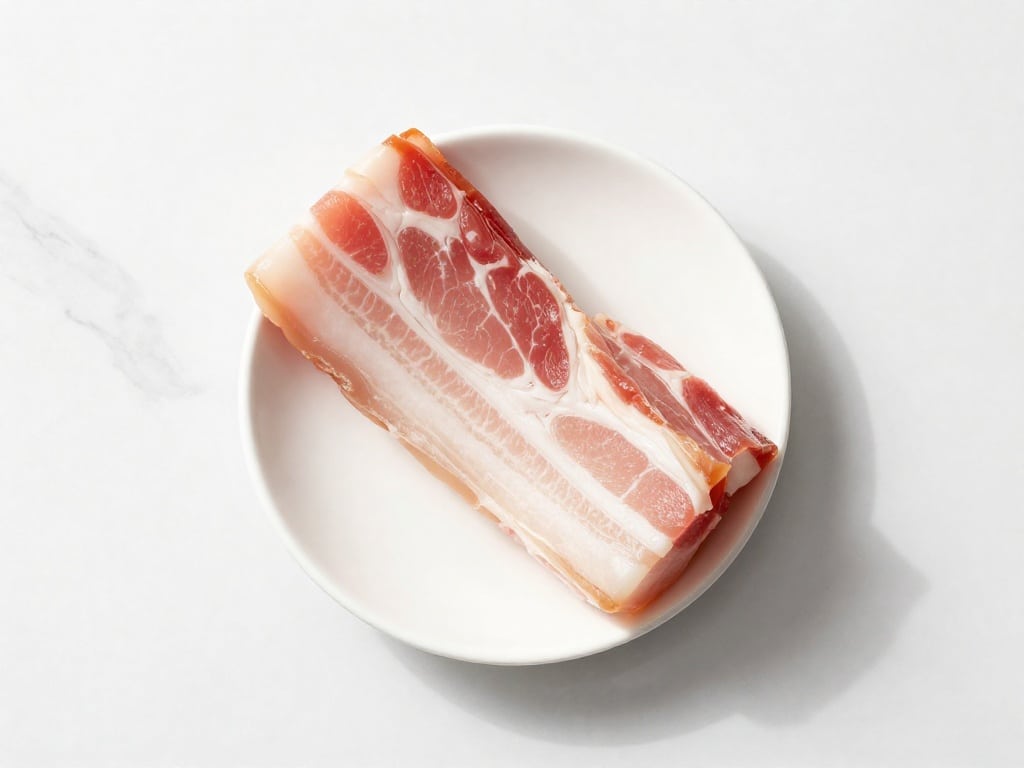
Salt pork is a traditional fat-forward substitute that has been used in long-cooked dishes for centuries. The ratio is approximately 1 lb of salt pork per ham hock, making it a rough 1:1 weight replacement.
It delivers richness and depth through rendered fat, giving stews and bean dishes a silky, satisfying body.
Salt pork is less smoky than bacon and has no natural smoke curing, so the flavor profile leans toward salt and fat rather than smoke. If the recipe depends on smokiness, add smoked paprika or a few drops of liquid smoke separately.
Salt pork works best in slow-cooked dishes like navy bean soup, cassoulet, or Southern-style greens - all dishes where traditional pork recipes rely on fat content to build depth over long cooking times.
Before adding salt pork directly to a dish, rinse it under cold water and, for very salt-heavy pieces, soak it in cold water for 30 to 60 minutes, then discard the soaking water. This step pulls out excess surface salt without stripping the fat.
Skip this and you risk an oversalted dish that is difficult to correct once the liquid reduces.
Salt pork does not shred into meat the way a ham hock does. If the recipe needs shredded meat, add a small amount of plain pork shoulder alongside the salt pork to get that texture.
Salt pork is very fatty and extremely salty. Always rinse before use and taste the dish frequently as it reduces to avoid oversalty, greasy results.
4. Ham Bone + Stock
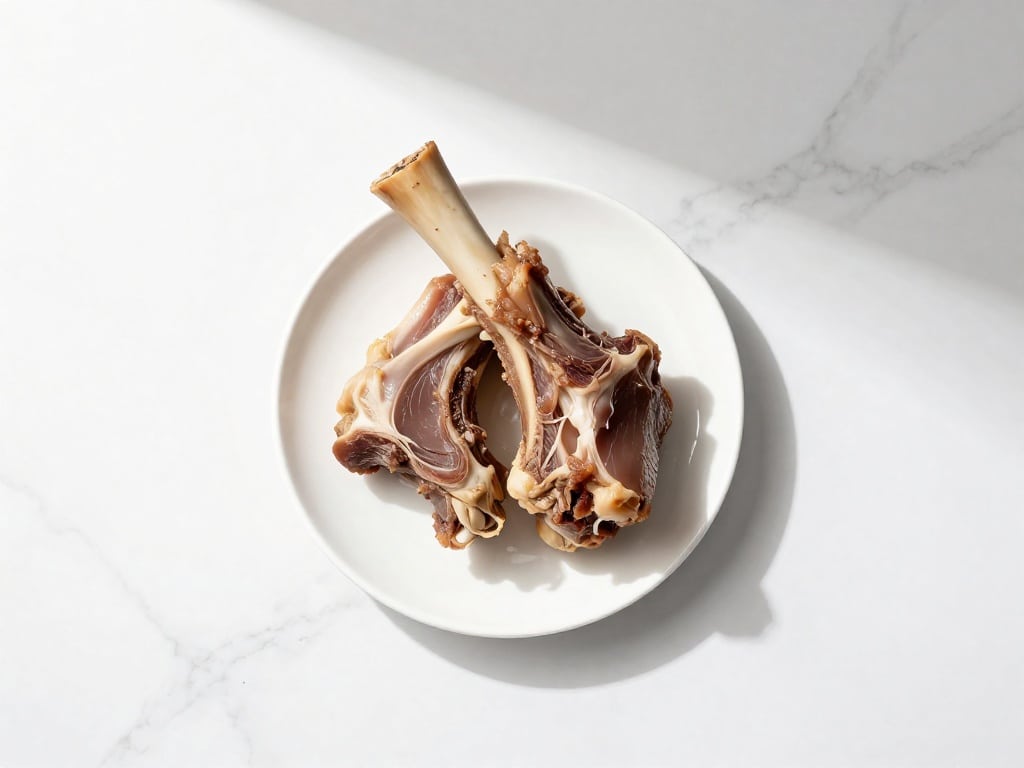
A leftover ham bone combined with good stock is one of the most flavor-efficient substitutes for ham hock, especially in soups. The ratio is 1 ham bone plus 2 cups of stock per ham hock called for in the recipe.
The bone contributes a savory, meaty backbone while the stock fills in volume and liquid depth.
This combination does not give you a lot of meat off the bone - a typical ham bone has small amounts of clinging meat compared to a full hock. If the recipe needs a meat component at the table, add a half cup of diced cooked ham or a small piece of pork shoulder alongside the bone.
The bone's primary job here is flavor and gelatin extraction during the long cook.
Ham bone and stock work especially well in split pea soup, lentil soup, and bean stews. If you are making a grain-based soup and need a grain swap too, our barley substitutes guide pairs well with this section.
The USDA provides guidance on using bone-based stocks safely, including storage and temperature management for long-simmered broths.
One practical note: save your holiday ham bone in the freezer specifically for this purpose. A frozen ham bone keeps for up to 3 months and is ready to drop straight into a cold pot as it comes to temperature.
The ham bone and stock path builds a strong, restaurant-quality flavor base without relying on meat volume. Freeze your holiday ham bone for exactly this use.
5. Smoked Mushrooms + Liquid Smoke (Vegetarian Option)
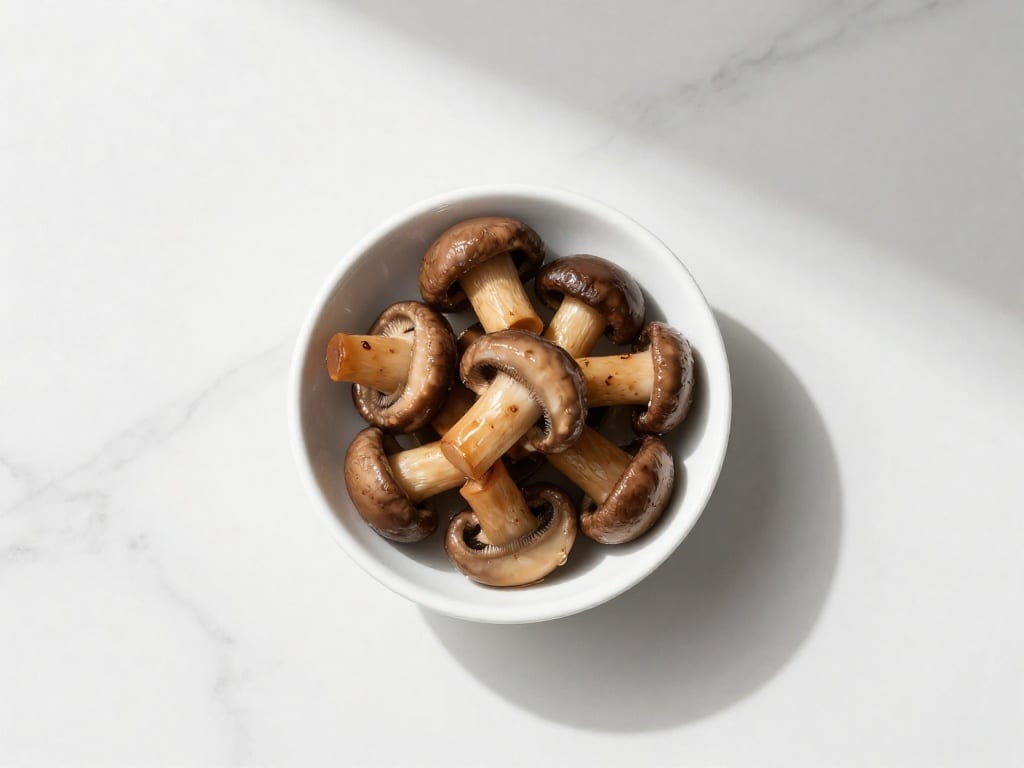
For a fully plant-based substitute, smoked mushrooms combined with liquid smoke deliver the closest approximation of ham hock's smoky, umami-rich depth.
The ratio is 2 cups of mushrooms plus 1 teaspoon of liquid smoke, with an optional half to 1 cup of vegetable stock added if the dish needs more liquid volume.
Cremini or portobello mushrooms work best here because they have a meatier texture and a stronger earthy flavor than button mushrooms. Roast or pan-sear the mushrooms before adding them to the dish - this builds a caramelized exterior that adds depth and helps them hold up during long braising without turning mushy.
Vegetarian cooking guides confirm that layering flavor boosters like smoke and umami is the most effective way to replace meat-based depth.
Liquid smoke is potent; 1 teaspoon is typically enough for a full pot. Go over that and the dish can take on a chemical taste.
You can also add a tablespoon of plant-based protein if you want more body in the final dish.
This substitute is lighter in fat than any of the pork-based options, so add a tablespoon of olive oil or a small knob of butter (or vegan butter) to mimic the mouthfeel that pork fat provides.
The result is a genuinely smoky, savory dish that works in braises, bean soups, and stews.
Sear mushrooms before adding them to the pot and use exactly 1 teaspoon of liquid smoke. This vegetarian path delivers real smoky depth without any pork.
How to Choose the Right Substitute?
The best substitute depends on what the ham hock is doing in your specific dish. In braises and stews, fat and collagen matter most, so pork shoulder or salt pork are the practical choices.
In soups, flavor backbone is the priority and a ham bone with stock wins. When smoke is the driving force and meat volume is secondary, bacon or pancetta give you exactly that.
For vegetarian dishes, the mushroom and liquid smoke combination covers both umami and smoke without compromise.
- Braises: Pork shoulder (1:1) for closest texture; add smoked paprika if the original recipe used a cured hock for smoke flavor.
- Soups and stews: Ham bone plus 2 cups stock for a deep, clean flavor base; supplement with diced ham if meat presence is needed.
- Quick weeknight dishes: Bacon or pancetta (4-6 slices) render fast and build flavor in under 10 minutes; manage salt carefully throughout.
- Baked dishes: Bacon or pancetta work well as a smoky accent; thickening agent swaps may also be needed if the original recipe used ham hock drippings as a binder.
- Vegetarian recipes: Smoked mushrooms plus liquid smoke at the stated ratio; add oil for fat content and consider chili oil alternatives for extra flavor depth if the dish skews spicy.
Salt adjustment is the universal rule across all five substitutes. Taste at every stage, especially before any reduction, since liquid loss concentrates salt rapidly.
The FDA's sodium reduction guidance is a useful reference for understanding how salt accumulates during long cooks. If a sauce-based component needs reworking too, our bechamel sauce swap guide covers how to adjust cream-based sauces when changing core ingredients.
Match the substitute to what the ham hock is doing - fat and texture for braises, flavor backbone for soups, smoky accent for baked dishes. Then manage salt last.
Frequently Asked Questions
Can I substitute bacon for ham hock in braises?
Yes. Use 4 to 6 slices of bacon per ham hock for smoky flavor. Bacon contributes less meat volume but excellent depth; reduce added salt significantly.
What is the best substitute for ham hock in soups?
A ham bone plus 2 cups of stock per hock is the strongest option. It builds a rich flavor backbone and releases gelatin over a long simmer.
How do I balance salt when using substitutes?
Add no extra salt until the dish is nearly finished. Bacon, pancetta, and salt pork all carry high sodium loads that intensify as liquid reduces.
Are there vegetarian substitutes for ham hock?
Yes. Use 2 cups of seared cremini mushrooms plus 1 teaspoon of liquid smoke. Add a tablespoon of oil to replicate the fat and mouthfeel that pork provides.
Can I substitute ham hock in baking?
Bacon or pancetta are the most practical swap for baked dishes. Use 4 slices per hock and pre-render them to remove excess fat before incorporating.
Savory Tweaks: 5 BEST Ham Hock Substitutes
Ingredients
Method
- Choose your substitute based on the dish type and desired flavor match. Braises favor pork shoulder or salt pork; soups favor ham bone with stock; vegetarian dishes use smoked mushrooms with liquid smoke.
- Prepare the substitute as directed: adjust ratios and prep as noted for each option. Rinse salt pork before use; sear mushrooms before adding to the pot.
- Apply the substitution ratio carefully. Start with the stated amount and adjust to taste. Add smoked paprika or liquid smoke if the original recipe used a cured ham hock.
- Taste and adjust seasoning near the end of cooking. Bacon, pancetta, and salt pork all carry high sodium; hold off on added salt until the dish is nearly finished.
Notes
- Pork shoulder has less gelatin than ham hock; add a small amount of extra liquid and finish with a short reduction to tighten the texture.
- Freeze leftover ham bones for up to 3 months and use them directly from frozen in soups and stews.
Tried this recipe?
Let us know how it was!
Carrie is a food writer and editor with more than 15 years of experience. She has worked for some of the biggest names in the food industry, including Bon Appétit, Food & Wine, and Martha Stewart Living.
As the Editor in Chief of EpicureDelight, Carrie oversees all of the content on the site. She also manages the team of contributing writers and editors, who help to create delicious recipes, helpful tips, and informative articles that you’ll find on the site.
A native of the Chicago area, Carrie is passionate about all things food. She loves trying new restaurants and experimenting with new recipes in her kitchen. She’s also a graduate of the Culinary Institute of America, so she knows a thing or two about food!



