
Barley is one of those grains that quietly holds a dish together. Its chewy bite and mild nuttiness make it ideal in hearty soups, stews, and pilafs, yet it is surprisingly easy to replace when you need a different texture or a gluten-free option.
Pearled farro is the closest match you will find, swapping in at a 1:1 ratio with nearly the same chew and flavor profile.
Other grains like quinoa, buckwheat, millet, and sorghum each bring something slightly different to the pot, and knowing those differences helps you pick the right one for your specific recipe.
If you are cooking a brothy soup, a grain-based salad, or baking with barley flour, the swap matters more than you might expect. Our thickening agent flour substitutes guide covers related swaps for baked goods where barley flour adds structure.
Below, we break down seven grains that can stand in for barley, with exact ratios, cook times, and honest notes on where each one shines.
Pearled farro is the best barley substitute, used at a 1:1 ratio in soups, stews, and salads. It delivers the same chewy bite and nutty flavor. For gluten-free needs, quinoa, millet, or sorghum are solid options that work in most savory dishes.
What's Barley?
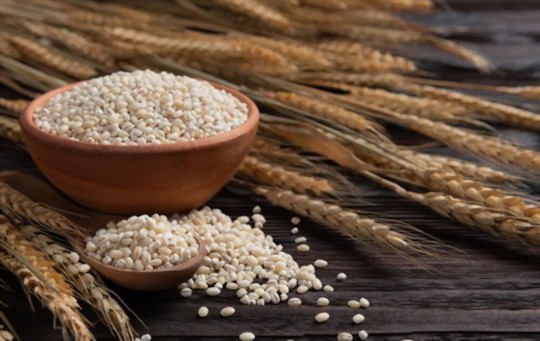
Barley is a cereal grain best known for two things: brewing beer and building body in soups. It is also used to make whisky, and its fermentable sugars make it the backbone of most traditional ales and lagers.
In cooking, barley has a nutty taste and a satisfyingly chewy texture that holds up through long simmer times without turning mushy.
Barley is believed to have originated in the Fertile Crescent, covering parts of modern-day Iraq, Syria, Lebanon, and Israel. It is one of the earliest domesticated grains in human history, cultivated for well over ten thousand years.
Today, barley production is largest in Russia, Australia, and Canada. In the United States, it is primarily used for brewing and livestock feed, though home cooks increasingly add it to grain bowls and stews.
You can cook barley as a porridge, stir it into soups, toss it into cold salads, or grind it into flour for breads and baked goods.
Hulled barley retains its outer bran layer and takes about 45 to 60 minutes to cook, while pearled barley cooks faster at 25 to 30 minutes.
Best Grains to Replace Barley
1. Quinoa
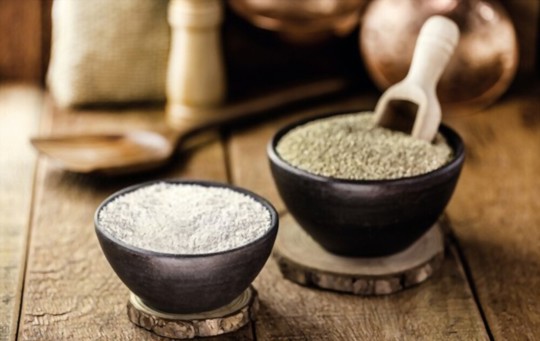
Quinoa is a seed that cooks like a grain, and it is one of the most convenient barley substitutes available. It has a mild, nutty flavor with a faint earthiness that blends into soups and stews without overpowering them.
Nutritionally, quinoa is denser than barley. It contains all nine essential amino acids, making it a complete protein, which barley is not.
Always rinse quinoa under cold water before cooking to remove its natural coating of saponins, which taste bitter. Once rinsed, it cooks in about 15 minutes in a 2:1 water-to-grain ratio.
Use quinoa at a 1:1 ratio by volume in place of barley. It works well in soups, casseroles, and cold grain salads.
The texture is slightly lighter and less chewy than barley, so expect a softer result.
Quinoa cooks in 15 minutes versus barley's 25 to 60, so add it later in a recipe to avoid overcooking. Stir it in during the last 20 minutes of a soup's simmer time.
2. Amaranth
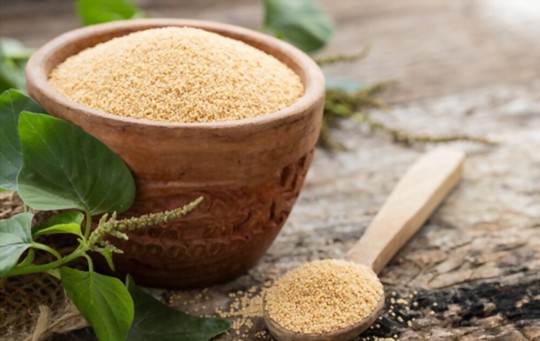
Amaranth is a gluten-free ancient grain with a slightly peppery, nutty flavor. It is smaller than barley, closer in size to a poppy seed, so the texture in a finished dish will be finer and more porridge-like.
It works best as a barley substitute in porridges, thick soups, and grain-based fillings where a creamy consistency is welcome. It is less suited for salads where you want distinct, separate grains.
Substitute amaranth at a 1:1 ratio by volume, but expect it to absorb more liquid than barley. Use about 2.5 cups of water per cup of amaranth, and cook for 20 to 25 minutes.
You can find amaranth at most health food stores and in the natural foods aisle of larger supermarkets.
3. Buckwheat
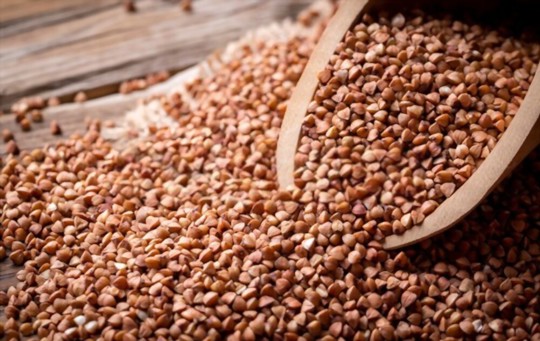
Despite its name, buckwheat contains no wheat and is completely gluten-free. It is actually related to rhubarb and sorrel, not grasses.
In its whole groat form, it has a robust, earthy flavor with a distinct nuttiness that stands out more than barley does.
Buckwheat groats are a solid source of fiber and protein, delivering about 6 grams of protein per cooked cup. They also provide manganese and magnesium at levels higher than most other gluten-free grains.
Use buckwheat groats at a 1:1 ratio in place of barley. Cook them in a 2:1 water ratio for about 10 to 12 minutes.
They soften quickly, so add them toward the end of a long-cooked dish to preserve some texture.
Buckwheat has a stronger flavor profile than barley, so it is best in bold, seasoned dishes like mushroom stews, roasted vegetable bowls, and hearty pilafs rather than in delicately flavored broths.
4. Millet
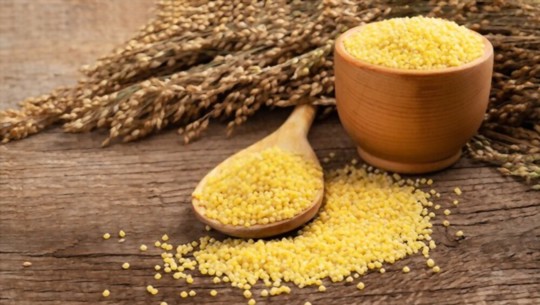
Millet is a small, round, pale yellow grain with a mild, slightly sweet flavor that makes it one of the most neutral barley substitutes on this list. It is gluten-free and cooks faster than barley at around 20 minutes in a 2:1 water ratio.
Because millet absorbs liquid well, it works particularly well in soups and stews where barley is used to add body. It also toasts nicely in a dry pan before cooking, which deepens its flavor and adds a faint popcorn-like aroma.
Substitute millet at a 1:1 ratio by volume. Cook it in water or broth until tender, then stir it into your recipe as you would barley.
For a chewier result closer to barley's texture, slightly undercook it and let it finish absorbing liquid in the dish itself. If you are also swapping leafy greens in the same meal, leafy green replacements with similar body can help round out the bowl.
5. Sorghum
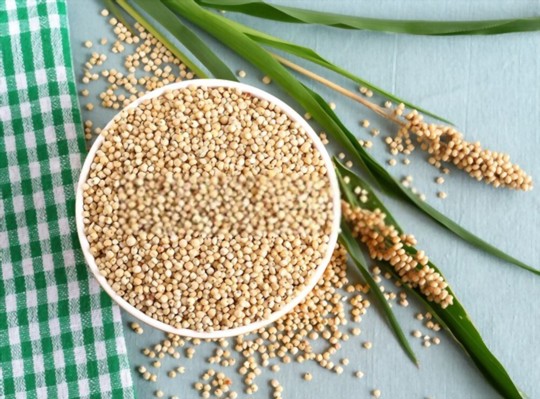
Sorghum is a whole grain with a mildly sweet, slightly earthy flavor and a chew that is among the closest to barley of any gluten-free option.
It is the fifth most produced cereal grain in the world, though it remains underused in home cooking outside the American South.
When substituting sorghum for barley, use ½ cup of sorghum for every 1 cup of barley called for in a recipe. Sorghum expands considerably during cooking and takes longer than most grains, about 45 to 60 minutes in a 3:1 water ratio.
It holds up well in soups, stews, and casseroles without breaking down, making it one of the best gluten-free choices for long-cooked savory dishes. You can find it at health food stores or order it online.
Sorghum needs at least 45 minutes of simmering to become tender. If you are adding it to a quick weeknight soup, cook it separately first, then stir it in before serving.
6. Teff
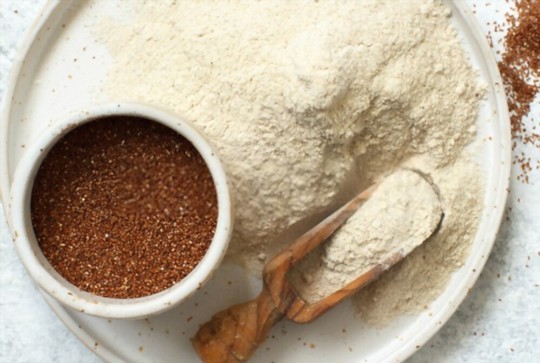
Teff is a tiny grass grain native to Ethiopia and Eritrea, where it is most commonly used to make injera, the spongy fermented flatbread central to East African cuisine. Its grains are so small that a single teaspoon holds roughly 150 seeds.
It has a mildly sweet, molasses-like earthiness with a nutty undertone. Teff is gluten-free and high in fiber, calcium, and iron.
A single cooked cup provides about 7 milligrams of iron, more than any other grain on this list.
To substitute teff for barley, soak it overnight so it cooks evenly, then simmer it in a 3:1 water ratio for about 15 to 20 minutes. It works well as a porridge or thick grain base, and it can be ground into flour for breads and muffins.
The texture is much softer and more porridge-like than barley, so plan for that in your dish. If baking with teff flour, compare it against brown rice flour options for similar gluten-free baking results.
7. Farro
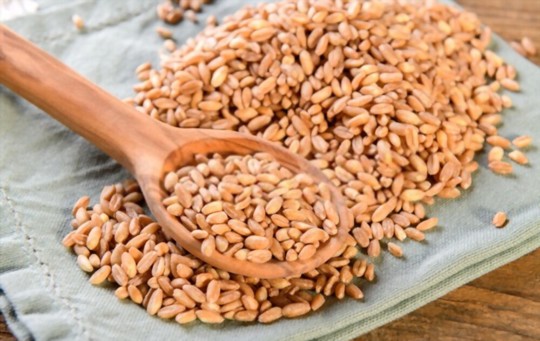
Farro is the closest grain substitute for barley in both texture and flavor. It is an ancient wheat variety with a pleasantly chewy bite, a nutty taste, and just a touch of sweetness that deepens when cooked in broth.
Our barley versus farro comparison breaks down the two grains side by side in detail. The short version: farro is slightly sweeter and slightly chewier, but in most savory recipes the difference is minimal.
Pearled farro cooks in about 20 to 30 minutes in a 3:1 water ratio. Semi-pearled and whole farro take longer, up to 40 minutes, but retain more fiber.
Use farro at a 1:1 ratio by volume in any recipe that calls for barley.
For soups and stews, cook the farro directly in the broth so it absorbs the full depth of flavor from the dish. In salads, cook it separately, allow it to cool, and toss it with your preferred dressing.
Farro also works beautifully in a farro risotto, sometimes called farrotto, where it delivers a creamy, starchy finish without requiring constant stirring.
Selecting Barley Substitutes for Cooking
Picking the right barley substitute comes down to three factors: gluten tolerance, cook time, and desired texture. Not every grain works equally well in every dish, and a quick match to your recipe saves you from a disappointing result.
Farro and sorghum deliver the chewiest results and hold up best in long-simmered soups and stews. Quinoa and millet are faster options that suit weeknight cooking.
Buckwheat works well in bold, robust dishes where its earthy flavor is an asset rather than a distraction.
- Soups and stews: Farro, sorghum, or pearled barley stand-ins like brown rice all hold their texture through a 60-minute simmer without turning mushy.
- Cold salads: Quinoa or farro work best. Both stay separate and chewy once cooled. Millet can clump, so dress it while still slightly warm.
- Porridges and grain bowls: Amaranth, teff, and millet all give a creamy, spoonable texture that works as a hot cereal or base.
- Baking: Teff flour and buckwheat flour are the best barley flour substitutes. Both are gluten-free and add a rich, earthy depth to baked goods.
- Pilafs: Quinoa, millet, and farro are ideal. They absorb aromatics well and keep a pleasant bite when toasted in oil first. A well-seasoned protein alongside makes the meal complete, and tender beef alternatives pair especially well with grain pilafs.
For gluten-free cooking specifically, quinoa, millet, sorghum, buckwheat, teff, and amaranth all qualify. Farro does not.
It contains gluten, as it is a wheat variety.
If you are building a bowl-style meal and want fresh produce alongside your grain swap, options like replacing napa cabbage with similar crunch or reducing sweetness without sugar can help balance the final dish.
For a complete grain bowl with all the trimmings, a bright vinegar-dressed slaw made from a crunchy cabbage alternative alongside sorghum or farro makes a satisfying weeknight meal.
More From EpicureDelight
The Complete Ingredient Substitutes Guide - your complete resource for this topic.
Frequently Asked Questions
What is a good barley substitute in soups?
Farro is the best option for soups, swapping in at a 1:1 ratio and holding its chewy texture through long simmer times. Sorghum is the top gluten-free pick for the same application.
What grains have a similar texture to barley?
Farro and sorghum are the closest in texture, both delivering a firm, chewy bite. Sorghum is gluten-free; farro contains gluten as a wheat variety.
Are there gluten-free barley substitutes that mimic barley's chew?
Sorghum is the best gluten-free match for barley's chew. Millet and buckwheat groats also hold reasonable texture, though they are slightly softer once fully cooked.
Is bulgur a good substitute for barley in risotto?
Bulgur cooks too quickly and goes soft fast, making it less ideal for risotto-style dishes. Farro is a far better choice, releasing starch gradually to create a creamy finish.
Can I substitute barley flour in baking with another flour?
Teff flour and buckwheat flour are the strongest barley flour substitutes in baking, both adding earthy depth. Use them at a 1:1 ratio but expect a slightly denser crumb.
Save This for Later
Pin this savory tweaks: 7 best substitutes for barley guide so you always have it when you need it.

Carrie is a food writer and editor with more than 15 years of experience. She has worked for some of the biggest names in the food industry, including Bon Appétit, Food & Wine, and Martha Stewart Living.
As the Editor in Chief of EpicureDelight, Carrie oversees all of the content on the site. She also manages the team of contributing writers and editors, who help to create delicious recipes, helpful tips, and informative articles that you’ll find on the site.
A native of the Chicago area, Carrie is passionate about all things food. She loves trying new restaurants and experimenting with new recipes in her kitchen. She’s also a graduate of the Culinary Institute of America, so she knows a thing or two about food!



