
Linseed oil has a distinct personality. That faintly grassy, nutty edge is what makes it interesting in dressings or raw finishes, and it carries real omega-3 content that fans of this golden oil actively seek out.
The trouble is, most people don't keep it stocked. And when a recipe calls for it, the right swap depends on one question: do you need the flavor, or just the oil?
Linseed oil substitute choices split into two groups. Neutral oils like canola, safflower, and grapeseed do the job quietly, without adding flax character. Walnut oil and ground flaxseed gel bring the nutty edge back when the taste actually matters.
For baking and cooking, canola, safflower, or grapeseed oil all work 1:1 with no flavor change. For nutty/flax character, walnut oil (use ¾ the amount) or ground flaxseed gel are your closest matches. No single swap fully copies linseed oil's omega-3 nutrition.
5 Best Linseed Oil Substitutes (Closest Match)
The table below gives you a quick read on each option. Neutral oils are the easy everyday answer.
Walnut oil and flax gel are for recipes where the flaxy, nutty note is part of the point.
| # | Substitute | Best For | Ratio | Key Note |
|---|---|---|---|---|
| 1 | Canola Oil | Both | 1:1 | Neutral, all-purpose swap |
| 2 | Safflower Oil | Both | 1:1 | Good for higher-heat baking |
| 3 | Grapeseed Oil | Both | 1:1 | Clean, light flavor profile |
| 4 | Extra-Light Olive Oil | Both | 1:1 | Slight olive aroma possible |
| 5 | Walnut Oil | Both | ¾:1 | Closest nutty flavor match |
1. Canola Oil
Canola is the most practical swap on this list. It has almost no detectable flavor, making it a true drop-in for any baking or cooking application where linseed oil is doing structural oil work rather than flavor work.
If you're ever weighing switching away from canola, the logic reverses itself here.
- Ratio: 1:1 by volume, no adjustment needed
- Flavor impact: Neutral, won't add any flax or nut notes
- Best uses: Quick breads, muffins, pan cooking, marinades
- Storage tip: Use promptly after opening to keep oxidation low
Canola Oil
Works for: All-purpose baking, sautéing, dressings where flavor must stay neutral
Skip if: Your recipe depends on linseed oil's flaxy, nutty finish; use walnut oil or flax gel instead
Canola is the answer 80% of the time. It won't add anything wrong.
2. Safflower Oil
Safflower oil is canola's quieter cousin. The flavor is even more stripped back, which is useful when you're baking something delicate where any off-note would show.
It also holds up well at higher baking temperatures, so it works across a wider range of recipes than linseed oil itself. For anyone curious about safflower's mild flavor profile, it is genuinely one of the most neutral oils on the shelf.
- Ratio: 1:1 by volume
- Flavor impact: Very mild, no flax character added
- Texture effect: Keeps baked goods moist without altering crumb
- Best uses: Cakes, pastry batters, high-heat roasting
Skip if: You want flax-like nuttiness in the final dish. Safflower is deliberately blank, and that's its strength and its limit.
3. Grapeseed Oil
Grapeseed is the go-to when you want clean without getting clinical.
It works at 1:1 and has a light texture that suits muffins, pancakes, and simple vinaigrettes. If you're weighing options for lighter baked goods, swapping into high-oleic oils generally follows the same logic.
The flavor won't compete with fruit, chocolate, or spice. That's its point.
- Ratio: 1:1 by volume
- Flavor impact: Mild and clean, best when flax notes would be out of place
- Best uses: Muffins, cakes, pancake batters, light sauces
- Texture: Slightly thinner mouthfeel than linseed oil but unnoticeable in most recipes
Skip if: Your recipe is built around flax flavor. Switch to walnut oil or flax gel instead.
4. Extra-Light Olive Oil
Extra-light olive oil is the option for cooks who want a bit of character without committing to full flax flavor. It isn't a neutral oil, but it is close.
The olive aroma is faint enough that most recipes absorb it without drama.
It suits finishing uses well: brushed on bread tops, stirred into dressings, or drizzled over roasted vegetables. Before choosing between this and canola, the lighter oil option is worth understanding if you cook with both regularly.
- Ratio: 1:1 by volume
- Flavor impact: Faint olive aroma; may nudge the taste profile slightly
- Best uses: Salad dressings, brushed baked tops, finishing drizzles, simple marinades
- What to watch: Regular olive oil is too strong here; use extra-light specifically
Skip if: You need completely neutral flavor. Canola, safflower, or grapeseed are cleaner choices.
5. Walnut Oil
Walnut oil is the only everyday oil that gets genuinely close to linseed oil's nutty, slightly earthy character. It won't fool anyone side-by-side, but in a dressing or a finishing drizzle it reads closer than any neutral oil.
For cooks exploring nutty oil alternatives, walnut is usually the first stop.
Use it at ¾ the amount the recipe calls for. Walnut oil is more assertive, and the extra intensity builds quickly.
Walnut Oil
Works for: Dressings, cold finishes, raw applications, and any recipe where linseed oil's nuttiness is the point
Skip if: You need a neutral oil for baking or cooking; walnut oil can overpower mild recipes
- Ratio: Use ¾ of the called-for linseed oil amount
- Flavor impact: Stronger nuttiness, closer to flax notes than any neutral oil
- Best for flavor control: Add at the finish rather than during cooking
- Blending tip: Mix with a neutral oil if the walnut taste gets too strong
6. Ground Flaxseed + Water Gel
Ground flaxseed stirred into water makes a thick gel that carries actual flax character into baked goods. It isn't oil, so it behaves differently, but it is the closest surrogate when flax flavor and omega-3 content both matter to you.
| Use | Ratio | Notes |
|---|---|---|
| Muffins / quick breads | 1:1 by recipe amount | Expect thicker batter; reduce other liquid by 1-2 tbsp |
| Pancakes | 1:1 | Works well; slightly denser result |
| Cookies | 1:1 | Less spread; chewier texture |
To make the gel, whisk 1 tablespoon of ground flax with 3 tablespoons of water and let it sit for 5 minutes until thickened. If you want to understand where the two compare directly, choosing the right flax swap covers the full picture.
- How to make: 1 tablespoon ground flax + 3 tablespoon water, rest 5 min until gelled
- Texture effect: Improves binding; reduces spread in cookies and muffins
- Flavor contribution: Adds real flax nuttiness, closer than any neutral oil
- Limitation: Adds water weight; adjust other liquids accordingly
Skip if: You need true oil behavior. For thin sauces or any recipe where viscosity must stay low, use a neutral oil instead.
Making Linseed Oil Substitutes Work (Ratios + Flavor Control)
Getting the substitute right is mostly about reading what the recipe actually needs from the oil. Neutral oils keep things clean, and the faintly grassy notes that linseed brings are only worth chasing when they're a deliberate part of the dish.
Walnut oil is the strongest-flavored swap on this list, so if it reads too assertive, blend it half-and-half with canola to dial it back without losing all the nuttiness.
- For neutral baking or cooking: Use canola, safflower, or grapeseed at 1:1. No other adjustment needed.
- For nutty or flax flavor: Use walnut oil at ¾ the amount, or flax gel at 1:1 with a 1-2 tablespoon liquid reduction in the recipe.
- For finishing: Add walnut oil or extra-light olive oil after cooking for better flavor control; heat dulls their character quickly.
No substitute perfectly matches linseed oil's omega-3 profile. If that's your main goal, flax gel gets you partway there, but it is not equivalent to bottled oil.
Frequently Asked Questions
All three work at 1:1 and are interchangeable in most baked goods. Canola is the most widely available; safflower is slightly more neutral; grapeseed suits very delicate flavors.
Extra-light olive oil works at 1:1 with minimal flavor shift. Regular or extra-virgin olive oil is too assertive and will noticeably alter the dish.
Use ¾ the amount called for in the recipe. Walnut oil is more assertive than linseed oil, so a slight reduction keeps the flavor from dominating.
It replaces flax character and adds binding, but it is not a true oil. Expect a thicker batter and reduce other liquids by 1-2 tablespoon to compensate.
No cooking substitute matches linseed oil's omega-3 concentration precisely. Ground flaxseed gel is the closest partial surrogate, but the amounts and bioavailability differ.
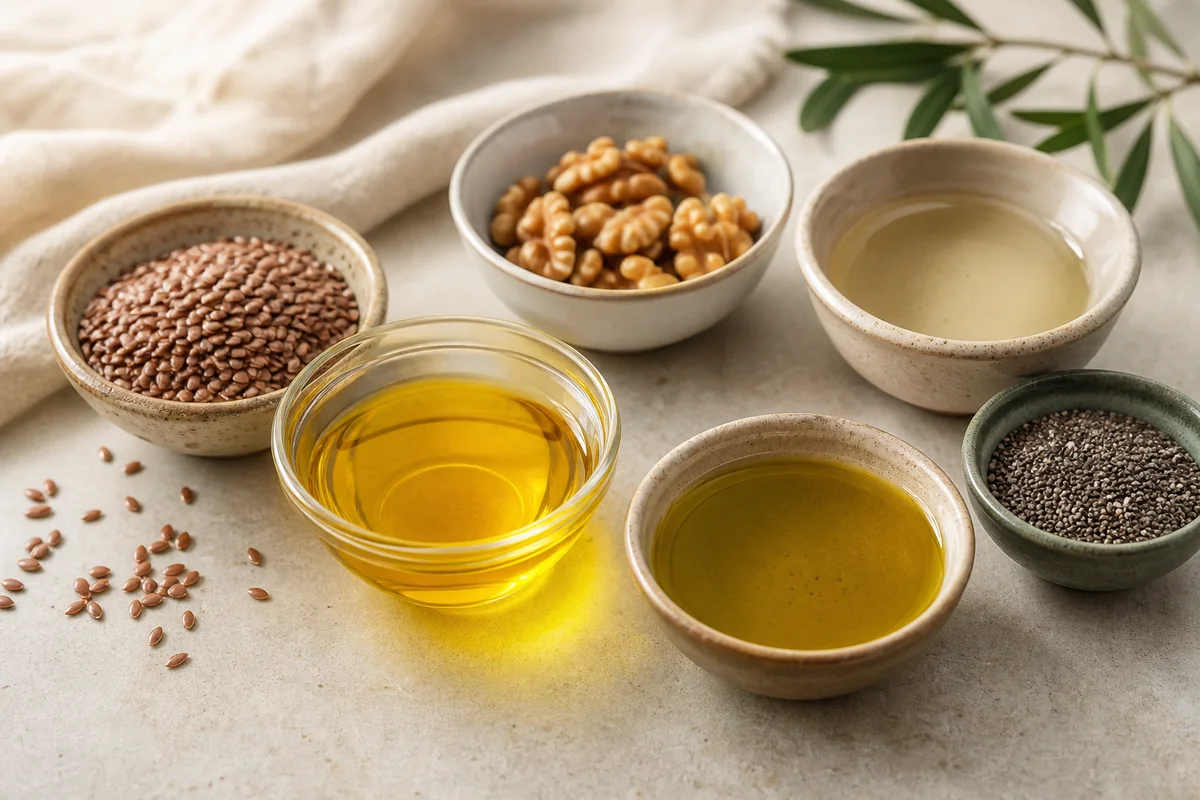
5 Best Linseed Oil Substitutes (Closest Match)
Ingredients
Equipment
Method
- Identify your use: baking/cooking (neutral oil) or finishing/flavor (nuttier oils or flax gel).
- Match the ratio: use 1:1 for neutral oils; use walnut oil at about ¾ the amount if you want the flax-like taste.
- If your substitute is wetter (flax gel), reduce added liquid slightly and expect a thicker batter.
- For any omega-3 goals, treat flax gel as a partial surrogate—its nutrition won’t perfectly equal bottled linseed oil.
- Taste and adjust after cooking: if flavor is missing, add a small drizzle of the substitute to the finished dish.
Notes
- Use bottled oils within recipe instructions; linseed/flax oil is more oxidation-prone than neutral oils—store well if you use it.
Tried this recipe?
Let us know how it was!
Carrie is a food writer and editor with more than 15 years of experience. She has worked for some of the biggest names in the food industry, including Bon Appétit, Food & Wine, and Martha Stewart Living.
As the Editor in Chief of EpicureDelight, Carrie oversees all of the content on the site. She also manages the team of contributing writers and editors, who help to create delicious recipes, helpful tips, and informative articles that you’ll find on the site.
A native of the Chicago area, Carrie is passionate about all things food. She loves trying new restaurants and experimenting with new recipes in her kitchen. She’s also a graduate of the Culinary Institute of America, so she knows a thing or two about food!



