
Meringue powder is the workhorse of royal icing - it adds structure, gloss, and stability without the food-safety concerns of raw egg whites. Running out mid-project, or baking for someone with an egg allergy, puts you in a real bind.

The good news is that several reliable substitutes can keep your icing firm and smooth.
Royal icing is unforgiving. It needs a protein or stabilizing agent to set hard enough for cookie decorating or gingerbread assembly.
The wrong swap can leave you with a runny, dull, or gummy result. Knowing meringue powder flavor helps you anticipate which substitutes will stay neutral in the final icing.
This article covers five tested substitutes: aquafaba, dried egg white powder, unflavored gelatin, agar-agar, and chia seed gel. Each one comes with an exact ratio, a quick method, and clear notes on texture and finish.
Three of the five are completely vegan.
You do not need specialty ingredients for most of these swaps. Aquafaba comes straight from a can of chickpeas, and chia seeds are a pantry staple for anyone who regularly swaps chia seeds in baking.
Pick the one that matches your dietary needs and what you have on hand.
Five substitutes work reliably in royal icing: aquafaba, dried egg white powder, unflavored gelatin, agar-agar, and chia seed gel. Each mimics the protein or stabilizing function of meringue powder. Aquafaba and agar-agar are the top vegan picks; dried egg white powder is closest to the original in texture and drying time.
Substitutes at a Glance
Before going deep on each option, this table gives you a fast reference for ratios and best-use contexts. Use it when you need a quick decision and then read the relevant section for full method details.
The ratios below are based on replacing one standard egg white, which is the typical measurement meringue powder rehydration instructions approximate. Most royal icing recipes call for two to three egg whites' worth of meringue powder, so scale accordingly.
Aquafaba basics confirm that 3 tablespoons equals one egg white in foamy applications. Separately, egg white powder guidance shows it rehydrates to a 1:1 beaten egg white volume.
| # | Substitute | Ratio | Best For | Taste Match |
|---|---|---|---|---|
| 1 | Aquafaba | 3 tablespoon = 1 egg white | Vegan icing, full-gloss finish | Close |
| 2 | Dried Egg White Powder | 1:1 rehydrated volume | Non-vegan, closest to original | Very Close |
| 3 | Unflavored Gelatin | 1 teaspoon dissolved = 1 egg white | Firm set, non-vegan | Mild |
| 4 | Agar-Agar | 1 teaspoon dissolved = 1 egg white | Vegan, gloss finish | Mild |
| 5 | Chia Seed Gel | 1 tablespoon seeds + 3 tablespoon water = 1 egg white | Budget vegan, rustic finish | Different |
The taste match column reflects flavor impact on the finished icing, not on the substitute itself. Aquafaba and dried egg white powder blend in almost invisibly.
Chia seed gel has the most noticeable effect on both color and mouthfeel, so it suits decorative icing where looks are more casual.
Royal icing also depends on the right sugar base. If you are adjusting your recipe from scratch, checking icing sugar alternatives alongside these substitutes will help you keep the whole formula balanced.
Save This for Later
Pin this 5 best meringue powder substitutes in royal icing guide so you always have it when you need it.
1. Aquafaba
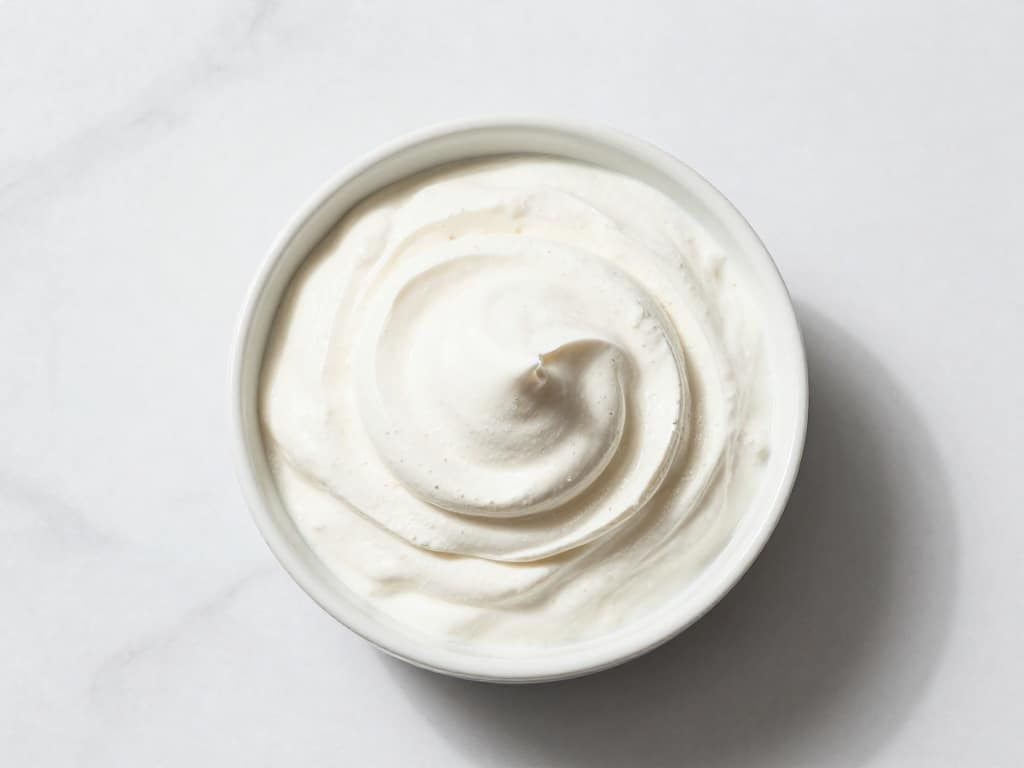
Aquafaba is the liquid drained from a can of chickpeas. It contains proteins and starches that mimic the foaming and stabilizing properties of egg whites - the exact mechanism meringue powder rehydrates to replicate.
Aquafaba's foaming properties make it effective in royal icing when whipped properly with sugar.
Use 3 tablespoons of aquafaba per egg white equivalent. For a standard royal icing recipe calling for 2 egg whites, that means 6 tablespoons (about ⅜ cup).
Drain it straight from the can - no reducing or cooking needed for icing.
Whip aquafaba on medium-high speed for 3 to 4 minutes until it forms soft, foamy peaks. It will not reach stiff peaks as quickly as real egg whites, so give it an extra minute before adding powdered sugar.
The final icing should flow smoothly and set to a firm, glossy finish within 2 to 3 hours at room temperature.
Aquafaba is completely flavor-neutral in royal icing. The faint beany aroma that concerns some bakers disappears entirely once powdered sugar is added and the icing dries.
Color is also unaffected - aquafaba icing takes food coloring just as cleanly as the original.
Foam stability is the one area to watch. Aquafaba foam is slightly less stable than meringue-powder foam, so work in batches and keep the bowl covered with a damp towel between uses.
Adding a tiny pinch of cream of tartar - about ⅛ teaspoon per batch - helps the foam hold longer during piping.
This substitute is naturally free of eggs, dairy, and gluten, making it the first choice for vegan royal icing or baking for guests with egg allergies. It is also zero-waste if you are already cooking with canned chickpeas.
Anyone tracking thickening alternatives in baking may also find it useful to replace flour as a thickener in other applications.
Aquafaba is the top vegan substitute for meringue powder in royal icing. It whips to a stable foam, stays flavor-neutral under powdered sugar, and produces a clean gloss with a firm set.
2. Dried Egg White Powder
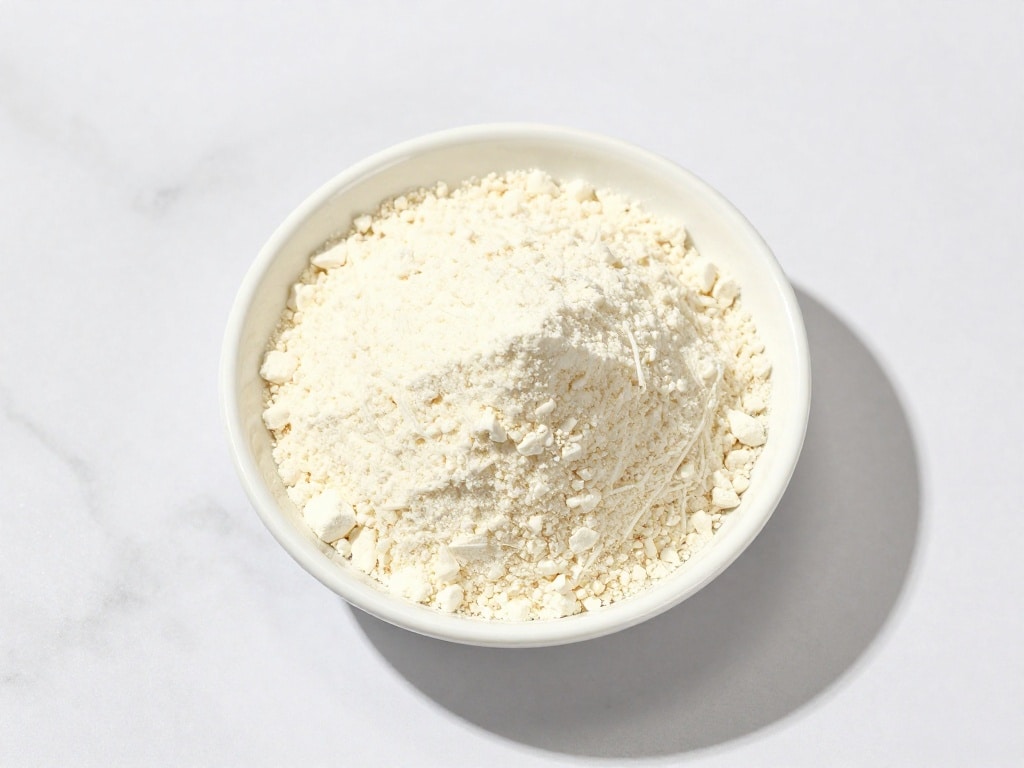
Dried egg white powder is pasteurized egg white that has been dehydrated into a fine powder. It is the closest structural match to meringue powder, minus the added sugar, starch, and stabilizers meringue powder contains.
Egg white powder rehydration restores the proteins needed for royal icing to set firm and glossy.
To substitute, mix 1 tablespoon of dried egg white powder with 2 tablespoons of warm water to replace one egg white. Stir well and let it sit for 2 minutes to fully rehydrate before adding it to your icing.
The rehydrated liquid behaves almost identically to a beaten egg white, which means your royal icing formula needs minimal adjustment.
The big advantage here is opacity. Dried egg white powder produces a bright white icing base that takes gel food coloring cleanly.
Compared to aquafaba, which can sometimes yield a very slightly off-white tint at high concentration, dried egg white powder consistently delivers a true white.
Drying time is also on par with a standard meringue powder icing. Expect a full set in 4 to 6 hours at room temperature, or 2 to 3 hours under a fan.
The surface develops a clean snap - the kind needed for stacked or packaged decorated cookies.
This is not a vegan option. It is still egg-derived and should be avoided for egg allergies.
It is, however, pasteurized, so it carries none of the raw-egg food-safety concerns that fresh egg whites bring. You will find it in the baking aisle near meringue powder, or online in bulk bags that store well for up to a year in a sealed container.
For anyone comparing raw versus processed egg products, understanding what egg whites taste like helps calibrate how much flavor the powder contributes to finished icing (very little, once sugar is dominant).
3. Unflavored Gelatin
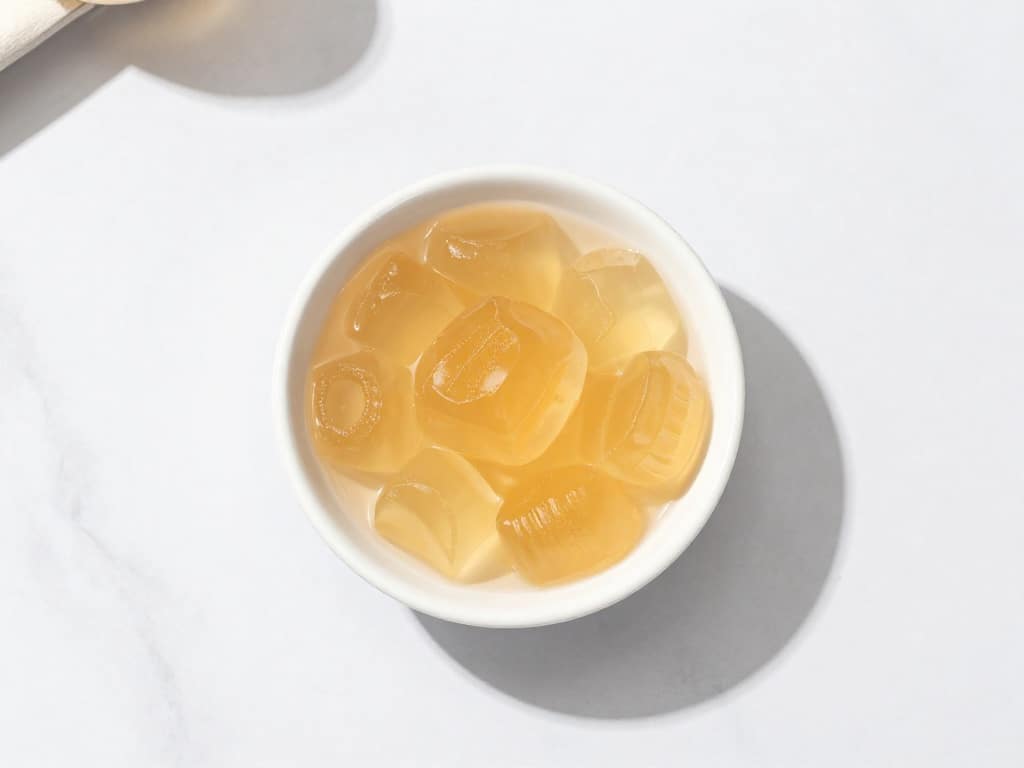
Unflavored gelatin is a collagen-based stabilizer that can firm up royal icing when meringue powder is unavailable. It does not foam the way egg whites do, so it works differently - it adds body and set rather than lift.
Gelatin as a stabilizer explains that proper hydration is essential before it integrates smoothly into any sugar mixture.
To use it, dissolve 1 teaspoon of unflavored gelatin in 2 tablespoons of cold water, then let it bloom for 5 minutes. Warm the mixture briefly (15 seconds in a microwave) until fully liquid, then let it cool to room temperature before whisking it into your powdered sugar and remaining liquid.
Do not add it hot - heat can make the icing grainy.
The resulting royal icing sets firm and holds its shape for piping, but the texture is slightly different from meringue powder icing. Gelatin produces a denser, chewier set rather than the brittle snap of traditional royal icing.
This is fine for flooding cookies or cementing gingerbread house panels, but it can feel less ideal for intricate piped detail work that requires a clean break.
Gloss is comparable to the original. The surface dries smooth and can be polished with luster dust or painted with food-safe paint once fully set, typically within 4 to 5 hours.
Gelatin is not vegan or vegetarian, as it is derived from animal collagen. People with halal or kosher dietary needs should also check the specific product's certification.
For those needs, agar-agar (section below) is the direct plant-based alternative at the same usage rate.
This substitute also works well when you need to stabilize whipped cream or other sugar-forward applications - similar to how you might find a reliable swap in spice-heavy recipes where the original ingredient handles both flavor and structure.
4. Agar-Agar
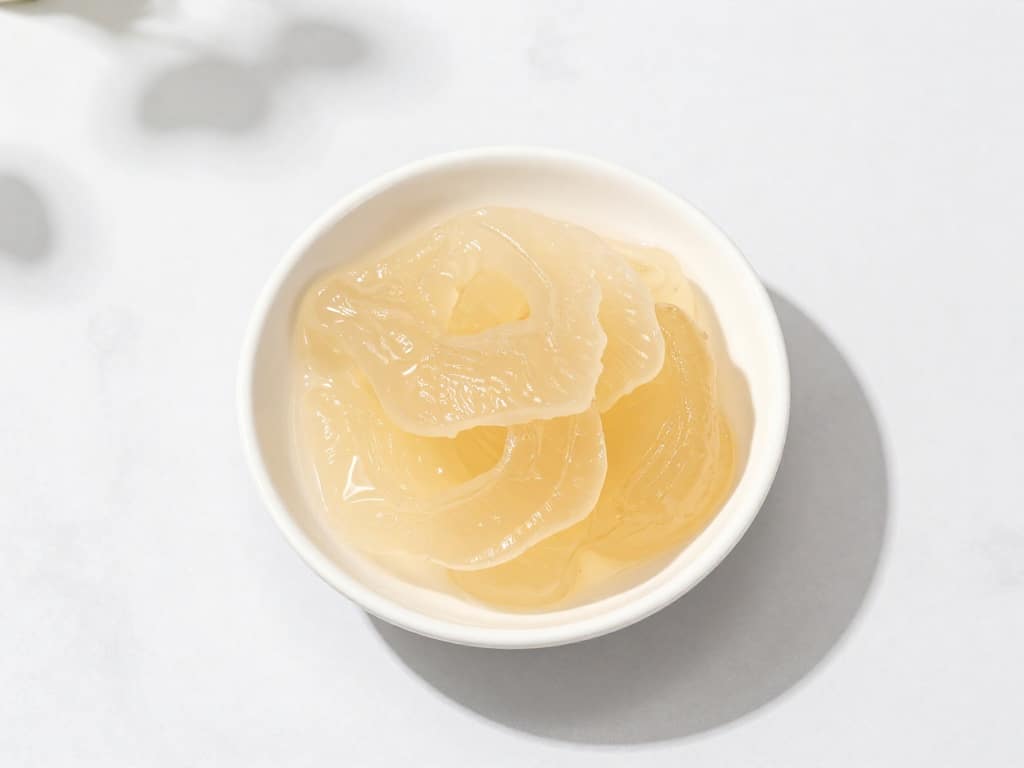
Agar-agar is a plant-based gelling agent derived from red algae. It gels more firmly than gelatin at equivalent concentrations and sets faster, which has direct implications for royal icing.
Agar-agar blooming steps are non-negotiable - skip them and you will get lumpy icing that sets unevenly.
Use 1 teaspoon of agar-agar powder dissolved in 2 tablespoons of water to replace one egg white's worth of meringue powder. Combine them in a small saucepan, bring to a boil while stirring, and simmer for 1 to 2 minutes until fully dissolved.
Let the mixture cool to a warm (not hot) liquid before whisking it into your powdered sugar base.
The critical difference from gelatin: agar sets at room temperature and does so faster - sometimes in as little as 30 minutes for thin layers. This means you need to work quickly once the icing is mixed.
Prepare your piping bags and flood colors before you add the agar solution to the icing.
Gloss on agar-agar royal icing tends to be slightly higher than gelatin. The surface has a clean, almost lacquered look when thin layers are applied, which makes it visually appealing for smooth-flooded cookie surfaces.
However, very thick applications can sometimes appear slightly opaque or matte at the center before drying fully.
Agar-agar is 100% plant-based, making it the vegan alternative to gelatin with nearly the same stabilizing strength. It is also halal and kosher by default when purchased from a reputable brand.
The main tradeoff versus gelatin is speed - you must work faster. For spice-forward baking contexts where you are sourcing unusual stabilizers, see also chili powder alternatives as an example of how specialty substitutes can fill structural recipe roles beyond flavor alone.
Store unused agar-agar powder in a sealed jar away from moisture. It keeps for up to two years and does not absorb odors, so it won't affect the neutral flavor profile of your icing.
5. Chia Seed Gel
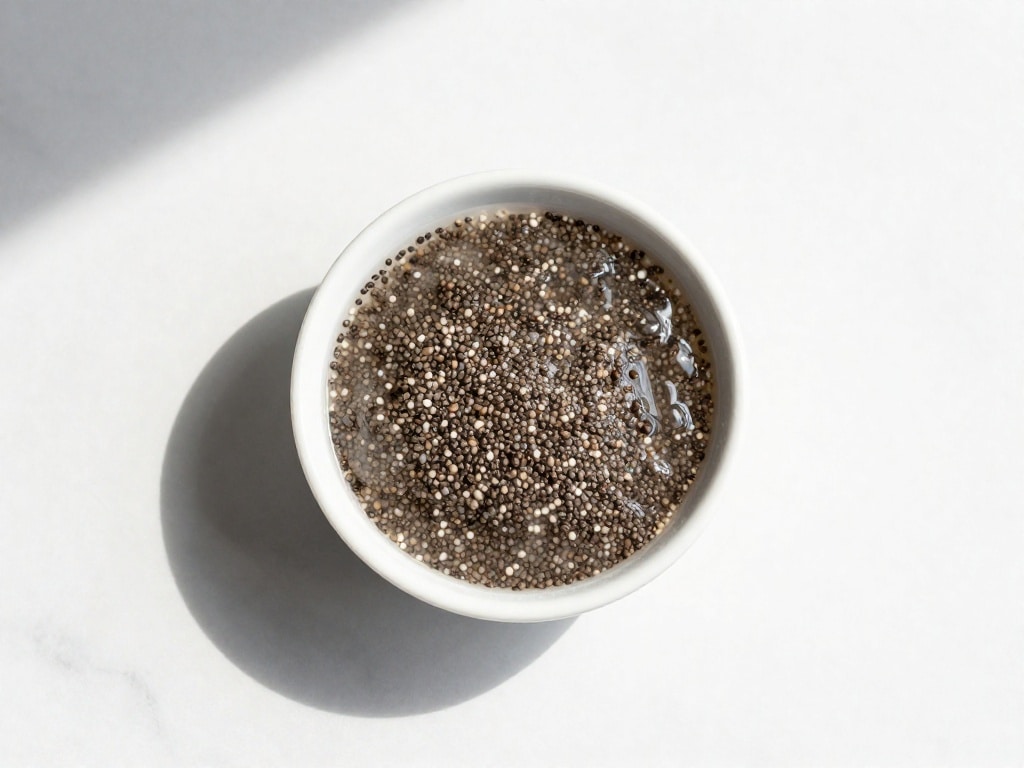
Chia seed gel is made by soaking whole or ground chia seeds in water until they absorb the liquid and form a thick, mucilaginous gel. This gel has mild binding properties that can partially replicate the protein network meringue powder creates in royal icing.
Chia seed gel ratios confirm that 1 tablespoon of chia seeds plus 3 tablespoons of water, rested for 10 minutes, equals approximately one egg white in binding applications.
For royal icing, use ground chia seeds rather than whole ones. Whole seeds leave visible specks in the icing, which is generally unwanted in decorated cookies.
Grind them in a spice grinder first, then mix with water and let the gel form for 10 to 15 minutes before incorporating.
The resulting icing is workable but sets softer than the other substitutes on this list. It does not achieve the same hard, snapping finish of meringue powder icing.
Expect a semi-firm, slightly flexible set - closer to a soft-dried royal icing than a brittle one. This makes chia gel icing suitable for casual sugar cookie decoration but not for gingerbread house construction or stacked cookie tins where structural integrity matters.
Color is the biggest limitation. Even finely ground chia seeds carry a grayish-beige pigment that shifts the icing's base color.
Bright white icing is impossible with this substitute. Darker food colorings (red, navy, forest green, black) work fine and mask the base color effectively.
Pastel shades will look muted or slightly muddy.
Mouthfeel is also slightly different. There can be a faint graininess even with well-ground seeds, and the texture reads as slightly chewier than standard royal icing.
For most casual home bakers, this is acceptable - the icing still tastes good and holds basic piped shapes. Those with dietary restrictions can also look at what replaces nigella seeds as another example of seed-based substitutions in baking.
The main advantage of chia gel is cost and accessibility. Chia seeds are inexpensive, shelf-stable, and widely available.
This makes the substitute a practical first option when you have nothing else on hand. It is also fully vegan, gluten-free, and egg-free.
Chia seed gel is not suitable for icing that needs a hard, brittle set. Do not use it for gingerbread house assembly or cookies that will be stacked or packaged, as the semi-firm set can cause smearing and structural failure.
How to Choose the Right Substitute?
Your decision comes down to three factors: dietary needs, desired finish, and how much time you have. Matching the right substitute to those three criteria prevents most royal icing failures.
- For vegan icing: Aquafaba is the best overall pick for gloss and stability. Agar-agar is the best vegan option when you need an extremely firm set.
- For closest-to-original results: Dried egg white powder is the most direct replacement - same protein base, same drying time, same finish.
- For firm structural set: Use unflavored gelatin (non-vegan) or agar-agar (vegan). Both produce a hard set suitable for construction projects.
- For budget and convenience: Chia seed gel costs almost nothing and requires no special equipment, though it limits your color palette.
- For egg allergies: Aquafaba, agar-agar, and chia seed gel are all egg-free. Dried egg white powder and unflavored gelatin are not appropriate for egg allergy contexts.
Always prepare your piping setup before mixing any substitute-based royal icing. Agar-agar sets within 30 minutes and chia gel thickens as it sits, so working fast is the most important technique regardless of which substitute you choose.
Frequently Asked Questions
What substitute yields the closest royal icing texture to meringue powder?
Dried egg white powder is the closest match. It rehydrates to the same protein structure as meringue powder and produces an identical hard, snapping set in 4 to 6 hours.
Are these substitutes vegan-friendly and allergen-safe?
Aquafaba, agar-agar, and chia seed gel are fully vegan and egg-free. Dried egg white powder contains egg, and gelatin is animal-derived, so neither is safe for egg allergies or vegan diets.
Do substitutes affect the drying time or gloss of royal icing?
Yes. Agar-agar sets fastest - sometimes within 30 minutes for thin layers. Dried egg white powder and aquafaba match standard 4 to 6 hour drying times. Chia seed gel produces a semi-firm set that never fully hardens like the original.
Can I mix substitutes in one batch, or should I pick just one?
Stick to one substitute per batch. Combining, say, aquafaba with chia gel creates unpredictable viscosity and inconsistent set times that are difficult to troubleshoot mid-project.
What safety or storage considerations apply when using substitutes in icing?
Aquafaba and chia gel royal icing should be refrigerated and used within 3 days. Dried egg white powder icing is pasteurized and shelf-stable for up to 2 weeks in an airtight container at room temperature.
5 Best Meringue Powder Substitutes in Royal Icing
Ingredients
Equipment
Method
- Choose your substitute based on dietary needs and desired finish. Use aquafaba or agar-agar for vegan icing, dried egg white powder for the closest non-vegan match, and chia seed gel for a budget-friendly option.
- Prepare the substitute as directed: rehydrate dried egg white powder with warm water, bloom gelatin or agar-agar in cold water then heat, or soak ground chia seeds in water for 10 to 15 minutes to form a gel.
- Apply the substitution ratio carefully. Use 3 tablespoons aquafaba, 1 tablespoon rehydrated egg white powder, 1 teaspoon dissolved gelatin or agar-agar, or 1 tablespoon chia gel per egg white equivalent called for in your recipe.
- Taste and adjust consistency. Some substitutes shift viscosity as they sit, so add powdered sugar in small increments to reach your desired piping or flooding consistency.
Notes
- Agar-agar sets within 30 minutes for thin layers - prepare all piping bags before mixing the icing.
- For egg allergies, stick to aquafaba, agar-agar, or chia seed gel. Dried egg white powder and gelatin are not egg-free.
- Add a pinch of cream of tartar (about ⅛ tsp) when using aquafaba to improve foam stability during piping.
Tried this recipe?
Let us know how it was!
Carrie is a food writer and editor with more than 15 years of experience. She has worked for some of the biggest names in the food industry, including Bon Appétit, Food & Wine, and Martha Stewart Living.
As the Editor in Chief of EpicureDelight, Carrie oversees all of the content on the site. She also manages the team of contributing writers and editors, who help to create delicious recipes, helpful tips, and informative articles that you’ll find on the site.
A native of the Chicago area, Carrie is passionate about all things food. She loves trying new restaurants and experimenting with new recipes in her kitchen. She’s also a graduate of the Culinary Institute of America, so she knows a thing or two about food!



