
Onion flakes are one of those pantry staples that quietly hold a lot of recipes together. They add concentrated onion flavor, a bit of texture, and just enough moisture when they rehydrate inside a batter or sauce.

When you run out mid-recipe, finding the right swap matters more than people expect.
The tricky part is that onion flakes behave differently depending on the recipe type. In a bread dough they rehydrate slowly and add chew.
In a spice rub they stay dry and add crunch. That means no single substitute covers every situation perfectly.
The five substitutes here are ranked by how closely they match the original in both flavor and function. Each comes with an exact ratio so you do not have to guess, plus notes on texture, moisture, and any flavor shift you should plan for.
If you regularly swap dried ingredients in baking, knowing how potato flake substitutes behave in batters can sharpen your instinct for moisture management across the board.
The five best onion flakes substitutes are dried minced onion, onion powder, leek or shallot powder, a garlic-onion powder blend, and finely minced fresh onion. Each works at a 1:1 ratio by volume except fresh onion, which swaps 1:1 by weight and adds moisture to manage.
Substitutes at a Glance
This table gives you a fast overview of all five substitutes so you can pick the right one before reading the full detail sections below.
| # | Substitute | Ratio | Best For | Taste Match |
|---|---|---|---|---|
| 1 | Dried Minced Onion (rehydrated) | 1:1 | Batters, doughs, soups | Close |
| 2 | Onion Powder | 1:1 | Dry rubs, sauces, baked goods | Close |
| 3 | Leek Powder or Shallot Flakes | 1:1 | Savory pastries, spice blends | Mild |
| 4 | Garlic Powder + Onion Powder Blend | 2:1 garlic to onion | Dry seasoning, spice rubs | Different |
| 5 | Fresh Onion, Finely Minced | 1:1 by weight | Cooked dishes, bread doughs | Close |
Save This for Later
Pin this 5 best onion flakes substitutes to consider guide so you always have it when you need it.
Pin This GuideOnion Flakes Substitutes in Detail
1. Dried Minced Onion (Rehydrated)
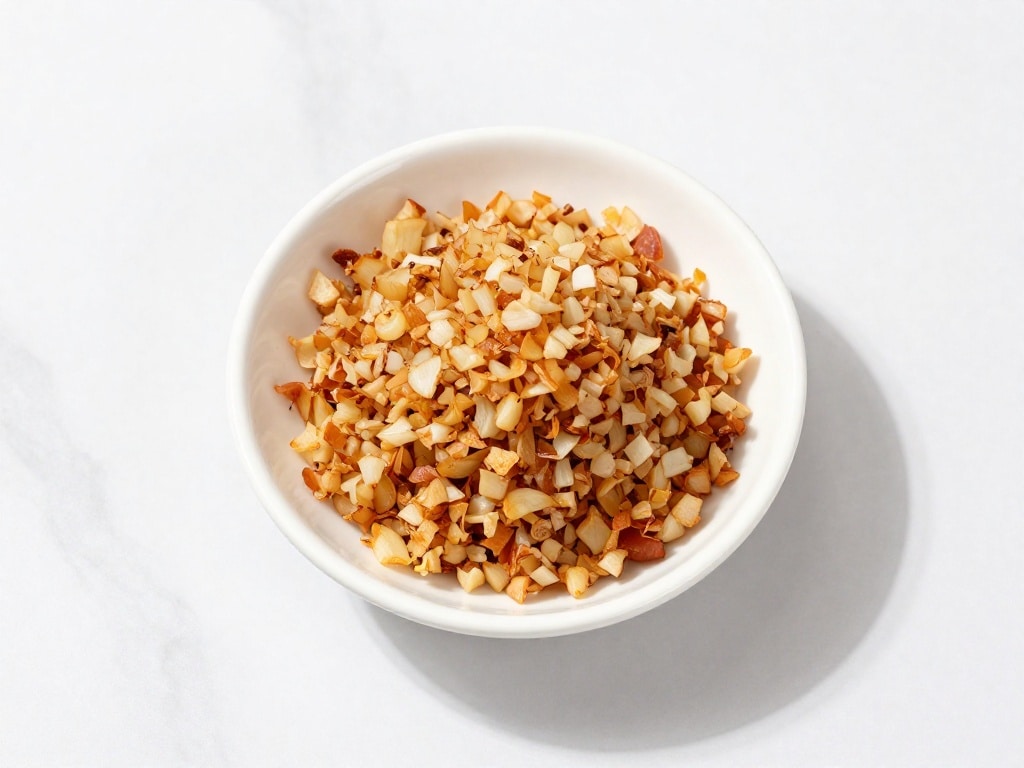
Dried minced onion is the closest match because it starts as the same ingredient in a slightly different form. The pieces are larger than standard flakes, so they hold a bit more texture after rehydration.
Use it at a 1:1 ratio by volume and you will get nearly identical onion flavor in the finished dish.
Rehydration restores some sweetness and softens the texture. Standard dried onion flakes measure about 1 teaspoon to replace 1 medium finely minced onion, so the same applies when you sub dried minced onion in their place.
In batters and doughs, the extra surface area of the minced pieces distributes evenly without clumping. Expect slightly less onion crunch compared to whole flakes, since the larger particles absorb liquid faster.
If you are baking something like a savory scone or focaccia, soak the minced onion in 1 teaspoon of warm water for 5 minutes before mixing it in.
| # | Substitute | Ratio | Best For | Tradeoffs |
|---|---|---|---|---|
| 1 | Dried Minced Onion (rehydrated) | 1:1 | Batters, doughs, soups | Slightly less crunch; may add minimal extra moisture |
Use a 1:1 swap with rehydration for even distribution in batters and doughs. Soak in a small amount of warm water first to avoid hard, dry pieces in the finished bake.
When adjusting your recipe, remember that celery flakes follow similar rehydration logic and can teach you how dried vegetable flakes behave differently based on cut size and surface area.
2. Onion Powder
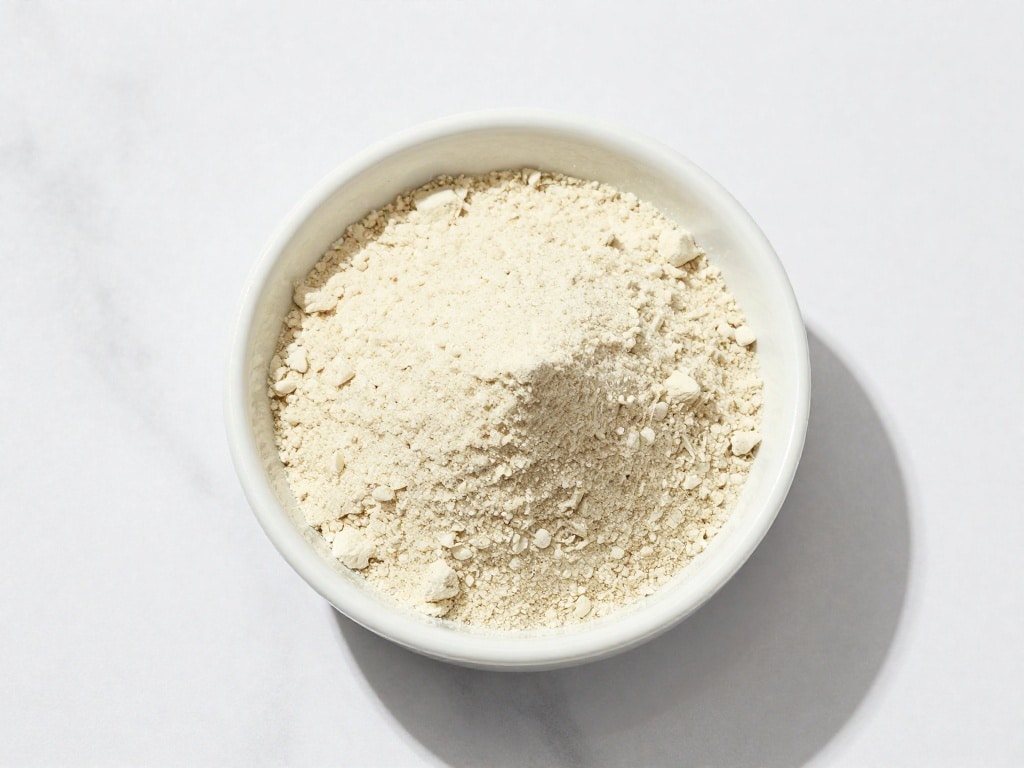
Onion powder delivers concentrated onion flavor without any texture or added moisture. It is ground from dehydrated onion, so the aromatic compounds are fully preserved.
Typically, 1 teaspoon of onion powder equals 1 teaspoon of onion flavor from flakes, though powder is more potent by weight because every particle is fully ground with no air space between pieces.
The main tradeoff is texture. Onion flakes contribute small, visible bits in a finished dish.
Onion powder disappears completely into the mix, which is actually an advantage in smooth sauces, gravies, and spice rubs where you want clean flavor without specks. In baked goods, the powder integrates without absorbing liquid, so you do not need to adjust moisture levels.
If your original recipe relied on flakes for visual appeal, sprinkle a few chives or dried parsley on top to replace that visual element. Onion powder also tends to bloom faster in hot fat, so add it early when sautéing to draw out maximum aroma.
For powder-heavy recipes, the same principles around using fine powders without altering batter consistency apply here.
| # | Substitute | Ratio | Flavor Impact | Tradeoffs |
|---|---|---|---|---|
| 1 | Onion Powder | 1:1 | Strong, clean onion flavor | No texture; more potent by weight so taste as you go |
Onion powder is ideal when you need pure onion flavor without extra moisture or visible flecks. It integrates cleanly into batters, dry rubs, and smooth sauces.
3. Leek Powder or Shallot Flakes as an Aroma Substitute
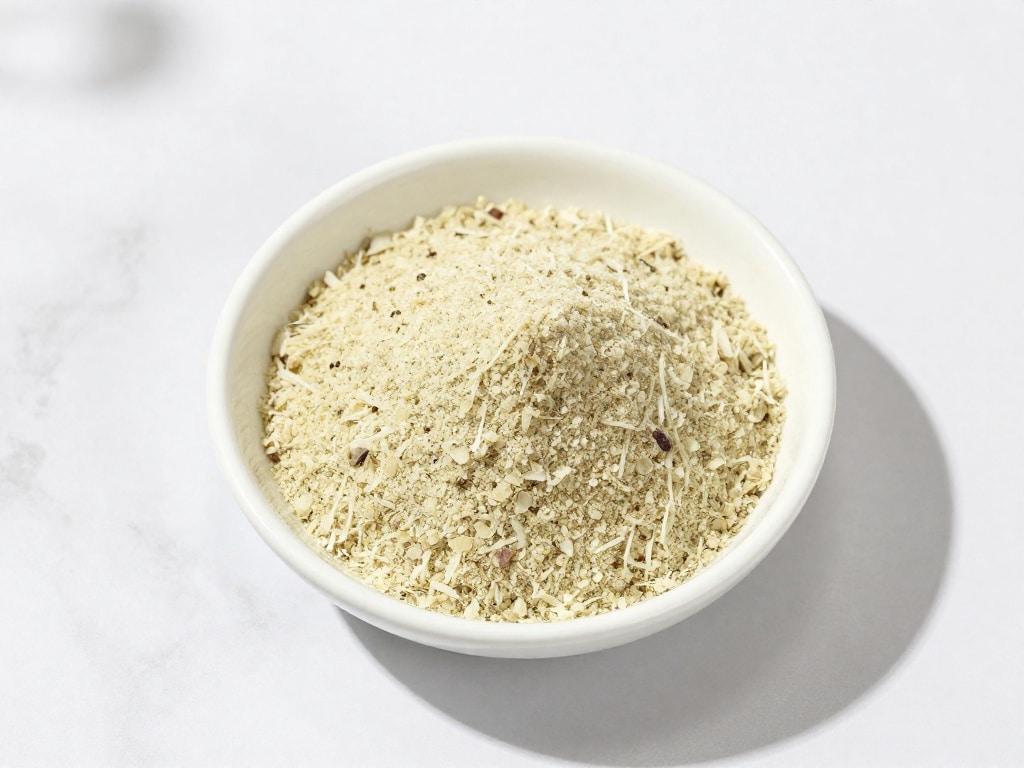
Leek powder and shallot flakes are not direct flavor copies of onion flakes, however they are excellent stand-ins when sweetness and aroma matter more than sharp onion bite. Leek powder tends to be milder and sweeter than onion flakes, making it a gentle background note in delicate recipes.
Shallot flakes carry a more garlicky, sweeter profile that works especially well in spice blends and French-inspired savory pastries.
Both substitute at a 1:1 ratio by volume. In practice, leek powder is the better choice when you are cooking for people who find onion flavor too sharp, like in a cream sauce or a soft dinner roll.
Shallot flakes add complexity to spice mixes and dry brines without making the dish taste overtly onion-forward. Neither will replicate the full savory punch of onion flakes in a burger patty or meatloaf, so save these for recipes where the onion is supporting the dish rather than leading it.
For spice blend recipes where aromatic powders shift an entire dish's character, the same care applies to leek and shallot swaps.
| # | Substitute | Ratio | Best For | Tradeoffs |
|---|---|---|---|---|
| 1 | Leek Powder or Shallot Flakes | 1:1 | Savory pastries, soups, spice blends | Sweeter and milder; lacks sharp onion bite |
Flavor profile shifts noticeably with both options. Use leek powder or shallot flakes in soups, stews, and savory pastries where aroma matters more than bold onion flavor.
4. Garlic Powder + Onion Powder Blend (2:1 Ratio) as a Flavor Bridge
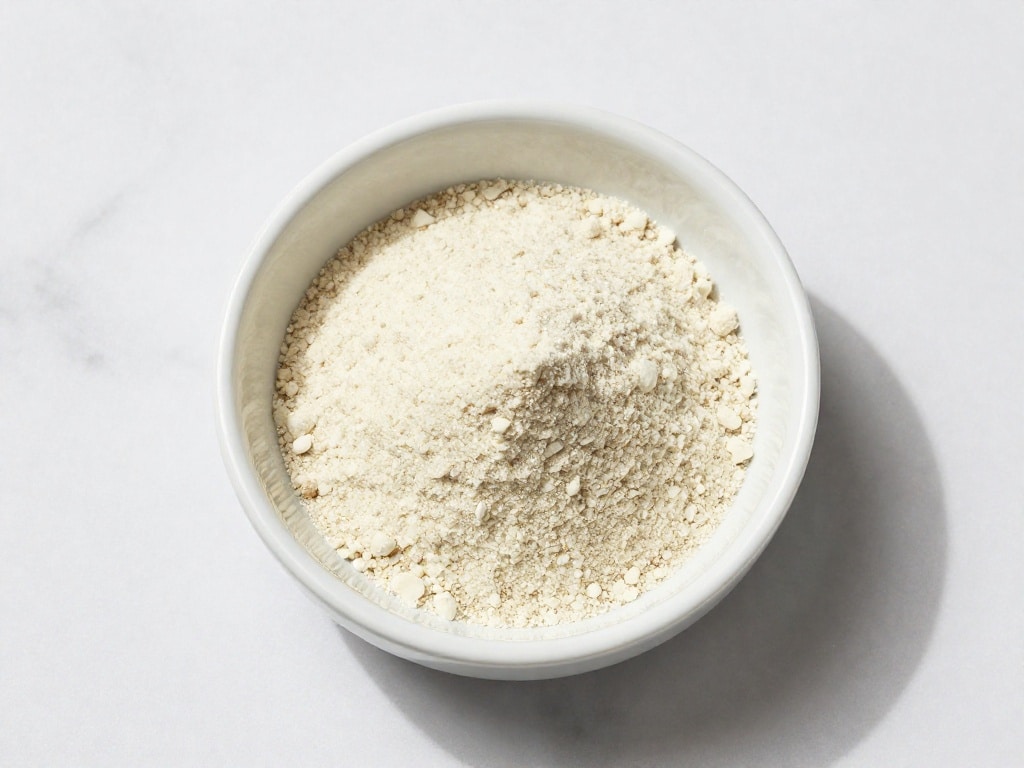
When you are out of anything onion-specific, a blend of garlic powder and onion powder can carry a recipe through without a noticeable gap. Use 2 parts garlic powder to 1 part onion powder to approximate the savory depth of onion flakes.
The result leans garlic-forward, so this works best in recipes where garlic is already present or welcome.
Add a small pinch of paprika to the blend to brighten the color and add a faint sweetness that mimics the caramelized note in dried onion flakes. This blend is dry, so it brings no extra moisture to the recipe.
It works especially well in spice rubs for roasted meats, seasoned breadcrumbs, and dry dip mixes. In baked goods, keep amounts modest since garlic powder in large quantities can turn bitter when exposed to high heat for long periods.
This approach pairs naturally with recipes that already use multiple dry aromatics, similar to how powder blends create layered flavor without a single dominant note taking over.
| # | Substitute | Ratio | Best For | Tradeoffs |
|---|---|---|---|---|
| 1 | Garlic Powder + Onion Powder (2:1) | 2:1 (garlic:onion) | Dry rubs, spice blends, savory coatings | Garlic-forward; can turn bitter in high-heat long bakes |
A 2:1 garlic-to-onion powder blend gives a close aroma match without any added moisture. Add a pinch of paprika to recover the warm, slightly sweet color of onion flakes.
5. Fresh Onion, Finely Minced (1:1 by Weight)
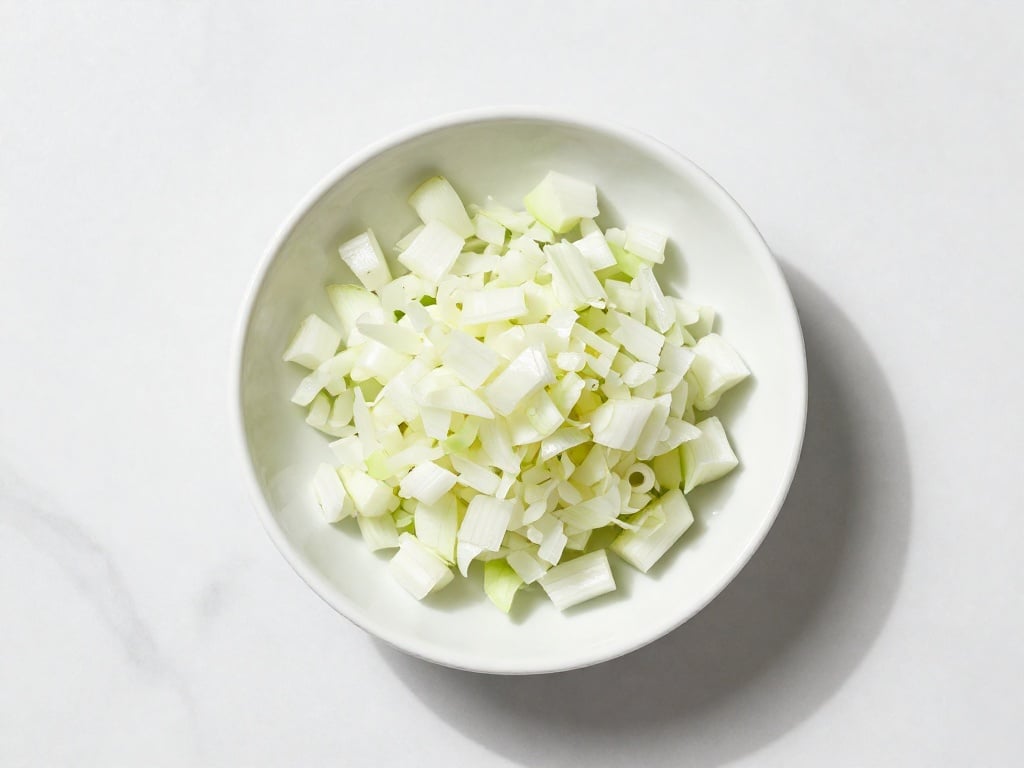
Fresh minced onion is the most widely available substitute and the most moisture-intensive. The swap works at a 1:1 ratio by weight, not by volume.
Onion flakes are dense and concentrated, so 10 grams of flakes roughly matches 10 grams of fresh minced onion by flavor output after the fresh onion cooks down.
The critical issue in baking is water content. Fresh onion is roughly 89% water, and that moisture releases directly into your batter or dough during mixing and baking.
Fresh onion moisture can impact batter consistency, so increase dry ingredients slightly if needed, starting with an extra 1 to 2 teaspoons of flour per tablespoon of fresh onion used. In cooked dishes like soups, stews, and sautéed sides, the moisture is a non-issue since it simply evaporates or blends into the liquid base.
Fresh onion also adds sweetness as it caramelizes, which can be a welcome addition in bread loaves or savory muffins. If you are baking a recipe that uses liquid-sensitive dry ingredients, factor the onion moisture into your total liquid count rather than treating it as a separate variable.
Knowing how fresh produce changes baked texture is also relevant when working with moisture-absorbing flake substitutes in grain-based recipes.
| # | Substitute | Ratio (by weight) | Best For | Tradeoffs |
|---|---|---|---|---|
| 1 | Fresh Onion, Finely Minced | 1:1 by weight | Soups, stews, bread doughs, cooked dishes | High moisture content; adjust dry ingredients in baked goods |
Fresh onion adds moisture and natural sweetness that dried flakes do not. Adjust your dry ingredients accordingly, and expect more caramelized flavor when the onion hits heat.
How to Choose the Right Substitute?
The right swap depends on two things: the texture you need and how much moisture your recipe can handle. Dried minced onion and onion powder cover the widest range of recipes without causing problems.
Leek powder and shallot flakes work when you want a softer, sweeter onion note. The garlic-onion blend fills a gap when neither option is in your pantry.
Fresh minced onion is a reliable last resort as long as you manage the extra liquid it brings. For dry-ingredient swaps in baked recipes where flake texture matters, the same approach applies to ingredients like corn flakes substitutes in crusted or crumble applications.
- Need a 1:1 texture match: Use dried minced onion rehydrated. It distributes evenly in batters and doughs without adding significant extra moisture.
- Need pure flavor, no texture: Onion powder is the cleanest swap. It blends invisibly and does not alter batter consistency.
- Want a sweeter, milder note: Leek powder or shallot flakes are the right call for delicate savory pastries or spice blends where bold onion flavor would overpower other aromatics.
- Only have garlic powder on hand: Blend 2 parts garlic powder with 1 part onion powder and add a pinch of paprika for color and warmth.
- Using fresh onion: Match by weight, not volume, and reduce other liquids or increase flour slightly to compensate for natural water content.
Frequently Asked Questions
Can dried minced onion replace onion flakes in all recipes?
Yes in most cases. Use a 1:1 ratio by volume. The larger cut size means slightly less surface crunch, but flavor output is nearly identical once the onion rehydrates.
Does onion powder mimic the texture of flakes?
No. Onion powder is fully ground and disappears into the dish. It matches flavor at a 1:1 ratio but leaves no visible bits or chewable texture behind.
When should I use leek powder instead of onion flakes?
Use leek powder when you want a milder, sweeter onion note. It works best in cream sauces, savory pastries, and spice blends where sharp onion flavor would be too aggressive.
Can you substitute fresh onion for dried flakes in bread dough?
Yes, at a 1:1 ratio by weight. Add an extra 1 to 2 teaspoons of flour per tablespoon of fresh onion used to offset the moisture it releases during baking.
Is a garlic-onion powder blend acceptable in baked goods?
Yes, in moderate amounts. Keep the garlic powder portion small since it can turn slightly bitter in high-heat bakes longer than 25 minutes at 375°F or above.
5 Best Onion Flakes Substitutes to Consider
Ingredients
Method
- Choose your substitute based on the dish type and desired flavor match. Consider whether texture, moisture, or pure flavor is the priority.
- Prepare the substitute as directed: rehydrate dried minced onion in warm water for 5 minutes, blend garlic and onion powder at a 2:1 ratio, or finely mince fresh onion before measuring by weight.
- Apply the substitution ratio carefully. Use 1:1 by volume for dried minced onion, onion powder, leek powder, and shallot flakes. Use 1:1 by weight for fresh minced onion.
- Taste and adjust seasoning. Fresh onion adds moisture so reduce other liquids or increase flour slightly. Garlic-forward blends may need a pinch of paprika to balance sweetness and color.
Notes
- Onion powder is more potent by weight than flakes; taste as you go rather than adding the full amount at once.
- Fresh minced onion is roughly 89% water; always adjust dry ingredients when using it in baked goods.
Tried this recipe?
Let us know how it was!
Carrie is a food writer and editor with more than 15 years of experience. She has worked for some of the biggest names in the food industry, including Bon Appétit, Food & Wine, and Martha Stewart Living.
As the Editor in Chief of EpicureDelight, Carrie oversees all of the content on the site. She also manages the team of contributing writers and editors, who help to create delicious recipes, helpful tips, and informative articles that you’ll find on the site.
A native of the Chicago area, Carrie is passionate about all things food. She loves trying new restaurants and experimenting with new recipes in her kitchen. She’s also a graduate of the Culinary Institute of America, so she knows a thing or two about food!



