Steamed jasmine rice is the best side for a saucy stir-fry, while cucumber sesame salad is the best fresh contrast. Skip a separate starch when the wok already contains noodles, and add edamame or tofu only when the main lacks protein.
A good stir-fry may already be a complete meal. Check for protein, vegetables, and starch before adding spring rolls, fried rice, or another sauced dish that repeats what is in the wok.

Serve saucy stir-fry with jasmine rice and spicy stir-fry with cucumber salad. Noodle stir-fry often needs no starch, while vegetable-only dishes may need edamame or tofu.
Is Anything Missing From the Wok?
Protein and Vegetables
The missing element is starch. Use steamed rice to catch the sauce.
Noodles and Protein
The missing element is a fresh vegetable. Choose cucumber or cabbage salad.
Vegetables and Rice
The missing element is protein. Add edamame or tofu in a separate bowl.
Protein, Vegetables, and Noodles
Nothing essential is missing. Add only a small cold salad if the sauce is hot or spicy.
Rice and noodles together can be useful for a large buffet, but they are redundant on a weeknight plate. Choose the starch that best handles the sauce.
Another sauced main such as orange chicken or sweet-and-sour chicken is not a side. It competes for attention and doubles the sugar, salt, and protein.
Which Quick Side Fits Your Stir-Fry?
1. Steamed Jasmine Rice
Jasmine rice absorbs sauce and provides a quiet background for garlic, ginger, and chile. Use unsalted water because the wok sauce supplies seasoning.

Plan half to three-quarters cup cooked rice per person.
Rinse the grains until the water is mostly clear to remove loose starch. Let the cooked rice rest before fluffing so it does not turn sticky under the sauce.
2. Cucumber Sesame Salad
Cold cucumber gives juicy crunch and cools a spicy stir-fry. Rice vinegar and a small amount of sesame oil keep the dressing sharp.
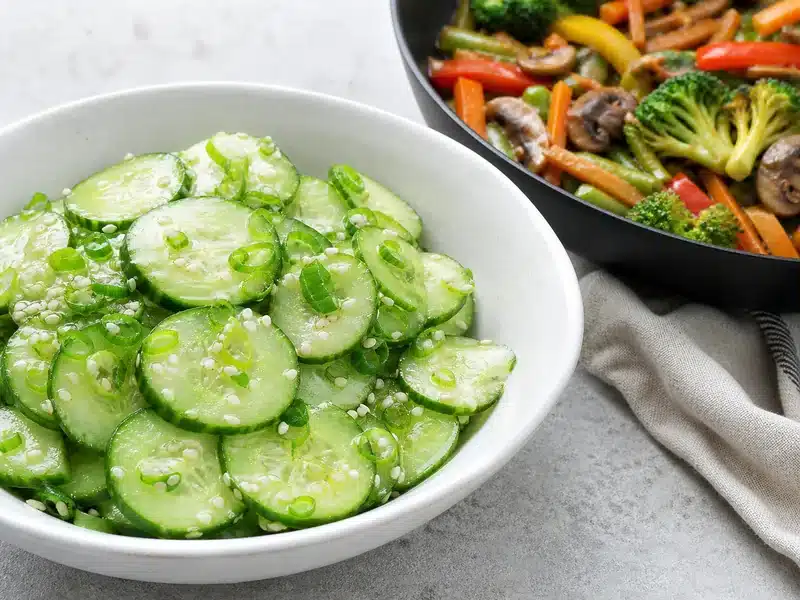
Salt thick slices briefly, then drain and pat them dry. Add the dressing just before serving so the salad remains crisp and cold.
3. Shelled Edamame
Edamame adds protein and a firm bite to vegetable stir-fry.
Steam it and season lightly with lime rather than another soy-based sauce. Frozen shelled beans cook in a few minutes and hold well while the wok heats.

Serve them in a separate bowl so they do not absorb excess sauce.
4. Brown Rice
Brown rice brings a chewy grain and holds well for meal prep.
Its nutty flavor suits beef, mushroom, and sesame stir-fries. It needs more cooking time than white rice, so start it before chopping the vegetables.
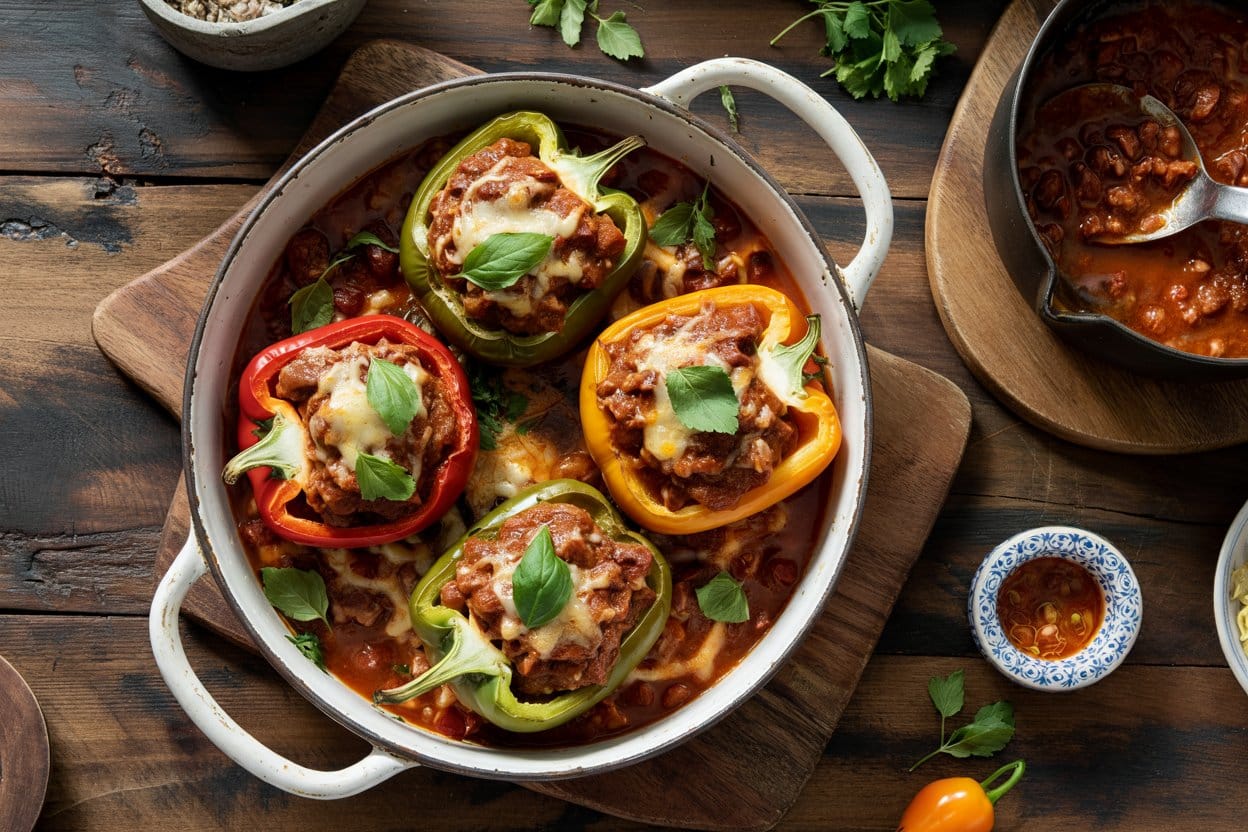
Rest it covered for ten minutes to keep the grains separate.
5. Quick-Pickled Radishes
Radishes add peppery crunch and bright color.
A 20-minute vinegar soak gives enough acid without making the side harsh. Slice them thinly and drain before serving.
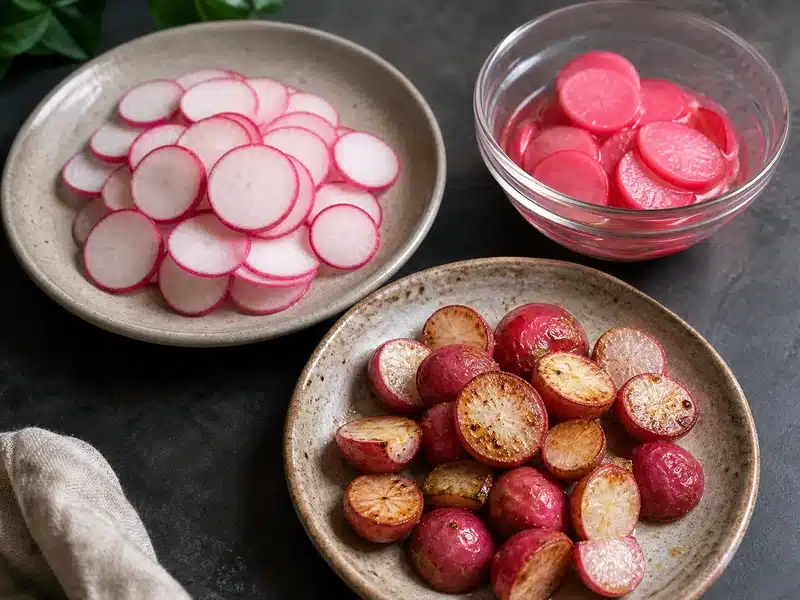
The pickles should add a sharp bite without sending brine into the wok sauce.
6. Clear Mushroom Broth
A small cup of clear broth gives warmth without another heavy plate. Keep it mild when the wok already includes mushrooms.
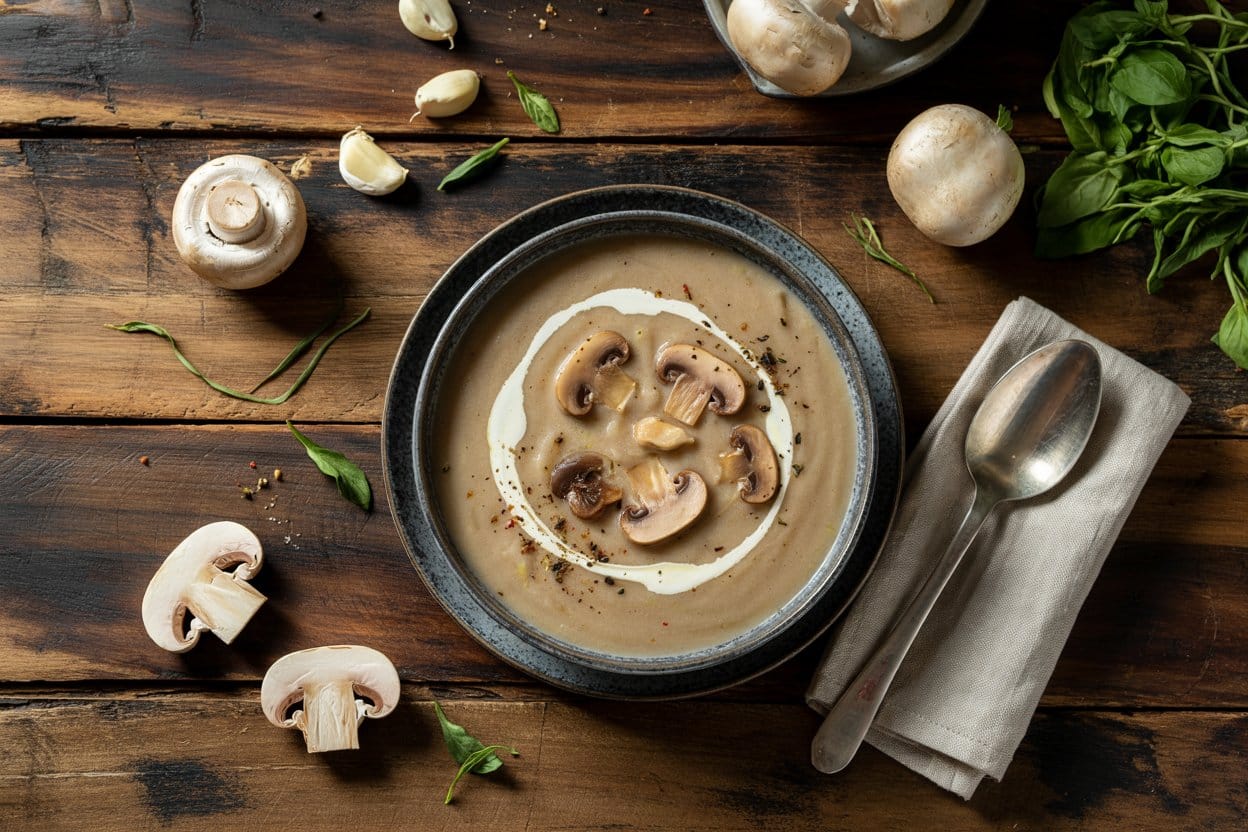
Use ginger, scallion, and a few mushroom slices for aroma. Serve about half a cup per person so the broth remains a light side.
7. Garlic Bok Choy
Bok choy supplies crisp stems and tender leaves when the main is meat-heavy.
Cook it quickly and leave out thick sauce. Separate the stems from the leaves and start the stems first.

A short cook keeps both parts bright instead of turning the leaves soft.
8. Scallion Pancakes
Scallion pancakes offer crisp layers for a vegetable-only stir-fry. Serve small wedges because they add a second starch.
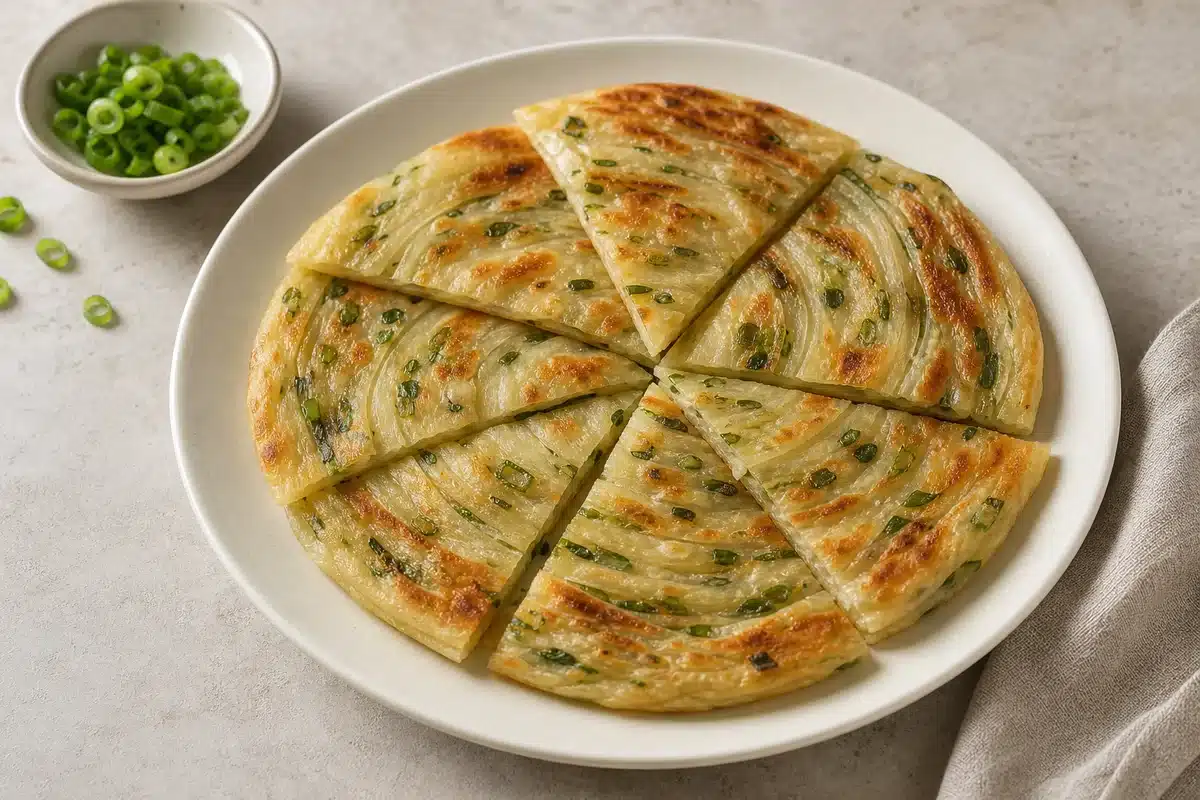
Cook them before the stir-fry and hold them on a rack in a low oven. Stacking hot pancakes traps steam and softens the crisp layers.
9. Mango Herb Salad
Mango, herbs, and lime cool chile heat and add juicy sweetness. Use green or barely ripe mango for firmer texture.
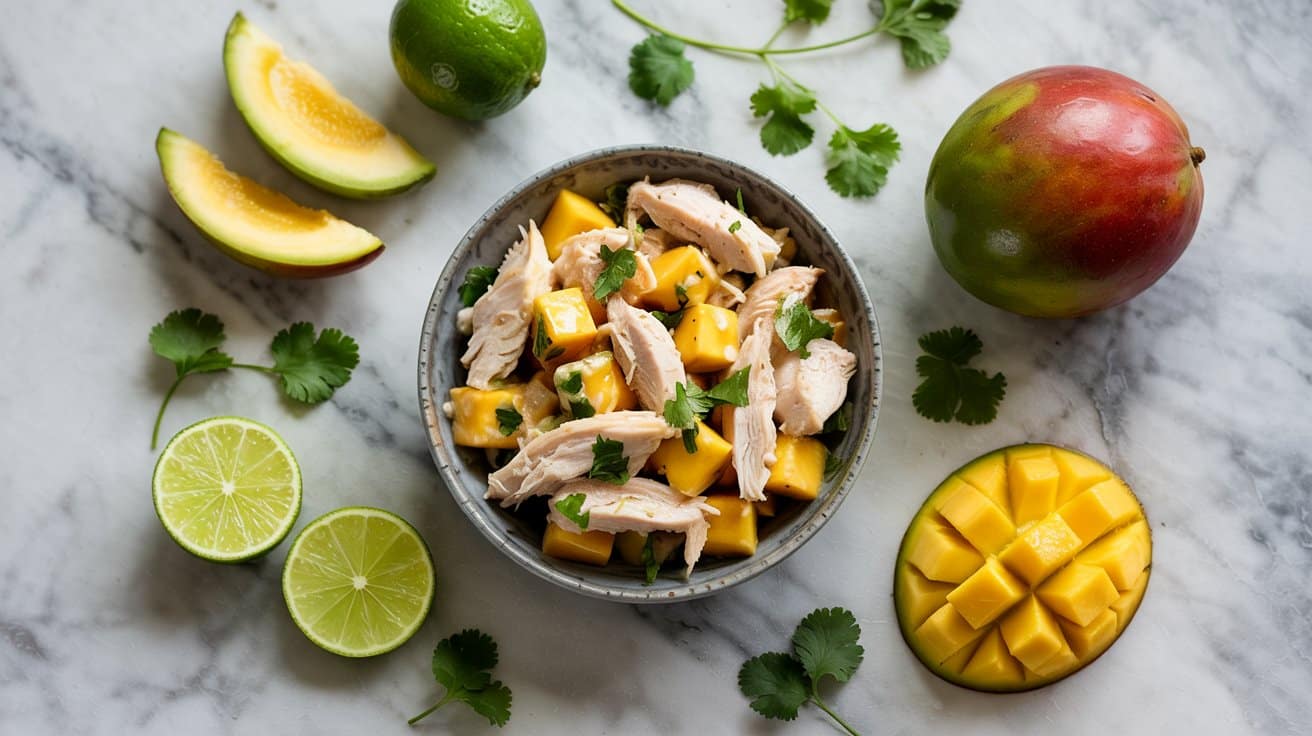
Add cilantro or mint after cutting the fruit. A pinch of salt is enough when the main contains soy sauce or fish sauce.
10. Steamed Dumplings
Two small vegetable dumplings can make a light stir-fry dinner more filling.
Avoid fried dumplings when the wok dish already uses plenty of oil. Steam them before heating the wok and keep the lid on.

Offer vinegar for dipping instead of a sweet or soy-heavy sauce.
11. Sesame Green Beans
Green beans stay firm and give a plain protein stir-fry more vegetables.
Toasted sesame seeds add flavor without extra sauce. Blanch the beans early and dry them well before a quick pan finish.

Water left on the surface weakens the toasted sesame flavor.
12. Pineapple Chile Salad
Pineapple supplies cool juice for a hot, savory stir-fry. Lime, cilantro, and chile keep the fruit from tasting like dessert.
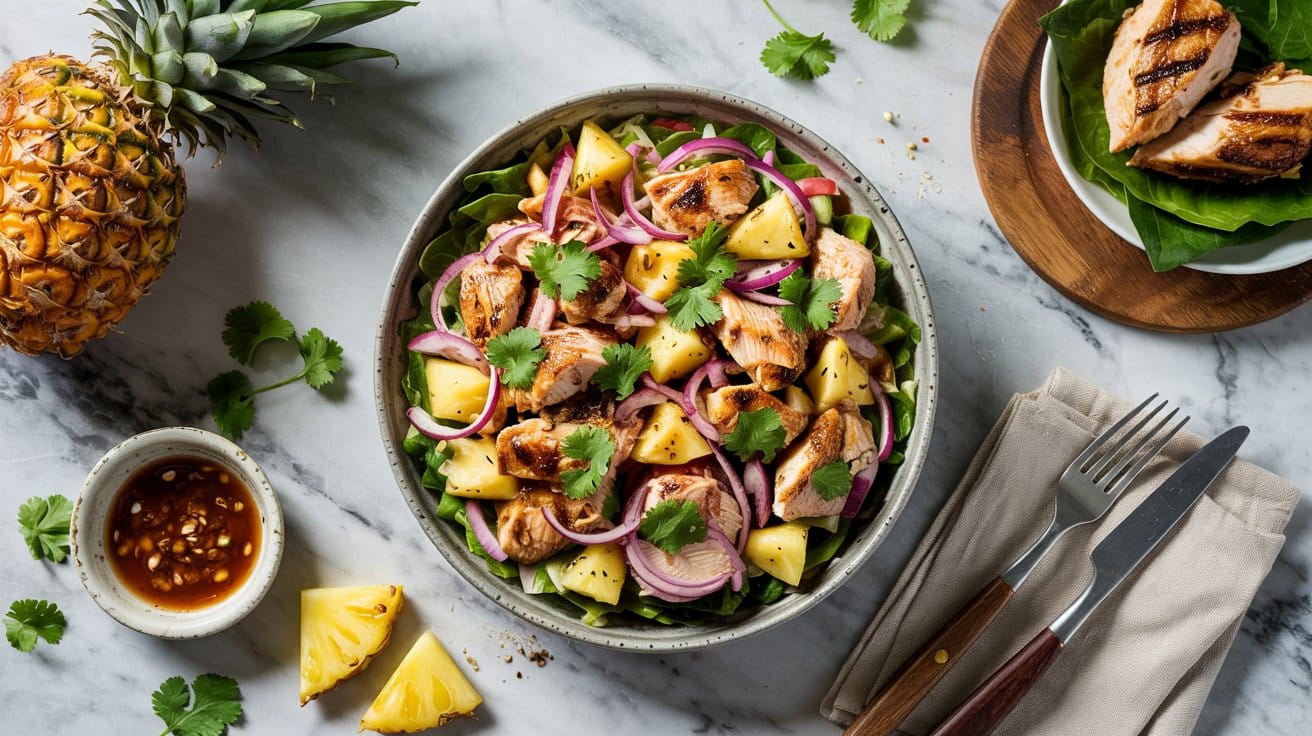
Choose fresh fruit rather than pineapple in syrup. Drain the cut pieces well and keep the serving smaller than the vegetable portion.
13. Plain Rice Noodles
Rice noodles catch sauce when rice feels too heavy. Rinse and toss them with a little oil so they do not clump.
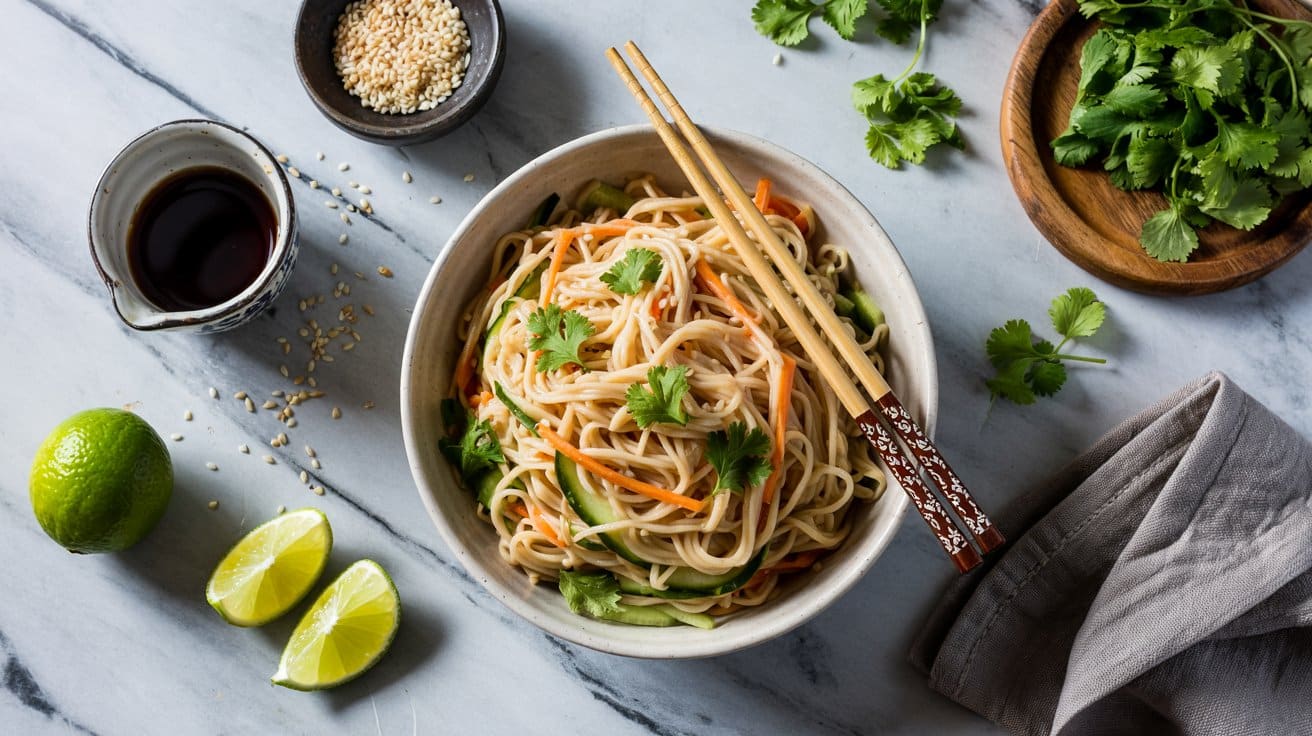
Choose a medium-width noodle that can hold its shape beside the wok vegetables.
Keep the seasoning plain and let each diner add the stir-fry on top.
14. Crispy Tofu Cubes
Tofu adds protein to a vegetable wok while keeping flavors mild. Bake or air-fry it and serve the cubes outside the sauce to preserve their edges.

Press the tofu before cutting it and coat it lightly with starch. Cook it ahead, then reheat uncovered while the wok comes to temperature.
| Side | Best with | Prep |
|---|---|---|
| Jasmine rice | Saucy stir-fry | 25 min |
| Cucumber salad | Spicy stir-fry | 15 min |
| Edamame | Vegetable wok | 8 min |
| Broth | Noodle stir-fry | 20 min |
Sauce thickness decides between rice and noodles. Thin sauce runs through rice grains, while sticky sauce clings well to plain noodles.
A beef or pork stir-fry usually needs freshness more than another protein. Cucumber, radish, cabbage, or fruit keeps the meal lighter.
A vegetable stir-fry may look complete but still leave diners hungry. Edamame, tofu, eggs, or dumplings add protein without cooking a second meat dish.
Use fried sides sparingly when the wok contains oil and battered protein. Steamed dumplings or broth gives a clearer contrast than egg rolls and spring rolls together.
Match the side's seasoning to the wok sauce. A soy-heavy main needs unsalted rice and vinegar vegetables, while a mild ginger stir-fry can support sesame or miso.
Cold sides are useful when chile heat builds over the meal. Watery cucumber and mango reduce the sensation more effectively than another hot soup.
Keep garnishes separate from sides. Scallions, sesame seeds, chile oil, and lime wedges change the main but do not add a full vegetable or starch serving.
For meal prep, cool rice quickly and store it apart from sauced vegetables. Reheat rice thoroughly, then add the stir-fry so the vegetables spend less time under heat.
When serving children, set aside plain rice and a few cooked vegetables before adding hot sauce. Adults can add chile at the table.
For a buffet, use smaller serving bowls and refill them often. Rice stays warmer, while cucumber and fruit salads spend less time in a hot room.
For six diners, plan three to four cups cooked rice and about three cups of one cold vegetable side. Reduce rice if noodles are already in the wok.
Offer one plain side before adding several specialty dishes. A clear rice or cucumber choice helps guests taste the main sauce instead of building a crowded plate.
Serving bowls should be shallow enough that steam escapes. A deep covered bowl continues cooking crisp vegetables after they leave the wok.
Use separate utensils for cold salad and hot stir-fry. Sauce carried into cucumber salad warms it and weakens its crunch.
What Must Be Ready Before the Wok Heats?
| Deadline | Side task | How to hold it |
|---|---|---|
| Before prep | Mix cold cucumber or fruit salad | Keep chilled |
| 20 to 30 minutes early | Start rice | Rest covered |
| 10 minutes early | Steam edamame or dumplings | Keep covered |
| 5 minutes early | Warm bowls and set utensils | Keep ready |
| Last | Cook the stir-fry | Serve immediately |
Wok vegetables soften quickly in residual heat. Do not make the finished stir-fry wait while rice drains or salads are dressed.
Fluff rice just before serving and keep cold sides in separate bowls. Their temperature contrast is part of the meal.
Measure sauces and set serving dishes out before the wok heats. The final cooking stage moves too quickly for side preparation or table setup.
If rice finishes early, cover it and leave it off direct heat. Stirring it often releases starch and turns the grains heavy.
Only when the dish lacks noodles or another starch. Saucy stir-fries benefit most from plain rice.
Cucumber salad, bok choy, green beans, broth, or edamame works without a large grain portion.
Cold cucumber salad or mango herb salad provides the best temperature and moisture contrast.
Rice, pickles, broth, and cold salad ingredients can be prepared ahead. Dress watery salads shortly before eating.
Plan half to three-quarters cup cooked rice per adult, depending on how much protein and vegetables are in the wok.

Carrie is a food writer and editor with more than 15 years of experience. She has worked for some of the biggest names in the food industry, including Bon Appétit, Food & Wine, and Martha Stewart Living.
As the Editor in Chief of EpicureDelight, Carrie oversees all of the content on the site. She also manages the team of contributing writers and editors, who help to create delicious recipes, helpful tips, and informative articles that you’ll find on the site.
A native of the Chicago area, Carrie is passionate about all things food. She loves trying new restaurants and experimenting with new recipes in her kitchen. She’s also a graduate of the Culinary Institute of America, so she knows a thing or two about food!