
Maltose is a disaccharide made of two glucose units bonded together. It has a mild, clean sweetness and a thick viscosity that makes it popular in Asian glazes, candy making, and some baked goods.

Finding it outside of specialty stores can be a challenge, and that is where a well-chosen substitute saves the day.
The five most practical maltose substitutes are corn syrup, glucose syrup, honey, maple syrup, and invert sugar blends. Each one has a different sweetness level, moisture content, and flavor profile that will affect your final dish in distinct ways.
Choosing the right swap depends on three things: how much sweetness you need, how much viscosity the recipe requires, and how much flavor shift you can tolerate. A candy recipe demands different priorities than a salad dressing or a bread glaze.
If you have ever swapped brown sugar in baking and noticed texture changes, the same principle applies here. Liquid sugar substitutes behave differently from each other, and matching the right one to your recipe matters.
This guide covers every option with exact ratios, clear best-use cases, and honest tradeoffs so you can make a confident call before you start cooking.
Maltose, a glucose-based disaccharide, can be replaced with corn syrup, glucose syrup, honey, maple syrup, or invert sugar in most recipes. Match your substitute to the dish: use neutral options for candy and sauces, flavored syrups for glazes and desserts. Ratios range from 1:1 to 2:3 depending on the swap.
Substitutes at a Glance
Before committing to a swap, it helps to see all five options side by side. The table below covers ratio, best use, and the main tradeoff for each substitute so you can zero in on the right pick fast.
Note that ratios refer to how much substitute you use to replace a given amount of maltose. A 1:1 ratio means equal parts; the honey ratio accounts for its higher water content and stronger sweetness.
| # | Substitute | Ratio | Best For | Taste Match |
|---|---|---|---|---|
| 1 | Corn Syrup (Light) | 1:1 | Candy, sauces, baking | Close |
| 2 | Glucose Syrup | 1:1 | Candy, glazes, clear sauces | Close |
| 3 | Honey | 2:3 (use ¾ honey per 1 maltose) | Glazes, vinaigrettes, some baked goods | Mild difference |
| 4 | Maple Syrup | 1:1 | Desserts, glazes, marinades | Different |
| 5 | Invert Sugar Blend | 1:1 | Fudge, caramels, chewy baked goods | Close |
Corn syrup and glucose syrup are the most neutral swaps and require no ratio adjustment. Honey needs a slight reduction because its water content is higher than maltose, which can affect the final texture of baked goods or sauces.
Demerara sugar and other dry sweeteners are not listed here because maltose is a liquid syrup, and dry substitutes require a full recipe rework rather than a simple swap.
Invert sugar is the least common option at home grocery stores, however it performs the closest to maltose in candy and confectionery applications where crystallization control is the top priority.
Maple syrup is the easiest to find and works beautifully when its signature flavor is welcome.
Save This for Later
Pin this gourmet hacks: 5 best maltose substitutes guide so you always have it when you need it.
Pin This GuideMaltose Substitutes in Detail
1. Corn Syrup (Light) - 1:1 Substitute
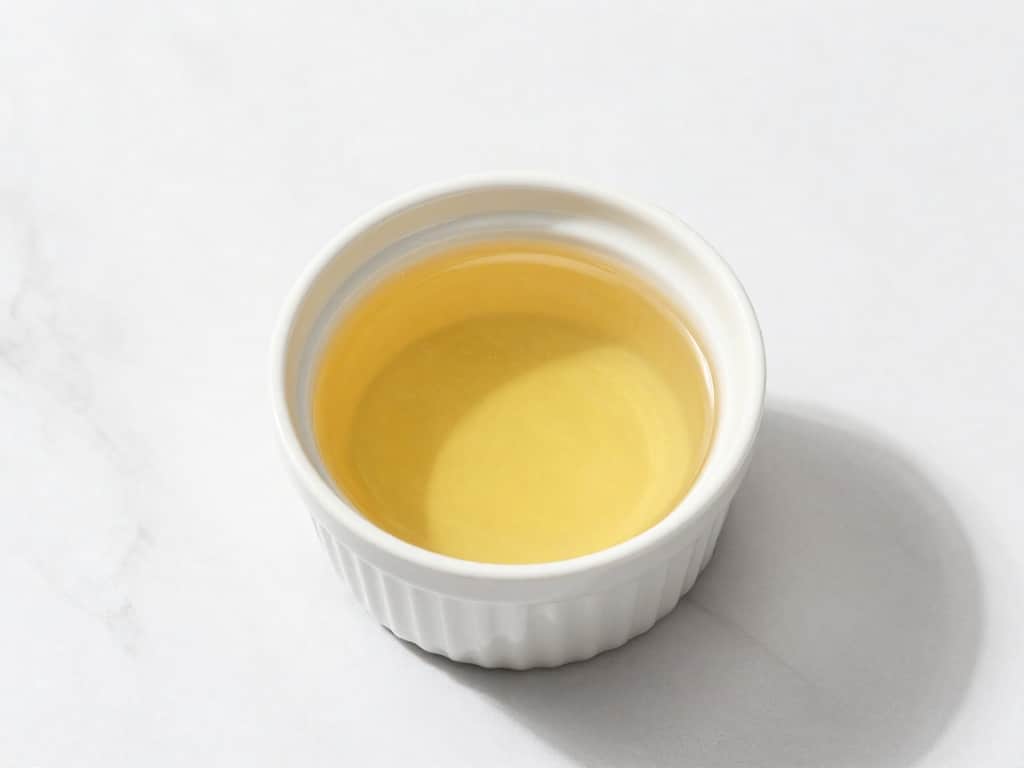
Light corn syrup is the easiest maltose substitute to find in most grocery stores. Corn syrup is primarily glucose-based and pours with a viscosity that closely mirrors maltose-containing syrups, making it a reliable drop-in for most cooking applications.
In candy making, the glucose content in corn syrup does the same job as maltose: it inhibits crystallization and keeps the final product smooth and chewy. In sauces and glazes, the texture difference is nearly undetectable.
For bakers who rely on light corn syrup substitutes regularly, the behavior in high-heat applications is well-documented and predictable.
One thing to keep in mind is browning. Corn syrup promotes Maillard browning at high temperatures, similar to maltose, so your baked goods and glazed meats will still develop a golden crust.
High-fructose corn syrup is a different product; it has a higher fructose content and a noticeably sweeter, slightly different flavor profile that can push a recipe off balance.
Stick to plain light corn syrup for the cleanest swap. Dark corn syrup adds molasses flavor and color, which is fine in some applications like gingerbread or BBQ sauce, however it is not a neutral substitute.
- Ratio: Use 1:1 by volume with no other adjustments needed.
- Best for: Candy, hard sauces, caramel bases, glazed meats, and bread glazes.
- Avoid for: Recipes where you want zero added flavor, since corn syrup has a very faint sweetness character distinct from maltose.
For a direct 1:1 swap in sauces and candies that rely on glucose content, light corn syrup is the most accessible and reliable choice. No ratio math, no flavor adjustment needed.
2. Glucose Syrup - 1:1 Substitute
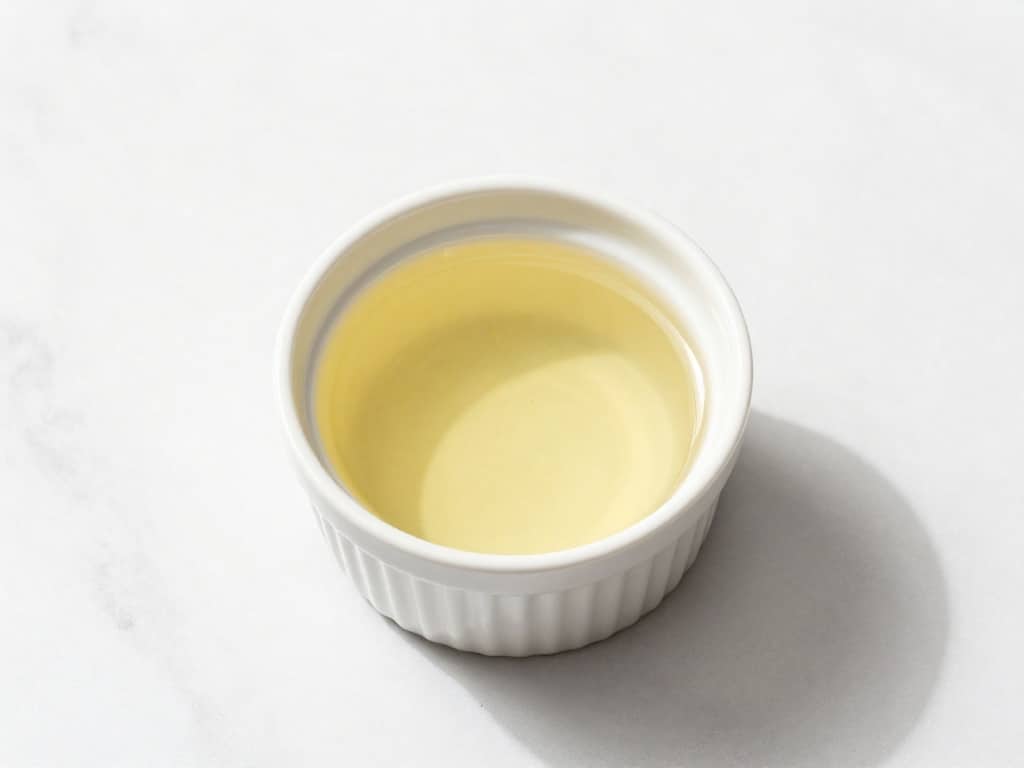
Glucose syrup is the closest analog to maltose in terms of both viscosity and sweetness. It has a neutral, clean flavor with no floral or molasses notes, which makes it ideal for recipes where you want the sugar to perform without contributing its own taste.
Glucose syrup is used widely in candy making for its ability to produce a smooth, glossy, non-crystalline texture.
Because maltose and glucose syrup share a similar sugar composition, the swap is direct at 1:1 with no adjustments to liquid ratios or baking temperatures.
In clear glazes and hard candies, glucose syrup maintains transparency and a clean finish that honey or maple syrup cannot match.
Sourcing is the one limitation. Glucose syrup is available at specialty baking shops and online, however it is less common at standard grocery stores than corn syrup.
If your preferred sugar alternative is hard to find locally, corn syrup is a practical backup.
- Ratio: 1:1 by weight or volume.
- Best for: Hard candies, fondant, clear sauces, ganache stabilization, and glazes requiring transparency.
- Crystallization: Glucose syrup resists crystallization very effectively, matching maltose's performance in confectionery work.
Glucose syrup is the closest match in texture and sweetness to maltose. It is the top choice for candy and sauces that need clarity and a neutral flavor base.
3. Honey - 2:3 Substitute
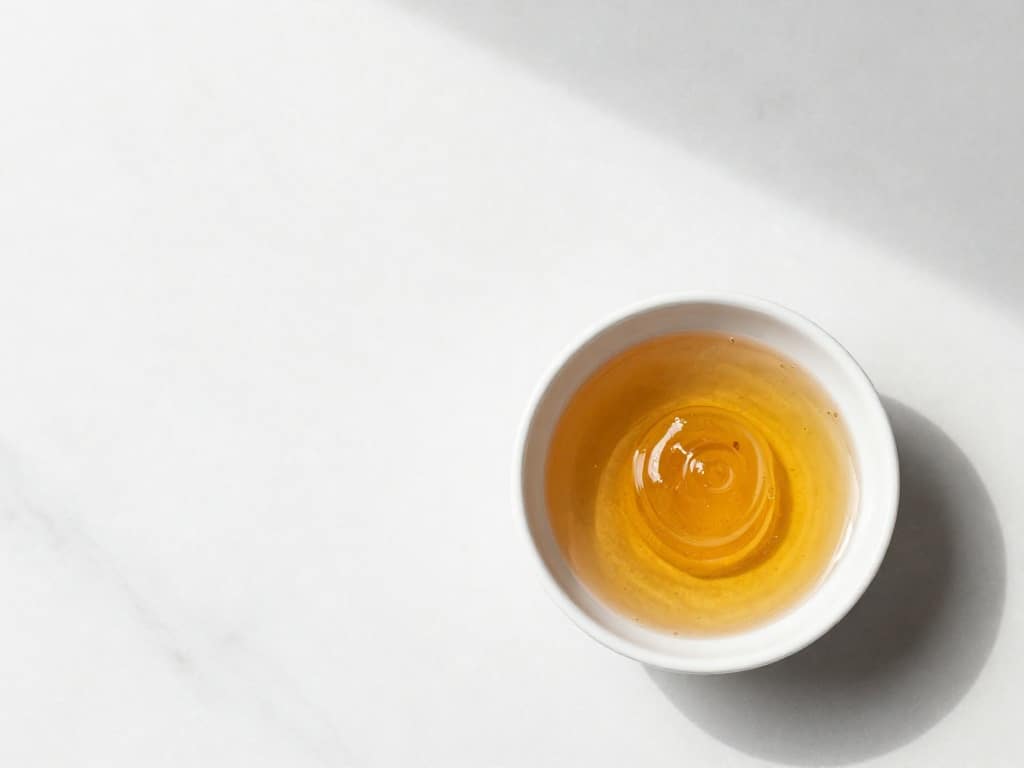
Honey is a practical substitute when you want more than just sweetness.
Use ¾ cup of honey for every 1 cup of maltose; this accounts for honey's higher water content and its more intense sweetness, which prevents the dish from becoming overly sweet or too thin.
Honey adds floral notes and moisture, and heat can drive off its delicate aroma while also causing browning changes more quickly than maltose would. This means glazes and roasted dishes may caramelize faster, so watch the heat and pull the dish slightly earlier than you normally would.
The difference between a clover honey and a wildflower honey matters here too; milder varieties like clover stay closer to neutral, while robust honeys like buckwheat will push their flavor into the foreground.
For vinaigrettes, light glazes, and some baked goods like soft dinner rolls, honey is an excellent substitute because the added moisture actually improves the final texture.
In hard candy or brittle recipes, honey is a poor swap because its extra water and natural enzymes prevent the candy from setting properly at the temperatures required.
- Ratio: Use ¾ of the called-for maltose amount when substituting honey.
- Reduce other liquids: Cut any additional liquid in the recipe by about 1 tablespoon per ¾ cup of honey used.
- Best for: Vinaigrettes, bread glazes, soft baked goods, and marinades.
- Avoid for: Hard candies, clear sauces, or any recipe where a neutral flavor is required.
Honey shifts both sweetness and moisture levels, and its floral flavor can dominate delicate dishes. Reduce the amount to ¾ of the original maltose measure and cut other liquids slightly to compensate.
4. Maple Syrup - 1:1 Substitution
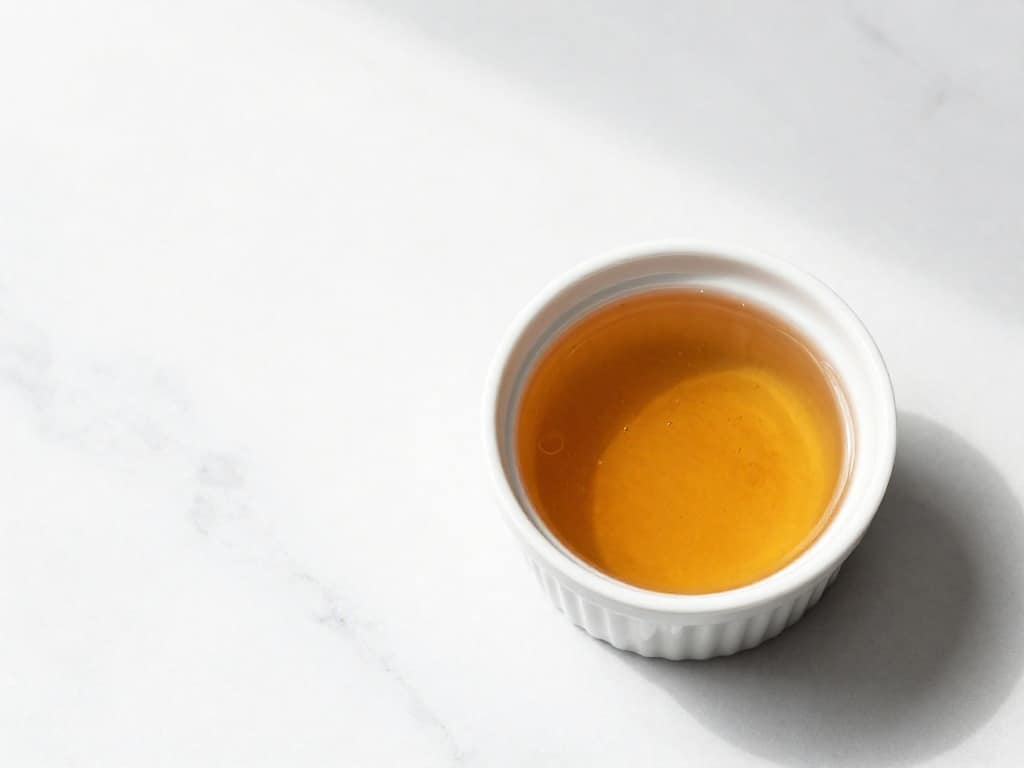
Pure maple syrup swaps in at a 1:1 ratio, making the math simple. Pure maple syrup contains sugars alongside trace minerals like manganese and zinc, and its characteristic flavor can dominate delicate recipes that depend on a neutral sweetness base.
Maple syrup works well in desserts, autumn-themed glazes, and marinades where its earthy, caramel-like taste is welcome rather than intrusive. In pancake glazes, roasted root vegetable dishes, or pecan-based baked goods, it is a natural pairing.
For a dish like a delicately flavored cream candy or a neutral Asian-style sauce, maple syrup's flavor will stand out and change the character of the dish noticeably.
Browning is also a factor. Maple syrup contains fructose and sucrose alongside glucose, and this sugar mix promotes faster caramelization at high heat.
Lower your oven temperature by about 25°F or reduce cooking time slightly to avoid over-browning. If you are working with other syrup-based substitutes regularly, the same browning adjustment applies across the board.
- Ratio: 1:1 by volume, no adjustment needed.
- Best for: Desserts, glazes, roasted vegetables, and marinades where maple flavor is a complement.
- Avoid for: Neutral-flavored sauces, clear confections, or any recipe where maple would clash with the primary flavor.
- Heat tip: Reduce oven temperature by 25°F to prevent over-browning when baking.
Use maple syrup when its flavor complements the dish. If the recipe calls for a neutral background sweetness, reach for corn syrup or glucose syrup instead.
5. Invert Sugar Blend - 1:1 Substitution
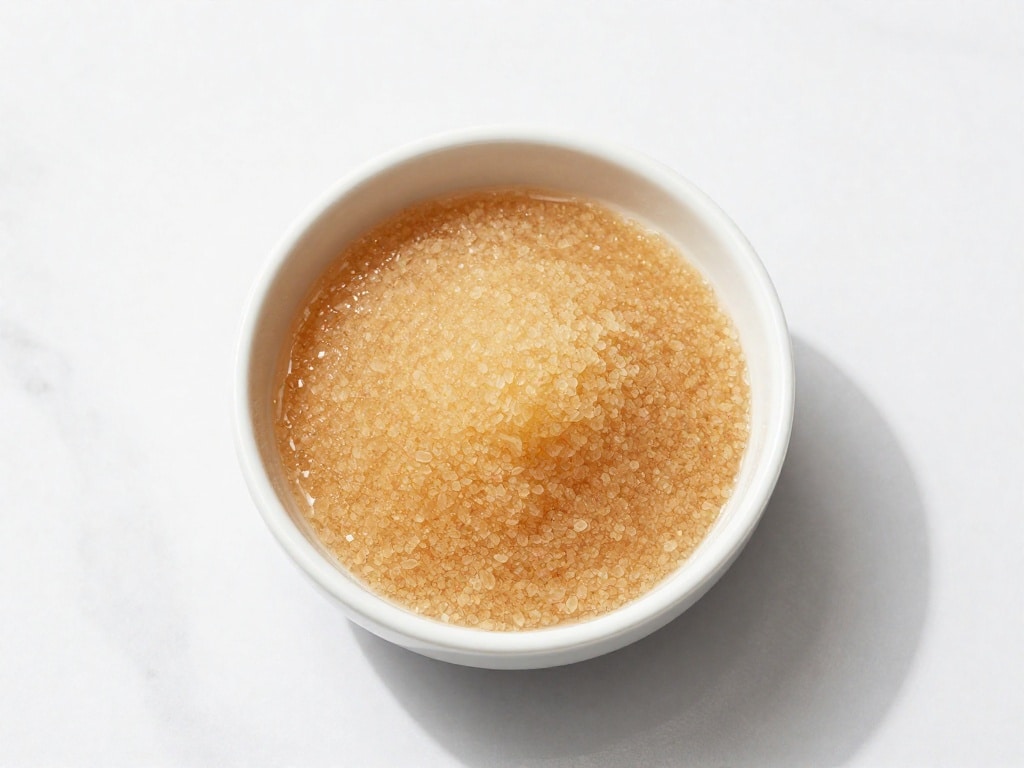
Invert sugar is a blend of glucose and fructose created by breaking down sucrose, and it shares more structural similarities with maltose than honey or maple syrup do.
Invert sugar resists crystallization and maintains moisture in baked goods, which is exactly what maltose does in traditional recipes like mooncakes and glazed char siu.
At a 1:1 ratio, invert sugar performs reliably in fudge, caramels, and any chewy candy where you need the sugar to stay soft and pliable rather than setting hard and grainy.
It also extends the shelf life of baked goods by holding onto moisture longer, which is a real advantage in cookies, brownies, and soft cakes.
The flavor of invert sugar is clean and sweet without distinctive floral or caramel notes, making it one of the most neutral substitutes on this list. That neutrality is exactly why professional pastry chefs prefer it.
For home cooks, sourcing is the main hurdle. Invert sugar is sold as Trimoline in professional baking supply shops and can be ordered online; it is not typically on supermarket shelves.
Some bakers make a simple homemade version by simmering water, sugar, and a small amount of cream of tartar or lemon juice to break the sucrose bonds. If you are already familiar with swapping specialty ingredients in confectionery work, sourcing invert sugar online is a straightforward step.
- Ratio: 1:1 by weight or volume.
- Best for: Fudge, caramels, soft cookies, chewy candy, and moisture-sensitive baked goods.
- Shelf life: Baked goods made with invert sugar stay moist for an extra 1-2 days compared to those made with granulated sugar.
- Sourcing: Look for Trimoline at baking supply shops or order online; a DIY version needs sugar, water, and a small acid like cream of tartar.
When crystallization is a risk, invert sugar is the best choice. It is ideal for fudges, caramels, and chewy textures that need to stay soft after cooling.
Decision Guide - Choose the Right Substitute
The right substitute comes down to three questions: Do you need a neutral flavor? Does the recipe depend on texture and crystallization control?
Are you comfortable reducing liquids or adjusting baking temperatures? Answering these narrows the field fast.
For recipes that need a clean, neutral sweetness with no added flavor, glucose syrup or light corn syrup are the right picks. Both swap 1:1 and perform reliably in candy, glazes, and sauces.
If flavor is welcome and the dish can carry some moisture, honey or maple syrup are solid choices with easy sourcing. For confectionery work where crystallization control is the primary concern, invert sugar is the professional-grade solution.
- Neutral flavor + candy texture: Glucose syrup or light corn syrup at 1:1.
- Floral sweetness + moisture: Honey at ¾ of the original maltose amount.
- Earthy, caramel notes + glazes: Maple syrup at 1:1, with a 25°F oven reduction.
- Crystallization control + shelf life: Invert sugar blend at 1:1.
For neutral sweetness and candy-like texture, pick glucose syrup or corn syrup. For added flavor or extra moisture in glazes and soft baked goods, choose honey or maple syrup instead.
Frequently Asked Questions
Can I use high-fructose corn syrup as a substitute?
High-fructose corn syrup has a higher fructose content and sweeter flavor than maltose. It can work in a pinch, however it may make the dish noticeably sweeter and can affect browning differently than light corn syrup.
Will honey alter texture and browning?
Yes. Honey's extra water content softens texture, and its fructose promotes faster caramelization. Reduce the oven temperature by 25°F and use only ¾ of the original maltose amount to compensate.
Is glucose syrup interchangeable with maltose in all recipes?
Glucose syrup is a very close match and works in most recipes at 1:1. The main exception is recipes specifically designed around maltose's exact disaccharide structure, such as some traditional Chinese pastries.
Can I substitute maltose with regular sugar without affecting texture?
Granulated sugar does not replicate maltose's viscosity or crystallization resistance. In candy and glazes, regular sugar will crystallize and produce a grainy texture that liquid maltose substitutes avoid.
Are these substitutions safe for all diets, including vegan and gluten-free?
Corn syrup, glucose syrup, maple syrup, and invert sugar are vegan and gluten-free. Honey is not considered vegan. All five options are naturally gluten-free, making them suitable for gluten-sensitive diets.
Gourmet Hacks: 5 BEST Maltose Substitutes
Ingredients
Method
- Choose your substitute based on the dish type and desired flavor match. Use glucose syrup or corn syrup for neutral sweetness, honey or maple syrup for flavor, and invert sugar for crystallization control.
- Prepare the substitute as directed: adjust ratios and prep as noted for each option. For honey, reduce other liquids by 1 tablespoon per ¾ cup used. For maple syrup, lower oven temperature by 25°F.
- Apply the substitution ratio carefully. Start with the stated amount and adjust to taste. Most swaps are 1:1 except honey, which uses ¾ of the original maltose measure.
- Taste and adjust seasoning. Some substitutes shift flavor or texture slightly. Honey and maple syrup will add their own notes; glucose syrup and corn syrup remain neutral.
Notes
- Light corn syrup is the easiest substitute to find and works at a 1:1 ratio with no adjustments.
- Invert sugar is the best professional-grade swap for crystallization-sensitive recipes like caramels and fudge.
- When using honey, reduce total liquid in the recipe slightly and monitor browning closely at high heat.
Tried this recipe?
Let us know how it was!
Carrie is a food writer and editor with more than 15 years of experience. She has worked for some of the biggest names in the food industry, including Bon Appétit, Food & Wine, and Martha Stewart Living.
As the Editor in Chief of EpicureDelight, Carrie oversees all of the content on the site. She also manages the team of contributing writers and editors, who help to create delicious recipes, helpful tips, and informative articles that you’ll find on the site.
A native of the Chicago area, Carrie is passionate about all things food. She loves trying new restaurants and experimenting with new recipes in her kitchen. She’s also a graduate of the Culinary Institute of America, so she knows a thing or two about food!



