
Custard powder does two things at once: it thickens a liquid base and drops in that warm vanilla note without cracking a single egg. When the tin is empty, your best custard powder substitute depends on what your recipe actually needs, because a spoonable pudding and a sliceable pie filling behave very differently under heat.
The starchy component is the non-negotiable part. Vanilla and sweetness you can tweak later, but if the thickener is wrong for the temperature, the texture suffers.
Get the ratio right first, then adjust flavor.
The closest ready-made swap is vanilla instant pudding mix at 1:1. For a DIY option, combine cornstarch, sugar, and vanilla in equal measure. Egg yolks add richness but need gentle heat. Tapioca starch and arrowroot both thicken well, each with a slightly different final texture.
5 Best Custard Powder Substitutes (with Ratios)
Every option below matches the thickening job of custard powder. The table shows what each substitute does best so you can pick without guessing.
| # | Substitute | Best For | Ratio | Key Note |
|---|---|---|---|---|
| 1 | Vanilla Instant Pudding Mix | Both | 1:1 | Reduce added sugar slightly |
| 2 | DIY Custard Powder | Both | 1:1 | Most reliable pantry fix |
| 3 | Egg Yolks | Cooked | 1 tablespoon : 1 yolk | Temper before adding |
| 4 | Cornstarch + Milk Powder | Both | 1:1 | Adds dairy body |
| 5 | Tapioca Starch + Vanilla | Pudding | 1:1 | Glossy, softer set |
1. Vanilla Instant Pudding Mix
Vanilla instant pudding mix is the fastest drop-in because it already combines a powdered thickener with sweetness and vanilla flavor, which is essentially what that starchy yellow powder in the tin delivers. If your recipe uses custard powder in a cooked pudding or pie filling, this swap holds up without any structural changes.
- Ratio: 1:1 for any custard powder amount in the recipe
- Mixing method: Whisk into cold milk before heating, exactly as you would custard powder
- Setting method: For cooked recipes, heat gently while stirring; for no-bake, stir in and chill until set
- Sweetness check: Taste before adding any extra sugar-pudding mix is already sweetened
Skip if: your recipe needs a plain, unsweetened custard base-the pudding mix flavor reads as "pudding-sweet" rather than neutral custard.
2. DIY Custard Powder
Mixing your own is the most reliable path when you want the classic thick, pale custard you get from a proper tin. The combination of cornstarch for body, a little caster sugar for sweetness, and good vanilla extract for flavor gets you to the same place as the store-bought version, and you can find pointers on swapping starch types if cornstarch is also running low.
- Ratio: 1 tablespoon custard powder = 2 teaspoon cornstarch + ½ teaspoon sugar + ¼ teaspoon vanilla extract; scale up from there
- What each part does: Cornstarch thickens; sugar adds mild sweetness; vanilla gives the signature flavor note
- Mixing step: Combine dry ingredients first, then dissolve in 2 tablespoon cold milk before adding to the recipe
- Heating step: Stir over medium-low heat until the mixture thickens and loses its raw starch taste, about 3-4 minutes
- Quick adjustment: If the custard is too thick, stir in an extra tablespoon of cold milk off the heat
Skip if: your recipe is a no-heat refrigerator set-this mix needs cooking to activate the cornstarch properly.
3. Egg Yolks
Egg yolks thicken custard through protein coagulation rather than starch, which means the final texture is silkier and slightly richer. The set is also gentler: it coats a spoon beautifully but won't slice cleanly the way a starch-thickened filling will.
Heat control is the whole game here. Knowing how powdered custard ages differently from egg-based custard is worth keeping in mind if you're storing leftovers.
Add yolks slowly to warm liquid-never boiling-or you'll scramble them before they set.
Egg Yolks
Works for: poured custard, crème brûlée base, spoonable pudding, stirred over gentle heat
Skip if: you need a firm pie filling, or you can't monitor the heat closely while stirring
- Ratio: 1 tablespoon custard powder ≈ 1 large egg yolk; keep total liquid the same
- Tempering step: Whisk yolks in a bowl, then slowly pour about ¼ cup of your warm (not boiling) milk into them before adding back to the pot
- Doneness cue: Pull off heat when the custard coats the back of a spoon and holds a line when you drag a finger through it
- If it curdles: Immediately pour through a fine sieve into a cold bowl; whisk vigorously-it often rescues early-stage curdling
Skip if: your recipe is baked in an oven at high heat-egg yolks work best with slow, stirred stovetop cooking.
4. Cornstarch + Milk Powder
Combining cornstarch with milk powder gives you the starchy thickening of custard powder plus a boost of dairy flavor that plain cornstarch alone can't deliver. The ratio stays simple: use the same total volume as your custard powder amount, split roughly two parts cornstarch to one part milk powder.
If milk powder isn't something you keep on hand, dairy powder alternatives can cover the same creamy-body role without much fuss.
- Ratio: 1 tablespoon custard powder = 2 teaspoon cornstarch + 1 teaspoon milk powder
- Mixing step: Stir both powders together dry, then dissolve in cold milk before adding to heat
- Texture result: Creamy and slightly fuller-bodied than plain cornstarch alone
- Flavor note: Add ¼ teaspoon vanilla extract per tablespoon of mix to match custard powder's flavor profile
Skip if: you're sensitive to the slightly chalky taste of milk powder-in that case, vanilla pudding mix or egg yolks will taste cleaner.
5. Tapioca Starch + Vanilla
Tapioca starch is worth choosing when you want a glossy, smooth pudding set rather than the more matte finish that cornstarch produces. It works at a 1:1 swap, and you'll want to read through the starch behavior comparison before using it in a baked recipe for the first time.
- Ratio: 1:1 tapioca starch for the custard powder amount; add ¼ teaspoon vanilla extract per tablespoon
- Cook time: Stir over medium heat for 4-6 minutes until the mixture shifts from cloudy to glossy
- Texture expectations: Slightly softer and more translucent than a cornstarch custard; spoonable, not sliceable
- Reheating note: Tapioca set can thin out if aggressively reheated-warm gently over low heat
Skip if: you need a firm pie filling that holds a clean slice-tapioca stays softer and may weep at the edges.
Making Custard Powder Substitutes Work
The universal method is the same regardless of which swap you choose: dissolve the substitute in cold liquid first, then add it to the pot. Whisking into cold milk prevents lumps from forming before heat reaches the starch granules.
For gentler thickener options, this cold-start step is especially important because they activate at lower temperatures than cornstarch. Once the mixture is on the heat, stir constantly at medium-low-patience here matters more than high heat.
- Adjust sweetness last: Taste after the mixture thickens; pudding mix and DIY blends vary in sweetness, so add sugar in small increments rather than upfront
- Vanilla timing: If using plain starch-based swaps, stir in fresh-potency vanilla off the heat at the end to keep the flavor bright and unevaporated
- Thickness fix: If your custard sets too firm after chilling, whisk in 1-2 tablespoon warm milk and stir gently to loosen; if too thin, return to low heat and stir for 2 more minutes before chilling again
Frequently Asked Questions
Yes, cornstarch works 1:1 for thickness, but it adds no vanilla flavor or sweetness. Stir in ¼ teaspoon vanilla extract and a small pinch of sugar per tablespoon to get closer to the original profile.
DIY custard powder (cornstarch plus sugar plus vanilla) is the most reliable for pie filling because it sets firmly enough to slice. Avoid tapioca starch, which stays too soft for a clean-cut filling.
Lumps form when starch hits hot liquid before it's dissolved. Always whisk your substitute into cold milk first, then add the cold mixture to the warm pot while stirring continuously.
Yes, if you temper them. Pour a small amount of warm milk into the yolks first, then add that mixture back to the pot. Keep heat at medium-low and never let it boil.
Taste after the mixture thickens, not before. Vanilla pudding mix adds the most sweetness, so reduce recipe sugar by 5-10%. Plain starch-based swaps are neutral and need sugar added back in.
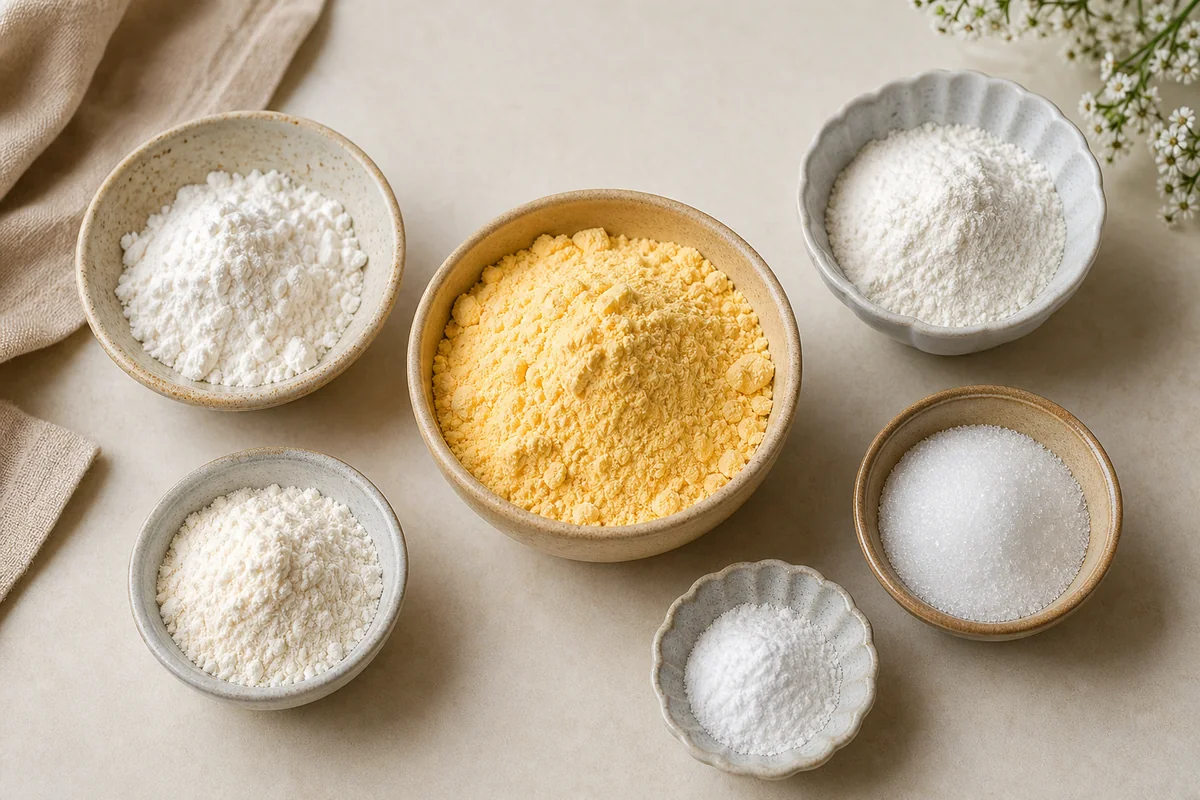
5 Best Custard Powder Substitutes (with Ratios)
Ingredients
Equipment
Method
- Identify your dish goal (sliceable filling vs creamy spoonable custard) and pick the closest substitute from the table.
- Use the listed ratio for each tablespoon/amount of custard powder in your recipe.
- Whisk the substitute into cold milk (or temper egg yolks with warm milk) to prevent lumps.
- Heat gently while stirring until thick enough to coat a spoon; if using egg yolks, stop before simmering.
- Taste and adjust sweetness/vanilla, then cool or chill according to your recipe’s setting method.
Notes
- For thickening: cook until glossy and spoon-coating; for a set dessert: chill to firm further.
- If your custard powder is flavored (vanilla vs other): add the matching flavor extract/paste to your substitute.
Tried this recipe?
Let us know how it was!
Carrie is a food writer and editor with more than 15 years of experience. She has worked for some of the biggest names in the food industry, including Bon Appétit, Food & Wine, and Martha Stewart Living.
As the Editor in Chief of EpicureDelight, Carrie oversees all of the content on the site. She also manages the team of contributing writers and editors, who help to create delicious recipes, helpful tips, and informative articles that you’ll find on the site.
A native of the Chicago area, Carrie is passionate about all things food. She loves trying new restaurants and experimenting with new recipes in her kitchen. She’s also a graduate of the Culinary Institute of America, so she knows a thing or two about food!



