
Rocoto peppers have a quality that most chilies don't: thick flesh, round fruity heat, and enough body to hold up a sauce on their own. Finding a good rocoto pepper substitute means matching more than just Scoville units.
You need the right texture, the right heat shape, and the right flavor base.
The swap you choose matters most based on how the recipe uses rocoto. Fresh, chopped rocoto needs a pepper with similar snap and fruitiness.
Cooked or blended rocoto needs body and depth. Use the quick summary below to orient yourself before picking.
The best rocoto pepper substitutes are jalapeño and serrano for fresh dishes, habanero blended with roasted bell pepper for cooked sauces, and guajillo or cayenne plus tomato paste for deep, slow-cooked flavor. Match texture and heat shape, not just spice level.
5 Best Rocoto Pepper Substitutes Ranked by Use
These five swaps cover every recipe format, from raw salsa to slow braises. Use the table as your starting ratio guide, then read the section for each substitute to fine-tune.
| # | Substitute | Best For | Ratio | Key Note |
|---|---|---|---|---|
| 1 | Jalapeño (fresh) | Fresh + Cooked | 1:1 | Seed to control heat |
| 2 | Serrano (fresh) | Fresh + Quick Cook | ¾:1 | Sharper heat curve |
| 3 | Habanero + bell pepper | Sauce + Paste | ¾:1 | Blend for body |
| 4 | Fresno or Aji + chili powder | Both | 1:1 | Add powder in increments |
| 5 | Guajillo + smoked chili powder | Cooked Only | 1:1 | Must rehydrate first |
1. Jalapeño
Jalapeño is the easiest fresh swap for rocoto. It has a similar green, fruity chili bite and holds its shape when chopped.
The jalapeño versus habanero heat gap is wide, so jalapeño stays in a manageable range for most home cooks.
- Best use: Raw salsas, chopped toppings, quick stir-fries
- Ratio: Start 1:1, then taste before adding more
- Heat note: Remove seeds and inner membrane to soften the sharpness
- Micro-adjust: Add a thin strip of roasted bell pepper if the chopped jalapeño feels too thin-bodied
Skip if: your recipe depends on rocoto's thick, round flesh for visible texture. Jalapeño is thinner-walled and won't replicate that heft in sliced presentations.
2. Serrano
Serrano brings brightness that rocoto doesn't quite have, which makes it a sharp but useful swap. Use it when a recipe benefits from that clean, almost acidic chili note.
If you want to explore choosing serrano alternatives yourself, that comparison is worth checking before committing.
- Ratio: Use ¾ the amount of rocoto called for, then taste
- Flavor note: Brighter and more acidic than rocoto, less rounded
- Best recipe types: Quick salsa, stir-fries, fresh ceviche toppings
- Adjustment: A pinch of sugar or a small squeeze of lime softens the sharp edge
Skip if: you're making a slow braise where serrano's brightness turns hollow. Guajillo or cayenne with tomato paste will serve that dish better.
3. Habanero + Roasted Bell Pepper
Habanero alone runs two to three times hotter than rocoto, which makes it a poor solo swap. The fix is blending it with roasted bell pepper, which restores rocoto's thick, rounded body without dimming the heat to zero.
For sauces and pastes, this blend is the closest match to rocoto's weight. The sweet pepper swap options page covers roasted bell pepper in more depth if you need a specific variety recommendation.
Habanero Alone
Works for: adding intense heat quickly to small portions
Skip if: the recipe needs rocoto's body-standalone habanero is thin and overwhelming
Habanero + Roasted Bell Pepper Blend
Works for: sauces, braises, chili pastes where thick body matters
Skip if: the dish needs visible chopped pepper-use jalapeño or serrano instead
- Blend ratio: 1 part habanero to 2 parts roasted bell pepper, blended smooth
- Starting swap ratio: ¾ of the rocoto amount called for
- Best uses: Chili paste, braised meat sauces, cooked pepper base
- Texture step: Blend until silky, then strain if your recipe needs a smoother sauce
4. Fresno or Aji Pepper
Fresno peppers have a mild, fruity character that sits close to rocoto's flavor shape. Seeded Aji peppers do the same job.
Both keep the dish feeling pepper-forward rather than generically spicy. The bright fruity flesh of Fresno is one reason it works so well here.
The main gap is heat. Fresno and Aji run milder, so a pinch of chili powder closes the distance.
Add the powder in small increments, not all at once.
- Ratio: 1:1 for the pepper, then add chili powder in ⅛ teaspoon increments
- When to add the powder: Stir it in after the pepper cooks for 1 minute, not at the start
- Best recipe types: Salsas, quick braises, stuffed pepper dishes, stews
Skip if: the recipe needs thick rocoto-style slices for visual presentation. Fresno is thinner-walled and won't hold its shape the same way in a stuffed preparation.
5. Guajillo + Smoked Chili Powder
Guajillo is a dried chili, so it won't replicate rocoto's fresh bite. What it does well is replace the depth and color that rocoto brings to slow-cooked sauces and braises.
Knowing how to store this dried red chile properly matters, since stale guajillo loses its flavor fast.
- How to rehydrate: Soak in boiling water for 15-20 minutes, then drain and blend
- Starting ratio: 1:1 by volume of rehydrated guajillo to rocoto
- When to add smoke: Stir in smoked chili powder only after the guajillo is blended, starting with ¼ tsp
- Best use cases: Mole-style sauces, braised short ribs, slow-cooked chili, enchilada sauce
Skip if: your recipe is raw or cold. Guajillo is a cooked-sauce tool only.
Making Rocoto Pepper Substitutes Work in Real Recipes
Three levers control how well any substitute lands: heat level, body, and flavor balance. Heat is the easiest to overshoot because rocoto's thick flesh slows heat release.
Thinner peppers like serrano or cayenne hit faster. Add body with roasted bell pepper or tomato paste, and use dry spice alternatives to reach the right depth when swapping in milder peppers.
If you're working with a cooked dish, the taste window you use matters. A sub that seems too mild raw can sharpen considerably after simmering.
- Taste after cooking: Wait 2-3 minutes of simmering before adjusting heat, not immediately after adding
- Fix too-hot subs: Stir in a tablespoon of tomato paste or a small strip of roasted bell pepper to round out sharp spikes
- Fix too-mild subs: Add chili powder in ⅛ teaspoon steps, tasting between each, rather than adding a full pinch all at once
Frequently Asked Questions
Jalapeño is the closest match for fresh, chopped use. Start at a 1:1 ratio and remove seeds if you want a milder heat curve similar to rocoto's rounded bite.
Yes, but blend it with roasted bell pepper at a 1:2 ratio before using. This cuts habanero's intensity and restores the thick, rounded body rocoto brings to sauces.
Soak guajillo in boiling water for 15-20 minutes, drain, and blend it smooth. Add a ¼ teaspoon of smoked chili powder after blending to recover some of rocoto's heat depth.
Start at ½:1 for cayenne because it heats up fast. Add 1 tablespoon of tomato paste per serving to restore body, then taste before adjusting further.
Stir in a tablespoon of tomato paste or a strip of blended roasted bell pepper. Both add body and round down sharp heat without diluting the dish's overall flavor.
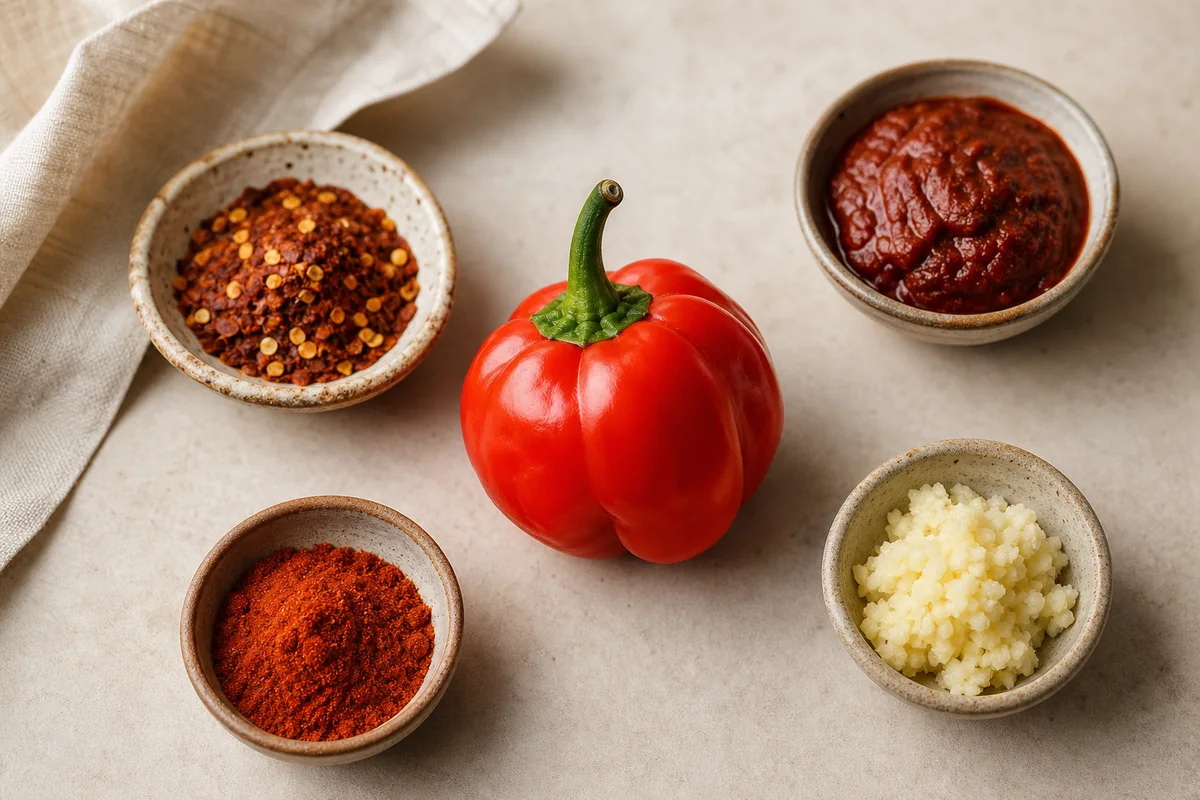
5 Best Rocoto Pepper Substitutes for Any Recipe
Ingredients
Equipment
Method
- Choose your target texture: fresh-chopped (crisp heat) or blended/cooked (thick chili depth).
- Use the table ratio as a starting point, then adjust in small increments after tasting.
- If the substitute is hotter than rocoto (like habanero or cayenne), mix with roasted bell pepper or tomato paste to round it out.
- If the substitute is milder or less fruity (like guajillo), rehydrate/broach with a little acid or smoke to restore depth.
- Re-taste after 2–3 minutes of cooking if your dish is heated, because heat perception changes with simmering.
Notes
- Rocoto is thick and fruity with medium-to-high heat; the closest substitute preserves both texture and flavor—not just Scoville heat.
Tried this recipe?
Let us know how it was!
Carrie is a food writer and editor with more than 15 years of experience. She has worked for some of the biggest names in the food industry, including Bon Appétit, Food & Wine, and Martha Stewart Living.
As the Editor in Chief of EpicureDelight, Carrie oversees all of the content on the site. She also manages the team of contributing writers and editors, who help to create delicious recipes, helpful tips, and informative articles that you’ll find on the site.
A native of the Chicago area, Carrie is passionate about all things food. She loves trying new restaurants and experimenting with new recipes in her kitchen. She’s also a graduate of the Culinary Institute of America, so she knows a thing or two about food!



