
Toma is a Northern Italian semi-soft cheese with a mild, milky tang and a melt that goes smooth without turning greasy. Finding a good toma cheese substitute means matching three things: how much tang the cheese carries, how it behaves under heat, and how salty it is.
Get those three right and most recipes won't notice the swap.
The cheese you reach for should also fit your prep style. Melting calls for a different pick than slicing for a cheese board.
Understanding toma's flavor profile before you substitute helps narrow the field fast.
The best toma cheese alternatives are low-moisture mozzarella, mild provolone, fontina, young gouda, and Monterey Jack. Match your pick to the job: mozzarella and provolone for clean melt, fontina for creamier bakes, gouda for sandwiches, and jack when you need a neutral, reliable base.
Toma Cheese Substitutes (Closest Swaps by Texture and Melt)
Each option below is scored by melt behavior, tang level, and how close it sits to toma's salt level. Use the table to pick fast, then read the section for detail.
| # | Substitute | Best For | Ratio | Key Note |
|---|---|---|---|---|
| 1 | Mozzarella (low-moisture) | Melt / Bake | 1:1 | Add tang if needed |
| 2 | Provolone (mild) | Slice / Melt | 1:1 | Closest tang match |
| 3 | Fontina | Bake / Melt | 1:1 | Richer, watch salt |
| 4 | Gouda (young) | Sandwich / Bake | 1:1 | Avoid aged versions |
| 5 | Monterey Jack | Melt / Topping | 1:1 | Very mild; add tang |
1. Mozzarella (Low-Moisture)
Low-moisture mozzarella is the easiest drop-in for melting applications. It pulls and stretches without separating, and you can store mozzarella correctly to keep it fresh until you're ready to cook.
The flavor is milder than toma, so a small acid adjustment goes a long way.
- Best use: Pizza, baked pasta, or any dish where smooth melt matters most.
- Ratio: Use 1:1 by weight or volume.
- Tang fix: Add a small squeeze of lemon juice or a few drops of white vinegar to the dish if toma's tang is expected.
- Browning: Low-moisture mozzarella browns well under heat; part-skim browns a little faster than whole-milk.
Skip if: You need a noticeable tang or mild sharpness in every bite. Mozzarella is very neutral and the gap will show in cheese-forward recipes.
2. Provolone (Mild)
Mild provolone sits very close to toma in terms of salt level and tang. It slices cleanly, melts without breaking, and browns with a slightly golden finish that toma shares.
If you're swapping out provolone in another recipe, the same logic runs in reverse here.
Mild Provolone vs. Toma
Works for: sliced cheese boards, baked pasta, sandwiches, pizza toppings
Skip if: your dish needs a very creamy, spreadable texture or high moisture melt
- Slice thickness: Thin slices (about 3mm) melt faster and more evenly in baked dishes.
- Browning: Expect a light golden top, similar to toma's bake behavior.
- Salt: Provolone can run slightly saltier than toma; taste before adding extra salt to the dish.
- Tang: Mild provolone needs no tang correction in most recipes.
3. Fontina
Fontina melts into a smooth, almost flowing pool and makes baked dishes feel noticeably creamier. If you want to know more about fontina's flavor notes before committing, it carries a light nuttiness that toma doesn't have.
- Best dishes: Gratins, baked pasta, fondue-style sauces, and flatbreads.
- Nuttiness: The flavor is slightly nuttier than toma; it reads as depth, not a distraction in most recipes.
- Salt control: Fontina tastes richer, so reduce any added salt in the recipe by a pinch before tasting.
- Ratio: Use 1:1 by weight; the creamier result means you may want slightly less for very rich sauces.
Skip if: Your dish is low-fat or needs a clean, neutral background flavor. Fontina's richness is present and intentional.
4. Gouda (Young)
Young gouda is a solid pick for sandwiches and baked toppings where you want a mild, buttery melt. Look at gouda swap options if you need to go further down the substitution chain.
The younger the wheel, the closer it sits to toma's straightforward mild flavor.
- Selecting young gouda: Look for labels that say "young," "mild," or show a wax rind (usually yellow or red). Avoid anything labeled "aged," "smoked," or "reserve."
- Caramel notes: Younger gouda has almost none; as it ages, a butterscotch-like sweetness appears that can shift a savory dish noticeably.
- Sandwiches: Excellent. Thin-sliced young gouda melts evenly in a grilled sandwich and doesn't pool.
- Baked toppings: Works well, but grate it first for even coverage and faster melt.
Skip if: You only have aged gouda. Its caramel and sweet depth will push the dish in a different direction than toma would.
5. Monterey Jack
Monterey Jack is a dependable, mild-melting cheese that works whenever you need toma's texture without strong flavor. When picking a jack alternative feels overly complicated, this is usually the cheese people default back to.
| Use | Ratio | Notes |
|---|---|---|
| Grated topping (bake) | 1:1 | Monterey Jack; grate fine for fast, even melt |
| Sliced (sandwich) | 1:1 | Monterey Jack; slice at 4mm for best melt without sogging bread |
| Sauce base | 1:1 | Monterey Jack; melt low and slow to avoid graininess |
- Tang add-in: A small splash of lemon juice (about 1 teaspoon per cup of cheese) restores the mild tang toma carries.
- Salt: Jack is lightly salted; taste the dish before adding extra, but you may need a pinch.
- Texture: Very smooth melt with no grease separation when heated gently.
Skip if: The recipe has no other tang sources and cheese flavor is the main event. Jack needs a little help to carry flavor on its own.
Making Toma Cheese Substitutes Work
The biggest mistake people make is swapping by volume without thinking about salt and tang. Most of these substitutes use a 1:1 ratio by weight, but mild cheddar is the exception: start at ¾:1 since cheddar tends to be sharper and saltier.
If you notice similar creamier cheese swaps calling for fat reduction, the same idea applies here. Thin slices and fine grating both speed up melt and even out texture in baked dishes.
When choosing between gouda or mozzarella for a pasta bake, consider picking a tangy counterpart in the sauce to compensate for the cheese swap's milder profile.
- Tang correction: Add lemon juice or white vinegar in ½ teaspoon increments, tasting after each addition, until the dish matches the tang you expect from toma.
- Salt check: Always taste after melting. Cheddar and provolone run saltier; mozzarella and jack may need a pinch more seasoning.
- Melt improvement: Grate or slice thin before adding to heat. Thick chunks melt unevenly and can leave rubbery spots in baked dishes.
Frequently Asked Questions
Low-moisture mozzarella is the top pick for melting. It pulls smoothly without grease separation and browns well in the oven, very close to how toma behaves under heat.
Add lemon juice or white vinegar in ½ teaspoon increments directly to the dish. Taste after each addition and stop when the sharpness matches what toma would bring.
Mozzarella melts more smoothly in pasta bakes. Young gouda works too, but grate it fine so it melts evenly rather than sitting in clumps.
Yes, mild cheddar works in grilled and baked dishes. Start at a ¾:1 ratio because cheddar is saltier and sharper than toma, then adjust to taste.
Grate or slice thin before adding to heat. Fine grating doubles the surface area, so the cheese melts faster and spreads without clumping or rubbery spots.
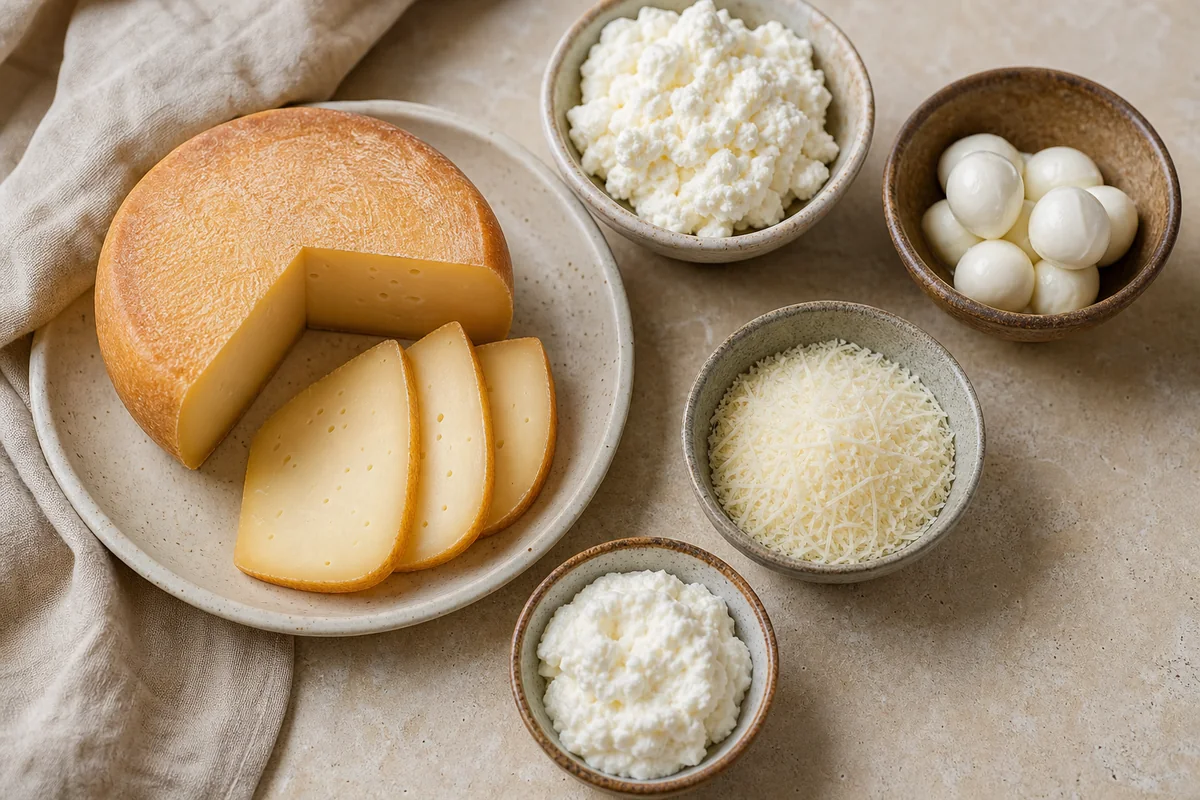
5 Best Toma Cheese Substitutes Worth Trying
Ingredients
Equipment
Method
- Decide how you’re using toma cheese: melting (pizza/bake) vs. slicing (snacks/sandwiches).
- Use the ratio in the table: start with 1:1 for mild melters, or use ¾:1 for sharper swaps like mild cheddar.
- If the substitute tastes flatter than toma, add tang in small steps (a pinch of lemon juice or a tiny splash of vinegar).
- For better melt, grate the cheese or slice thin; for less melt, keep it thicker slices.
- Taste and adjust salt: some substitutes (like cheddar) bring extra saltiness; others (like mozzarella) may need a pinch more seasoning.
Notes
- Toma cheese is typically mild and tangy; prioritize melt quality and a similar tang level.
- For baked dishes, thinner slices or grated cheese help the substitute melt evenly.
Tried this recipe?
Let us know how it was!
Carrie is a food writer and editor with more than 15 years of experience. She has worked for some of the biggest names in the food industry, including Bon Appétit, Food & Wine, and Martha Stewart Living.
As the Editor in Chief of EpicureDelight, Carrie oversees all of the content on the site. She also manages the team of contributing writers and editors, who help to create delicious recipes, helpful tips, and informative articles that you’ll find on the site.
A native of the Chicago area, Carrie is passionate about all things food. She loves trying new restaurants and experimenting with new recipes in her kitchen. She’s also a graduate of the Culinary Institute of America, so she knows a thing or two about food!



