
Sun-dried tomatoes bring a concentrated, tangy-sweet depth that is hard to replicate - and nearly impossible to ignore when a recipe calls for them.
That deep red chewiness comes from tomatoes losing roughly 90% of their water content during drying, which intensifies every flavor compound left behind.
Running out mid-recipe is genuinely frustrating, especially when you are halfway through a pasta sauce or Tuscan chicken dish that depends on them.
The good news is that several pantry staples can step in and do a respectable job, depending on what the recipe actually needs from the tomato - body, acidity, sweetness, or chew.
This guide covers seven specific substitutes, with clear guidance on ratios, textures, and which dishes each swap suits best.
The best substitutes for sun-dried tomatoes include homemade oven-dried tomatoes, canned tomatoes, tomato paste, semi-dried tomatoes, fresh tomatoes, tomato puree, and tamarind paste. Each option replicates a different quality - chew, acidity, or concentrated flavor - so your best pick depends on the dish.
What are Sun-dried Tomatoes?
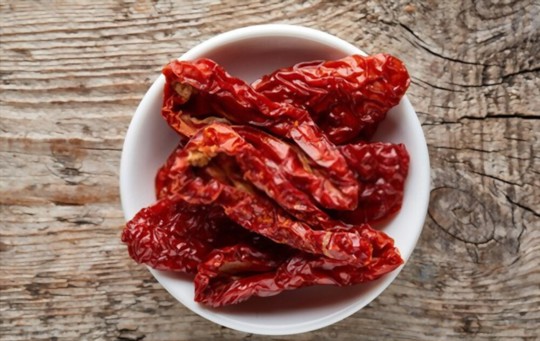
Sun-dried tomatoes are tomatoes that have been dried - traditionally in the sun, now often in ovens or dehydrators - to remove nearly all their moisture. That drying process transforms a mild fresh tomato into something chewy, leathery, and intensely savory.
The color deepens to a dark, brick red, and the flavor becomes sweet and concentrated with a noticeable tang. They are nothing like eating a fresh tomato.
The practice of sun-drying tomatoes originated in the Mediterranean region, where drying fruits and vegetables in summer heat was a centuries-old method of preservation. They arrived in American grocery stores in the 1970s and became a staple of Italian-American cooking.
Sun-dried tomatoes work across a wide range of dishes - pasta sauces, salads, antipasto boards, sandwiches, and wraps.
Their concentrated flavor means a small amount goes a long way, which is part of what makes them so useful in recipes like dishes that rely on rich tomato flavor.
Sun-dried tomatoes packed in oil are ready to use straight from the jar. Dry-packed ones need 20-30 minutes of soaking in warm water before they soften enough to chop or blend.
7 Top Substitutes for Sun-Dried Tomatoes
1. Homemade Sun-dried Tomatoes
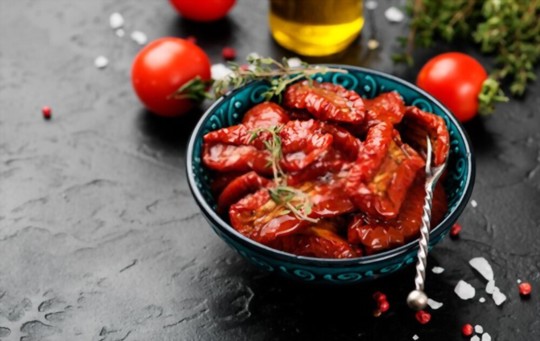
If you have ripe tomatoes on hand, making your own dried tomatoes at home is the closest possible match for the real thing. You control the flavor, the texture, and the level of dryness - none of which you can adjust with a store-bought jar.
Homemade versions often taste richer and more complex than commercial sun-dried tomatoes, simply because you can use fully ripe fruit at peak season.
The process is straightforward. Slice ripe tomatoes into thin rounds, sprinkle lightly with salt, a touch of sugar, and a splash of vinegar, then place them on a rack in an oven set to its lowest setting - usually around 170°F to 200°F.
Dry them for 6 to 8 hours until wrinkled, leathery, and slightly pliable. They should not be brittle.
Store in an airtight container in a cool, dark place, or submerge in olive oil and refrigerate for up to two weeks.
This option works best when you have a little time and want an exact flavor match. It is less practical for a mid-recipe emergency, but perfect for batch-prepping on a weekend.
2. Canned Tomatoes
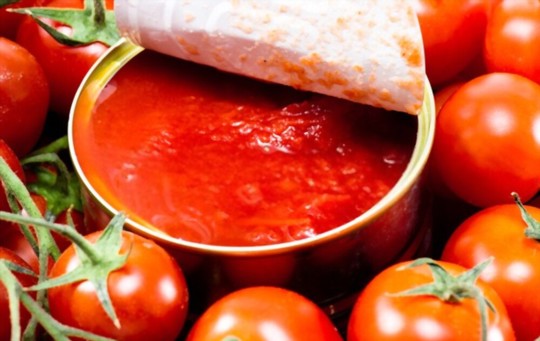
Canned tomatoes lack the intensity of sun-dried, however they bring genuine tomato flavor and are ready to use immediately - no rehydrating, no soaking, no extra prep. That convenience alone makes them worth keeping in mind.
The style you choose matters. Diced tomatoes work well in soups and stews.
Crushed tomatoes suit pasta sauces. Whole peeled tomatoes give you flexibility - you can break them down or chop them to the size you need.
For substitution, use an equal amount by volume. If a recipe calls for ½ cup of sun-dried tomatoes, use ½ cup of drained canned tomatoes.
Draining is important - excess liquid will thin your sauce or water down a salad.
Canned tomatoes will not replicate the chewy texture or the deep sweetness of sun-dried, but they keep the tomato identity of a dish intact. They are a solid fallback when texture is not the priority.
If you are exploring other tomato-based swaps, grain-based hearty dishes sometimes pair well with canned varieties as a base ingredient.
3. Tomato Puree

Tomato puree is cooked and strained to a smooth, pourable consistency - it has the flavor of ripe tomatoes without any of the texture.
That makes it a useful swap in dishes where sun-dried tomatoes are blended or stirred into a sauce rather than left whole.
The main thing you lose is chew and body. Tomato puree will not give you the chewy bits that sun-dried tomatoes add to a pasta dish or salad.
To substitute, add tomato puree directly in place of chopped sun-dried tomatoes. If the puree is too thin for your recipe, simmer it down for a few minutes to reduce and concentrate the flavor.
You can also add a small pinch of sugar to mimic the slight sweetness of dried tomatoes.
Tomato puree works best in pasta sauces, soups, and braises where the liquid will absorb into the dish anyway. It is less suited to cold preparations like salads or antipasto platters where texture matters.
Tomato puree adds moisture that sun-dried tomatoes do not. If you swap them in a baked dish or a thick sauce, reduce the other liquids slightly or simmer longer to compensate.
4. Fresh Tomatoes
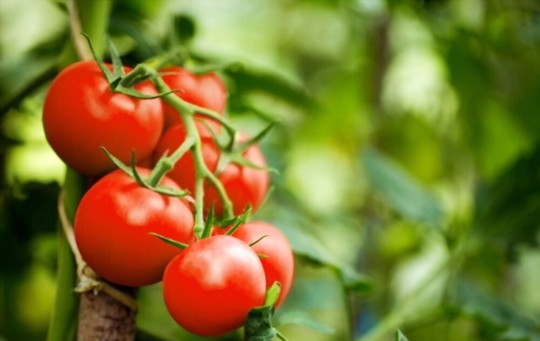
Fresh tomatoes are the most widely available substitute, and they work well in dishes where you want brightness and a lighter tomato flavor rather than intense concentration. The trade-off is obvious: fresh tomatoes contain far more water and far less sugar than sun-dried.
Variety makes a real difference here. Roma tomatoes are meatier with less water content, which makes them a better swap than a standard beefsteak.
Cherry tomatoes offer natural sweetness that comes closest to the sun-dried profile when ripe.
Dice them and add them directly to your recipe in equal amounts. If your dish is a cooked sauce, the extra moisture will cook off.
For raw preparations like salads, you may want to seed the tomatoes first to keep things from getting watery.
Fresh tomatoes work particularly well when substituting in summer salads, bruschetta toppings, or light pasta dishes. They are not ideal for dishes like pesto or spreads where you need concentrated flavor with minimal liquid, such as when making substitutions similar to swapping thick paste-style ingredients.
5. Semi-Dried Tomatoes
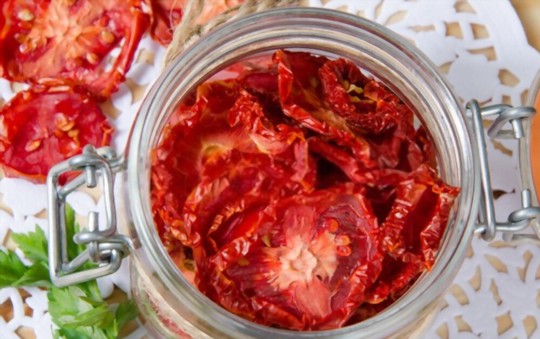
Semi-dried tomatoes sit exactly between fresh and fully dried - they have lost enough moisture to concentrate their flavor, however they retain enough to stay soft and pliable. That texture is the closest thing to sun-dried tomatoes you can buy off the shelf.
The flavor is intensely sweet and slightly tangy, which makes semi-dried tomatoes excellent in pasta, grain salads, and flatbreads where you want visible tomato pieces with real bite.
Find them in the dried fruit aisle or near the olive bar at most grocery stores. They are typically more affordable than oil-packed sun-dried tomatoes, and they keep well in the refrigerator once opened.
To use them as a substitute, chop and add in equal amounts to whatever the recipe specifies. No soaking needed.
Semi-dried tomatoes hold their shape well during cooking, which makes them one of the best texture-preserving swaps on this list. They are also a natural fit for dishes that explore what alternatives work for bold, oil-based condiments alongside other Mediterranean ingredients.
6. Tomato Paste
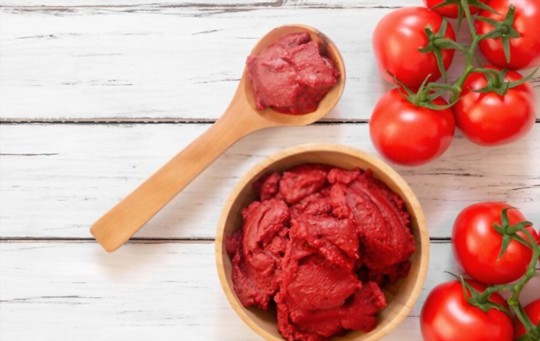
Tomato paste is tomatoes cooked down and reduced to a thick, deeply concentrated form - sometimes triple-cooked to remove nearly all water. It has a dark red color, a slightly sweet and savory flavor, and real umami depth that sun-dried tomatoes also carry.
Use 1 tablespoon of tomato paste for every 2 to 3 sun-dried tomato halves the recipe calls for. Tomato paste dissolves into sauces and soups seamlessly, which is exactly what makes it a strong swap in cooked applications.
Texture is where the comparison breaks down. Tomato paste is smooth and spreadable, not chewy.
It cannot replicate the bite of a sun-dried tomato in a salad or on a pizza where those pieces are meant to be visible and substantial.
For pesto, pasta sauces, and braised dishes, tomato paste is genuinely excellent as a substitute. It also works as a thickening agent in sauces that need body, which is an added advantage over other swaps on this list.
Stir it into the pan with a little oil and toast it for 60 seconds before adding liquid - that step deepens its flavor considerably.
7. Tamarind Paste
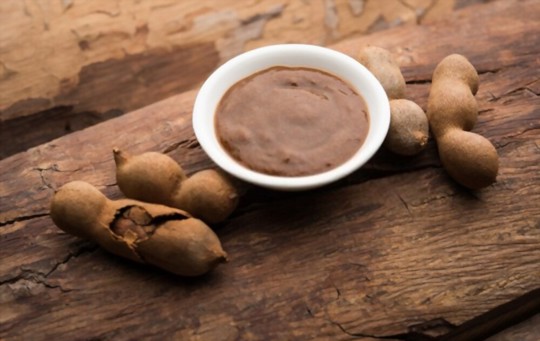
Tamarind paste is made from the pulp of the tamarind pod, soaked in water and strained until thick and dark brown. It is common in South Asian, Mexican, and Middle Eastern cooking, where it adds a tart, fruity sourness to sauces and marinades.
The connection to sun-dried tomatoes is the tangy, slightly sweet acidity both share. Tamarind will not make your dish taste like tomatoes, however it preserves the sharp, bright flavor note that sun-dried tomatoes contribute to a recipe.
To use it as a substitute, soak tamarind paste in warm water for 10 minutes to soften, then drain and chop or mash into small pieces.
Start with half the amount the recipe calls for - tamarind is more intensely sour than sun-dried tomatoes, and a little goes further.
Tamarind paste works best in cooked dishes: pasta sauces, marinades, grain salads, and curries. It is a genuinely interesting swap that adds complexity without reading as a direct replacement.
Think of it as a flavor bridge rather than a like-for-like match - similar to how potato substitutes serve the structural role without being identical.
Choosing the Right Sun-Dried Tomato Substitute
Each of these seven options fills a different gap. The best pick depends on what your recipe actually needs from the sun-dried tomatoes - whether that is concentrated flavor, chewy texture, bright acidity, or just some tomato presence in the background.
For texture-forward dishes like pasta salads or antipasto plates, semi-dried tomatoes or homemade oven-dried tomatoes are your best options. For sauces, soups, and braised dishes, tomato paste or tomato puree deliver concentrated flavor without any prep work.
Fresh and canned tomatoes work when you need a quick fix and the dish has enough cooking time to concentrate their flavor naturally. Tamarind paste is the wildcard - it changes the flavor profile noticeably, however it preserves the acidic complexity that makes sun-dried tomatoes distinctive.
Knowing which quality matters most in your specific recipe is the key to picking the right swap, much like choosing among stewed tomato alternatives for cooked applications.
When you need the closest flavor match fast, reach for semi-dried tomatoes - no soaking, no reducing, just chop and add. They are sold year-round and cost less than oil-packed sun-dried tomatoes.
More From EpicureDelight
The Complete Ingredient Substitutes Guide - your complete resource for this topic.
Frequently Asked Questions
What is the best substitute for sun-dried tomatoes in pasta sauces?
Tomato paste is the strongest swap for pasta sauces - use 1 tablespoon per 2-3 sun-dried tomato halves and toast it in oil first to deepen the flavor.
Can I substitute sun-dried tomatoes with fresh tomatoes in baking?
You can, however fresh tomatoes add significant moisture. Seed them first and reduce other liquids by about 2 tablespoons to prevent a soggy result.
Which substitutes preserve texture in sun-dried tomato recipes?
Semi-dried tomatoes are the best texture match - they are soft, pliable, and hold their shape during cooking, unlike tomato paste or puree.
Is tomato paste a good substitute for sun-dried tomatoes in pesto?
Yes - use about 1 tablespoon of tomato paste per 3 sun-dried tomato halves. It blends smoothly and delivers the concentrated flavor pesto needs.
How do you rehydrate sun-dried tomatoes or their substitutes?
Soak dry-packed sun-dried tomatoes in warm water for 20-30 minutes. Tamarind paste softens in 10 minutes. Oil-packed tomatoes and semi-dried tomatoes need no soaking.
Save This for Later
Pin this savory tweaks: 7 best substitutes for sun-dried tomatoes guide so you always have it when you need it.

Carrie is a food writer and editor with more than 15 years of experience. She has worked for some of the biggest names in the food industry, including Bon Appétit, Food & Wine, and Martha Stewart Living.
As the Editor in Chief of EpicureDelight, Carrie oversees all of the content on the site. She also manages the team of contributing writers and editors, who help to create delicious recipes, helpful tips, and informative articles that you’ll find on the site.
A native of the Chicago area, Carrie is passionate about all things food. She loves trying new restaurants and experimenting with new recipes in her kitchen. She’s also a graduate of the Culinary Institute of America, so she knows a thing or two about food!



