Unopened commercial triple sec can keep for years in a cool dark cabinet. Once opened, most bottles deliver their best orange flavor for about 1 to 2 years, depending on alcohol strength, closure, headspace, and storage.
Triple sec usually loses fresh orange aroma before it becomes unsafe. A lower-proof product, homemade orange liqueur, and a 40 percent alcohol bottle need separate judgments, so read your label before using a general clock.

Commercial triple sec keeps well because alcohol and sugar slow spoilage, but oxygen gradually removes its bright peel aroma. Date the bottle, protect the cap, and judge faded flavor separately from growth, debris, or leakage.
Does Triple Sec Go Bad or Just Lose Flavor?
An old bottle can still taste sweet and alcoholic while barely smelling of orange peel. The most volatile citrus compounds escape or oxidize after repeated pours, so aroma often declines before the base liqueur shows a safety problem.
That change is easiest to notice in a simple drink, where triple sec supplies a clear orange top note. Baking and sauces can hide a weak bottle because heat, zest, fruit, and spices add other aromas.
Commercial bottles have a strong preservative base
Alcohol, sugar, and a sealed package make commercial orange liqueur relatively stable. Faded flavor is a quality verdict, not an automatic sign that the bottle is dangerous.
If you only need citrus aroma in a cake, an option from our orange extract replacements may solve that narrow job. It will not replace triple sec's alcohol, sugar, or liquid volume.
Homemade liqueur needs its own tested clock
Fresh peel, juice, fruit solids, final proof, sugar, and sanitation can all shorten a homemade bottle's life. Follow the tested recipe instead of borrowing a commercial brand's two-year quality guidance.
Cream liqueur is another separate category because dairy changes the safety question. The handling rules for cream liqueur should not be applied to clear commercial triple sec, or reversed.
How Long Does Triple Sec Last After Opening?
Read the alcohol by volume and mark the opening month on the bottle. Higher-proof triple sec generally holds quality longer because it contains more alcohol and usually less water.
| Bottle state | Working window | Main check |
|---|---|---|
| Unopened commercial bottle | Several years under good storage | Seal, leakage, and label |
| Opened higher-proof bottle | About 2 years for best flavor | Orange aroma and cap |
| Opened lower-proof bottle | Check closely after about 1 year | Faster flavor decline |
| Homemade orange liqueur | Tested recipe only | Proof, fruit solids, and sanitation |
Cointreau, a 40 percent alcohol orange liqueur, says an unopened bottle can keep for years in a dark place and recommends using an opened bottle within two years for best flavor. That example supports a range, but it does not promise the same result for every triple sec.
The label wins when it gives a shorter instruction. If you need to replace a weak bottle, compare proof and sweetness across triple sec substitutes before pouring a different product one-for-one.
How Should You Inspect and Store Triple Sec?
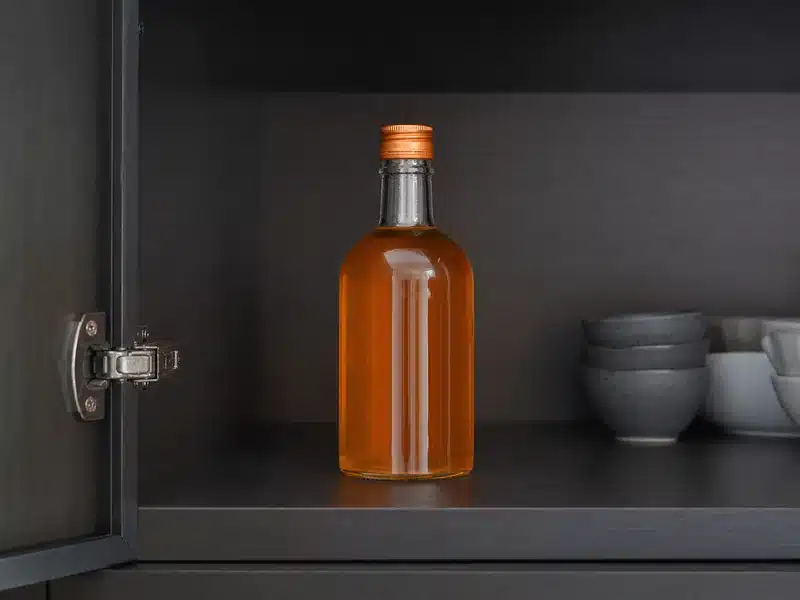
Stand the bottle upright in a cool cabinet and wipe sticky liqueur from the neck before closing it. An intact cap limits air exchange and prevents slow evaporation around a sugary residue.
A stove cabinet is too warm
Repeated heat speeds flavor loss even when the bottle never becomes hot enough to damage the glass. Choose a cabinet away from the range, dishwasher vent, radiator, and direct afternoon sun.
Fresh oranges dislike heat for a different reason, but orange storage can help you keep zest and fruit sound when you plan to support an older liqueur.
A damaged closure changes the decision
Replace a cracked cap or transfer sound liqueur to a clean, dry bottle with a reliable closure. Discard the contents if debris entered, the bottle leaked for an unknown period, or the broken seal allowed contamination.
Never pour a used drink or measured leftovers back into the original bottle. That saves a spoonful while adding water, sugar, juice, or food residue to the entire supply.
Why Does a Nearly Empty Bottle of Triple Sec Fade Faster?
A nearly empty full-size bottle holds much more air than liquid. Every pour replaces the removed liqueur with fresh air, so the last ounces can lose orange aroma faster than the first half.
If you use triple sec slowly, transfer the final portion to a smaller clean glass bottle that seals tightly. Fill it without splashing and label it, but leave enough room for normal handling.
This step protects aroma rather than extending safety forever. A smaller container cannot reverse heat damage or restore citrus oils that have already faded.
Buying a smaller bottle next time is often the cleaner answer. You reduce headspace near the end and avoid keeping a few ounces through several years of temperature changes.
If a recipe calls for a brandier orange note, the ratios in our Grand Marnier alternatives explain why sweetness and barrel flavor change the result. Cointreau replacements cover a cleaner orange profile.
When Should You Throw Triple Sec Away?
Make two separate decisions. First ask whether the bottle still tastes good enough for the job, then check whether the seal or contents show a real reason to discard.
Use soon
The aroma is faint, the citrus finish feels flat, or a simple drink needs fresh peel to taste balanced.
Discard
You see mold, stringy growth, foreign debris, unexplained floating matter, leakage, or a closure that failed.
Orange oils can make some liqueurs hazy when cold. Let the closed bottle return to room temperature before judging harmless chill haze, but do not taste anything with visible growth or unexplained solids.
A faded commercial bottle may still work in food. A contaminated bottle does not become acceptable because heat will follow.
Should You Refrigerate or Freeze Triple Sec?
Refrigeration is optional for most commercial triple sec. Cold can mute the orange smell, so a refrigerated pour may seem weaker until it warms for a few minutes.
A cool dark cabinet is the default
A closed cabinet protects the orange aroma without muting it. Keep the cap clean and tight so the bottle does not trade a stable temperature for fresh air.
The refrigerator changes serving aroma, not the clock
Use the refrigerator only when you prefer a cold pour or the label directs it. Let a sample warm for a few minutes before deciding the bottle has faded.
The freezer changes texture
The alcohol may prevent a hard freeze, but the sugary liquid can become syrupy. Extreme cold does not restore oxidized orange oils, and repeated moves can add condensation around a loose cap.
Let a cold sample warm before replacing the bottle. If sweetness remains but acidity feels weak, a measured option from our lime juice alternatives may balance the final drink or sauce.
How Can You Use Triple Sec That Has Lost Some Aroma?
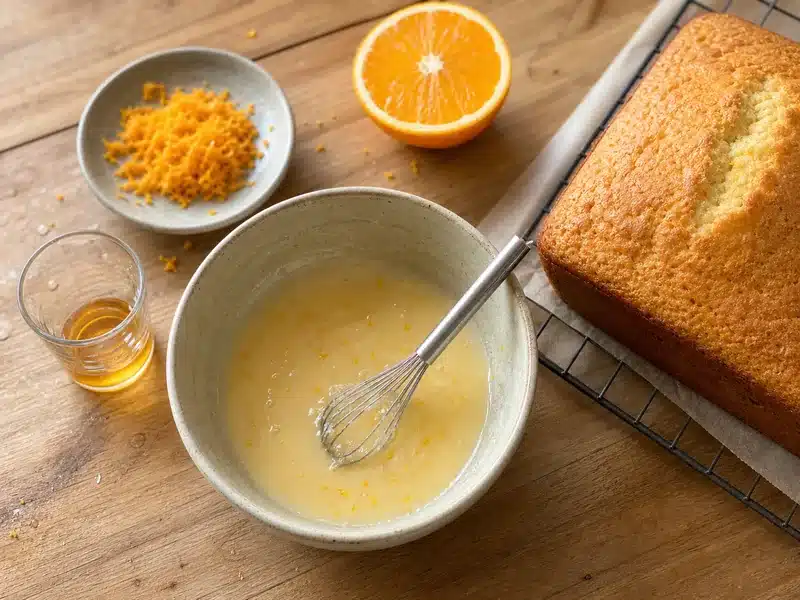
Use a sound faded bottle where other ingredients can rebuild aroma without hiding spoilage. Measure the original recipe amount first because extra liqueur also adds sugar, water, and alcohol.
- Baking and glaze: Add fine fresh zest for fragrance, then reduce other liquid only if the batter or glaze becomes too loose. An orange juice replacement can cover acidity or fruit volume, but it does not supply the same proof.
- Sauces and syrups: Support a tired bottle with spice, zest, or a few drops of acid. Make one change, stir, and taste before adding another.
- Peel bitterness: A dash from the bitter orange backup list can restore the edge without much sugar. Check blood orange substitutes when color and berry-like flavor matter.
Do not double triple sec blindly. A large extra pour can thin frosting, slow a custard, or make a pan sauce taste alcoholic without bringing the lost peel note back.
Sources
The manufacturer guidance describes one higher-proof brand. Your bottle's proof, label, closure, and storage remain the controls for that product.
Yes. The date gives you a useful quality reference when the bottle still looks normal but the orange aroma has become hard to judge.
Sticky residue can dry around the neck after pouring. Wipe the outside clean and inspect the seal rather than pushing old residue back into the bottle.
No. Brands begin at different colors, and gradual oxidation can alter appearance. Growth, debris, leakage, and an off odor matter more than color alone.
Use clean glass with a tight alcohol-safe closure when transferring for longer storage. Mark the contents and date so it is not mistaken for another liquid.
Orange aroma can fade while alcohol and sweetness remain, which exposes a sharper base. Fresh zest or acid may improve a cooked use, but simple drinks may need a new bottle.

Carrie is a food writer and editor with more than 15 years of experience. She has worked for some of the biggest names in the food industry, including Bon Appétit, Food & Wine, and Martha Stewart Living.
As the Editor in Chief of EpicureDelight, Carrie oversees all of the content on the site. She also manages the team of contributing writers and editors, who help to create delicious recipes, helpful tips, and informative articles that you’ll find on the site.
A native of the Chicago area, Carrie is passionate about all things food. She loves trying new restaurants and experimenting with new recipes in her kitchen. She’s also a graduate of the Culinary Institute of America, so she knows a thing or two about food!