
That sweet-fruity pepper punch in sofrito, sauces, and stews is almost always aji dulce doing the work. The real challenge when finding an aji dulce substitute is matching both sides of its personality: the mild heat and the fruity, almost floral sweetness.
Most substitutes lean too hot, too smoky, or too flat. The fix is layering, not swapping one-to-one blindly.
Aji dulce is a mild, sweet-fruity pepper used in Caribbean and Latin cooking. The best substitutes balance gentle heat with pepper sweetness. Aji amarillo paste is the closest match. Yellow pepper with honey works well for sauces. Red bell pepper with a pinch of cayenne is the easiest pantry fix.
6 Aji Dulce Substitutes (Ratio + Best Use)
Picking the right swap depends on whether you need a paste-like texture or a dry-powder shortcut. Blendable pepper purées work best for sauces; powders are faster for baking-style mixes.
If you reach for something smoky, know that that bright pepper note in aji dulce will be the first thing you lose.
| # | Substitute | Best For | Ratio | Key Note |
|---|---|---|---|---|
| 1 | Aji Amarillo Paste | Both | 1:1 | Closest pepper profile |
| 2 | Yellow Pepper + Honey | Both | 1:1 | Blend until smooth |
| 3 | Roasted Poblano + Paprika | Both | 1:1 | Earthy depth, mild heat |
| 4 | Red Bell Pepper + Cayenne | Both | 2:1 | Sweet base, easy fix |
| 5 | Chili Powder + Vinegar | Cooking | ¾:1 | Fast sauce shortcut |
| 6 | Chipotle in Adobo + Lime | Cooking | ¼:1 | Last resort only |
1. Aji Amarillo Paste
Aji amarillo is the closest pepper in flavor family to aji dulce. It shares a fruity brightness and mild-to-moderate heat, and for Andean pepper flavor notes, nothing else comes close.
- Flavor: Fruity, slightly tangy, gentle heat that builds slowly
- Texture: Paste blends into sauces without chunks; smooth integration
- Ratio: Start at 1:1; if heat is too strong, reduce by 1 teaspoon and add 2 tablespoon roasted pepper purée
- Best for: Sofrito, marinades, rice dishes, stewed meats
Skip if: you need a color-neutral substitute. Aji amarillo paste runs orange-yellow and will tint your sauce.
2. Yellow Pepper + Honey
A yellow bell pepper blended with a small touch of honey gets you surprisingly close to aji dulce's sweet-fruity side. The pepper gives body and mild sweetness; this floral sweetener fills the fruity gap that plain bell pepper can't cover on its own.
Yellow Pepper + Honey
Works for: light sauces, sofrito bases, and baking swaps that need pepper sweetness
Skip if: you're building a dark, smoky sauce where pepper sweetness would read out of place
- Ratio: Use 1:1 as the starting point, then add ½ teaspoon honey per pepper used
- Heat: Add a tiny pinch of cayenne or white pepper if the dish needs even mild warmth
- Texture prep: Blend until completely smooth before adding to the pot
- Adjustment: If it tastes flat, add 1 teaspoon apple cider vinegar to sharpen the fruitiness
3. Roasted Poblano + Smoked Paprika
Roasted poblano brings mild peppery body with almost no burn, making it a solid match for aji dulce's depth. A small pinch of smoked paprika adds the cooked, slightly earthy quality that aji dulce develops when it's used in a long braise.
If you're also considering swapping the poblano itself, Anaheim or pasilla peppers are the most sensible options.
- Ratio: Start at 1:1 roasted poblano to aji dulce called for
- Paprika amount: Add just ¼ teaspoon smoked paprika per pepper; too much turns the dish bitter
- Too smoky? Add a squeeze of citrus or ½ teaspoon of sugar to rebalance
- Best for: Slow-cooked sauces, stews, and rice dishes
- Avoid for: Dishes that need to stay light in color; smoked paprika darkens the final sauce
Skip if: your dish depends on aji dulce's bright, almost tropical note. Poblano is earthier and won't replicate that.
4. Red Bell Pepper + Cayenne
Red bell pepper is sweeter than green and has just enough pepper character to stand in for aji dulce's base. Adding a measured pinch of cayenne brings back the gentle kick.
For a wider look at sweet pepper swaps, there are a few options worth knowing when red bell isn't available.
Use a 2:1 ratio (two parts red bell pepper to one part aji dulce called for) because bell pepper is less concentrated in flavor. The extra volume makes up for what's missing in intensity.
- Cayenne dose: Start with ⅛ teaspoon per 2 peppers; taste before adding more
- Blend or chop: Blending gives a sauce-ready purée; chopped works for salsas and relishes
- For baking: Roast the bell pepper first to concentrate flavor before using
- Lacking tang? Add 1 teaspoon white wine vinegar or lemon juice to compensate
Skip if: your recipe leans on aji dulce's tropical fruitiness. Red bell is sweet but not fruity in the same way.
5. Chili Powder + Apple Cider Vinegar
When you can't roast peppers, this is the fastest route. Mild chili powder adds pepper warmth and color while the vinegar brings the tang that aji dulce carries naturally. Start at ¾:1 (three-quarters the amount of chili powder to the aji dulce called for) and taste before going further.
If the result tastes bitter or flat, back the chili powder down by ¼ teaspoon and increase vinegar by just a few drops. Don't overcorrect with sugar; a bit more vinegar sharpens the mix better than sweetness can rescue it.
Skip if: you need a paste-like, whole-pepper texture. Chili powder won't replicate that body, and the sauce will feel thinner.
6. Chipotle in Adobo + Lime
This is the emergency route, and it comes with a real risk of overloading the dish. Chipotle is smoky and noticeably hotter than aji dulce, so substituting heat-forward spices here requires a strict starting point.
Use ¼:1, meaning one-quarter the amount of chipotle compared to the aji dulce the recipe calls for.
- Starting dose: ¼ teaspoon chipotle (with a little adobo sauce) per 1 aji dulce pepper
- Add lime: Squeeze half a lime per ¼ teaspoon used to cut through smokiness and brighten the dish
- Taste checkpoint: Stir, wait 2 minutes, then taste before adding more
- Scale up only if: the dish still tastes completely flat after the lime; increase by ⅛ teaspoon at a time
Skip if: your recipe is meant to taste fresh and lightly sweet. Chipotle will overwhelm that completely.
Making Aji Dulce Substitutes Work
Think of aji dulce as three things at once: sweetness, mild heat, and pepper depth. Any substitute you choose will be strong in one and weak in the others, so your job is to patch the gaps.
If you're storing leftover aji amarillo paste for future use, keep it refrigerated and use within two weeks for best flavor. Fresh crisp sweet peppers last about a week in the fridge before their flavor starts to hollow out.
- Fix heat first: If your substitute runs hot, add 2 tablespoon roasted yellow pepper purée or a spoon of sour cream to cool it down before adjusting anything else
- Fix sweetness second: A small amount of honey (½ teaspoon at a time) or a pinch of sugar restores aji dulce's fruity-sweet note without making the dish taste candied
- Fix depth last: A pinch of smoked paprika or a few drops of apple cider vinegar adds the pepper backbone; add either slowly and re-taste after each addition
Frequently Asked Questions
Aji amarillo paste is the closest match for sauces. Use it at 1:1 and reduce slightly if heat builds too fast; add roasted yellow pepper purée to soften.
Use red bell pepper as the sweet base and add just ⅛ teaspoon cayenne at a time. Taste after each addition and stop well before it gets sharp.
Yes. Roast the bell pepper first to concentrate flavor, then blend smooth. Use a 2:1 ratio since bell pepper is milder and less fruity than aji dulce.
Add roasted yellow pepper purée or a spoon of sour cream to dial back heat. A squeeze of citrus cuts smokiness faster than adding more liquid volume.
Not always, but roasting deepens flavor and removes raw bitterness. For sauces needing pepper depth, roasting first makes a noticeable difference in the final result.
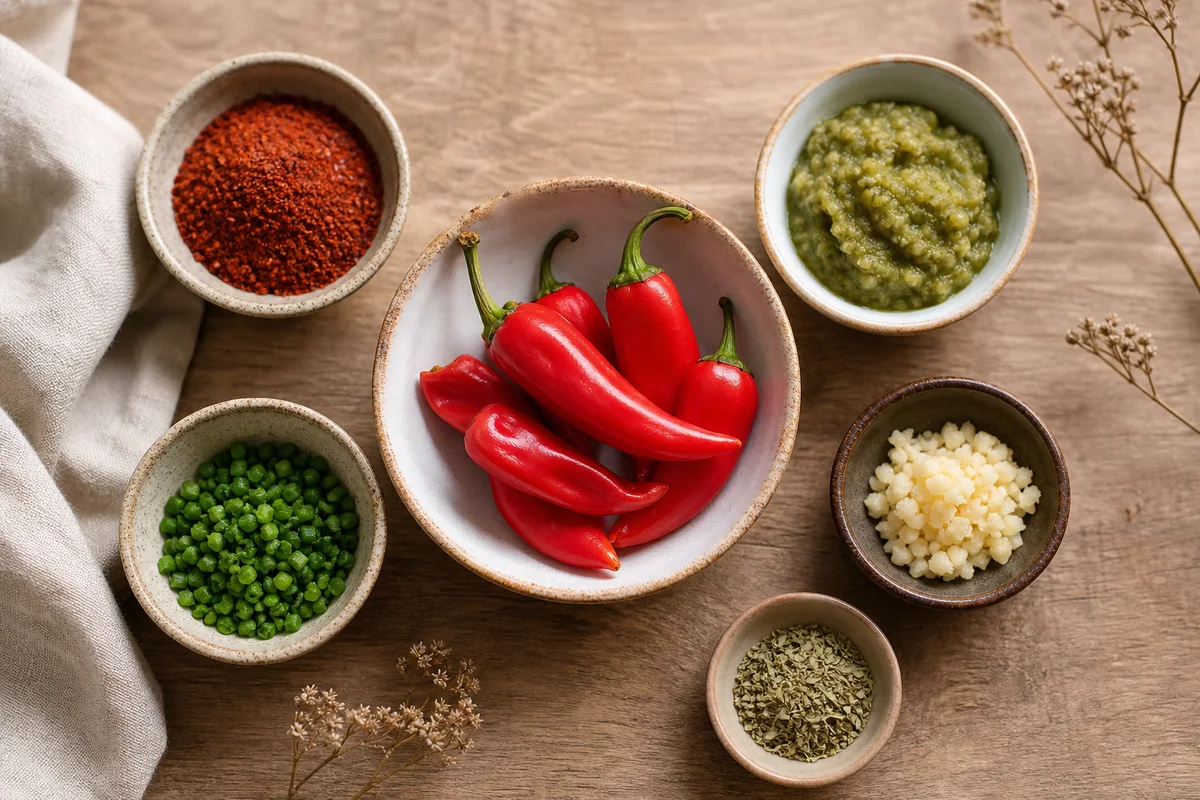
5 Best Aji Dulce Substitutes You Can Trust
Ingredients
Equipment
Method
- Identify your use: sauce/salsa (blend), topping (chop), or baking (paste-like consistency).
- Start with the closest option above using the listed ratio, then taste for sweetness and mild heat.
- If you need more aji dulce sweetness, add a small amount of honey or a bit more roasted yellow pepper.
- If the substitute is too hot, dilute with roasted pepper purée, yogurt/sour cream, or extra liquid.
- If the substitute lacks pepper depth, add a pinch of smoked paprika or a tiny splash of vinegar and re-taste.
Notes
- For paste-like applications, blend your substitute until smooth.
- Aji dulce is typically mild-to-medium; adjust heat conservatively.
Tried this recipe?
Let us know how it was!
Carrie is a food writer and editor with more than 15 years of experience. She has worked for some of the biggest names in the food industry, including Bon Appétit, Food & Wine, and Martha Stewart Living.
As the Editor in Chief of EpicureDelight, Carrie oversees all of the content on the site. She also manages the team of contributing writers and editors, who help to create delicious recipes, helpful tips, and informative articles that you’ll find on the site.
A native of the Chicago area, Carrie is passionate about all things food. She loves trying new restaurants and experimenting with new recipes in her kitchen. She’s also a graduate of the Culinary Institute of America, so she knows a thing or two about food!



