
Brown rice flour is a whole-grain flour ground from unpolished brown rice, and it brings real nutritional weight to gluten-free baking. It's higher in fiber and protein than most standard flours, and its mildly nutty flavor works in everything from pancakes to sandwich bread.
If you want to understand how brown rice flour tastes before committing to a recipe, that context matters for choosing the right swap.
There are plenty of reasons to look for an alternative.
You might be managing a specific dietary need, working with what's already in your pantry, or simply curious about other gluten-free options. The good news is that several flours match brown rice flour closely enough to work in most recipes without major adjustments.
Each substitute below has its own flavor profile, absorbency level, and best use case. Knowing those differences upfront saves you from flat muffins or gummy bread.
Our full guide to gluten-free flour substitutes covers the broader category if you need even more options.
We've tested these seven alternatives across baked goods, sauces, and savory dishes. Read on for the ratios, the tradeoffs, and the practical notes you actually need.
Brown rice flour is a whole-grain, gluten-free flour with a nutty flavor. The best substitutes are white rice flour (closest texture), sorghum flour (best nutrition match), and millet flour (mildest flavor). Most swap at a 1:1 ratio, though denser options like buckwheat need a slight reduction.
What's Brown Rice Flour?
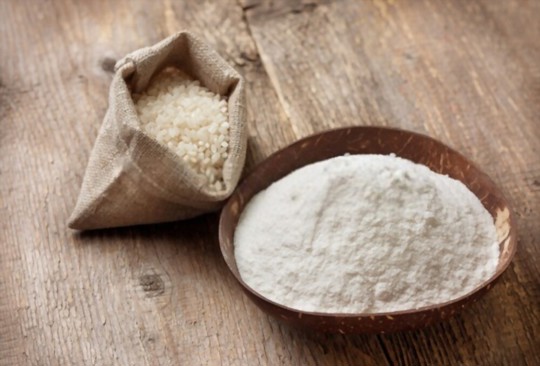
Brown rice flour is milled from whole brown rice grains, which means the bran and germ layers stay intact. That's what makes it a genuinely nutritious flour rather than just a gluten-free workaround.
Because the bran is still present, brown rice flour has a slightly nutty, earthy flavor and a mildly chewy texture when baked. It performs well in breads, cookies, cakes, and pastries, and it can also thicken sauces and gravies without turning them cloudy.
It contains more fiber than white rice flour and provides a measurable amount of protein per serving.
If you're curious about how long it stays usable, check our notes on storing brown rice flour correctly, since the bran makes it more prone to going rancid than refined flours.
You'll find it at most health food stores and online retailers. It's one of the more accessible whole-grain gluten-free flours on the market.
7 Best Alternatives to Brown Rice Flour
1. White Rice Flour
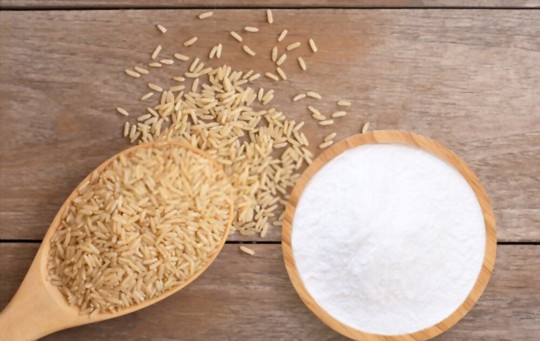
White rice flour is milled from polished white rice, so the bran and germ have been removed. The result is a lighter, more powdery flour with a neutral, mild flavor that won't alter the taste of your baked goods.
It's the closest structural match to brown rice flour you'll find. The texture in finished baked goods is light and slightly fluffy, which works especially well in cakes, muffins, and quick breads.
You can also use it to thicken sauces and gravies without changing their color or flavor profile.
Swap it at a 1:1 ratio in virtually any recipe that calls for brown rice flour. The one adjustment worth knowing: when baking at high heat (pies, pastries), drop your oven temperature by 25°F to avoid over-browning.
The main tradeoff is nutrition. White rice flour has less fiber than brown rice flour since the bran is gone.
If you want to swap white rice more broadly in your cooking, our guide to replacing white rice in recipes covers that angle well.
White rice flour is the top choice when you need the most neutral flavor and the closest texture to brown rice flour. Use it 1:1 in cakes, cookies, and sauces.
2. Quinoa Flour
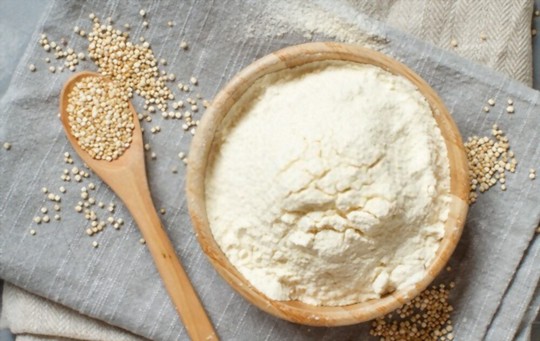
Quinoa flour is ground from whole quinoa seeds and is naturally gluten-free. It has a light, slightly nutty flavor that's comparable to brown rice flour but with a more pronounced earthiness.
It works as a direct substitute in most recipes, including pancakes, muffins, and flatbreads.
One practical note: quinoa flour absorbs more liquid than brown rice flour, so you'll likely need to add a tablespoon or two of extra liquid per cup of flour to keep your batter from going too thick.
Quinoa flour also brings solid protein content, making it a good pick if nutrition is part of your motivation for swapping. It holds up well in both sweet and savory applications.
3. Sorghum Flour
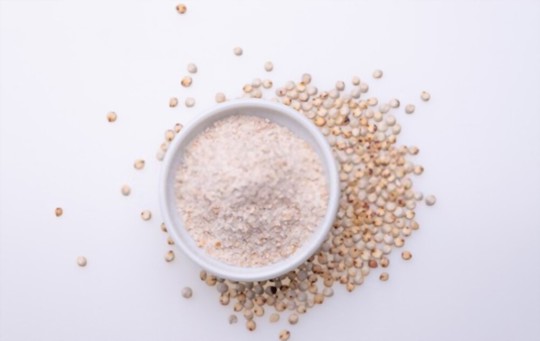
Sorghum flour is one of the most nutritionally similar substitutes to brown rice flour. It's high in fiber, protein, and antioxidants, and it has a mild, slightly sweet flavor that works in a wide range of baked goods.
Use it at a 1:1 ratio. Because sorghum flour is more absorbent than brown rice flour, plan to add a small amount of extra liquid to your recipe.
A tablespoon or two per cup is usually enough to keep the texture right.
It performs particularly well in breads and muffins where you want some structural integrity. Sorghum flour is also a solid pick if you're building a custom gluten-free blend, since it combines well with starches like tapioca or arrowroot.
4. Buckwheat Flour
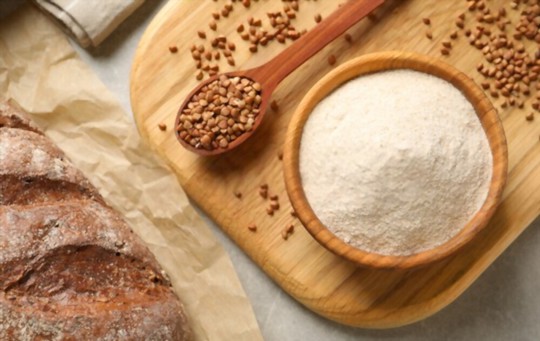
Despite the name, buckwheat has no relation to wheat. It's a pseudocereal, meaning it's not a grass grain but is used like one, and it's naturally gluten-free.
Buckwheat flour has a bold, earthy, nutty flavor that's noticeably stronger than brown rice flour.
That stronger flavor is worth accounting for. It works beautifully in pancakes, waffles, and rustic breads where a heartier taste is welcome.
In delicately flavored cakes or cookies, it can overpower other flavors.
When substituting buckwheat for brown rice flour, use about ¼ cup less per cup called for in the recipe. Buckwheat flour is denser, and using a full 1:1 swap can make baked goods heavy.
If you're managing bold flavors across a recipe, our notes on ingredient swaps for crunchy vegetables show how texture and flavor interact in similar ways.
5. Amaranth Flour
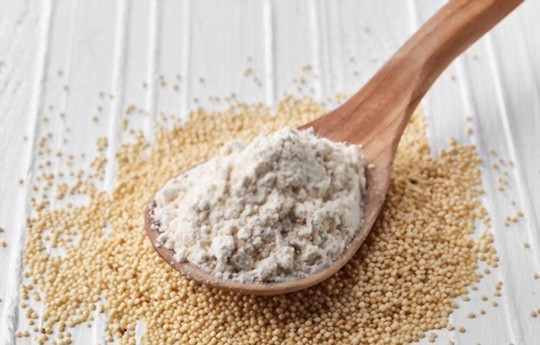
Amaranth flour is ground from the seeds of the amaranth plant, a South American grain that's closely related to quinoa. The seeds are tiny and black, and the resulting flour has a nutty, slightly sweet flavor similar to brown rice flour.
It's a nutrient-dense option. Amaranth flour is high in protein, calcium, and iron, which makes it one of the more impressive nutritional upgrades in this list.
Use it at a 1:1 ratio as a brown rice flour substitute in baked goods and pancakes.
Like quinoa and sorghum flours, amaranth absorbs more liquid than brown rice flour. Add extra liquid gradually, one tablespoon at a time, until your batter or dough reaches the right consistency.
It pairs well with sweeter flavors like cinnamon, vanilla, and honey.
Amaranth, quinoa, and sorghum flours all absorb more liquid than brown rice flour. Add extra liquid in small increments rather than all at once to avoid a batter that's too wet.
6. Teff Flour
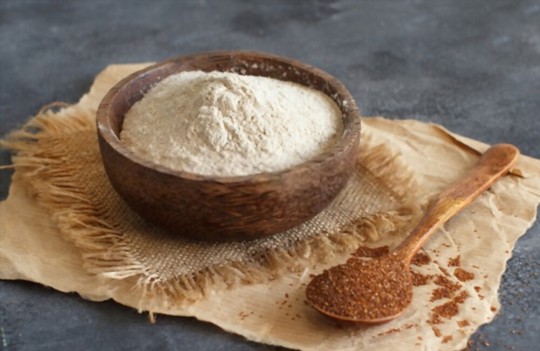
Teff flour is ground from teff, one of the smallest grains in the world and a staple crop in Ethiopia. It's naturally gluten-free and has a mild, nutty, slightly molasses-like flavor that adds depth to baked goods.
Because teff flour is denser than brown rice flour, you'll get a heavier crumb if you swap it at a full 1:1 ratio. Start with slightly less and adjust from there.
For recipes that call for gluten structure, like yeasted bread, you'll need to add a binding agent such as xanthan gum since teff contributes no gluten of its own.
Teff flour shines in hearty applications: dense loaves, energy bars, flatbreads, and savory pancakes. Its distinctive flavor makes it less suited to delicate pastries where a neutral base is needed.
If you need help choosing between thickeners for sauces and soups, our guide to thickening agent substitutes covers the options in detail.
7. Millet Flour
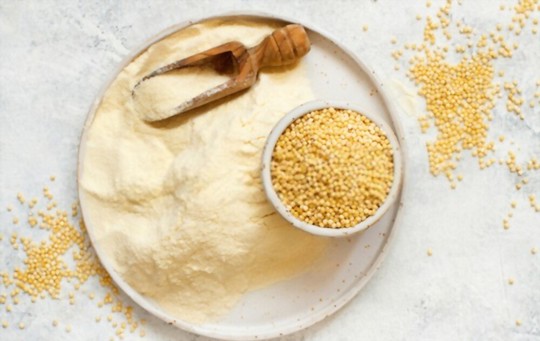
Millet flour is ground from millet, a small ancient grain that's been cultivated for thousands of years across Africa and Asia. It's naturally gluten-free and has the mildest flavor of any flour on this list, making it the easiest to work with across different recipes.
Swap it at a 1:1 ratio for brown rice flour in pancakes, muffins, bread, and cookies. The texture it produces is soft and slightly crumbly, which works well in quick breads and muffins.
It doesn't have the same earthy depth as brown rice flour, but it doesn't compete with other flavors either.
Millet flour is high in magnesium and phosphorus, and it provides a good amount of fiber per serving. If you're building a gluten-free flour blend, millet flour works well as a base alongside a starch like arrowroot or potato starch.
Our breakdown of whole wheat pastry flour alternatives is worth reading if you're refining your flour-blending approach.
How to Substitute Brown Rice Flour
Each flour on this list behaves a little differently, so the right swap depends on what you're making. For most baked goods, white rice flour and millet flour are the lowest-friction options.
For a nutrition upgrade, sorghum or amaranth flour delivers more protein and fiber per cup.
Buckwheat and teff bring stronger flavors that suit rustic or savory recipes. Quinoa flour sits in the middle, adding mild nuttiness without overpowering the dish.
If you're unsure which cut of meat to pair with a dish that uses any of these flours for thickening or coating, our guide to flank steak alternatives covers hearty protein pairings worth knowing.
Whichever flour you choose, start with the liquid adjustments noted above and taste as you go. Most of these substitutes will get you where you want to be with minimal fuss.
More From EpicureDelight
The Complete Ingredient Substitutes Guide - your complete resource for this topic.
Frequently Asked Questions
What is brown rice flour used for in gluten-free baking?
Brown rice flour is used in breads, muffins, cookies, cakes, and pancakes. It also thickens sauces and gravies well, producing a clear, smooth result rather than a cloudy one.
Can I substitute almond flour for brown rice flour?
Almond flour is not a reliable 1:1 swap. It has a much higher fat content and produces denser, moister results, so recipes typically need significant adjustments to binding agents and liquid ratios.
Is brown rice flour good for thickening sauces?
Yes. Brown rice flour thickens sauces at roughly the same ratio as all-purpose flour and produces a cleaner, more translucent result. White rice flour works equally well for this purpose.
What is the difference between brown rice flour and white rice flour?
Brown rice flour retains the bran and germ, giving it more fiber, a nuttier flavor, and a shorter shelf life. White rice flour is refined, neutral in taste, and stays fresh significantly longer.
What are common gluten-free flour substitutes for baking?
The most common options are white rice flour, sorghum flour, millet flour, buckwheat flour, and almond flour. Each has a different flavor and absorbency, so the best choice depends on the specific recipe.
Save This for Later
Pin this savory tweaks: 7 best brown rice flour substitutes guide so you always have it when you need it.

Carrie is a food writer and editor with more than 15 years of experience. She has worked for some of the biggest names in the food industry, including Bon Appétit, Food & Wine, and Martha Stewart Living.
As the Editor in Chief of EpicureDelight, Carrie oversees all of the content on the site. She also manages the team of contributing writers and editors, who help to create delicious recipes, helpful tips, and informative articles that you’ll find on the site.
A native of the Chicago area, Carrie is passionate about all things food. She loves trying new restaurants and experimenting with new recipes in her kitchen. She’s also a graduate of the Culinary Institute of America, so she knows a thing or two about food!



