
Cloves have a way of making a dish smell like it knows what it's doing. That sharp, sweet-medicinal warmth is the backbone of mulled wine, spiced cookies, and a dozen braised dishes.
But when the jar is empty mid-recipe, the right clove substitute can carry the dish without giving the game away.
Before you swap, one detail matters: whole cloves work through infusion, slowly releasing aroma into liquids or fats over time. Ground cloves go directly into the batter or sauce, distributing flavor through the whole dish.
The best swap for each job is different, so the options below are sorted by that logic too.
Allspice is the closest match for both baking and simmering, swapping 1:1 with a slightly sweeter result. Ground ginger and cinnamon cover savory and sweet dishes well at ¾ of the clove amount. Nutmeg adds cozy depth at half the dose. Bay leaf is the best infusion-only swap for soups and braises.
5 Best Clove Substitutes Ranked by Flavor Match
| # | Substitute | Best For | Ratio | Key Note |
|---|---|---|---|---|
| 1 | Allspice | Both | 1:1 | Closest warm-sweet match |
| 2 | Ground Ginger | Both | ¾:1 | More heat, less floral |
| 3 | Ground Cinnamon | Baking | ¾:1 | Sweet-wood, less punch |
| 4 | Ground Nutmeg | Baking | ½:1 | Use sparingly; can bitter |
| 5 | Bay Leaf (whole) | Savory | 1 leaf:2 cloves | Infusion only; remove before serving |
| + | Pumpkin Pie Spice | Both | ¾:1 | Check blend for clove content |
Ratios here are starting points. Bloom or infuse your swap first, then taste before adding more.
If you ever need warm-spice options beyond what's in this table, the allspice page covers further ground.
1. Allspice
Allspice is the first substitute most experienced cooks reach for. It carries that same warm, slightly medicinal top note as clove, with a rounder sweetness underneath that holds up in both baking and long-cooked savory dishes.
Start at a 1:1 swap and taste after the spice has had a moment to bloom. If the dish already has cinnamon or brown sugar working hard, pull back by about ¼ teaspoon to keep the sweetness in check.
- Baking: Use 1:1 in cookies, cakes, or spiced breads; it integrates cleanly
- Mulled drinks: Use whole allspice berries in place of whole cloves at a 1:1 count
- Sauces and braises: Add ground allspice early so it has time to mellow
- Ratio adjustment: Reduce by ¼ teaspoon if your recipe already leans sweet
*Skip if:* your recipe needs that sharp, almost astringent clove note and is already loaded with sweetness. Allspice reads softer, and the swap can make the dish feel milder than intended.
2. Ground Ginger
Ground ginger brings real pungency, but it works differently than clove. It adds a dry, spicy warmth rather than clove's floral sweetness.
The result is still aromatic, just angled more toward heat than perfume.
For dishes where choosing a fresh-ginger alternative is already on your radar, ground ginger fits the same aromatic gap clove was filling. Use ¾ of the clove amount and let it bloom in warm oil or liquid for 2 to 3 minutes before adding other ingredients.
- Savory stews and curries: Use ¾ teaspoon ground ginger per 1 teaspoon clove called for
- Bloom first: Cook it in fat for 2 minutes to soften the sharpness
- Pair with: A small pinch of allspice if you want to recover some of clove's sweetness
- Avoid fresh ginger: The water content and brightness read completely differently
*Skip if:* the dish has delicate flavors, like a spiced custard or panna cotta, where ginger's heat will read louder than clove's quiet depth.
3. Ground Cinnamon
Cinnamon is the most common clove backup, and for good reason. It covers the sweet-wood register that clove occupies, and most people already have it in their pantry.
The difference is that cinnamon is warmer and more obviously sweet, with less of clove's sharp medicinal edge.
It works best in baked goods, spiced oatmeal, or dessert sauces. For savory recipes, it can feel out of place unless the dish is already built around warm spice, like a Moroccan tagine or a mole-style sauce.
If you need more bite out of the swap, check out cinnamon swap ideas that lean drier and less sweet.
- Amount: Use ¾ teaspoon ground cinnamon per 1 teaspoon ground clove
- Add bite: A tiny pinch of black pepper in the same step brings back some edge
- Best uses: Cookies, muffins, spiced sauces, warm drinks
- Skip for: Savory stocks, braises, or dishes where clove's punch was structural
*Skip if:* you're making a savory stew that depends on clove's distinct, non-sweet warmth. Cinnamon will steer the whole dish sweeter.
4. Ground Nutmeg
Nutmeg does not taste like clove. That said, it fills a similar role: adding cozy, almost woody warmth in the background of a dish.
It is better thought of as a mood match than a flavor match.
The risk with nutmeg is going even slightly over the amount, which can push the flavor into bitter, almost soapy territory. Understanding the difference between fresh and pre-ground nutmeg options matters here, because freshly grated nutmeg is stronger and needs an even lighter hand.
- Ratio: Use ½ teaspoon ground nutmeg per 1 teaspoon ground clove
- Taste after blooming: Wait until the spice has infused for 2 to 3 minutes, then assess
- Best uses: Spiced cakes, cream sauces, and warm custards
- Freshly grated: Start even lower, at about ⅓ of the clove amount, if using whole nutmeg
*Skip if:* you need clove's sharp, punchy aroma in holiday-style mulled flavors. Nutmeg is too quiet and too different in character to carry that job.
5. Bay Leaf (Whole, for Infusion)
Bay leaf is the outlier on this list. It does not taste like clove, and it won't replicate the sweet-medicinal note.
What it does is provide a savory, faintly herbal warmth during long simmering that keeps a braise or soup from feeling flat where cloves used to be.
Bay Leaf as Clove Swap
Works for: soups, stocks, braises, slow-cooked beans, poaching liquids
Skip if: recipe uses ground clove in a batter, rub, or spice mix where bay leaf cannot distribute flavor
Use 1 bay leaf for every 2 whole cloves the recipe calls for. For recipes where aromatic leaf options already interest you, bay works here on the same principle: slow release, then remove.
Always pull bay leaves before serving to avoid any tannic edge from over-steeping.
- Ratio: 1 bay leaf per 2 whole cloves
- Simmer time: 20 to 40 minutes is enough; longer risks bitterness
- Best for: Stocks, pot roasts, bean dishes, and poached proteins
- Remove before serving: Non-negotiable; bay leaf flavor turns sharp if left in
*Skip if:* you're replacing ground clove in a spiced cake batter or dry rub. Bay leaf simply cannot do that job.
Bonus: Pumpkin Pie Spice
Pumpkin pie spice is a convenient shortcut because many blends already contain clove alongside cinnamon, nutmeg, and ginger. The catch is that every brand has its own balance, so the exact clove-forward kick you get depends on the specific jar.
Check the label for clove in the ingredient list before using this as a direct swap. If the blend lists clove toward the front, it is likely to have more punch.
Start at ¾ of the original clove amount in your recipe, then taste once the spice has heated through.
- Starting ratio: ¾ teaspoon blend per 1 teaspoon ground clove
- Check the label: Clove listed first or second means a stronger swap; adjust down accordingly
- Best for: Baked goods, spiced sauces, holiday drinks where a blend of warm spice is welcome
*Skip if:* your dish needs a precise, clove-forward flavor and the blend you have runs sweet or salty by design.
Making the Clove Substitute Taste Right
The single most important move when using any ground-spice swap is blooming. Add your substitute to warm fat or liquid and let it cook for 2 to 5 minutes before combining with the rest of the recipe.
That brief heat contact softens the raw edge and lets you taste the actual direction the spice is pulling the dish. If you're swapping into a long-simmer recipe, the same logic applies: add early, then taste once the spice has had at least 15 minutes in the pot.
For a recipe where the spice blend itself is in question, the guidance on swapping blended spices can help you recalibrate the whole mix. The notes on paste-to-ground ginger ratios are also useful if ginger is part of your backup plan.
- Too strong: Add 1 tablespoon of broth, water, or cream to the dish and stir before tasting again
- Too flat: Add a small pinch more spice, bloom for 1 to 2 minutes, then re-taste rather than dumping in more
- Infusion swaps: Remove whole aromatics like bay leaf or allspice berries at the low end of the recommended simmer time, not the maximum
Frequently Asked Questions
Allspice is the closest match for baking, swapping 1:1 with a slightly rounder sweetness. It integrates cleanly into batters and spiced doughs without reading as a different spice.
Use ¼ teaspoon of ground allspice or ground cinnamon per whole clove the recipe calls for. Add it early in cooking so it has time to bloom in fat or liquid.
Cinnamon works in savory dishes that are already warm-spiced, like tagines or moles. Nutmeg is softer and better suited to cream sauces than to braises or stocks.
Stay at half the clove amount and taste after the spice blooms for 2 minutes. Freshly grated nutmeg is stronger than pre-ground, so start at ⅓ of the clove dose.
Not reliably, because clove content varies by brand. Start at ¾ of the clove amount, taste after heating, and adjust from there.
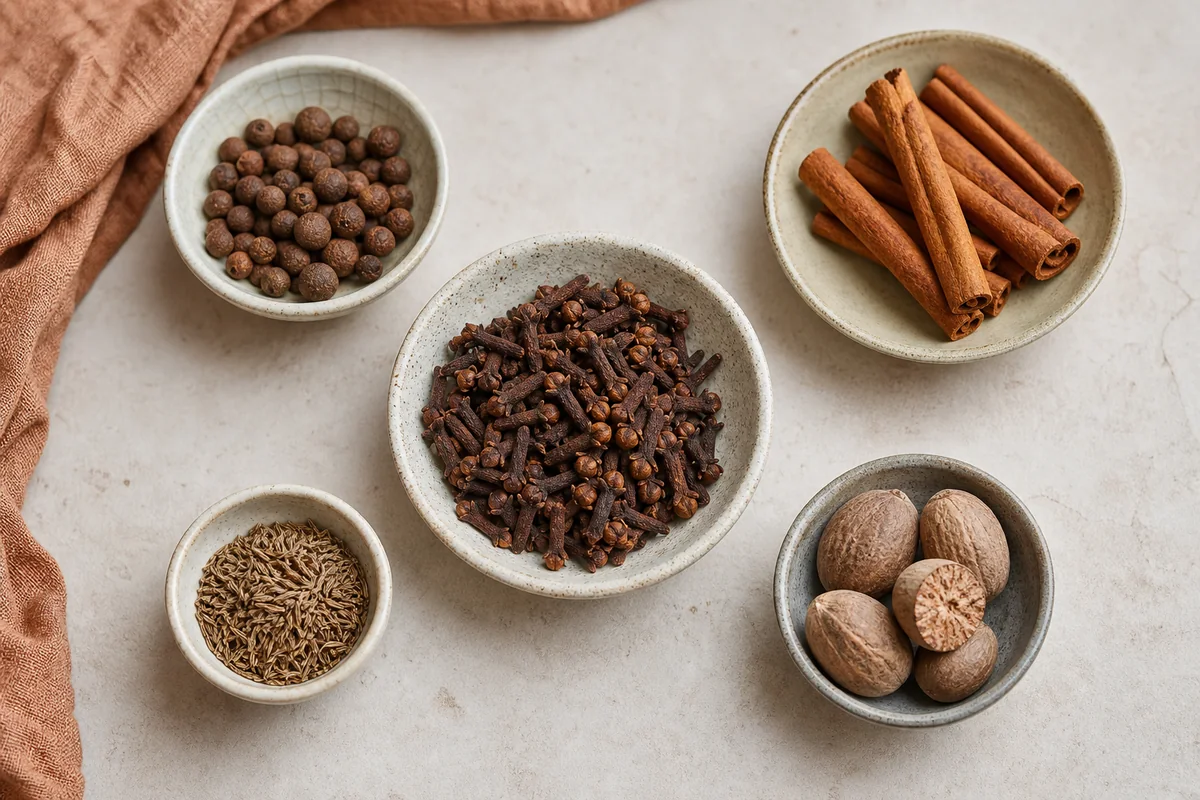
5 Best Clove Substitutes (Tested)
Ingredients
Equipment
Method
- Decide whether you’re substituting for whole cloves (infusion) or ground cloves (spice in the mix).
- Match the ratio from the table (start at the lower end of the ratio if your recipe is already spicy).
- If using a milder option (cinnamon, nutmeg, ginger), add in small increments and taste after the spices bloom for 2–5 minutes.
- For long-simmer recipes, use whole-leaf swaps like bay leaf only for infusion time, then remove before serving.
- Adjust the final aroma: add a tiny pinch more spice if the dish tastes flat, or dilute with an unsweetened liquid if it tastes harsh.
Notes
- Whole cloves are mainly about aroma extraction—use infusion-friendly substitutes for stews, mulled drinks, and long simmers.
- Ground clove is more about flavor distribution—choose ground spice swaps and bloom them with butter/oil or in the warm liquid before final mixing.
Tried this recipe?
Let us know how it was!
Carrie is a food writer and editor with more than 15 years of experience. She has worked for some of the biggest names in the food industry, including Bon Appétit, Food & Wine, and Martha Stewart Living.
As the Editor in Chief of EpicureDelight, Carrie oversees all of the content on the site. She also manages the team of contributing writers and editors, who help to create delicious recipes, helpful tips, and informative articles that you’ll find on the site.
A native of the Chicago area, Carrie is passionate about all things food. She loves trying new restaurants and experimenting with new recipes in her kitchen. She’s also a graduate of the Culinary Institute of America, so she knows a thing or two about food!



