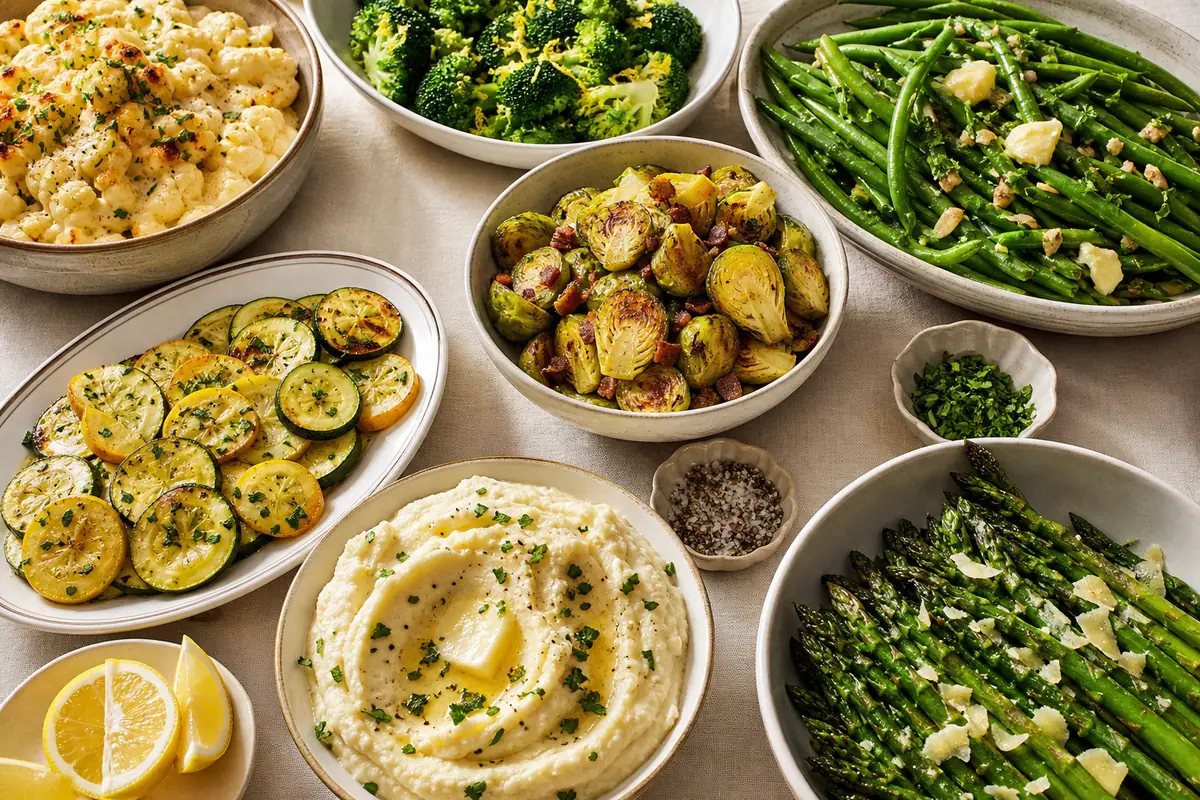
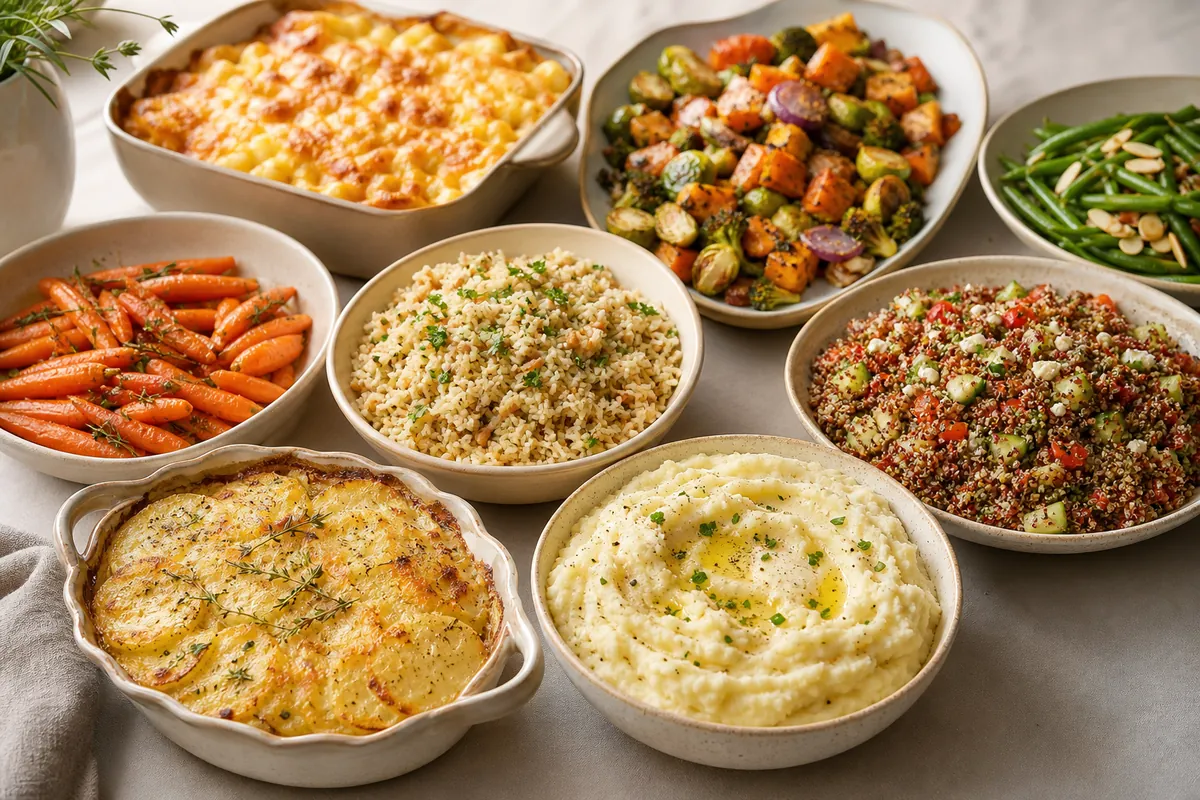
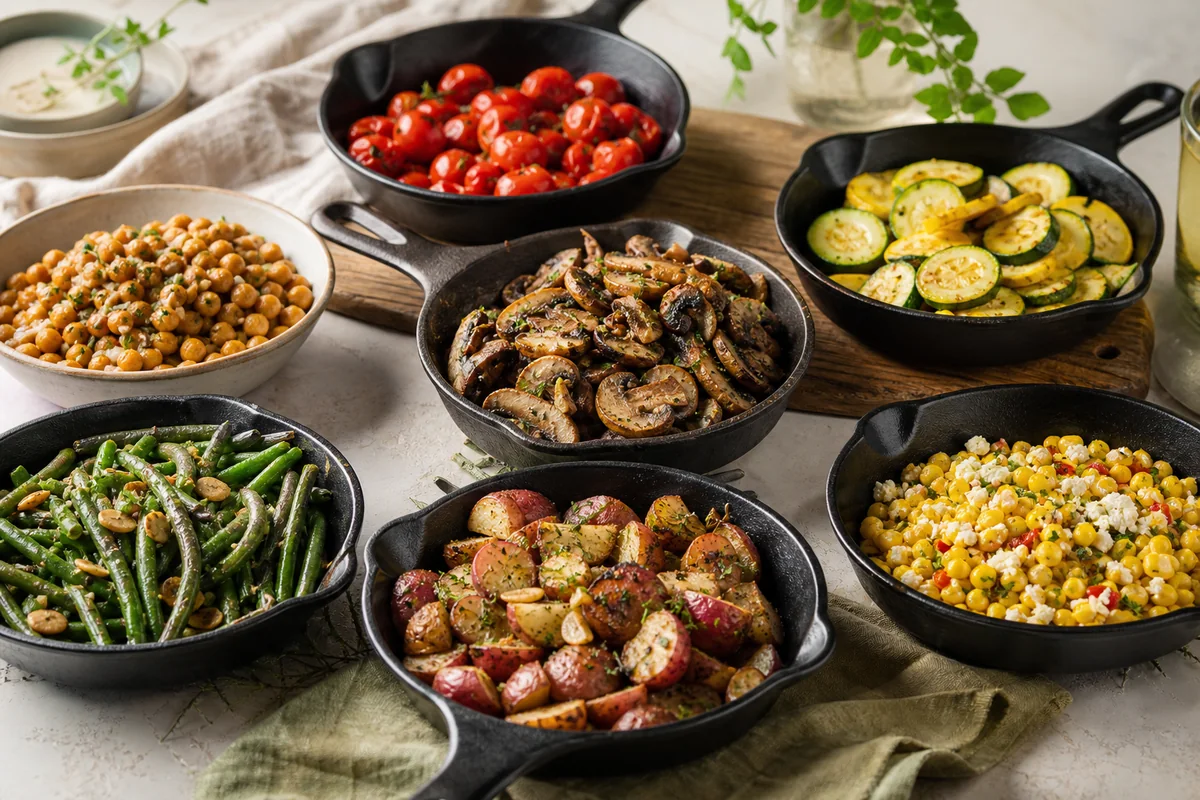
Buttered mashed potatoes are the best side for coq au vin because they catch the red wine sauce without competing with chicken, mushrooms, bacon, and pearl onions. Add green beans or a bitter salad for color and a fresh edge.
Choose one mild starch and one green vegetable. Another mushroom dish, rich gratin, or cheese sauce repeats the heaviest parts of the braise.

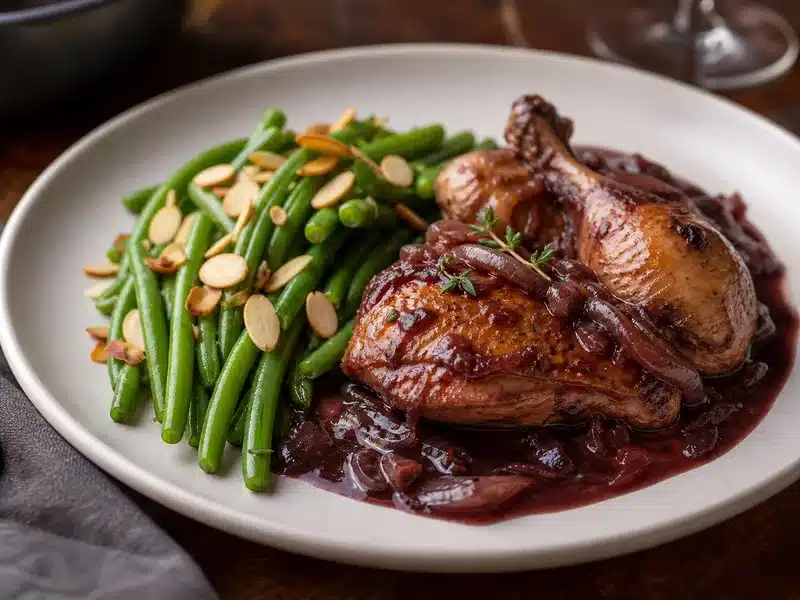
Serve coq au vin with mashed potatoes and green beans. The potatoes carry the wine sauce, while the beans give color and snap against the slow-braised chicken.
Does the Coq au Vin Need a Sauce Catcher or a Fresh Contrast?
Choose One Mild Sauce Catcher
Mashed potatoes, polenta, noodles, or bread can carry the wine sauce. Pick only one because the chicken already makes a substantial main.
A mild base lets the sauce remain the defining flavor. Cheese-heavy noodles and potato gratin can cover its wine, thyme, and onion notes.
Add a Green or Bitter Vegetable
Green beans, braised endive, mustard greens, or a bistro salad keeps the brown braise from filling the whole plate. Lemon or mustard adds the acid that long-cooked sauce loses.
If the pot contains many mushrooms and pearl onions, choose a plain vegetable. Their earthy sweetness is already fully represented in the main.
What Are the Best Sides for Coq au Vin?
| Rank | Side | Best job | Prep |
|---|---|---|---|
| 1 | Mashed potatoes | Catch sauce | 35 min |
| 2 | Green beans almondine | Color and snap | 20 min |
| 3 | Soft polenta | Extra sauce | 30 min |
| 4 | Braised endive | Bitterness | 25 min |
| 5 | Buttered noodles | Weeknight dinner | 15 min |
1. Buttered Mashed Potatoes
Fluffy potatoes hold the wine sauce and give each bite a mild center. Use butter and warm milk, but skip strong garlic or cheese.

Make them several hours ahead and reheat over low heat. A small splash of milk restores a loose texture.
2. Green Beans Almondine
Green beans provide snap and bright color, while toasted almonds echo the braise's browned flavors. Lemon keeps the beans distinct from the sauce.
3. Soft Polenta
Polenta spreads under the chicken and catches a generous sauce.
Keep it soft with stock and a modest amount of butter rather than heavy cheese. Whisk it while the braise reheats and cover it between stirs.

Add warm water if it tightens before the chicken reaches the table.
4. Braised Endive
Endive adds a gentle bitterness that cuts bacon and wine sauce.
Braise the halves until tender while keeping their shape for a neat plate. Brown the cut side first, then add a small amount of stock.
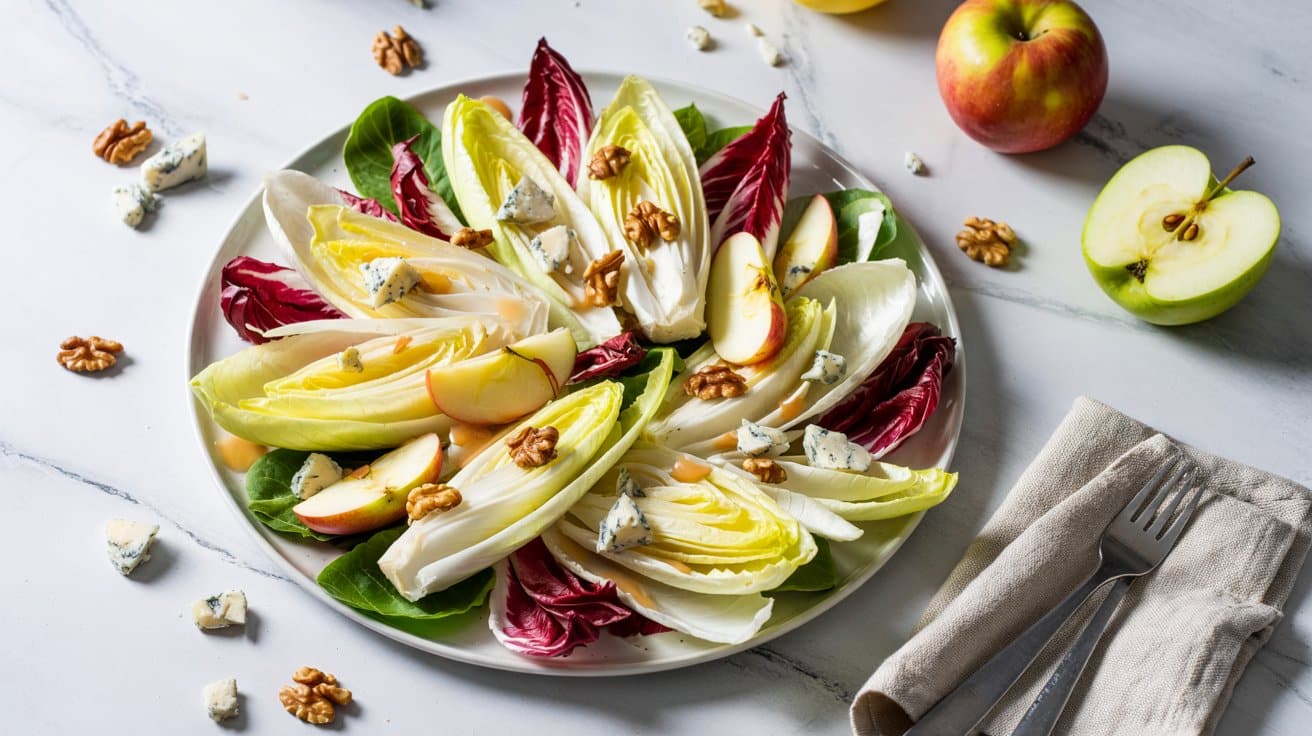
Lemon at the end keeps the vegetable from tasting as deep as the wine sauce.
5. Buttered Egg Noodles
Egg noodles make a fast weeknight base and carry sauce through their folds. Butter lightly and finish with parsley instead of Gruyère sauce.
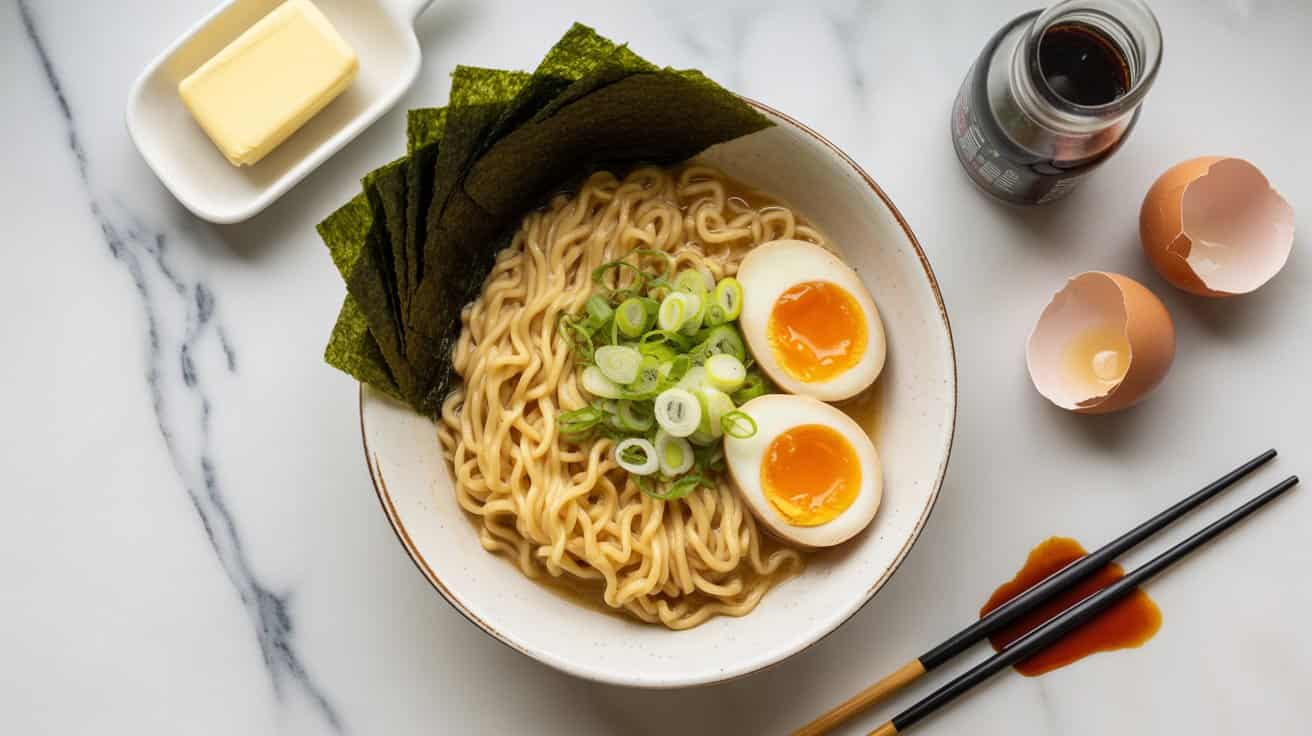
Drain them just before serving and save a little cooking water. A spoonful loosens the noodles without adding more fat or cheese.
6. Parsnip Puree
Parsnip puree adds earthy sweetness and a smooth surface.
Mix parsnips with potato so the flavor stays quieter than the wine sauce. A two-to-one ratio of potato to parsnip gives a mild result.

Blend only until smooth because too much mixing can make the potato gluey.
7. French Bistro Salad
Frisée or mixed bitter leaves with mustard vinaigrette gives a cool break from the braise. Dress the salad only as the chicken reaches the table.
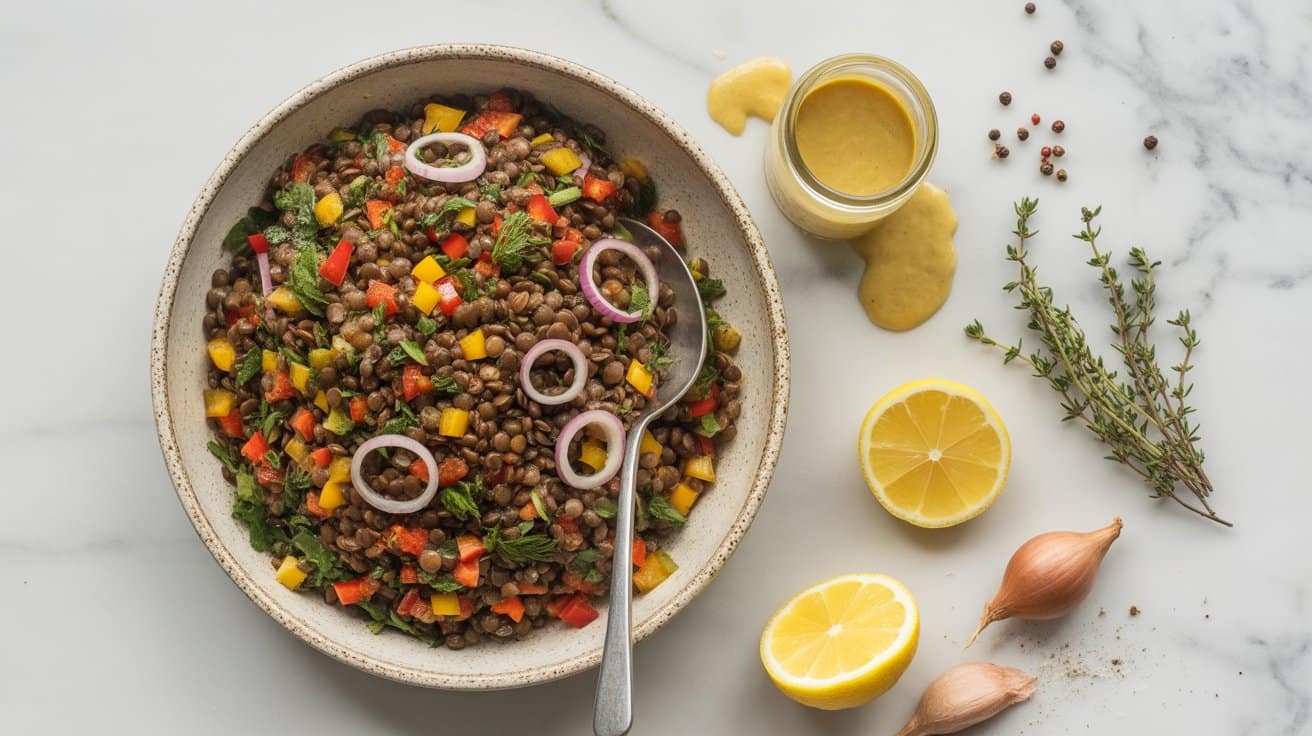
Keep the vinaigrette sharp and the portion small. The leaves should reset the palate rather than become a second large course.
8. Roasted Carrots
Carrots bring color and a familiar thyme flavor. Finish them with vinegar so they do not repeat the pearl onions' sweetness.
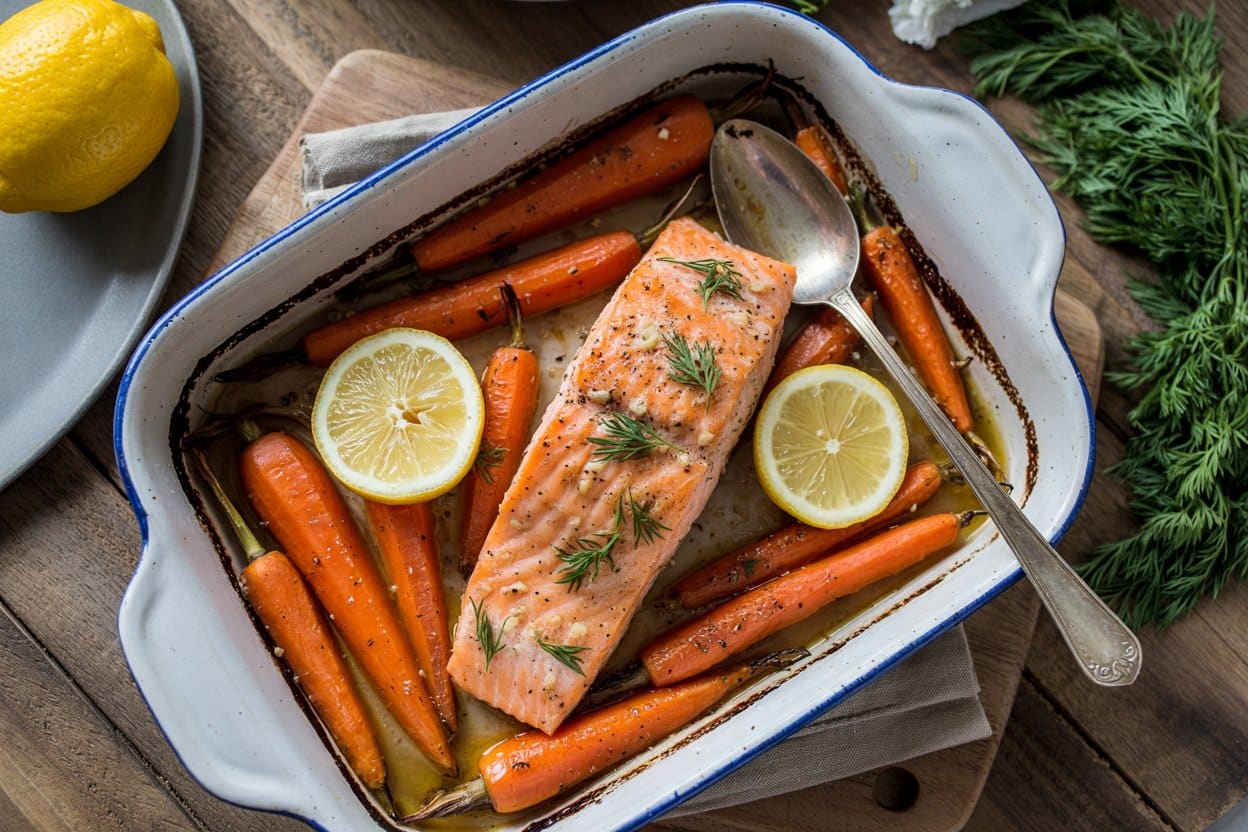
Roast them uncovered for browned edges and a firm center. Thin carrots can stay whole, which gives the dark plate a cleaner shape.
9. Crusty Baguette
A small piece of baguette wipes up sauce and suits a casual meal.
Use bread only when potatoes, noodles, and polenta are absent. Warm the loaf briefly and cut it just before dinner.
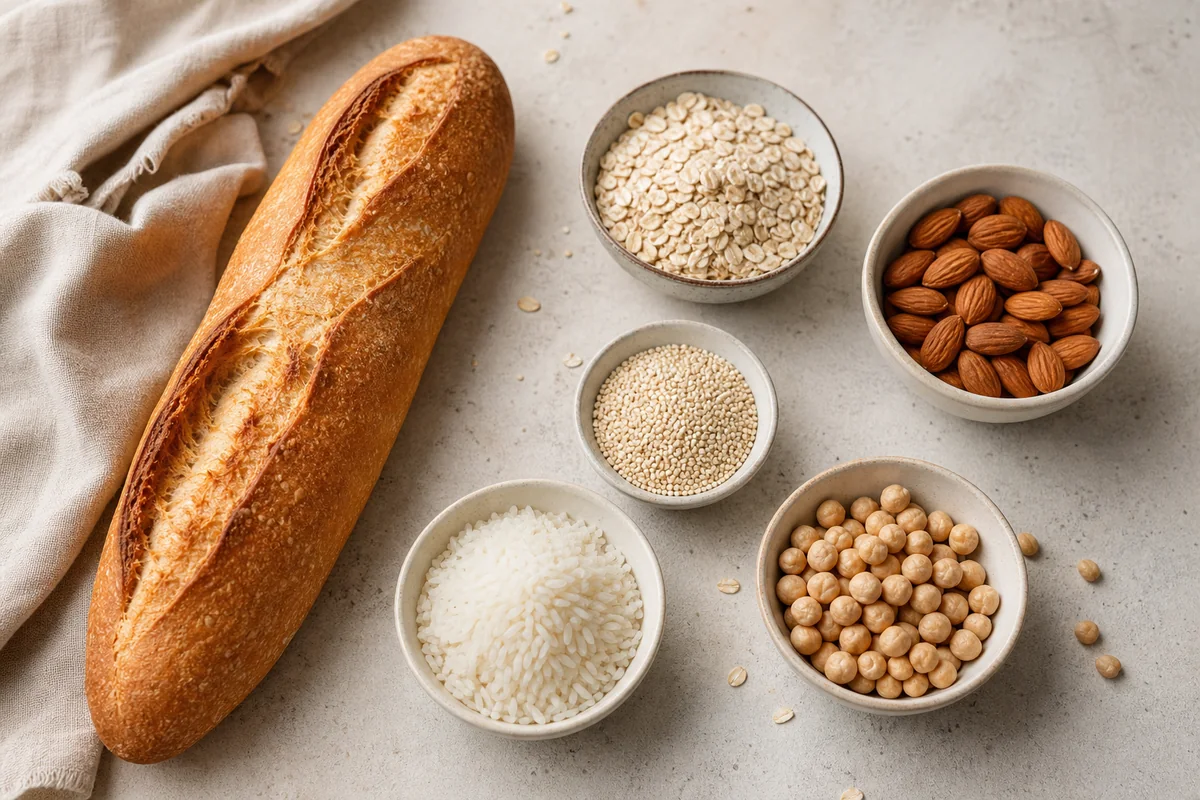
A crisp crust provides more contrast than soft dinner rolls.
10. Celeriac Mash
Celeriac has a clean celery aroma and less starch than potatoes.
Its pale puree creates a useful background for the dark sauce. Simmer equal pieces until fully tender, then drain them well.
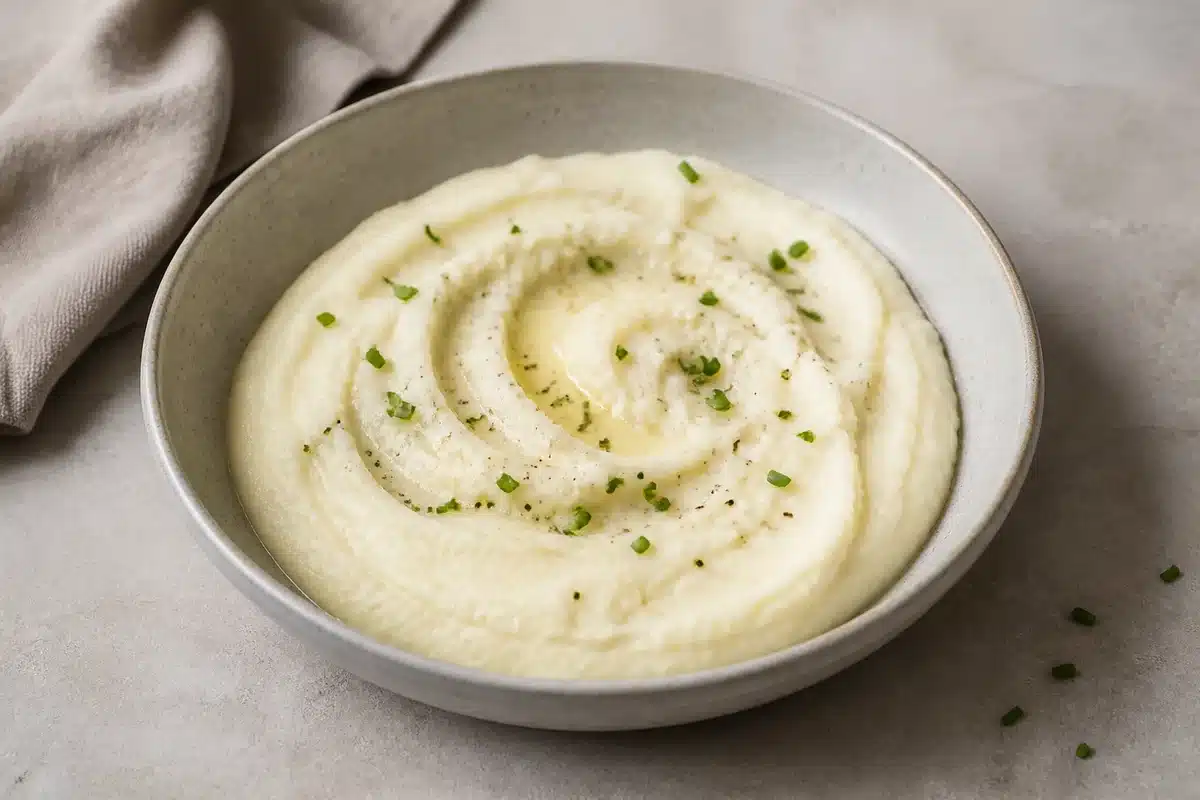
A little potato helps the mash hold sauce without becoming watery.
11. Mustard Greens
Mustard greens have enough bite for bacon and wine.
Sauté them quickly and season after tasting the salty braise. Remove thick stems and cook the leaves in a wide pan.

Lemon added at the end keeps their bitterness clean rather than harsh.
12. Roasted Radishes
Radishes become mild and juicy under high heat while keeping pink color.
Their peppery finish is fresher than another root puree. Halve large radishes so their surfaces brown at the same rate.
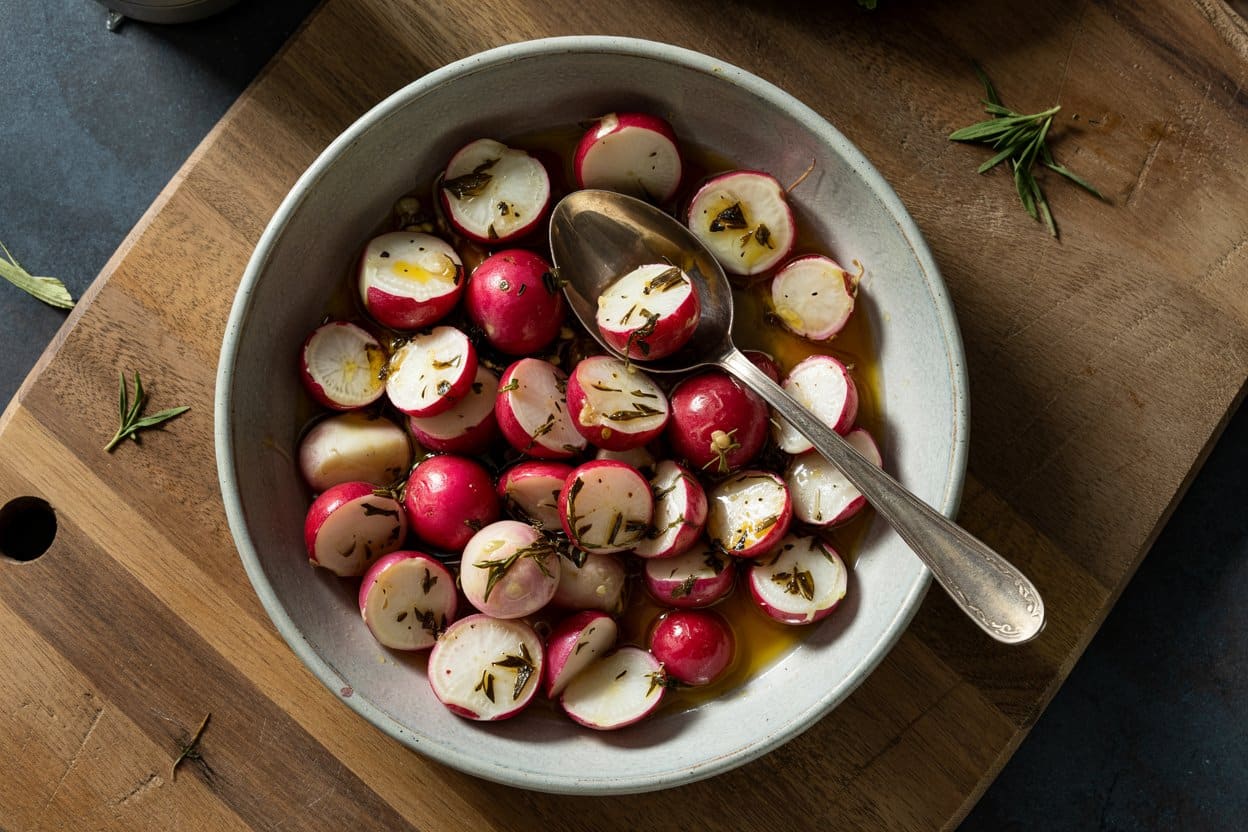
Finish them with parsley and lemon rather than another spoonful of braising sauce.
13. Herbed Farro
Farro gives a chewy grain base that holds up under sauce. Parsley and lemon keep it lighter than creamy risotto.
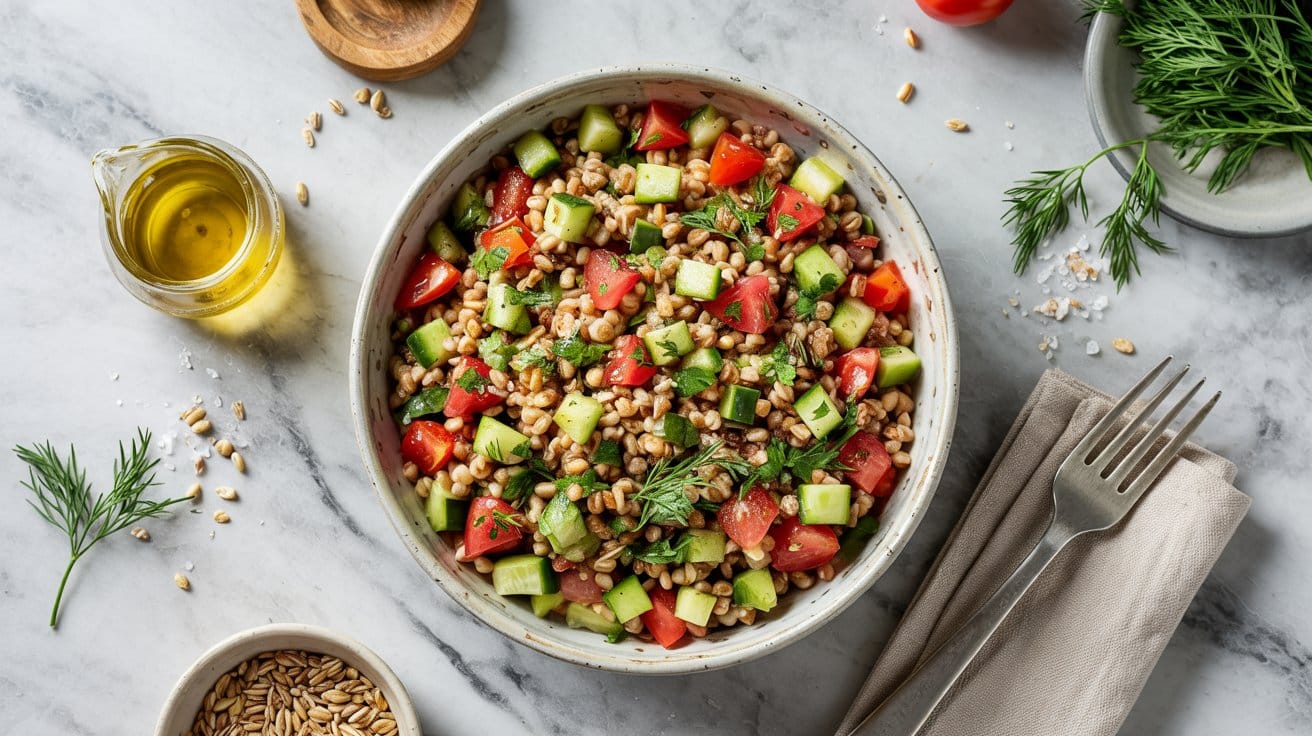
Cook the grain ahead and warm it with a splash of stock.
Keep the farro loose so the wine sauce can move between the grains.
14. Glazed Turnips
Small turnips add a mild pepper flavor and a polished shape. Use stock and butter with little sugar.
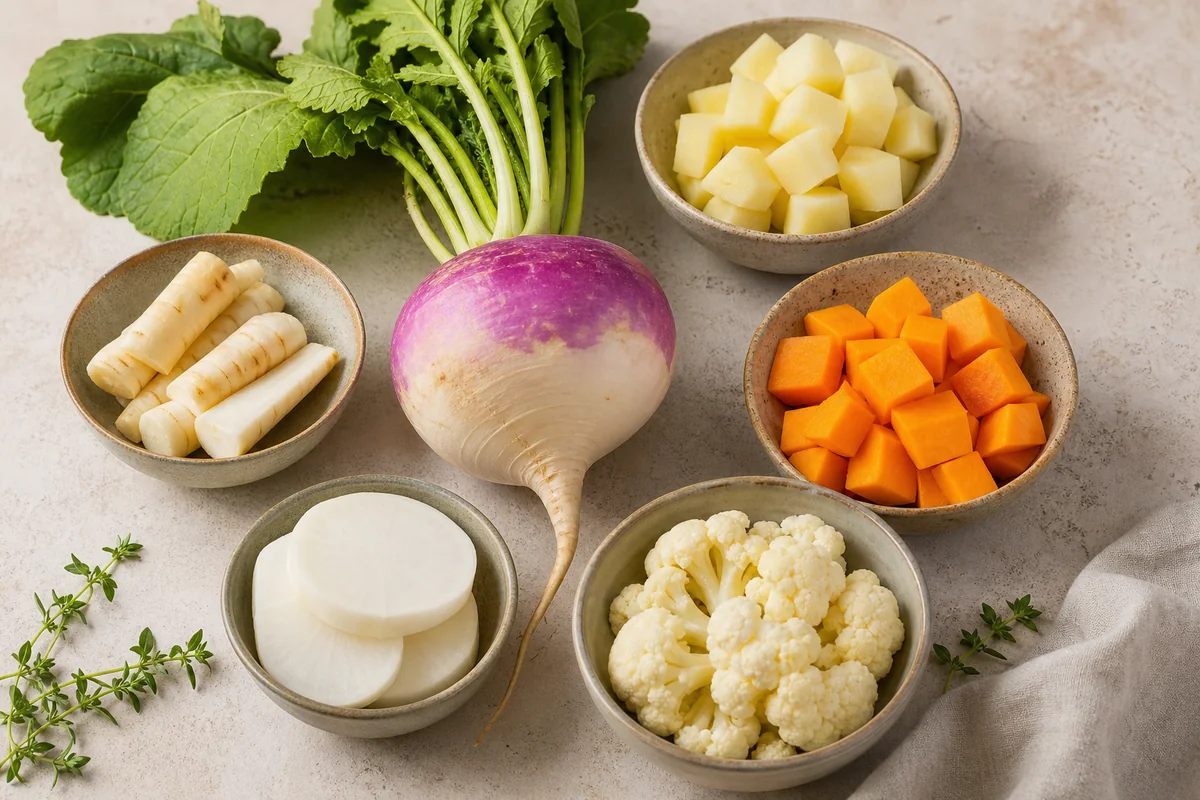
Choose turnips of a similar size so they become tender together. Reduce the stock until it lightly coats them without becoming sticky.
15. Apple Fennel Slaw
Raw fennel and tart apple make a crisp cold side for a rich dinner.
Mustard vinaigrette ties it to the French flavors.
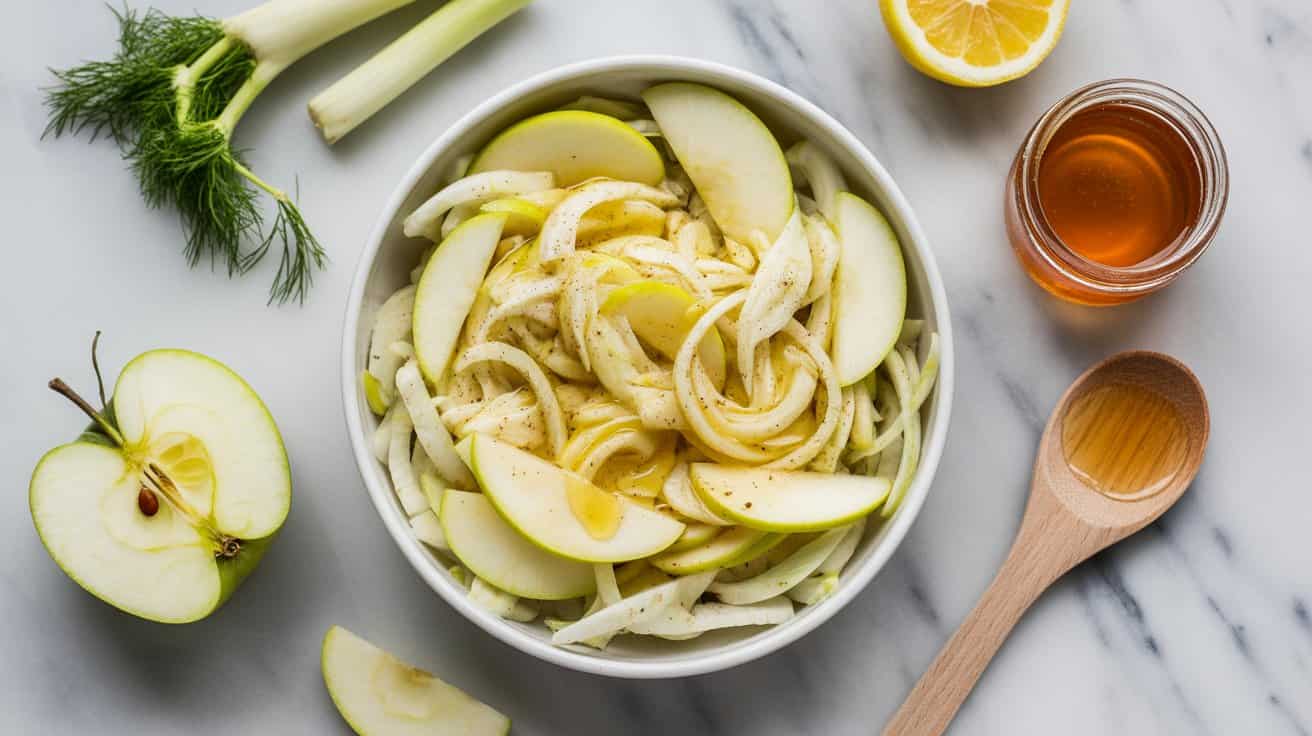
Slice both ingredients thinly and dress them close to serving.
Fennel fronds can replace extra herbs and keep the side focused.
Which Coq au Vin Sides Can You Make Ahead?
The amount of sauce determines the starch portion. A reduced, glossy braise needs only a small puree, while a looser sauce can support noodles, polenta, or bread that catches more liquid.
Dark-meat chicken remains juicy and can handle a bitter vegetable. When the dish uses lean breast meat, choose tender beans or carrots rather than strongly bitter endive.
Bacon adds smoke and salt, so taste the braise before seasoning potatoes and greens. Unsalted butter and fresh lemon often provide enough finish.
Pearl onions already supply sweetness. Turnips, carrots, and parsnips should receive vinegar or mustard rather than a sugary glaze.
Do not pour sauce over the green vegetable before serving. Keeping it separate preserves color and lets the diner decide how much wine flavor reaches each bite.
A baguette is most useful when the meal starts with salad and has no other starch. With potatoes or noodles on the plate, bread becomes an unnecessary third sauce catcher.
For a formal dinner, plate the starch first, set chicken partly over it, and place the vegetable to the side. This keeps the sauce controlled and the green color visible.
For family service, pass puree and vegetables in warm bowls while leaving salad cool. A shallow serving dish prevents chicken pieces from disappearing under sauce.
Keep a ladle beside the braise so each diner controls the sauce. Pouring all of it over a shared starch can make the last portions heavy and wet.
Farro and lentils suit a rustic version, but keep the grain dressing light. The braise should supply the dominant wine and herb flavors.
If the coq au vin contains little bacon, toasted nuts can add a crisp note to beans or salad. Skip them when almonds already appear on the table.
Vegetarian guests need a separate main rather than a larger pile of sides because the coq au vin sauce contains chicken and often bacon.
| Side | Make-ahead window | Finish |
|---|---|---|
| Mashed potatoes | 4 hours | Reheat with milk |
| Parsnip or celeriac puree | 1 day | Warm over low heat |
| Green beans | Blanch 1 day | Sauté during rest |
| Roasted roots | 4 hours | Reheat uncovered |
| Salad | Wash 1 day | Dress at service |
Coq au vin often tastes better after a night in the refrigerator because the braise settles. Reheat it gently while purees warm in a separate pot.
Finish green vegetables last and keep salad cold. Warm plates protect the sauce and puree while guests sit down.
Remove solid fat from the chilled braise before reheating. The cleaner sauce makes mashed potatoes and polenta taste less greasy.
Bring the braise to a gentle simmer rather than a hard boil. High heat can dry the chicken before the sides are ready.
Check the sauce after reheating because it may become thicker overnight. Add a small amount of unsalted stock before choosing how much starch to serve.
Rest the hot braise for a few minutes while the green vegetable finishes. This pause lets the sauce settle without leaving the beans or salad waiting.
When dinner includes a starter, reduce the starch on each plate and keep the vegetable portion steady. The braise still needs clear color and texture even when guests arrive with less appetite.
Plain buttered mashed potatoes work best because they absorb sauce without adding another strong flavor.
Yes. Use plain white rice or a light pilaf and add a green vegetable.
A frisée or bitter-leaf salad with mustard vinaigrette gives the best contrast.
Two sides are enough. Choose one sauce-catching starch and one green or bitter vegetable.
Usually no. The braise already contains mushrooms, so another vegetable adds more range.

Carrie is a food writer and editor with more than 15 years of experience. She has worked for some of the biggest names in the food industry, including Bon Appétit, Food & Wine, and Martha Stewart Living.
As the Editor in Chief of EpicureDelight, Carrie oversees all of the content on the site. She also manages the team of contributing writers and editors, who help to create delicious recipes, helpful tips, and informative articles that you’ll find on the site.
A native of the Chicago area, Carrie is passionate about all things food. She loves trying new restaurants and experimenting with new recipes in her kitchen. She’s also a graduate of the Culinary Institute of America, so she knows a thing or two about food!