Coquilles St Jacques is one of those French classics that looks impossibly elegant on the table yet comes together faster than most people expect.
Scallops baked in a creamy mushroom and Gruyère sauce, served right in the shell, it is a dish that earns its reputation every single time.
The rich cream sauce means the sides you choose need to hold their own without competing. Too heavy and the whole meal feels leaden; too plain and you lose the occasion entirely.
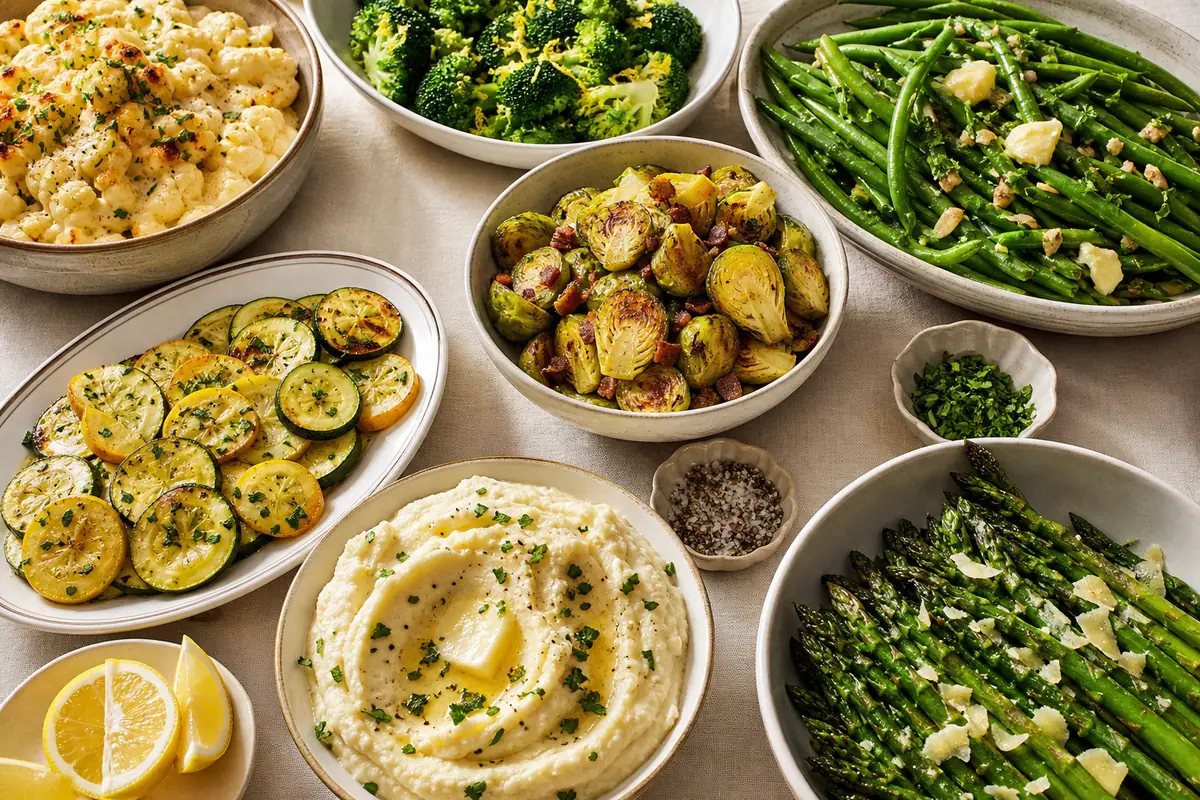
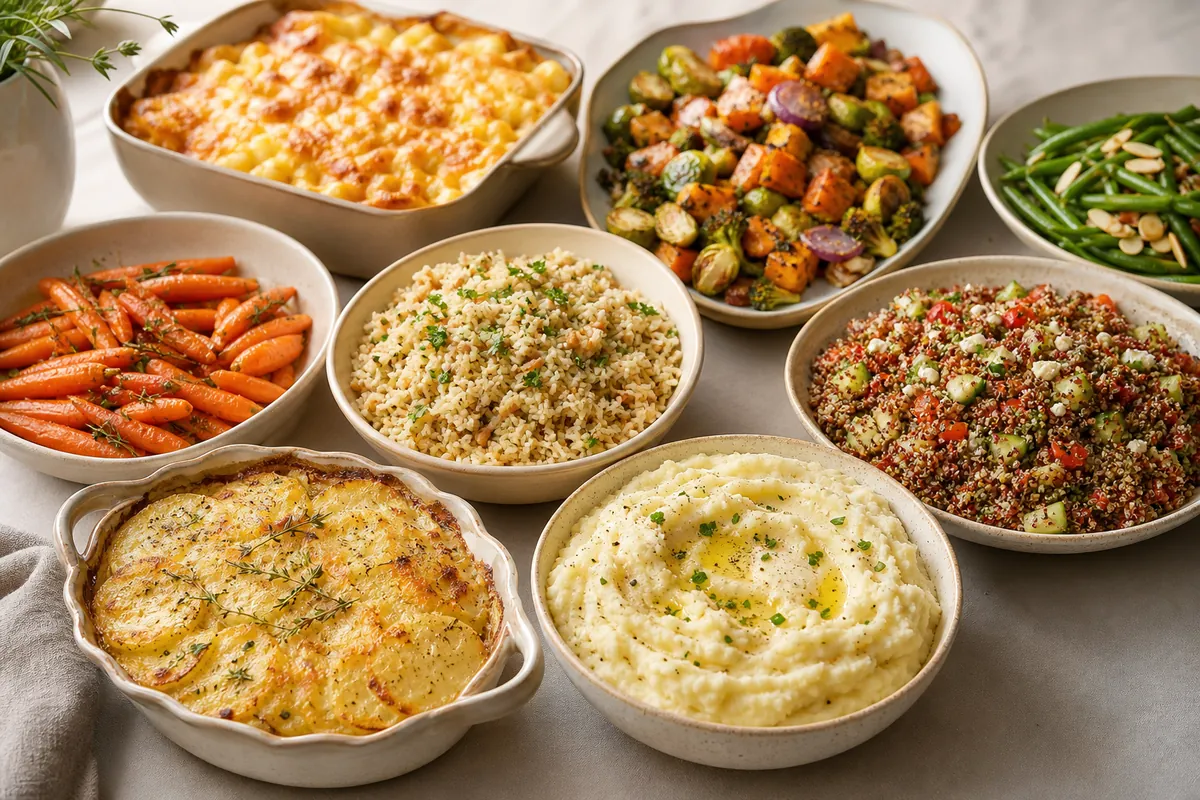
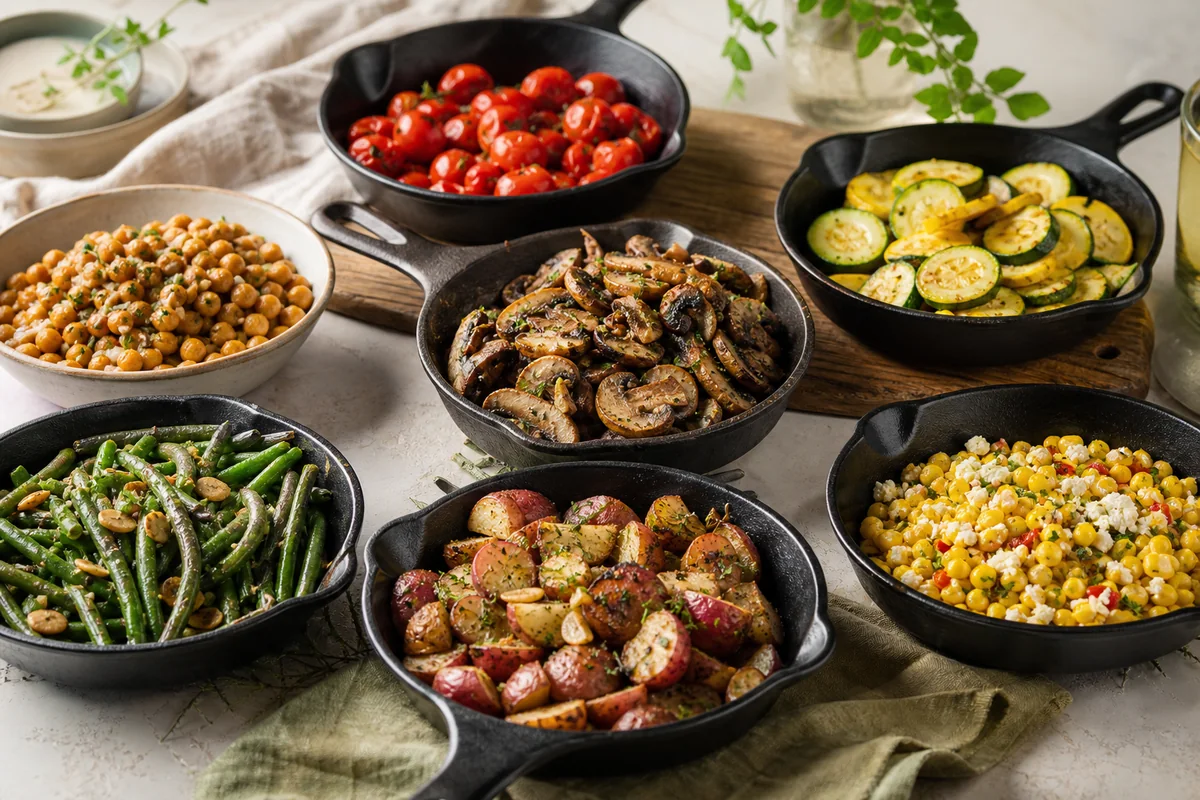
We have pulled together 10 sides that hit the right notes, from silky starches to bright citrus-forward salads. Each one is here for a specific reason, and we will tell you exactly what that reason is.
If you are planning a full French-inspired spread, these same pairing principles apply to dishes like sauces that work with salmon en croûte, where cream and delicate seafood flavors need equally thoughtful companions.
The best sides for Coquilles St Jacques balance the dish's rich cream sauce without overwhelming the delicate scallop flavor. Lean toward light starches, fresh salads, and roasted vegetables with citrus or acidity to cut through the richness.
10 Top Sides to Serve with Coquilles St Jacques
1. Paris Mash
Coquilles St Jacques is a French classic built on scallops, mushrooms, and melted Gruyère cheese, baked until golden and served traditionally in scallop shells. It works as both a starter and a main, depending on portion size.
Paris Mash is the ideal starch companion because it mirrors the dish's richness without adding competing flavors. The key is using equal parts butter to potato by weight, which gives you that velvety, almost pourable texture Joël Robuchon made famous.
Use fresh scallops whenever possible. Plump, dry-pack scallops sear cleaner and release less water, which matters when the dish is baked in a cream sauce.
For the mushrooms, shiitake or oyster varieties add more depth than standard button mushrooms. They hold their texture better under heat and bring an earthiness that keeps the dish from tasting one-dimensional.
Use a good-quality Gruyère, not a pre-shredded blend. Real Gruyère melts smoothly and adds a nutty, slightly sharp note that pulls the whole dish together.
If you want to build even more flavor into the mash, fold in a tablespoon of crème fraîche and a pinch of white pepper. Avoid over-whipping once the butter goes in, or the starch will break and turn gluey.
2. Lemon Zucchini Risotto
Lemon zucchini risotto is a natural match for scallops because the citrus cuts straight through the cream sauce. Use Arborio or Carnaroli rice, both of which have the starch content needed to create that characteristic silky consistency.
The lemon zest is non-negotiable here. Add it at the end, off the heat, so the fragrant oils stay bright rather than cooking off.
Simmer the risotto slowly over medium-low heat and stir every 30 seconds to coax the starch out gradually. Rushing this step produces chalky, uneven grains instead of the creamy result you want.
A few tips to push this side further:
- Add crispy pancetta at the end for a smoky contrast that plays well against the zucchini's mild sweetness.
- Stir in freshly grated Parmigiano-Reggiano off the heat for depth and a glossy finish.
- Top with a fried egg if serving as a standalone supper alongside the Coquilles St Jacques.
This risotto also pairs well alongside other rich sides for creamy pasta dishes, where the same balance of starch and acidity applies.
3. Roasted Brussels and Sweet Potatoes
Roasted Brussels sprouts and sweet potatoes bring color and textural contrast to a plate that is otherwise all cream and pale gold. Roast at 425°F for 25 to 30 minutes, flipping once at the halfway mark to get even caramelization on both sides.
The nutty, slightly charred edges of the Brussels sprouts are what make this pairing work. That bitterness provides exactly the counterpoint the rich scallop cream sauce needs.
The sweet potatoes soften and turn creamy at the center while their edges crisp up. Cut them into 1-inch cubes so they finish at the same time as the sprouts.
A drizzle of balsamic vinegar and honey in the final 5 minutes of roasting adds a tangy-sweet glaze that ties both vegetables together. A pinch of flaky salt right before serving sharpens everything.
4. Sautéed Green Beans with Almonds
Sautéed green beans with almonds is fast, simple, and exactly the kind of side that does not distract from the main event.
Blanch the beans in salted boiling water for 2 minutes, then drop them straight into ice water to lock in that bright green color and snappy texture.
From there, a quick sauté in butter over high heat finishes the job. Sliced almonds go in for the last 90 seconds, just long enough to turn golden without burning.
The crunch of the almonds against the tender beans gives this side a textural dimension the Coquilles St Jacques does not have. That contrast is what makes it such a reliable companion.
A squeeze of lemon juice and a small handful of leafy greens on the side rounds out the plate if you want more volume without adding heaviness.
Garlic or shallots can go into the butter before the beans if you want more aromatics in the mix.
5. Spaghetti Squash with Roasted Garlic Cream Sauce
Spaghetti squash with roasted garlic cream sauce is a lower-carb alternative to pasta that still delivers the richness and comfort you want at a dinner party.
The squash strands hold the cream sauce well and have a mild, slightly sweet flavor that does not overpower the scallops.
Roast the squash halves cut-side down at 400°F for 40 minutes until the strands pull apart easily with a fork. For the garlic, roast a whole head wrapped in foil at the same temperature for 35 minutes until the cloves are soft and caramelized.
Squeeze the roasted garlic directly into a simple cream sauce with a splash of white wine and a grating of Parmigiano-Reggiano. The result is mellow, nutty, and velvety without being as heavy as a straight béchamel.
This side is also a good make-ahead option. You can find practical ideas for preparing sides ahead of time so the rest of your dinner comes together without stress.
6. Kale and Berry Salad
A kale and berry salad is the freshest, most acidic option on this list, which is exactly why it works so well against a cream-heavy main. The tannins in raw kale and the tartness of fresh berries cut through the Gruyère and cream sauce cleanly.
Massage the kale with a tablespoon of olive oil and a squeeze of lemon for at least 2 minutes before assembling. This breaks down the tough cell structure and takes away most of the bitterness.
Add fresh blueberries or sliced strawberries, crumbled feta, and slivered almonds for crunch. Dress with a simple red wine vinaigrette rather than a creamy dressing, since the main course already has plenty of richness.
This salad is also a genuinely nutritious choice. For anyone building a menu around fiber-rich options, the list of high-fiber sides that actually taste good has plenty more ideas worth bookmarking.
7. Quinoa Tabbouleh
Quinoa tabbouleh swaps traditional bulgur wheat for quinoa, which adds a heartier texture and a higher protein content of around 8 grams per cup cooked. The flavor of quinoa is neutral enough that the parsley, mint, lemon, and tomatoes stay firmly in charge.
Use flat-leaf parsley generously here. Traditional tabbouleh is mostly herb with grain, not the other way around, and that herb-forward ratio is exactly what makes it refreshing alongside a rich French seafood dish.
Roasting the cherry tomatoes at 375°F for 20 minutes before adding them concentrates their sweetness and adds a slightly jammy quality that raw tomatoes cannot match. The feta brings a salty, creamy contrast that ties the whole salad together.
For a variation, try goat cheese in place of feta. It is slightly softer and more tangy, and it melts just a little into the warm quinoa if you add it while the grain is still slightly warm.
8. Roasted Beet, Orange, and Fennel Salad
Roasted beet, orange, and fennel salad is a winter-ready side that looks stunning on the table and pairs brilliantly with scallops. Beets roasted in foil at 400°F for 45 to 55 minutes retain their color and turn tender all the way through without drying out.
The orange adds juicy sweetness, and the fennel brings a mild anise note that complements seafood particularly well. Thinly slice the fennel on a mandoline if you have one, or use a sharp knife to get paper-thin shards that soften slightly when dressed.
This combination is a natural fit alongside other citrus-forward pairings, similar to how bright flavors work in a well-built Greek salad to balance rich mains. A simple Dijon vinaigrette with white wine vinegar is all the dressing this salad needs.
Use Chioggia or golden beets alongside regular red beets for a more visually dramatic plate. Blood oranges, when in season, make the citrus flavor noticeably sharper and more complex.
Finish with a handful of chopped flat-leaf parsley or fresh thyme and a scattering of toasted walnuts for crunch. This salad holds well for up to 2 hours dressed, making it easy to prepare before guests arrive.
9. Butternut Squash and Apple Soup
Butternut squash and apple soup works as a first-course pairing with Coquilles St Jacques, especially in autumn. The soup is lightly sweet from the apple and earthy from the squash, making it a gentle opener that does not pre-empt the scallop flavors.
Use Granny Smith apples for the most pronounced tartness, or Braeburn for a rounder sweetness. Roast the squash at 400°F before blending for a deeper, more caramelized flavor compared to straight stovetop cooking.
A stick blender gives a smooth, velvety texture directly in the pot. Add a splash of crème fraîche or a swirl of full-fat yogurt when serving to add richness without making it heavy.
Crumbled bacon and chopped chives on top add salt and color. For a vegetarian garnish, toasted pumpkin seeds bring crunch and enough visual interest to make the bowl feel finished.
10. Sweet Potato and Black Bean Enchiladas
Sweet potato and black bean enchiladas are a bold, unexpected pairing with Coquilles St Jacques, and they work precisely because they introduce a completely different flavor register.
The smoky chili sauce and earthy black beans are a direct contrast to the cream and Gruyère of the scallop dish.
This side is vegan and naturally gluten-free when you use corn tortillas, making it a reliable option for mixed-dietary tables. The black beans deliver about 15 grams of protein and 15 grams of fiber per cup, which adds real substance to the meal.
Load the enchiladas with onion, garlic, roasted sweet potato, and a pinch of chipotle powder before rolling. Bake at 375°F for 20 to 25 minutes until the sauce is bubbling and the edges of the tortillas are lightly crisped.
Top with diced avocado, fresh cilantro, or a spoonful of sour cream. This dish also pairs well alongside a simple rice side, and if you want a reliable method for a fluffy base, our guide to perfectly cooked jasmine rice covers the technique in full.
10 Ideal Accompaniments for Coquilles St Jacques
These 10 sides cover every angle of a Coquilles St Jacques dinner, from a silky Paris Mash that matches the dish's richness to a bright kale and berry salad that cuts straight through it.
The right choice depends on whether you are serving the scallops as a starter or a main.
For a dinner party main, pair with one starch and one salad. Paris Mash plus the roasted beet and fennel salad is a combination that looks elegant and balances the richness of the cream sauce without any effort.
For a lighter occasion, skip the starch entirely and go with the quinoa tabbouleh and sautéed green beans. Both can be made ahead, which matters when you are managing multiple dishes at once and need to simplify timing.
Each option on this list adds something specific: acidity, crunch, sweetness, or freshness. Whichever you choose, you are giving the scallops the supporting cast they deserve.
And if you want to explore how other greens perform alongside seafood mains, the guide to Southern collard greens has a technique-focused approach worth reading.

Carrie is a food writer and editor with more than 15 years of experience. She has worked for some of the biggest names in the food industry, including Bon Appétit, Food & Wine, and Martha Stewart Living.
As the Editor in Chief of EpicureDelight, Carrie oversees all of the content on the site. She also manages the team of contributing writers and editors, who help to create delicious recipes, helpful tips, and informative articles that you’ll find on the site.
A native of the Chicago area, Carrie is passionate about all things food. She loves trying new restaurants and experimenting with new recipes in her kitchen. She’s also a graduate of the Culinary Institute of America, so she knows a thing or two about food!