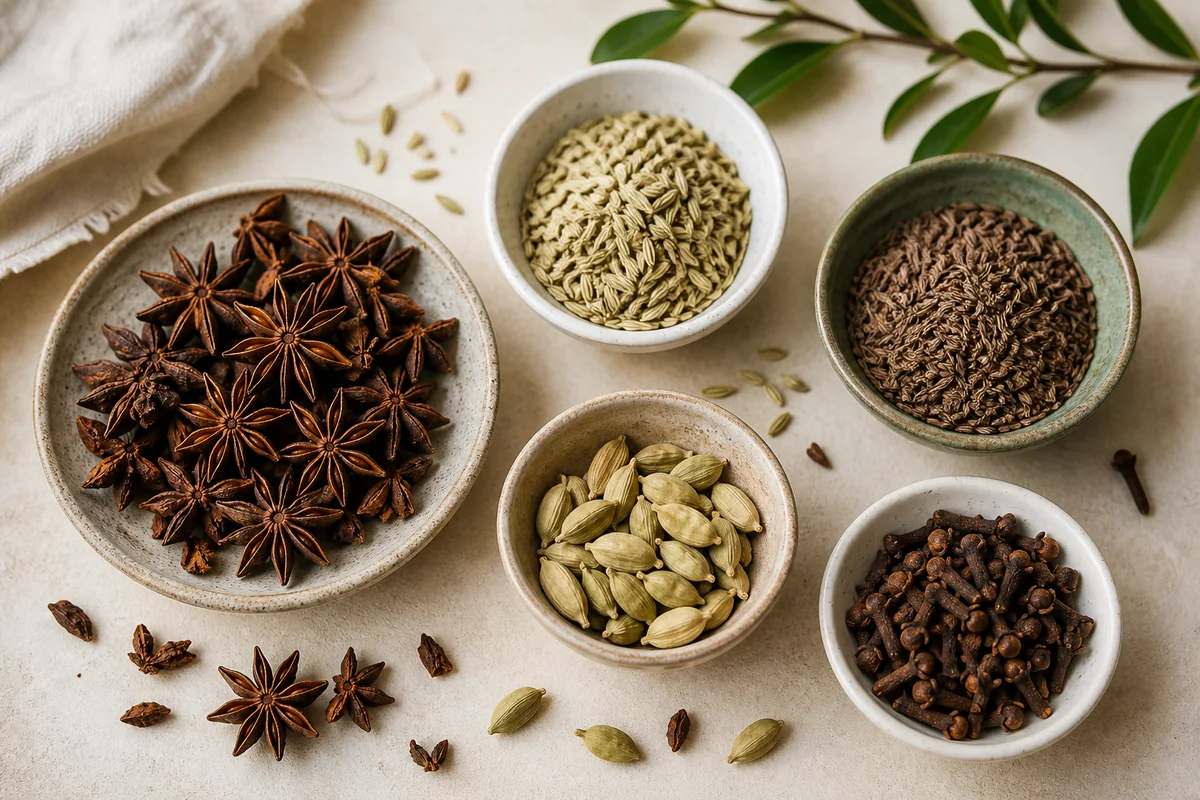
That deep, woodsy base that makes a mushroom risotto or a braised short rib taste like it took hours? Most of that comes from a good mushroom stock substitute doing the heavy lifting.
Running low mid-recipe is frustrating, but a few smart swaps will keep that savory depth intact.
Each option below includes a ratio and a "skip if" constraint so you can match the swap to your exact dish. Some swaps add body, some add pure umami, and a couple do both.
Mushroom broth is the closest 1:1 swap for most recipes. Rehydration liquid from dried mushrooms gives even more flavor if you strain it carefully. Vegetable stock with sautéed mushrooms, meat broth with mushroom powder, and water with white miso round out the list for every cooking context.
5 Best Mushroom Stock Substitutes Ranked by Use Case
| # | Substitute | Best For | Ratio | Key Note |
|---|---|---|---|---|
| 1 | Mushroom broth (store-bought) | Both | 1:1 | Reduce 5 min for body |
| 2 | Rehydration liquid (dried mushrooms) | Both | 1:1 | Strain before using |
| 3 | Vegetable stock + sautéed mushrooms | Both | 1:1 | Simmer to develop flavor |
| 4 | Beef/chicken broth + mushroom powder | Both | ¾:1 | Not vegetarian-friendly |
| 5 | Water + white miso paste | Both | 1:1 | Umami, not body |
Choosing comes down to three things: flavor strength, salt level, and whether you can simmer the swap for a few minutes to concentrate it. If your dish is salt-sensitive, skip soy or miso-based options unless you cut added salt elsewhere.
If you often reach for pale golden stock as a base, you'll find that mushroom-forward swaps behave a little differently. They carry more earth and less sweetness, so taste as you go.
1. Mushroom Broth (Store-Bought)
Store-bought mushroom broth is the fastest path to the same flavor profile. It won't have the same concentration as a long-simmered stock, but a quick 5-to-8 minute simmer over medium heat closes that gap.
Use this with common fresh mushroom swaps when you're building a dish that layers mushroom flavor from multiple angles. The broth and the mushroom pieces together do more than either one alone.
- Ratio: 1:1 in any recipe calling for mushroom stock
- Salt check: Read the label; some brands run salty - pull back on any added salt by half
- Concentrate it: Simmer uncovered for 5-8 minutes to mimic a thicker stock
- Best for: Soups, risottos, braises, pan sauces
Skip if: Your label already shows high sodium and your recipe adds more salt later.
2. Rehydration Liquid (Dried Mushrooms)
Soaking dried porcini or shiitake mushrooms in hot water for 20 minutes produces a liquid that is darker and more intense than most store-bought options. The flavor is earthy and concentrated, sometimes almost smoky.
The main hazard is grit: mushroom sediment settles at the bottom of the bowl and will turn a silky sauce grainy if you pour carelessly.
That deep savory character is exactly what this liquid delivers at its best, especially for slow braises and gravies.
- Ratio: 1:1, replacing mushroom stock directly
- Straining: Pour through a fine-mesh strainer; leave the last bit behind to avoid sediment
- Intensity: Stronger than stock - dilute with a splash of water if the flavor is too concentrated
- The solids: Chop the rehydrated mushrooms and add them back to soups or sauces
Skip if: You're short on time or can't strain thoroughly - grit shows up clearly in smooth sauces.
3. Vegetable Stock + Sautéed Mushrooms
This is the smartest fridge-forage option when you have fresh mushrooms and a carton of vegetable stock. Sauté one cup of sliced mushrooms in a little butter or oil over medium-high heat until they release their liquid and start to brown, about 6 minutes.
Then pour in your vegetable stock, simmer for 10 minutes, and use the whole thing at a 1:1 ratio.
The sauté step matters. Skipping it leaves the stock tasting flat, almost vegetal.
Browning the mushrooms first builds that roasted, savory note that makes this swap convincing. For choosing which mushrooms work best, picking a wilder variety over standard white buttons adds more depth to the finished stock.
Skip if: You're short on time. This swap needs at least 15 minutes of active cooking to develop proper body.
4. Beef or Chicken Broth + Mushroom Powder
A bowl of hearty beef stew or a pan sauce for roasted pork doesn't need a vegetarian base. For those dishes, meat broth works well as the liquid foundation.
The trick is to use ¾ cup of broth per 1 cup of stock called for, then stir in ¼ to ½ teaspoon of mushroom powder to restore the earthy character. That slight reduction also accounts for the higher salt level most meat broths carry.
Swapping in a lighter poultry base keeps the final dish less heavy than beef broth, which is useful for cream-based soups or lighter pasta sauces.
- Ratio: ¾ cup broth + ¼-½ teaspoon mushroom powder per 1 cup mushroom stock
- Salt control: Taste before adding any extra seasoning - most meat broths are already salted
- Beef broth: Works for dark, hearty dishes; can overpower delicate sauces
- Chicken broth: Lighter and more neutral - better for soups and cream sauces
- Mushroom powder: Find it in the spice aisle or grind dried mushrooms yourself in a small blender
Skip if: Your dish is vegetarian or you're cooking for someone who avoids meat products.
5. Water + White Miso Paste
White miso dissolved in warm water is a surprisingly effective emergency swap, particularly for baking recipes or broths where you mainly need savory depth rather than thick body. Stir 1 tablespoon of white miso into 1 cup of warm water until fully dissolved before adding it to your recipe.
Light or white miso is the right call here - red miso is sharper and saltier, and it can pull the flavor in a direction you don't want.
White Miso + Water
Works for: baking, light soups, delicate sauces, quick stovetop use
Skip if: you need broth thickness or are making a dark, meaty braise
Soy Sauce + Water
Works for: bold, umami-heavy dishes where color doesn't matter
Skip if: your recipe is salt-heavy or you need a pale, light-colored sauce
White miso options are covered more thoroughly in lighter fermented swaps if you want to compare pastes before buying.
- Ratio: 1 tablespoon white miso per 1 cup warm water; use 1:1 in place of mushroom stock
- Dissolve fully: Whisk or press through a small strainer - clumps will not break down during cooking
- Salt check: Miso is salty; cut any added salt in your recipe by at least half
- Baking use: Add directly to wet ingredients and reduce other sodium by 1 teaspoon per cup of miso water used
Skip if: Your recipe needs a full-bodied broth. Miso water adds umami but no real thickness.
Making Mushroom Stock Substitutes Work
The swap itself is the easy part. Getting consistent results means following a short sequence: pick by dish type first, then adjust salt and umami, then decide whether to concentrate.
For bold braises and soups, start with a broth-based swap and simmer uncovered for 5 minutes to build body. For lighter dishes or baking where choosing a lower-sodium option is worth the extra thought, reach for miso or mushroom powder blends instead.
- Pick by dish type: Body-forward dishes (soups, braises) need broth; umami-forward dishes (baking, thin sauces) work with miso or powder
- Adjust salt first: Taste your swap before adding it - soy and miso swaps often need you to pull back on other salt in the recipe
- Concentrate if thin: Simmer any liquid swap uncovered for 3-6 minutes to deepen flavor before using
Frequently Asked Questions
Yes, vegetable stock works 1:1 in most soups. Add a teaspoon of mushroom powder or a splash of soy sauce to restore the earthy, savory depth that plain vegetable stock lacks.
White miso dissolved in water works well in savory baking. It adds umami without a strong miso taste, but cut other sodium in the recipe by at least half to compensate.
Yes, always strain through a fine-mesh strainer lined with a paper towel. Sediment at the bottom of the soaking bowl will make smooth sauces gritty if poured in directly.
Store-bought mushroom broth or rehydration liquid from dried mushrooms are the top vegetarian choices. Both are 1:1 swaps and keep the dish fully plant-based.
Add a splash of plain water or unsalted stock to dilute. A small squeeze of lemon juice also helps balance excess salt without thinning the dish noticeably.
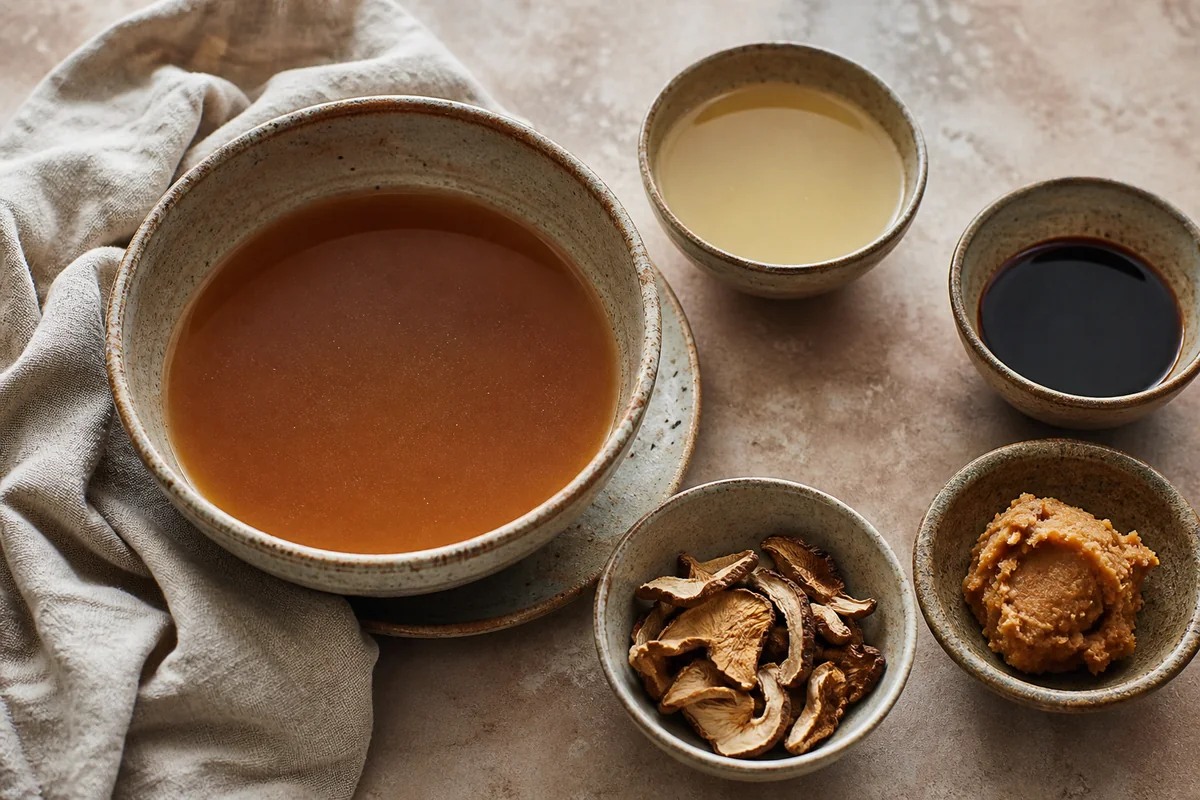
5 Best Mushroom Stock Substitutes (Easy Swaps)
Ingredients
Equipment
Method
- Identify your dish: soup/sauce/braising usually wants body (broth) while baking often benefits from umami (miso/seasonings).
- Pick the substitute that matches your flavor need, then apply the listed ratio in place of mushroom stock.
- If the swap is weaker, simmer 3–6 minutes to concentrate; if it’s saltier (soy/miso), reduce added salt in your recipe.
- Strain any mushroom-derived liquids (especially rehydration liquid) to avoid grittiness.
- Taste at the end and fine-tune with acid (lemon/vinegar) to balance richness if needed.
Notes
- If your recipe includes salt, reduce it when using soy sauce or miso-based swaps.
- For best texture in sauces, concentrate the substitute slightly before adding it to the dish.
Tried this recipe?
Let us know how it was!
Carrie is a food writer and editor with more than 15 years of experience. She has worked for some of the biggest names in the food industry, including Bon Appétit, Food & Wine, and Martha Stewart Living.
As the Editor in Chief of EpicureDelight, Carrie oversees all of the content on the site. She also manages the team of contributing writers and editors, who help to create delicious recipes, helpful tips, and informative articles that you’ll find on the site.
A native of the Chicago area, Carrie is passionate about all things food. She loves trying new restaurants and experimenting with new recipes in her kitchen. She’s also a graduate of the Culinary Institute of America, so she knows a thing or two about food!