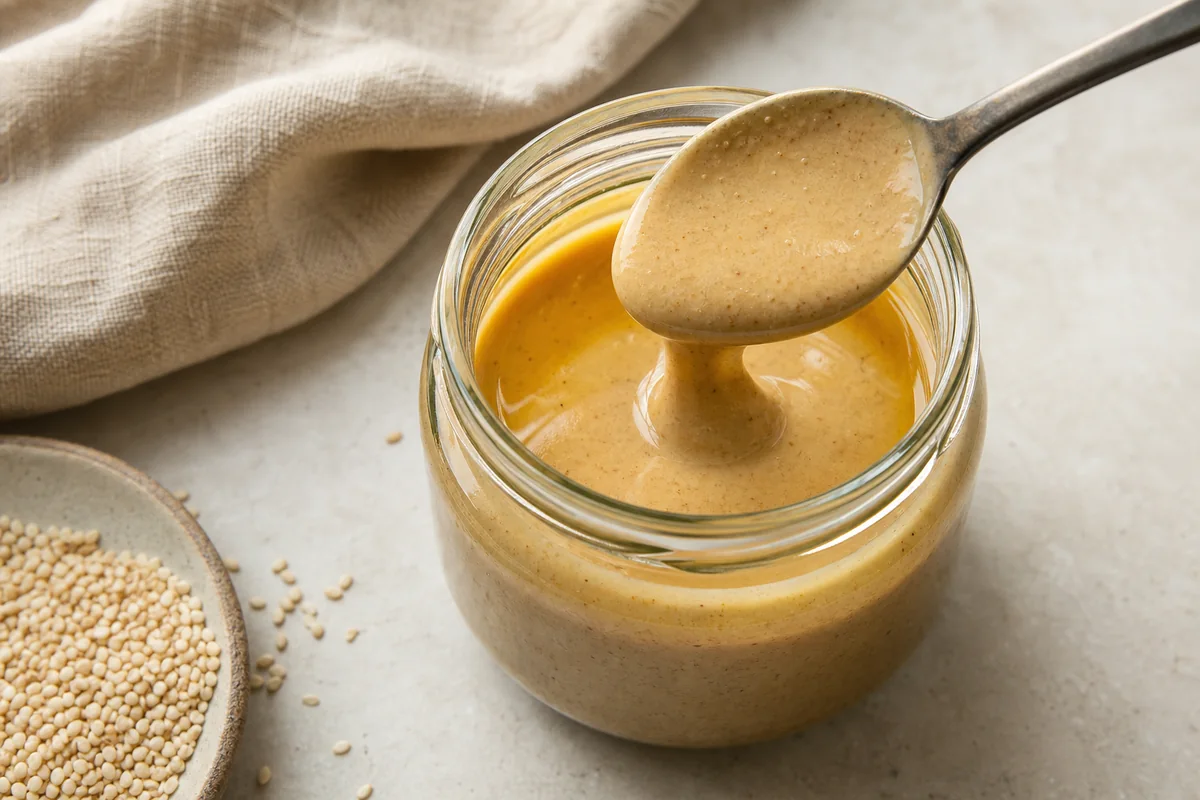
Nutella tastes like a very sweet milk-chocolate spread with roasted hazelnut, vanilla, and a smooth oily finish.
It is sweeter and silkier than natural hazelnut butter, with much less bitterness than dark chocolate.
The first impression is sugar and mild cocoa.
Hazelnut becomes clearer as the spread warms in your mouth, while milk powder and vanillin leave a soft candy-like finish.

Nutella tastes sweet, creamy, chocolatey, and hazelnut-forward, with more sugar and milk than dark chocolate intensity. Warm spread smells nuttier, while cold spread tastes thicker and sweeter because it melts slowly.
What Does Nutella Taste Like?
Sweetness arrives before any other flavor.
The sugar is strong enough that Nutella reads as a dessert spread even when you put only a thin layer on bread.
Mild cocoa follows, but it does not bring the dry bitterness of dark chocolate. The flavor sits closer to sweet milk chocolate with a toasted edge.
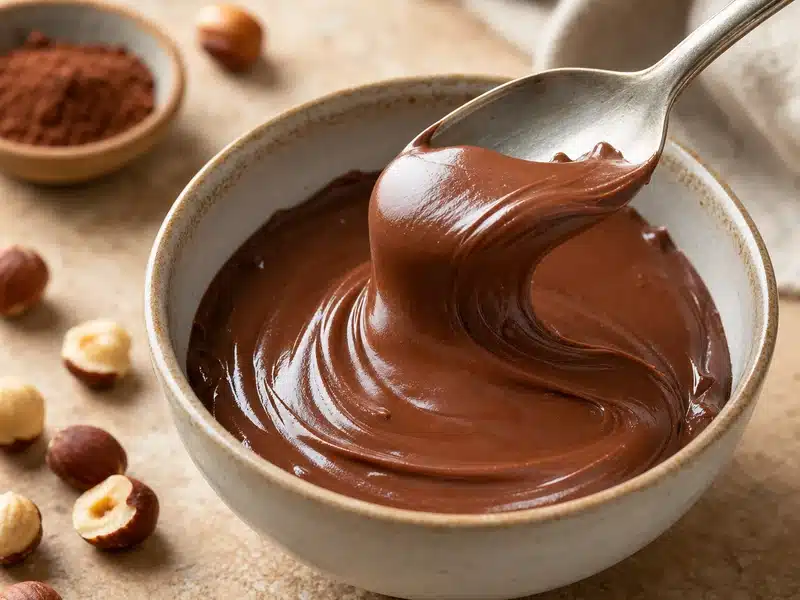
Roasted hazelnut appears in the aroma and middle of the bite. It is softer than the flavor of whole toasted nuts, so readers familiar with hazelnut flavor should expect less woody depth and no crunchy skin note.
Cocoa fills the middle of the bite
The cocoa tastes rounded because milk powder and sugar cover most of its roast bitterness. It gives Nutella a chocolate identity without the dry finish or sharp snap of a dark bar.
Roasted hazelnut becomes clearer as the spread melts
The nut aroma grows after the fat warms on the tongue. It adds a toasted background rather than the direct, earthy taste of a spoonful of unsweetened hazelnut butter.
The finish is creamy and vanilla-like
The finish is creamy, slightly oily, and close to the soft candy aroma described in vanilla flavor. That coating lets the sweetness linger longer than it would in a square of chocolate.
There is no crunch in the standard spread. Anyone expecting chopped hazelnuts or wafer pieces will get a uniform texture from the first swipe to the last.
It does not taste like plain chocolate syrup. Nutella has more body, a clear nut aroma, and enough fat to hold its flavor on toast instead of soaking in.
Why Does Nutella Taste More Like Sugar and Cocoa Than Hazelnut?
Nutella tastes more chocolate-like at first, but the aroma is distinctly hazelnut. Sugar and cocoa speak quickly, while the roasted nut note builds as the spread warms.
The official formula lists seven ingredients. Sugar and palm oil create the sweet, smooth base, then hazelnuts, skim milk powder, cocoa, lecithin, and vanillin shape the flavor and texture.
One listed market formula contains 13 percent hazelnuts. That is enough to make the aroma recognizable, but it is far less nut-forward than a natural hazelnut butter made mostly from nuts.
Skim milk powder softens the cocoa edge and gives the spread a milk-chocolate impression. Vanillin reinforces the sweet aroma even after the roasted nut note fades.
Plain hazelnut butter puts the nut first
Choose Nutella for a sweet cocoa-hazelnut spread. Choose a natural hazelnut butter alternative when you want roasted nut flavor to lead and sugar to stay in the background.
Dark chocolate brings a cleaner bitter finish
Compared with the broader range of chocolate flavors, Nutella sits on the milky and sweet end. It lacks the snap, roast bitterness, and clean melt of a dark chocolate bar.
How Does Temperature Change Nutella?
| Condition | Texture | Flavor effect | Best use |
|---|---|---|---|
| Cool room temperature | Thick and spreadable | Balanced cocoa and hazelnut | Toast, crepes, or fruit |
| Refrigerated | Firm and slow to melt | Less aroma and muted sweetness | Small filled bites |
| Gently warmed | Loose and glossy | Stronger nut aroma and faster sweetness | Drizzle or sauce |
| Baked into dough | Soft pocket or blended swirl | Less contrast against sugar and flour | Cookies, rolls, or pastries |
Temperature changes which part of Nutella you notice first. Cold firms the fat and quiets the aroma, while gentle warmth releases hazelnut and vanilla notes.
A cold jar can tear soft bread because the spread is stiff. Let the portion stand briefly at room temperature rather than heating the whole jar, which protects the remaining texture.
Warm Nutella also seems sweeter because it spreads across the tongue faster. Use a thinner drizzle than you would use from a cool jar, then taste the full bite before adding more.
Baking can make Nutella seem less hazelnut-heavy because browned flour and sugar compete with its aroma. A visible swirl keeps more contrast than mixing it fully into batter.
What Foods Balance Nutella's Sweetness?
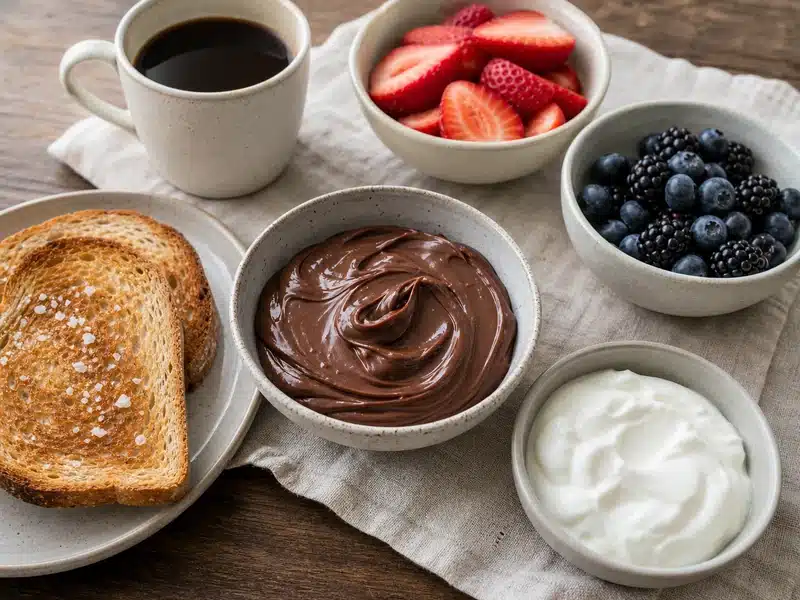
Bitter, tart, salty, and plain foods make Nutella taste more balanced. Very sweet partners such as ripe banana or frosted cake push the sugar forward instead.
Bitter drinks shorten the sweet finish
Espresso or black coffee adds roast bitterness without adding another creamy layer. Sip it after the bite so the coffee clears the oily coating before the next spoonful.
Tart fruit adds acid and fresh water
Strawberries bring direct acidity, while blueberries add a milder skin tartness. Both make the spread feel less dense than banana does.
Blackberries give the strongest seed crunch and tart finish of the three. Their slight bitterness also brings cocoa forward.
Salt and plain bases expose the hazelnut
Salted toast adds crunch and sharpens the roasted note. Plain Greek yogurt or a tangy yogurt alternative gives the spread a cool base, while crisp apple slices dilute sweetness without adding a soft dessert texture.
A thin layer often tastes more nutty than a thick spoonful because bread or fruit breaks up the sugar coating. Start with 1 tablespoon and add more only if the base still dominates.
Salt changes the order of the flavor without making the spread less sweet. A few grains on toast sharpen cocoa first, then leave the hazelnut easier to notice in the finish.
Nutella also suits the soft, lightly eggy flavor described in our crepe flavor notes. Use tart fruit beside the crepe when you want a sharper finish.
How Does Nutella Compare with Nut Butter and Chocolate Frosting?
Nutella sits between nut butter and frosting, but it does not copy either one.
It spreads like a soft nut butter and tastes as sweet as many frostings.
Natural peanut butter feels thicker and may have a slight grain from ground nuts. Chocolate frosting can feel fluffy or sugary, while Nutella stays dense, glossy, and completely smooth.
Nutella also melts sooner than many frostings because it is designed as a spread rather than a cake coating. On warm bread it flows into the surface, while peanut butter usually keeps a thicker layer.
Nutella
Sweet cocoa leads, roasted hazelnut follows, and the texture melts into a smooth coating.
Natural peanut butter
Roasted nut flavor leads, sweetness stays lower, and the texture is thicker or slightly grainy.
Chocolate frosting
Sugar and cocoa lead, nut aroma is absent, and the texture may be fluffy or powdered-sugar sweet.
If you dislike dark chocolate because of bitterness, Nutella will taste much gentler. If you want a spread that tastes mainly of roasted nuts, it may seem too sweet.
Nutella can replace peanut butter on toast when extra sweetness is welcome, but it supplies less roasted-nut depth and less protein. As a cake filling, it stays denser than whipped frosting and may flow when the cake or room is warm.
Sources
- Nutella official quality and ingredients page for the seven-ingredient formula.
- Nutella product ingredient listing for the listed hazelnut, milk powder, and cocoa percentages.
Frequently Asked Questions
No. Its cocoa is mild and the high sweetness covers most roast bitterness.
No. Refrigeration makes it firm and mutes the aroma, so follow the jar label and keep it at a stable room temperature.
They share sweet cocoa and hazelnut notes. Nutella lacks the wafer crunch, whole nut, and distinct chocolate shell.
Nutella contains hazelnuts and milk, and its ingredient list also names soy lecithin. Check the current jar label for allergen details before serving it.

Carrie is a food writer and editor with more than 15 years of experience. She has worked for some of the biggest names in the food industry, including Bon Appétit, Food & Wine, and Martha Stewart Living.
As the Editor in Chief of EpicureDelight, Carrie oversees all of the content on the site. She also manages the team of contributing writers and editors, who help to create delicious recipes, helpful tips, and informative articles that you’ll find on the site.
A native of the Chicago area, Carrie is passionate about all things food. She loves trying new restaurants and experimenting with new recipes in her kitchen. She’s also a graduate of the Culinary Institute of America, so she knows a thing or two about food!