
Ground coriander is the best general cumin substitute. Start with ½ teaspoon of ground coriander for every 1 teaspoon of cumin, then add more only after the dish cooks for a few minutes because coriander keeps the earthy direction without making the food bitter.
The right swap depends on the dish because chili powder fits beans and taco meat, caraway works in cabbage and bread, and smoked paprika replaces smoke better than earthiness. Use the table first, then check the candidate's failure point before you season.

Use ground coriander at half the amount for the safest all-purpose cumin swap. Chili powder or taco seasoning works better in Tex-Mex food, while paprika helps when the dish mainly needs warmth or smoke.
Which Cumin Substitute Fits the Cooking Job?
Cumin brings earthy warmth, a faint bitter edge, and a toasted aroma. One replacement rarely supplies all three, so the best choice is the spice that restores the note your dish will miss most.
| # | Substitute | Start With | Best Use | Main Risk |
|---|---|---|---|---|
| 1 | Ground coriander | ½ amount | Soups, beans, sauces | Brighter, less smoky |
| 2 | Caraway seed | ¼ amount | Cabbage, rye, roasts | Licorice-like edge |
| 3 | Chili powder | ½ amount | Chili, beans, taco meat | Extra heat and salt |
| 4 | Taco seasoning | ½ amount | Tex-Mex fillings | Salt and garlic |
| 5 | Garam masala | ½ amount | Lentils, chickpeas, curry | Sweet spice |
| 6 | Curry powder | ½ amount | Stews, soups, vegetables | Yellow color and turmeric |
| 7 | Paprika | ½ amount | Rub, stew, roasted food | Little earthy depth |
| 8 | Fennel seed | A pinch | Sausage, tomato sauce | Sweet anise flavor |
If the recipe needs several teaspoons of cumin, do not replace the full amount at once. Cook the smaller dose into the food, taste the sauce or broth, and repair the missing note at the end.
Match the form because one teaspoon of whole cumin seeds does not behave like one teaspoon of ground cumin, and the seeds release flavor more slowly. When the recipe blooms whole seeds in oil, crush the replacement lightly and watch the pan so the smaller pieces do not burn.
1. Ground Coriander
Ground coriander is the most flexible substitute because it stays warm and earthy without pulling the recipe into a new cuisine. It tastes lighter than cumin and carries a mild citrus note, so half the amount is a safe start.
Best Overall Ratio
Replace 1 teaspoon of ground cumin with ½ teaspoon of ground coriander. Taste after simmering, then increase toward ¾ teaspoon only if the dish still tastes flat.
Add coriander early enough for it to bloom in oil or simmer in liquid. If the dish loses cumin's darker warmth, add a small pinch of paprika or black pepper rather than doubling the coriander.
Coriander works in a rub, but it will not create cumin's smoke. Mix it with smoked paprika when the food needs a grilled aroma, and avoid extra acid until you taste the cooked surface because coriander already reads brighter.
2. Caraway Seeds
Caraway has an earthy seed flavor, yet it is sharper and more licorice-like than cumin. Crush the seeds before measuring so one bite does not receive a whole burst of flavor.
Start with ¼ teaspoon of crushed caraway for each teaspoon of cumin. It fits cabbage, potatoes, roasted carrots, sausage, and rye-based dishes, but it is a poor match for taco meat because the sweet anise note can fight chile and lime.
Let the crushed seed toast in oil for 20 to 30 seconds, then add the wet ingredients.
If the first aroma smells like licorice, stop there because more cooking will soften the edge but will not remove it. A fennel seed swap helps when you need another seed but want to compare the anise risk first.
3. Chili Powder
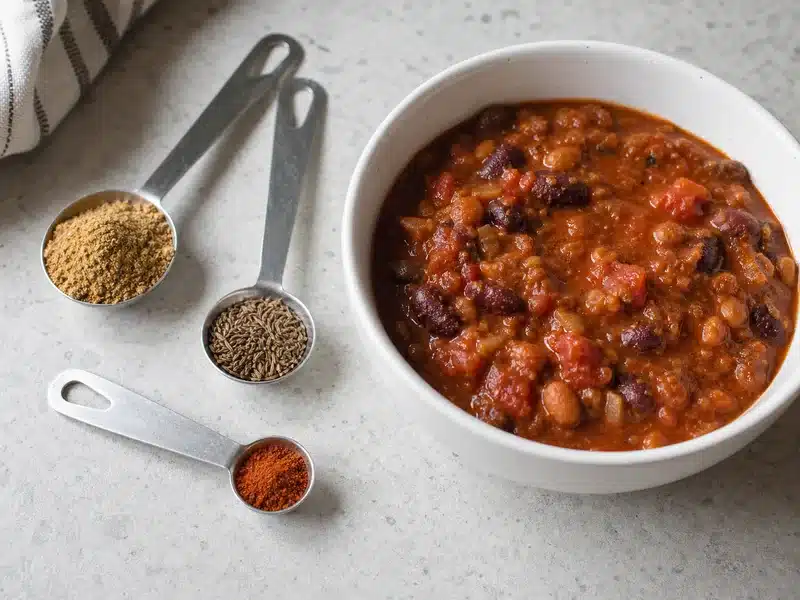
Many American-style chili powders already contain cumin along with ground chile, garlic, oregano, and sometimes salt. That makes the blend useful in chili, black beans, enchilada sauce, and taco filling.
- If salt appears high on the label: hold back the recipe's added salt.
- If cayenne or hot chile appears early: start below half the cumin amount.
- If the blend smells mild: use half the amount, simmer, and adjust.
Do not use this swap in bread, yogurt sauce, or a pale soup unless chile flavor belongs there. For a milder route, combine coriander with a little ancho-style warmth.
Brand style matters more than color because a dark mild blend may add ancho sweetness, while a bright red hot blend can change one pot with the same measured spoon. Compare chili powder options when you need to rebuild the blend instead of replacing only cumin.
4. Taco Seasoning
Taco seasoning can replace cumin inside a Tex-Mex meal, but it replaces more than one spice. A packet may add salt, chile, garlic, onion, starch, and oregano at the same time.
For one pound of ground meat, add half the taco seasoning you would normally use, then skip extra salt until the filling has simmered. If it becomes too salty, add unsalted tomato, beans, or a spoonful of water rather than more meat seasoning.
The same packet behaves differently in a dry pan and a saucy pan. Water and tomato spread the salt through more food, while a dry filling concentrates it on the meat, so add the liquid the recipe expects before making the final salt decision.
This choice works for tacos, nachos, and skillet beans, but it does not belong in hummus, bread, or a curry that only needs cumin. Use a taco seasoning alternative when the packet itself is the missing ingredient.
5. Garam Masala
Garam masala often contains cumin, but cardamom, cinnamon, clove, and black pepper can make the dish warmer and sweeter. Start at half the cumin amount and add it later in cooking so its aroma does not disappear.
| Dish | When It Works | When To Skip It |
|---|---|---|
| Lentils or chickpeas | The recipe welcomes warm spice | The sauce should stay clean and lemony |
| Meat curry | Other sweet spices are present | Cumin should be the only earthy note |
| Roasted vegetables | Caramelized edges can hold clove and cinnamon | The seasoning needs to taste smoky |
| Taco filling | Rarely | Sweet spice pulls the flavor away from Tex-Mex |
If the recipe already uses garam masala, increase that ingredient slightly instead of adding a second full dose. A garam masala swap helps when you need to rebuild the whole blend.
6. Curry Powder
Curry powder can work because many blends contain cumin and coriander. It also brings turmeric, so expect a yellow color and a broader spice flavor.
Start at half the cumin amount in lentil soup, vegetable stew, chickpea filling, or a creamy sauce. The liquid spreads the blend evenly and gives turmeric time to lose its raw edge.
Curry powder changes the color and flavor of a pale yogurt dip, bread dough, or taco filling, so ground coriander gives you more control in those jobs. If the blend is missing too, compare the Madras curry powder options.
7. Smoked Or Sweet Paprika
Paprika replaces warmth and color better than cumin's earthy base. Choose smoked paprika for grilled meat, beans, or roasted vegetables, while sweet paprika fits a dish that needs red color without smoke.
In a dry rub, paprika also covers more surface than a small dose of coriander. Mix the two before applying the rub so one bite does not receive only smoke while another receives only citrus-like spice.
- Smoked paprika works when the missing cumin made the dish taste dark or fire-roasted.
- Sweet paprika works when the dish needs mild warmth and color but no extra smoke.
Start with ½ teaspoon for each teaspoon of cumin. Add a small amount of coriander if the food still lacks earthiness.
Hot paprika can raise the heat fast, so treat it like a chile rather than a color spice. The smoked paprika options explain how to rebuild smoke another way.
8. Fennel Seeds
Fennel is a narrow last resort, not a close cumin match. Crush a small pinch and use it only when sausage, tomato, onion, or roasted vegetables can accept a sweet anise note.
Do not use a one-for-one ratio. A pinch may support a pan of tomato sauce, while a full teaspoon can make the whole dish taste like licorice.
Skip fennel in chili, taco meat, hummus, and most bean dishes. If fennel is also missing, use a fennel seed swap rather than stacking unrelated seeds.
How Do You Fix the Dish After the Swap?
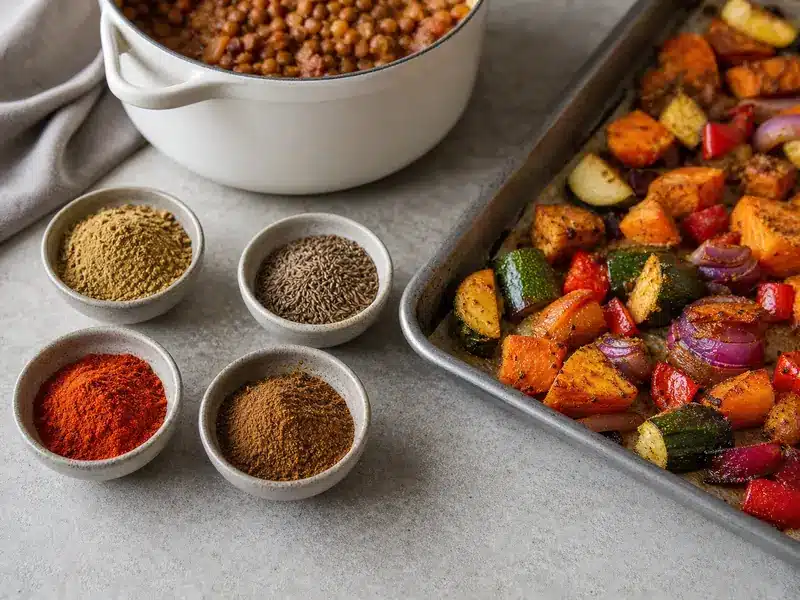
Wait until the spice has bloomed or simmered before you judge it. Raw spice can taste dusty and sharp, while a cooked sauce may need a different correction.
| The Dish Tastes | Add | Why |
|---|---|---|
| Flat or pale | A pinch of smoked paprika or black pepper | Restores warmth without another full dose |
| Too sweet or perfumed | Lemon juice or mild vinegar | Sharpens a garam masala or fennel swap |
| Too hot | Unsalted tomato, dairy, beans, or broth | Dilutes chile heat |
| Too salty | More unsalted food or liquid | Spreads salt through a larger volume |
| Bitter | Fat and a small sweet note | Rounds toasted or overused spice |
- Taste one spoonful with all the main ingredients in it.
- Name the missing or excessive note before adding anything.
- Make one small correction, simmer for a minute, and taste again.
Do not keep adding the substitute because the dish does not taste exactly like cumin. Once the food has warmth, depth, and balance, the swap has done its job, and allspice substitutes belong only when sweet spice already fits the recipe.
Frequently Asked Questions
Ground coriander is the closest practical all-purpose substitute. Start with half the amount because its flavor is brighter and less smoky.
Yes, if cumin is a small background note. In chili, curry, or a dry rub, replace some of its warmth so the dish does not taste flat.
Yes in Tex-Mex food. Check the label first because chili powder may add salt, garlic, oregano, and extra heat.
No. Turmeric adds yellow color and an earthy bitter note, but it does not copy cumin's toasted aroma. Curry powder is usually a better route when turmeric fits.
Most options should start at half the cumin amount or less. Cook, taste, and increase only when the dish still lacks warmth.

Carrie is a food writer and editor with more than 15 years of experience. She has worked for some of the biggest names in the food industry, including Bon Appétit, Food & Wine, and Martha Stewart Living.
As the Editor in Chief of EpicureDelight, Carrie oversees all of the content on the site. She also manages the team of contributing writers and editors, who help to create delicious recipes, helpful tips, and informative articles that you’ll find on the site.
A native of the Chicago area, Carrie is passionate about all things food. She loves trying new restaurants and experimenting with new recipes in her kitchen. She’s also a graduate of the Culinary Institute of America, so she knows a thing or two about food!



