Vegan gingerbread cookies get their dark color and chew from molasses, with no egg in the dough. The molasses supplies moisture, baking soda reacts with its acid for a little lift, and a full tablespoon of ground ginger carries the flavor.
They belong on a vegan Christmas dinner menu as the dessert that needs a 2-hour dough chill before it can be rolled and cut.
One batch makes about 20 cookies with a 3-inch cutter, at about 176 calories each with plain icing. The baked cookies keep for a week, so they can be done days before mains like the lentil walnut loaf take over the oven.
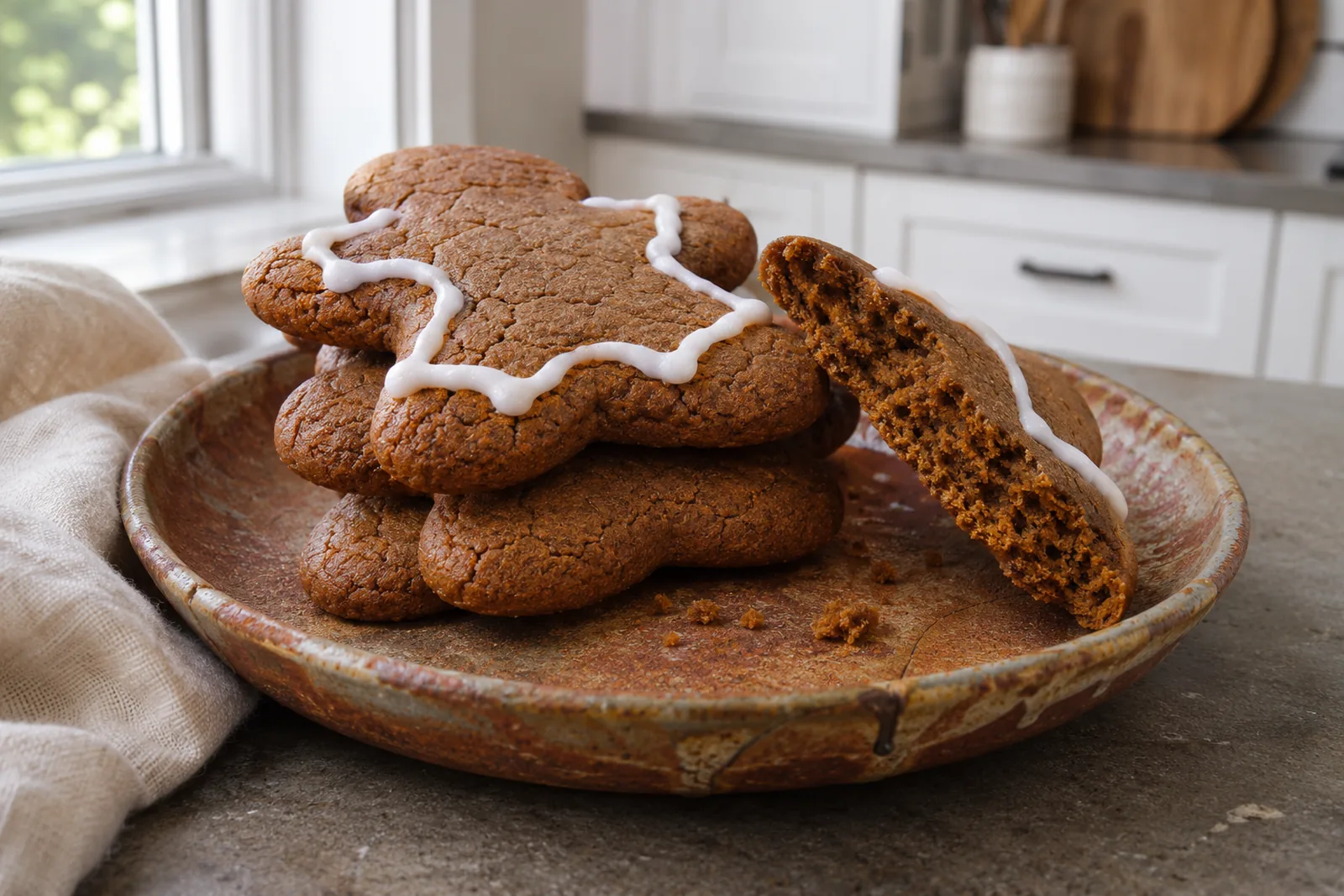
Spiced vegan gingerbread cookies made with molasses and plant milk, rolled from a 2-hour chilled dough.
Save These Gingerbread Cookies
Soft vegan gingerbread cut-outs with molasses and no egg, rolled ¼ inch thick and baked in 10 minutes.
Why This Vegan Gingerbread Works
- Molasses replaces the egg. A half cup brings the moisture and the dark color, and its acid reacts with 1 teaspoon of baking soda so the cookies puff slightly in the oven.
- Ginger leads, cloves stay quiet. One tablespoon of ginger and 2 teaspoons of cinnamon set the flavor, while ½ teaspoon of cloves is already the strongest note in the dough.
- Brown sugar keeps the centers soft. It holds moisture better than white sugar, so a 10-minute bake leaves a chewy middle.
- The 2-hour chill sets the vegan butter. Cold dough keeps the 3-inch shapes sharp instead of spreading into soft blobs on the sheet.
- The icing is two ingredients. Powdered sugar and plant milk dry to a firm, matte layer in about an hour, which lets cookies stack on a tray.
Use unsulphured molasses: it tastes sweet and mild, while blackstrap molasses is noticeably bitter and takes over the cookie.
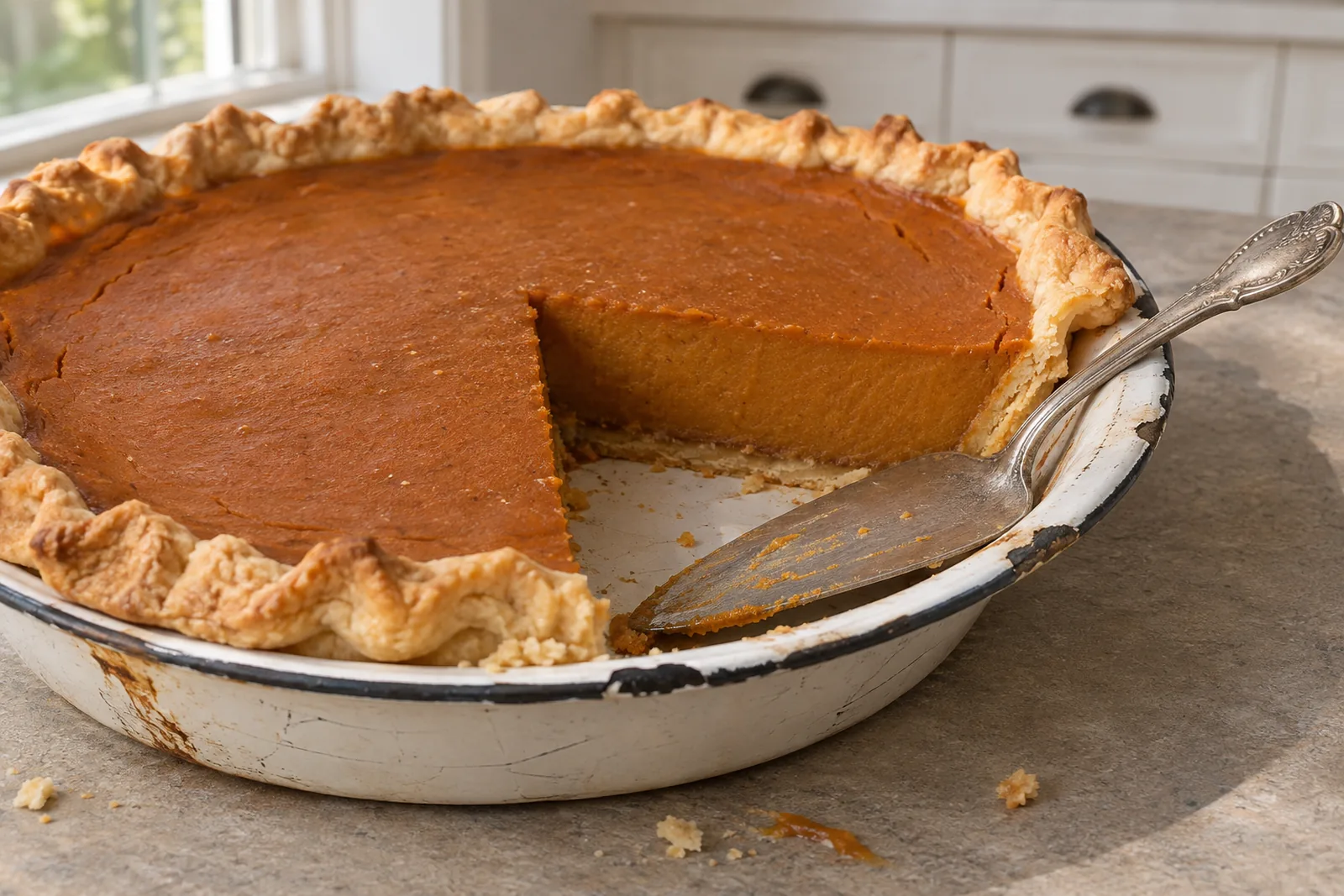
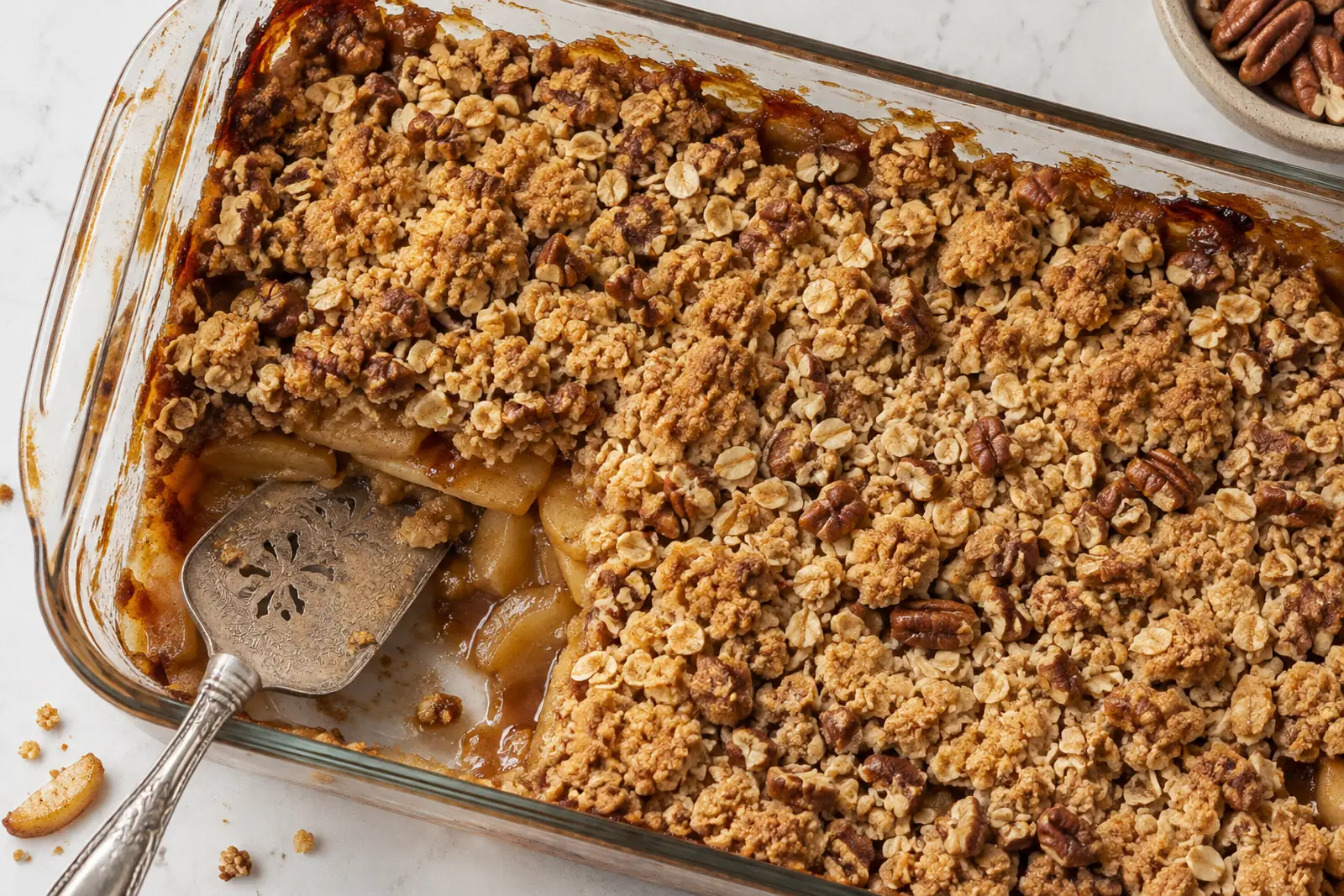
These four spices, cinnamon, ginger, nutmeg and cloves, are the same ones that go into pumpkin pie spice, so gingerbread fits a table that already has pumpkin. It works as a second spiced dessert beside a plant-based pumpkin pie or an oat-topped apple crisp.
What You Need
Two choices matter here: stick-style vegan butter and unsulphured molasses. Tub spreads hold more water than sticks, and the dough spreads on the sheet when it is made with them.
- 3 cups all-purpose flour, spooned and leveled
- 1 teaspoon baking soda
- ½ teaspoon fine salt
- 1 tablespoon ground ginger
- 2 teaspoons ground cinnamon
- ½ teaspoon ground cloves
- ¼ teaspoon ground nutmeg
- ½ cup vegan butter, stick style, softened
- ½ cup dark brown sugar, packed
- ½ cup unsulphured molasses
- 2 tablespoons unsweetened plant milk
- 1 teaspoon vanilla extract
- 1 cup powdered sugar
- 4 teaspoons unsweetened plant milk, plus a few drops as needed
Ingredient Details
- MolassesChoose unsulphured, not blackstrap. Spray the measuring cup with cooking spray first so the molasses slides out.
- Vegan butterRead the label: some plant-based sticks contain whey or casein from milk. A product marked vegan avoids both.
- SugarsSome cane sugar is filtered through bone char, and brown and powdered sugar made from it are not vegan. Pick labels marked vegan or organic, or sugar from beets, which skips bone char.
- Ground clovesMeasure level. A heaped ½ teaspoon makes the cookies taste sharp and numbs the tongue.
- FlourSpoon it into the cup and level it; 3 cups is about 360 g. Scooping packs in extra flour and the cookies turn dry.
Ingredient Swaps
Four gaps come up most often: no dark brown sugar, no cloves, no molasses, or a different plant milk. Each swap below keeps the original amount, so the dough stays the same weight.
- Light brown sugar for dark: use ½ cup packed. The cookies bake slightly lighter in color and taste a little milder.
- No ground cloves: use ½ teaspoon ground allspice, and see our list of clove replacements for other options.
- No molasses: changing it alters the color, the moisture and the baking soda reaction, so read molasses substitutes for the ratio of each option before baking.
- Another plant milk: oat, soy or almond milk all work, as long as it is unsweetened.
Rolled ¼ inch, baked 10 minutes
A chewy middle and edges that keep the cutter's shape. This is the version in the recipe below.
Makes about 20 cookies, and the dark dough hides browning, so doneness is judged by touch.
Rolled ⅛ inch, baked 8 to 9 minutes
A crisp snap that survives stacking in a gift tin, and nearly twice as many cookies from the same dough.
Thin edges go from done to scorched in about a minute, so watch the oven from minute 7.
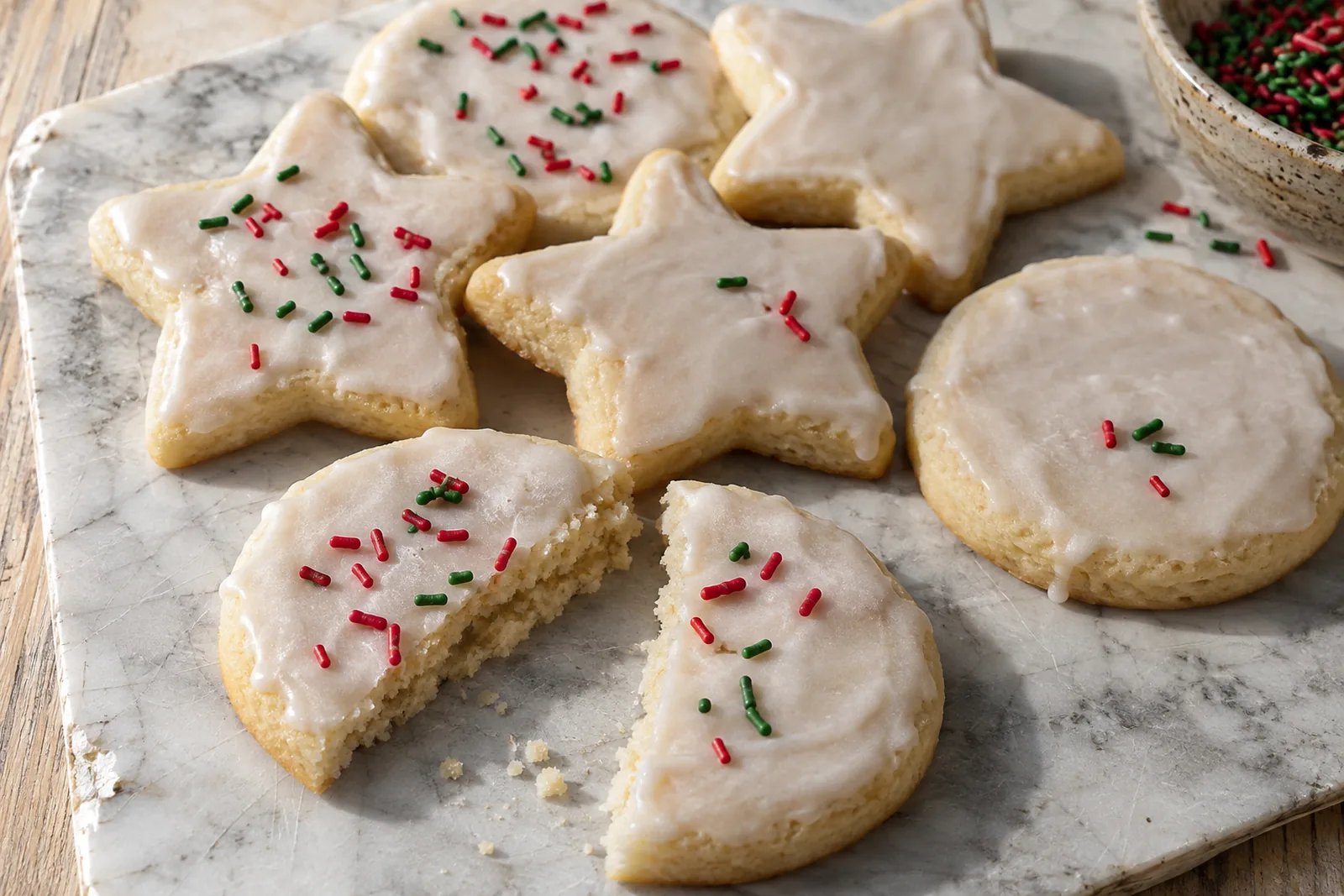
A cookie tray looks best with contrast, so set the dark gingerbread beside plain cut-out sugar cookies and a batch of chocolate chip cookies for anyone who skips the spice.
How to Make Vegan Gingerbread Cookies
Set an oven rack in the center and have two rimmed baking sheets (about 18x13 inches), parchment paper and a 3-inch cookie cutter ready. A hand mixer makes creaming the butter quicker, though a wooden spoon works when the butter is soft.
- Mix the dry ingredients. Whisk 3 cups flour, 1 teaspoon baking soda, 1 tablespoon ground ginger, 2 teaspoons ground cinnamon, ½ teaspoon ground cloves, ¼ teaspoon ground nutmeg and ½ teaspoon fine salt in a medium bowl.
- Cream the butter and sugar. Beat ½ cup softened vegan butter with ½ cup packed dark brown sugar for 2 minutes, until smooth and lighter in color.
- Add the wet ingredients. Beat in ½ cup molasses, 2 tablespoons plant milk and 1 teaspoon vanilla. Add the dry mixture in two additions on low speed until no dry flour shows.
- Chill the dough. Divide the soft, slightly sticky dough into 2 discs about 1 inch thick. Wrap them and chill 2 hours, or up to 3 days.
- Roll the dough. Heat the oven to 350°F and line 2 baking sheets with parchment. Roll one disc between 2 sheets of parchment to ¼ inch thick, letting a stiff disc sit 5 minutes first.
- Cut the cookies. Cut with a 3-inch cutter and set 10 cookies 2 inches apart on each sheet. Re-roll the scraps once.
- Bake 10 minutes. Bake one sheet at a time in the center of the oven, until the edges are set, the tops look matte and the centers spring back. Keep the second sheet in the fridge until its turn.
- Cool the cookies. Cool them on the sheet 5 minutes, then move them to a wire rack for at least 30 minutes. They feel soft at first and firm up as they cool.
- Ice and set. Stir 1 cup powdered sugar with 4 teaspoons plant milk until thick like toothpaste. Pipe or spoon it over the cookies and let it set about 1 hour, until a fingertip leaves no dent.
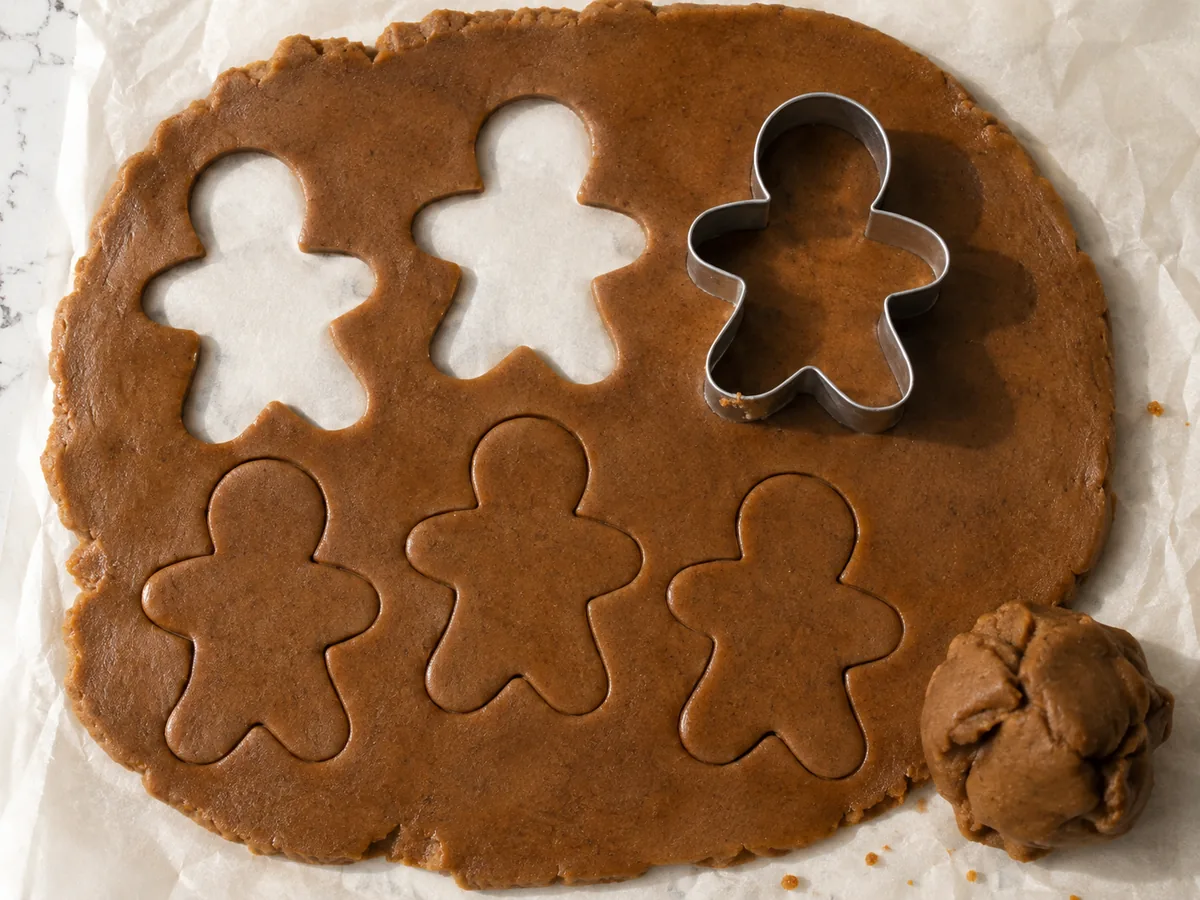
At the cutting stage the dough should look smooth, soft and matte, and it should lift cleanly with the cutter. Cold dough cracks at the edges and warm dough smears on the cutter: let a cracked disc sit 5 minutes, or slide a smeared sheet of cut cookies into the fridge for 10 minutes.
Gingerbread dough is already dark, so color is a poor doneness cue. Go by the matte top and the spring-back, and take the sheet out at 10 minutes: every extra minute moves the cookie from chewy toward crisp.
What to Serve With It
A gingerbread cookie wants one creamy drink and one plain cookie beside it. The molasses and clove are strong enough that a second spiced sweet on the same plate gets lost.
| Pairing | Prep | Why It Works |
|---|---|---|
| Dairy-free eggnog | Easy | Cold and creamy against warm, sharp spice |
| Plain sugar cookies | Medium | A mild cookie that rests the palate |
| Hot black tea | Easy | Its bitterness balances the molasses sweetness |
| Cold plant milk | Easy | A mild drink for dunking soft cookies |
Pour a small glass of eggnog next to 2 cookies, and alternate rows of plain sugar cookies with the gingerbread on the tray. Brew the tea 4 minutes and serve it unsweetened, and pour ¾ cup of cold plant milk per guest.
For the festive version of the drink, pour dairy-free eggnog in small glasses so it stays cold while guests work through the tray.
Serve iced gingerbread with plain sugar cookies and one creamy drink: the plain cookie rests the palate and the drink tames the clove.
Store and Reheat
Cool the cookies fully before storing, or the icing softens and the cookies stick together. Iced cookies keep 1 week in an airtight container at room temperature, with parchment between layers.
The dough keeps 3 days in the fridge, and the freezer times in the list below follow USDA FoodKeeper storage times for dough and cookies. Our guide to how long cookies last covers other cookie types.
| Method | Time | Best For |
|---|---|---|
| Oven | 3 to 4 minutes at 300°F | Bringing back a soft, warm cookie |
| Microwave | 8 to 10 seconds per cookie | One warm cookie, with the icing softening |
| Frozen cookies | 30 minutes at room temperature | Thawing in a single layer, unwrapped |
| Frozen dough disc | Overnight in the fridge | Rolling after a long make-ahead |
- Freeze un-iced baked cookies in a single layer on a sheet, then bag them for up to 3 months, and ice after thawing.
- Wrap each dough disc tightly and freeze up to 2 months; thaw overnight in the fridge.
- Keep iced cookies in single layers so the icing does not smear.
- Store soft and crisp cookies in separate tins; the crisp ones soften next to the chewy ones.
On the day of a big dinner the oven belongs to the main dishes, so spread the work over three days. Mix and chill the dough up to 3 days ahead, bake the day before and ice that morning, which leaves the oven free for a mushroom Wellington or a lentil shepherd's pie.
Sources
Frequently Asked Questions
The dough was too warm or the butter was a soft tub spread. Chill the dough the full 2 hours, use stick-style vegan butter, and slide the cut cookies into the fridge for 10 minutes if the kitchen is warm.
Yes. Wrapped discs keep 3 days in the fridge or 2 months in the freezer. Thaw frozen discs overnight in the fridge, then let a stiff disc sit 5 minutes before rolling.
Roll the dough to ¼ inch, take the sheet out at 10 minutes while the centers still feel soft, and store the cooled cookies airtight with parchment between layers. Baking even 2 minutes longer turns the middle crisp.
No. The dough has no egg, but raw flour can carry germs that only baking kills, so cook the cookies before anyone eats them. Wash hands, bowls and counters after handling the dough.
They contain gluten, because all-purpose flour is wheat. They are nut-free when the plant milk is oat or soy; almond milk adds a tree nut, and oat milk can carry gluten unless it is labeled gluten-free.
Vegan Gingerbread Cookies
Ingredients
Equipment
Method
- Mix the dry ingredients. Whisk 3 cups flour, 1 teaspoon baking soda, 1 tablespoon ground ginger, 2 teaspoons ground cinnamon, ½ teaspoon ground cloves, ¼ teaspoon ground nutmeg and ½ teaspoon fine salt in a medium bowl.
- Cream the butter and sugar. Beat ½ cup softened vegan butter with ½ cup packed dark brown sugar for 2 minutes, until smooth and lighter in color.
- Add the wet ingredients. Beat in ½ cup molasses, 2 tablespoons plant milk and 1 teaspoon vanilla. Add the dry mixture in two additions on low speed until no dry flour shows.
- Chill the dough. Divide the soft, slightly sticky dough into 2 discs about 1 inch thick. Wrap them and chill 2 hours, or up to 3 days.
- Roll the dough. Heat the oven to 350°F and line 2 baking sheets with parchment. Roll one disc between 2 sheets of parchment to ¼ inch thick, letting a stiff disc sit 5 minutes first.
- Cut the cookies. Cut with a 3-inch cutter and set 10 cookies 2 inches apart on each sheet. Re-roll the scraps once.
- Bake 10 minutes. Bake one sheet at a time in the center of the oven, until the edges are set, the tops look matte and the centers spring back. Keep the second sheet in the fridge until its turn.
- Cool the cookies. Cool them on the sheet 5 minutes, then move them to a wire rack for at least 30 minutes. They feel soft at first and firm up as they cool.
- Ice and set. Stir 1 cup powdered sugar with 4 teaspoons plant milk until thick like toothpaste. Pipe or spoon it over the cookies and let it set about 1 hour, until a fingertip leaves no dent.
Nutrition
Notes
- Chill the dough 2 hours; it keeps 3 days in the fridge.
- Roll ¼ inch for chewy cookies, ⅛ inch for crisp ones.
- Pull the sheet at 10 minutes; centers firm up as they cool.
- Freeze un-iced cookies up to 3 months; iced cookies keep 1 week.
Tried this recipe?
Let us know how it was!
Carrie is a food writer and editor with more than 15 years of experience. She has worked for some of the biggest names in the food industry, including Bon Appétit, Food & Wine, and Martha Stewart Living.
As the Editor in Chief of EpicureDelight, Carrie oversees all of the content on the site. She also manages the team of contributing writers and editors, who help to create delicious recipes, helpful tips, and informative articles that you’ll find on the site.
A native of the Chicago area, Carrie is passionate about all things food. She loves trying new restaurants and experimenting with new recipes in her kitchen. She’s also a graduate of the Culinary Institute of America, so she knows a thing or two about food!