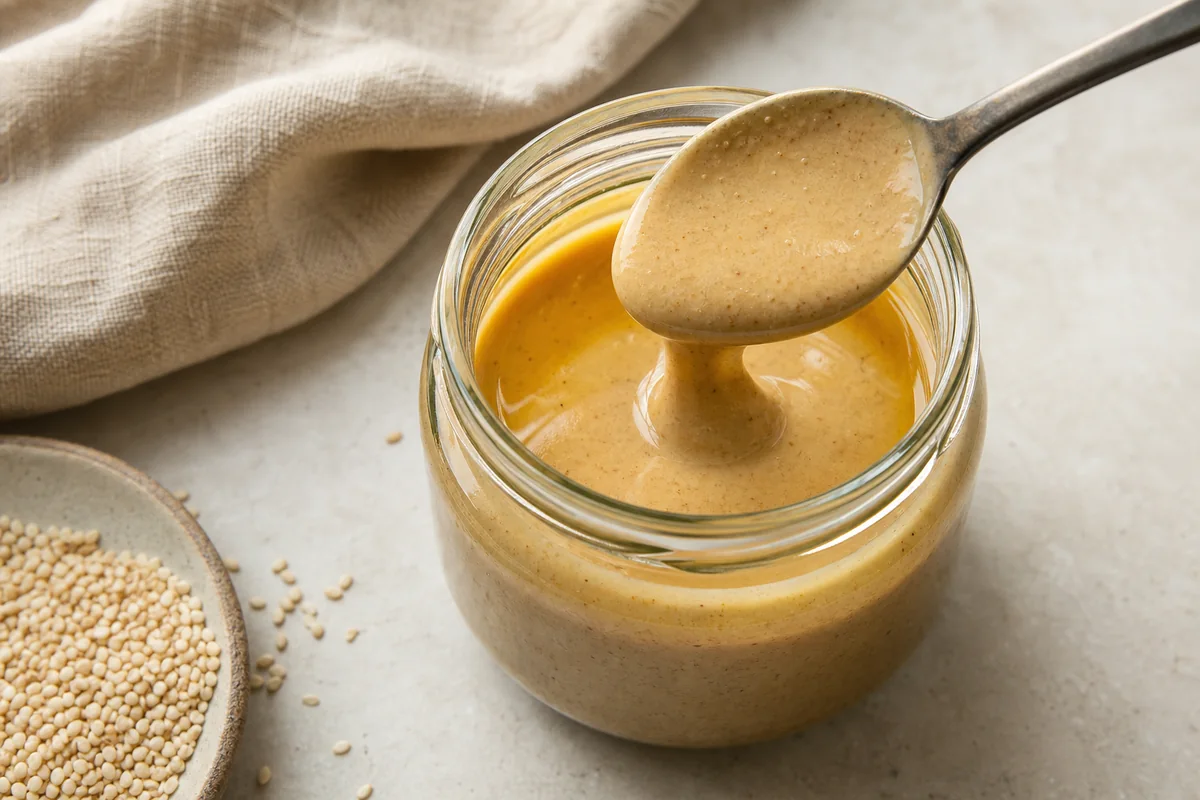
Malt tastes like toasted grain with gentle cereal sweetness. Pale malt can suggest crackers and fresh bread, while darker malt moves through biscuit and caramel toward cocoa, coffee, and dry roast bitterness.
Malt is a process as well as an ingredient. Milk, beer, extract, vinegar, and baking powder add their own dairy, hops, sugar, acid, or enzyme effects around the shared grain flavor.

Malt is a family of toasted grain flavors rather than one sugary taste. Germination prepares the grain, kilning creates aroma and color, and the final product decides whether malt tastes creamy, bitter, sweet, or sharp.
How Is Malt Flavor Made?
Malt starts when a grain receives water and begins to sprout under controlled conditions. This early growth changes the grain before heat creates the flavor people recognize as malty.
Sprouting prepares the starch
Germination activates enzymes that can make stored starch easier to convert into sugars. The grain is not candy-sweet at this stage, but it has developed the machinery needed for brewing or dough work.
Barley is the most familiar source, although wheat, rye, sorghum, and other grains can be malted. The starting grain leaves its own mark under the toasted flavor.
Drying stops growth
The maltster dries the sprouted grain before it uses its reserves to grow further. Gentle drying protects more enzyme activity and keeps the color pale.
Heat creates the aroma range
Higher kiln or roast temperatures create bread crust, biscuit, caramel, cocoa, coffee, and char-like notes through browning. More heat does not simply make the grain sweeter.
Very dark malt can taste dry and bitter even when its aroma suggests chocolate. That difference between sweet smell and dry finish explains many conflicting descriptions.
What Does Malt Taste Like?
The aroma left after sprouted grain meets heat resembles the space between warm cereal and bread crust. Nutty, earthy, and biscuit-like notes sit around a gentle sweetness.
Aroma arrives before sugar
Fresh toast, crackers, and dry cereal are better starting comparisons than caramel syrup. A pale malt may smell sweet while tasting fairly dry.
Sweetness depends on the product
Malt extract concentrates soluble grain sugars, and malted milk often includes dairy and sugar. A dry beer or malt vinegar can carry the same grain aroma with much less sweetness.
Table sugar tastes direct and clean. Malt sweetness feels rounder because toast, grain, and browning compounds arrive with it.
The finish can become earthy or bitter
Pale malt ends with light cereal and nuts. Dark roast shifts the finish toward cocoa and chocolate, coffee, or a dry edge that can seem bitter without being burnt.
A harsh ash taste that lingers is different. It points to scorching, too much very dark malt, or a product style that does not fit the drink or food.
How Does Kiln Color Change Malt Flavor?
Visible color gives a useful first prediction because it records how much heat the grain received. It cannot reveal the exact blend, but it narrows the expected range.
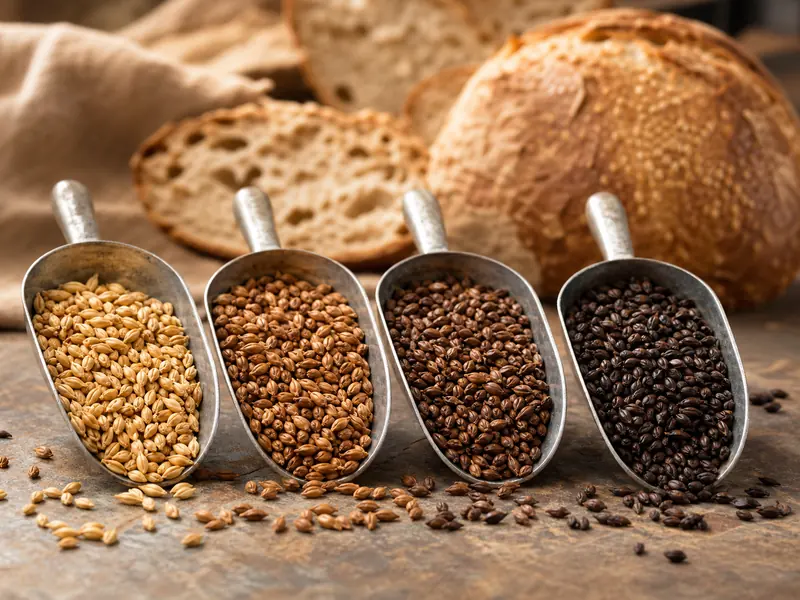
| Malt color | Common flavor | Sweetness impression | Failure when overused |
|---|---|---|---|
| Pale | Cracker, cereal, fresh bread | Low to gentle | Can seem plain beside strong flavors |
| Golden | Honey, biscuit, light nuts | Gentle | Subtle toast can disappear |
| Amber | Caramel, toffee, browned crust | Medium | Can make a blend seem heavy |
| Brown | Cocoa, nuts, dark toast | Low to medium | Roast can cover delicate grain |
| Very dark | Coffee, roast, dry bitterness | Low | Ash and acrid finish |
A brewer or baker may combine several colors, so the finished product can show pale bread aroma and dark roast in the same sip or bite. Hops, fermentation, dairy, salt, and sugar then move the balance again.
Small amounts of dark malt can dominate a pale base. Color is therefore a clue about intensity, not a promise that every brown product will taste like caramel.
How Do Milk, Beer, Extract, and Vinegar Change Malt?
One grain flavor can appear in products that have little else in common. The surrounding ingredient often controls the first taste while malt shapes the middle or finish.
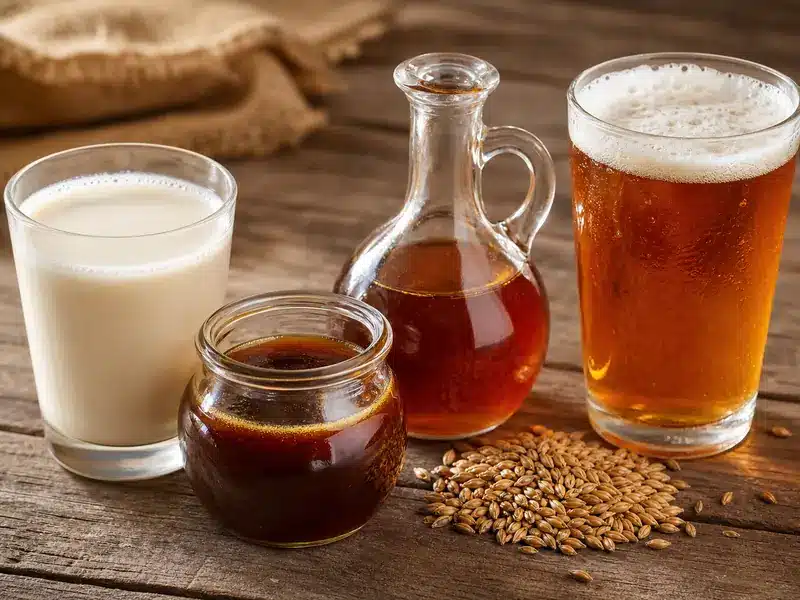
Malted milk rounds the toast
Milk fat and lactose soften roast edges, while added sugar makes biscuit and caramel notes feel dessert-like. The result resembles a creamy cereal drink more than plain malted grain.
Beer adds fermentation and hops
Yeast can bring fruit, spice, or alcohol warmth, and hops can add bitterness or herbal aroma. A malt-forward beer may still taste dry even when it smells like bread and caramel, while malt liquor can place more alcohol weight around the grain.
Extract concentrates grain sugar
Liquid or dry malt extract gathers soluble flavor and sugar into a strong ingredient. Light extract stays honeyed and bready, while dark extract carries more caramel and roast.
A malt syrup replacement must match both flavor and liquid, and maltose syrup does not bring the same toasted grain depth.
Vinegar puts acid first
Malt vinegar tastes sharp and savory because acetic acid dominates. Toasted grain sits behind the sourness, so it does not resemble malted milk even though both began with malt.
A malt vinegar replacement can match the acid while missing that toasted background.
These products share a process family, not one sweetness level. A detailed beer, vinegar, syrup, or liquor question needs its own product profile.
What Is the Difference Between Diastatic and Non-Diastatic Malt?
Two similar powders can change dough in very different ways. The label matters because one may contain active enzymes while the other mainly supplies flavor and color.
| Product | Main purpose | Expected effect | Failure when misused |
|---|---|---|---|
| Diastatic malt powder | Active enzyme support in dough | More available sugar and browning | Too much can create gummy crumb |
| Non-diastatic malt | Flavor, sweetness, and color | Toast and deeper crust color | Can overpower mild dough |
| Malted-milk powder | Drink and dessert flavor | Creamy biscuit note | Other ingredients change the formula |
| Malt extract | Concentrated sugar and flavor | Sweetness, color, and moisture | Changes liquid balance |
Use diastatic malt only when a dough method calls for enzyme activity. An extra spoonful is not a harmless flavor boost because the enzymes continue affecting starch.
Choose non-diastatic malt for milkshakes, cookies, cakes, or bread when toast and color are the goal. It can deepen a mild frozen dessert such as ube ice cream, but whisk powder into other dry ingredients to prevent concentrated pockets.
Malted-milk powder is not pure malt. Dairy solids, sugar, salt, and other ingredients can affect sweetness, browning, and allergen needs.
Why Does Malt Taste Burnt, Sour, Stale, or Musty?
A strong note belongs only when it fits the product. Dark roast bitterness in a stout is different from acrid scorch in pale powder, and sourness in vinegar is different from sour dry malt.
- Clean coffee or cocoa bitterness: This can be intentional in dark roasted malt.
- Acrid ash or burnt smoke: Scorching or excessive dark malt has pushed the flavor too far.
- Expected sharp sourness: Malt vinegar and some fermented drinks place acid in front of the grain.
- Flat cardboard aroma: Oxidation or long storage has reduced freshness.
- Mustiness or damp clumps: Poor dry storage calls for rejection rather than a larger dose.
Keep powders sealed away from steam and use a dry spoon. Moisture can turn a free-flowing ingredient into a sticky block and create an uncertain storage history.
Liquid extract may darken and deepen in storage without becoming unsafe. A failed seal, visible growth, fermentation that was not expected, or an unpleasant foreign odor requires a different decision.
How Should You Taste Malt for the First Time?
Arrange a comparison from the least roasted sample to the darkest. Pale malt or a mild malted cereal reveals the bread and cracker baseline before coffee-like bitterness tires the palate.
Try the plain grain flavor before milk, hops, acid, chocolate, or heavy sugar enters. This makes the common thread easier to recognize across unrelated products.
Move next to amber or caramel malt, then a dark roast. Water between samples clears the previous bitterness without adding a new flavor.
Finish with malted milk, beer, extract, vinegar, or a sweet malta drink to see how the frame changes the base. Milk rounds it, hops sharpen it, extract concentrates it, and vinegar places acid first.
A warm sample may release more bread and caramel aroma, while cold service can reduce aroma and make bitterness or sweetness feel different. Compare products at their normal serving temperature rather than forcing one condition on all of them.
Sources
Frequently Asked Questions
Is malt sweet or bitter?
Malt is often gently sweet and toasted. Dark roasted malt can add cocoa, coffee, and noticeable dry bitterness.
Molasses can copy dark sweetness in some recipes, but it tastes less grain-like.
Does malt taste like chocolate?
Dark malt can suggest cocoa or chocolate without containing either. Pale malt tastes more like crackers, cereal, and bread.
What does malted milk taste like?
It tastes creamy, bready, and lightly caramelized, with a biscuit note that plain milk does not have.
Does malt vinegar taste like malted milk?
No. Malt vinegar is sharp and acidic, while malted milk uses dairy and sugar to make the grain taste creamy and sweet.
Is malt the same as barley?
Barley is a grain. Malt is grain that has begun germination under controlled conditions and then been dried, and barley is the most common starting grain.

Carrie is a food writer and editor with more than 15 years of experience. She has worked for some of the biggest names in the food industry, including Bon Appétit, Food & Wine, and Martha Stewart Living.
As the Editor in Chief of EpicureDelight, Carrie oversees all of the content on the site. She also manages the team of contributing writers and editors, who help to create delicious recipes, helpful tips, and informative articles that you’ll find on the site.
A native of the Chicago area, Carrie is passionate about all things food. She loves trying new restaurants and experimenting with new recipes in her kitchen. She’s also a graduate of the Culinary Institute of America, so she knows a thing or two about food!