
Cubanelle peppers sit in a particular sweet spot: mild, thin-walled, and just peppery enough to give dishes character without heat. That flavor profile is what you're trying to preserve when you swap them out.
A cubanelle pepper substitute should stay mild and offer a similar cook time, so your finished dish still comes together correctly.
Cubanelle is common in Italian-American cooking, Puerto Rican sofrito, and stuffed pepper recipes. The wall thickness and quick softening time matter as much as flavor.
If you want a deeper look at what cubanelle tastes like before choosing a swap, the cubanelle flavor notes page is worth a quick read.
Anaheim peppers are the closest match for mildness and thickness. Italian frying peppers behave almost identically in a hot pan. Poblano works for stuffing and roasting if you slice thin. Banana peppers add tang. Bell peppers and jarred roasted red peppers are solid emergency swaps.
5 Best Cubanelle Pepper Substitutes Ranked by Flavor
Each substitute below is ranked by how closely it matches cubanelle's mild sweetness and cooking behavior. The first two are nearly interchangeable with cubanelle.
The last two are backup options when your grocery store options are limited.
| # | Substitute | Best For | Ratio | Key Note |
|---|---|---|---|---|
| 1 | Anaheim Chili | Both | 1:1 | Closest mild flavor match |
| 2 | Poblano | Both | 1:1 | Slice thin, earthier taste |
| 3 | Italian Frying | Both | 1:1 | Nearly identical in pan |
| 4 | Banana Pepper | Cooked | 1:1 | Tangier, drain if jarred |
| 5 | Bell Pepper | Both | ¾:1 | Add chile powder for depth |
1. Anaheim Chili Peppers
Anaheim peppers are the closest thing to cubanelle you'll find at most grocery stores. They share the same mild heat level, a similar wall thickness, and they soften at roughly the same rate when roasted or sautéed.
Slice them to match whatever cut your recipe calls for. When you're swapping in Anaheim for dishes that need peppery heat options as a seasoning backup, you likely won't need to add anything extra.
- Sautéing: Use 1:1 and cook over medium-high heat until just tender, about 4-5 minutes.
- Roasting: Halve and roast at 425°F for 18-20 minutes, same as you'd treat cubanelle.
- Fajitas or stir-fry: Slice into strips and cook quickly; they soften fast so pull them early.
- Stuffing: Works well, though the cavity is slightly narrower; choose larger Anaheims.
Skip if: your recipe needs a pepper that holds a crisp bite after a very short stir-fry. Anaheim softens quickly and may go limp before other ingredients are done.
2. Poblano Peppers
Poblano has a slightly earthier, more complex flavor than cubanelle, and it can register noticeably warmer on the heat scale. Most adults won't find it hot, but the difference is real.
If you want to understand that flavor shift before committing, check out the poblano heat profile for a clear breakdown.
- Stuffing: Poblano cavities are wide and hold filling well; use them whole and roast at 400°F for 25 minutes.
- Roasting: Char directly over a flame for smokier depth, then peel before using.
- Sauté: Slice into thin half-moons and cook 5-6 minutes over medium heat for a cubanelle-like texture.
- Ratio: Use 1:1, but reduce cook time by about 1 minute since poblano releases moisture faster.
Skip if: the dish is for kids or anyone sensitive to pepper heat. Poblano can surprise people who expect cubanelle's near-zero warmth. Also skip for milder pepper swaps if you want to go even gentler.
3. Italian Frying Peppers
Italian frying peppers are often sold right next to cubanelle at Italian markets and many supermarkets. They are very mild, slightly wrinkled when raw, and they caramelize beautifully in a hot pan.
Italian Frying Peppers vs. Cubanelle
Works for: sautéing, high-heat pans, fajita-style dishes, quick pasta tosses
Skip if: you need a sweet-forward flavor with low tang; ripeness varies and brighter ones taste sharper
- High-heat sauté: Add to a dry or lightly oiled pan over high heat for caramelized edges similar to cubanelle.
- Pasta dishes: Slice thin and toss in at the last 2 minutes of cooking; they wilt quickly and blend well.
- Roasting: Roast whole at 425°F for 15-18 minutes; the skin blisters evenly.
4. Banana Peppers
Banana peppers bring mild heat and a tangy-sweet flavor that cubanelle doesn't have. Fresh ones are closer to cubanelle's profile.
Jarred ones carry brine and added acidity, which can shift a sauce or filling noticeably.
Fresh banana peppers work well sliced into stir-fries or layered onto sandwiches where a little tang is welcome. For a broader look at how this pepper behaves in recipes, the tangy yellow pepper page covers texture and flavor in detail.
If you're using jarred, drain them and rinse lightly under cold water. That rinse removes most of the brine and gets you closer to fresh pepper flavor.
For dishes where you'd be picking a different swap entirely, choosing a milder option is worth considering.
Skip if: your recipe depends on pure sweetness and no tang. Banana pepper's brightness can compete with delicate sauces.
5. Bell Peppers
Bell peppers are the most available fallback and they work fine, but they lack cubanelle's gentle pepper character. Green bell peppers are slightly more bitter and closer to cubanelle's flavor.
Red bell peppers are sweeter and flatter in terms of pepper depth. When swapping fleshy peppers in cooked recipes, green is the better call.
- Ratio: Start at ¾ of the cubanelle amount called for; bell pepper flavor is broader and can dominate.
- Season up: Add a small pinch of chile powder or extra black pepper to restore the mild pepper character.
- Texture fix: Cut into thicker strips than you would cubanelle; bell pepper is denser and needs slightly longer to soften.
- Stuffing: Works well here, with a firm cavity that holds filling without issue.
Skip if: cubanelle is the main flavor in the dish, not just a background vegetable. Bell pepper will taste noticeably different and the dish may feel flat.
Making Your Cubanelle Pepper Substitute Taste Right
Swapping one pepper for another is mostly about texture timing and seasoning balance. The pepper you choose may cook faster or slower, release more or less moisture, and bring a different acid level than cubanelle.
Getting those variables right is what separates a seamless swap from a noticeable one. If your substitute is tangy, drain or rinse it.
If it's bland, season up. And if you're unsure how much heat to expect from your swap, keeping peppery seasoning swaps on hand lets you fine-tune at the end.
Also, keep in mind that sweet thick-walled peppers store differently than thin-walled types, so your substitute may have a shorter fridge window than you'd expect.
- Match the cut size: Cut your substitute into strips or pieces the same size as your cubanelle would have been. Smaller cuts soften faster; bigger ones hold texture longer in the pan.
- Balance tang and salt: Tangy substitutes (banana peppers, jarred roasted peppers) add acid. Reduce any other acidic ingredient in the recipe by about 1 teaspoon to stay balanced. Add them later in cooking to keep them from going mushy.
- Tune the heat level: If your substitute runs warmer than cubanelle (poblano especially), pull it from the heat 1 minute early. If it runs cooler (bell pepper), add a pinch of chile powder after plating for a closer flavor match.
Frequently Asked Questions
Anaheim chili peppers are the closest match for sautéing. They share cubanelle's mild heat and thin walls, so they soften at nearly the same rate in a hot pan.
Yes, but poblano runs warmer and earthier than cubanelle. Slice it thin and cook briefly to keep the heat level manageable for most palates.
Bell peppers lack cubanelle's mild pepper depth. Add a small pinch of chile powder or extra black pepper to the dish to recover some of that character.
They work well but turn mushy fast. Stir them in near the end of cooking and warm for just 1-2 minutes to keep some texture.
Use fresh banana peppers instead of jarred when possible. If jarred is all you have, drain and rinse them briefly under cold water before adding to your dish.
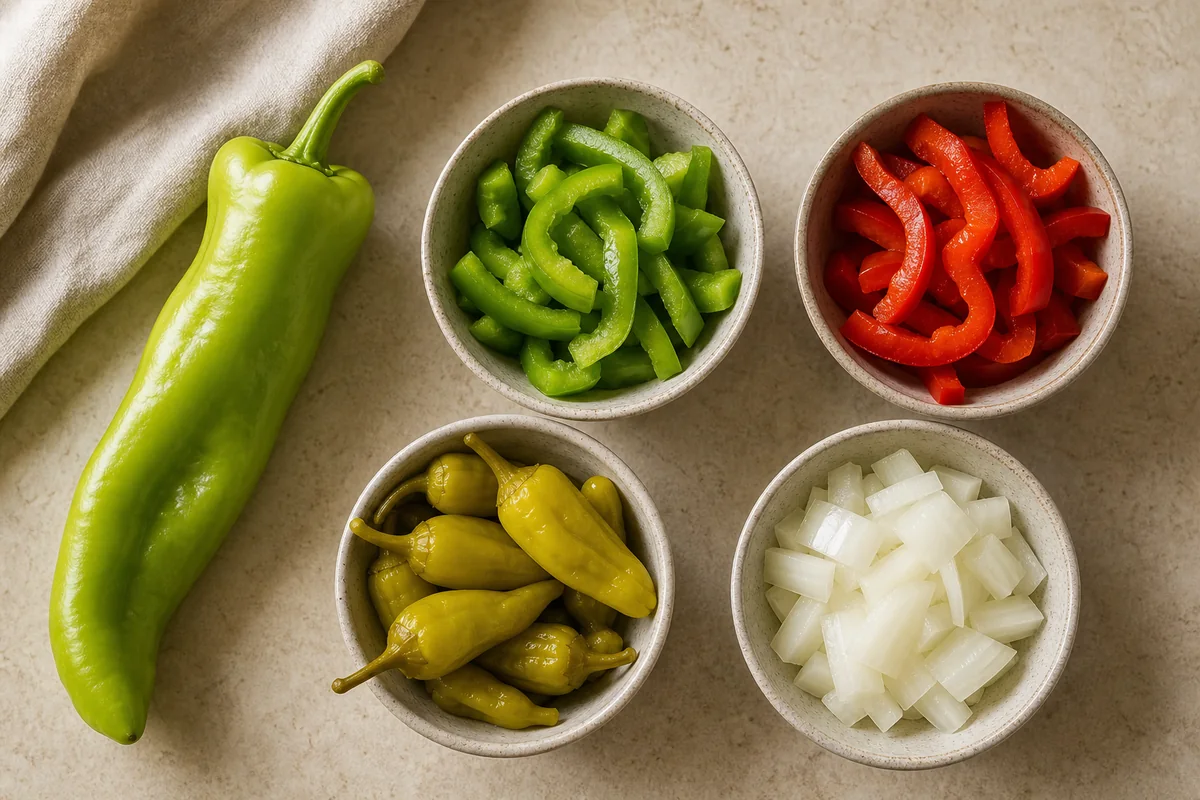
5 Best Cubanelle Pepper Substitutes for Home Cooks
Ingredients
Method
- Identify how you’re using cubanelle (sauté, stuffing, roasting, or quick slicing), because prep time affects texture.
- Choose the closest substitute from the table: Anaheim for the closest mild pepper profile; bell pepper only if you need sweetness with less heat.
- Use the listed ratio: for bell peppers, start with the ¾ ratio and add more if the dish needs more “pepper presence.”
- Prep for texture match: slice similarly sized strips, and roast or sauté until tender but not collapsing.
- Taste and fine-tune: if the substitute is too tangy (banana peppers), rinse/drain; if it’s too mild (bell peppers), add a small pinch of chile powder or black pepper.
Notes
- Cubanelle is valued for mild heat and gentle sweetness, so aim for similar thickness and roast/sauté tenderness.
Tried this recipe?
Let us know how it was!
Carrie is a food writer and editor with more than 15 years of experience. She has worked for some of the biggest names in the food industry, including Bon Appétit, Food & Wine, and Martha Stewart Living.
As the Editor in Chief of EpicureDelight, Carrie oversees all of the content on the site. She also manages the team of contributing writers and editors, who help to create delicious recipes, helpful tips, and informative articles that you’ll find on the site.
A native of the Chicago area, Carrie is passionate about all things food. She loves trying new restaurants and experimenting with new recipes in her kitchen. She’s also a graduate of the Culinary Institute of America, so she knows a thing or two about food!



